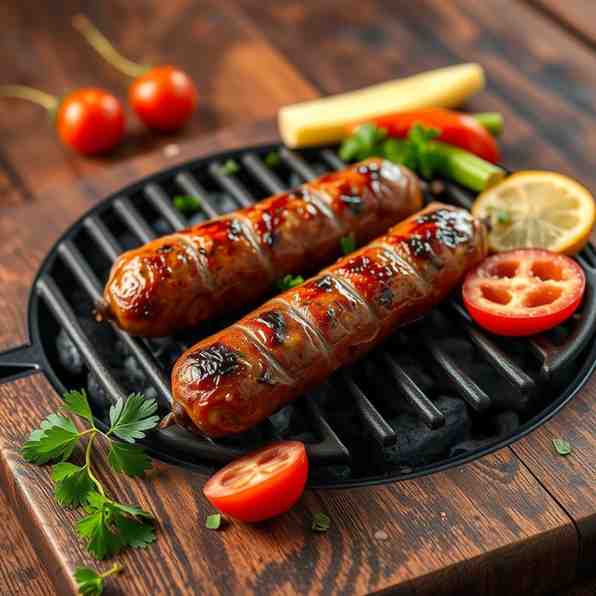
Grass Fed Liver Pate - Faroe Islands Leverpostej Recipe
Grass Fed Liver Pate - Faroe Islands Leverpostej Recipe
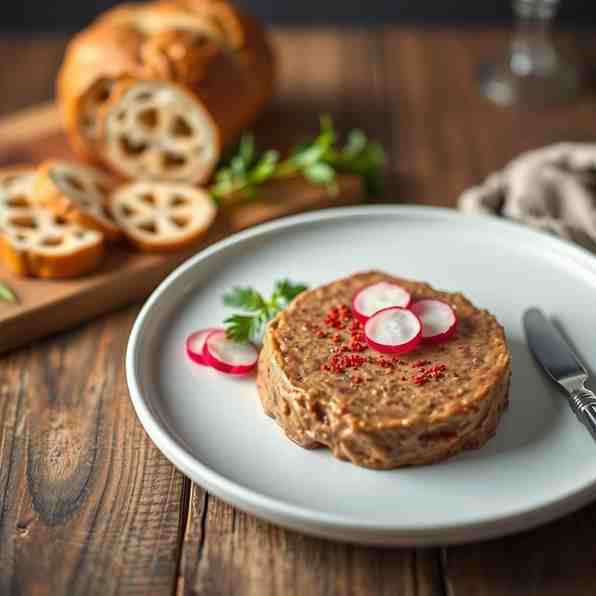
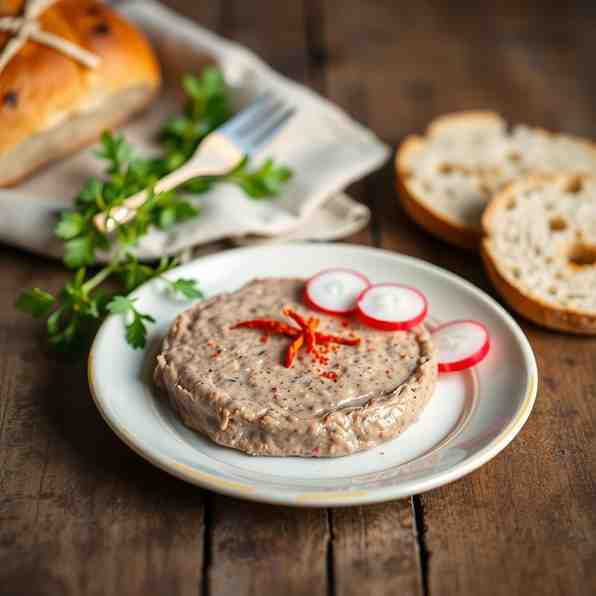
- Serves: 8 People
- Prepare Time: 30 minutes
- Cooking Time: 1 hour 15 m
- Calories: -
- Difficulty: Medium
If you love rich, savory spreads and the art of smørrebrød, then you’re about to discover a true North Atlantic gem: Faroe Islands-style Leverpostej (Danish Liver Pâté). While its roots are firmly Danish, this incredibly satisfying grass fed liver pate has become a beloved staple across regions influenced by Danish food culture, from Greenland to the Faroe Islands. It’s a dish that transforms humble ingredients into a comforting, flavorful experience perfect for any meal or gathering.
Forget bland store-bought versions; this guide is your definitive playbook to crafting a truly authentic and delicious Leverpostej at home. We'll walk you through every step, ensuring you gain not just a reliable recipe, but also the essential knowledge to make your liver healthy recipes a resounding success every time. Get ready to elevate your culinary skills and bring a taste of Nordic tradition to your kitchen!
Before we dive into the full recipe, here are some fast facts to get you started:
What is leverpostej? It’s a traditional Danish liver pâté, typically made from pork liver and fat, baked in a loaf pan in a water bath until firm and sliceable. It's often enjoyed warm or cold on rye bread.
What does it taste like? Leverpostej is savory, earthy, and rich, with a mild liver flavor balanced by sweet spices like allspice and nutmeg, and the sweetness of onion. It's creamy yet firm, with a delightful umami depth.
Do I need a meat grinder? While a meat grinder achieves the most traditional fine texture, a food processor can absolutely be used! We'll explain how to get the best results with either.
Can I serve it hot and cold? Yes, that's one of its best qualities! It's fantastic served warm right out of the oven with crispy bacon, or chilled and sliced for open-faced sandwiches.
To make this traditional grass fed liver pate recipe, you'll need a few key tools:
Meat grinder or food processor: For achieving the right texture for your liver and fat. A grinder yields a finer, more uniform pâté, while a food processor can work well for a slightly coarser texture.
Loaf pan or foil tray: A standard 9x5 inch (23x13 cm) loaf pan is ideal. If using foil, ensure it's sturdy and placed on a baking sheet.
Deep roasting pan: Essential for the water bath, which ensures even cooking and a creamy texture.
Instant-read thermometer: Crucial for accurately checking the internal temperature to ensure safety and optimal texture.
Ingredients
Directions
- Prep & Safety Setup: Start by sanitizing your workspace. Use separate cutting boards and utensils for raw liver and other ingredients. Ensure all your ingredients are well-chilled before you begin, which helps with grinding and mixing.
- Prep the Liver: Rinse the pork liver quickly under cold water and pat it thoroughly dry with paper towels. Carefully trim away any tough membranes, visible blood vessels, or connective tissue. For an optional, very brief soak to mellow the flavor, you can submerge the liver in milk for 30 minutes, then drain and pat dry.
- Grind/Process to the Right Texture:
- Using a Meat Grinder: Pass the trimmed liver and diced fatback through the fine die of your meat grinder. You want a very fine, uniform grind.
- Using a Food Processor: Cut the liver and fatback into 1-inch (2.5 cm) cubes. Working in batches if necessary, pulse them in a food processor until very finely minced and almost paste-like, but avoid over-processing into a liquid. The "right" texture is smooth and uniform, without large chunks.
- Make the Binder: In a large bowl, whisk together the milk (or cream) and flour until smooth, ensuring no lumps remain. This creates a thick slurry that will bind the pâté. Stir in the salt, pepper, allspice, and nutmeg until well combined.
- Mix Without Overworking: Add the ground liver and fat mixture, chopped onion, and eggs to the binder mixture. Gently mix everything together until just combined. Overworking the mixture can lead to a tougher, less creamy pâté. The consistency should be like a thick batter. If using anchovy paste, add it now.
- Pan & Water Bath Setup: Lightly grease your loaf pan. Pour the leverpostej mixture into the prepared pan, smoothing the top. Place the loaf pan into a larger, deep roasting pan. Carefully pour hot water into the roasting pan, ensuring it comes halfway up the sides of the loaf pan. This water bath (bain-marie) is crucial for even, gentle cooking and prevents the pâté from drying out or cracking.
- Bake to Temperature: Preheat your oven to 325°F (160°C). Carefully transfer the roasting pan with the water bath and loaf pan to the oven. Bake for approximately 60-75 minutes, or until an instant-read thermometer inserted into the center of the loaf registers at least 160°F (71°C) for pork organ meats. For a classic, firmer leverpostej texture, many cooks aim for 170-175°F (77-79°C). The top should be lightly browned.
- Rest, Cool, and Chill to Set: Once baked, carefully remove the loaf pan from the water bath and let it rest on a wire rack for at least 30 minutes. This allows the pâté to continue cooking slightly and firm up. Then, cover it and chill it in the refrigerator for at least 4 hours, or preferably overnight, to allow the flavors to meld and the texture to fully set. Chilling is essential for clean slicing.
- Slice and Serve: Once chilled, run a thin knife around the edges of the pan and invert the loaf onto a cutting board. Slice into desired thickness and serve according to your preference!
Grass Fed Liver Pate - Faroe Islands Leverpostej Recipe

- Serves: 8 People
- Prepare Time: 30 minutes
- Cooking Time: 1 hour 15 m
- Calories: -
- Difficulty: Medium
If you love rich, savory spreads and the art of smørrebrød, then you’re about to discover a true North Atlantic gem: Faroe Islands-style Leverpostej (Danish Liver Pâté). While its roots are firmly Danish, this incredibly satisfying grass fed liver pate has become a beloved staple across regions influenced by Danish food culture, from Greenland to the Faroe Islands. It’s a dish that transforms humble ingredients into a comforting, flavorful experience perfect for any meal or gathering.
Forget bland store-bought versions; this guide is your definitive playbook to crafting a truly authentic and delicious Leverpostej at home. We'll walk you through every step, ensuring you gain not just a reliable recipe, but also the essential knowledge to make your liver healthy recipes a resounding success every time. Get ready to elevate your culinary skills and bring a taste of Nordic tradition to your kitchen!
Before we dive into the full recipe, here are some fast facts to get you started:
What is leverpostej? It’s a traditional Danish liver pâté, typically made from pork liver and fat, baked in a loaf pan in a water bath until firm and sliceable. It's often enjoyed warm or cold on rye bread.
What does it taste like? Leverpostej is savory, earthy, and rich, with a mild liver flavor balanced by sweet spices like allspice and nutmeg, and the sweetness of onion. It's creamy yet firm, with a delightful umami depth.
Do I need a meat grinder? While a meat grinder achieves the most traditional fine texture, a food processor can absolutely be used! We'll explain how to get the best results with either.
Can I serve it hot and cold? Yes, that's one of its best qualities! It's fantastic served warm right out of the oven with crispy bacon, or chilled and sliced for open-faced sandwiches.
To make this traditional grass fed liver pate recipe, you'll need a few key tools:
Meat grinder or food processor: For achieving the right texture for your liver and fat. A grinder yields a finer, more uniform pâté, while a food processor can work well for a slightly coarser texture.
Loaf pan or foil tray: A standard 9x5 inch (23x13 cm) loaf pan is ideal. If using foil, ensure it's sturdy and placed on a baking sheet.
Deep roasting pan: Essential for the water bath, which ensures even cooking and a creamy texture.
Instant-read thermometer: Crucial for accurately checking the internal temperature to ensure safety and optimal texture.
Ingredients
Directions
- Prep & Safety Setup: Start by sanitizing your workspace. Use separate cutting boards and utensils for raw liver and other ingredients. Ensure all your ingredients are well-chilled before you begin, which helps with grinding and mixing.
- Prep the Liver: Rinse the pork liver quickly under cold water and pat it thoroughly dry with paper towels. Carefully trim away any tough membranes, visible blood vessels, or connective tissue. For an optional, very brief soak to mellow the flavor, you can submerge the liver in milk for 30 minutes, then drain and pat dry.
- Grind/Process to the Right Texture:
- Using a Meat Grinder: Pass the trimmed liver and diced fatback through the fine die of your meat grinder. You want a very fine, uniform grind.
- Using a Food Processor: Cut the liver and fatback into 1-inch (2.5 cm) cubes. Working in batches if necessary, pulse them in a food processor until very finely minced and almost paste-like, but avoid over-processing into a liquid. The "right" texture is smooth and uniform, without large chunks.
- Make the Binder: In a large bowl, whisk together the milk (or cream) and flour until smooth, ensuring no lumps remain. This creates a thick slurry that will bind the pâté. Stir in the salt, pepper, allspice, and nutmeg until well combined.
- Mix Without Overworking: Add the ground liver and fat mixture, chopped onion, and eggs to the binder mixture. Gently mix everything together until just combined. Overworking the mixture can lead to a tougher, less creamy pâté. The consistency should be like a thick batter. If using anchovy paste, add it now.
- Pan & Water Bath Setup: Lightly grease your loaf pan. Pour the leverpostej mixture into the prepared pan, smoothing the top. Place the loaf pan into a larger, deep roasting pan. Carefully pour hot water into the roasting pan, ensuring it comes halfway up the sides of the loaf pan. This water bath (bain-marie) is crucial for even, gentle cooking and prevents the pâté from drying out or cracking.
- Bake to Temperature: Preheat your oven to 325°F (160°C). Carefully transfer the roasting pan with the water bath and loaf pan to the oven. Bake for approximately 60-75 minutes, or until an instant-read thermometer inserted into the center of the loaf registers at least 160°F (71°C) for pork organ meats. For a classic, firmer leverpostej texture, many cooks aim for 170-175°F (77-79°C). The top should be lightly browned.
- Rest, Cool, and Chill to Set: Once baked, carefully remove the loaf pan from the water bath and let it rest on a wire rack for at least 30 minutes. This allows the pâté to continue cooking slightly and firm up. Then, cover it and chill it in the refrigerator for at least 4 hours, or preferably overnight, to allow the flavors to meld and the texture to fully set. Chilling is essential for clean slicing.
- Slice and Serve: Once chilled, run a thin knife around the edges of the pan and invert the loaf onto a cutting board. Slice into desired thickness and serve according to your preference!
You may also like



Hey there! I’m just someone who seriously loves good food and believes that cooking doesn’t have to be complicated to be amazing. Whether it’s a quick weeknight dinner or a cozy weekend meal, I’m all about sharing easy, tasty recipes that actually work.