Guam's Tuba Toddy - Definitive At-Home Recipe
Guam's Tuba Toddy - Definitive At-Home Recipe

- Serves: 16 People
- Prepare Time: 30 minutes
- Cooking Time: 3-7 days
- Calories: -
- Difficulty: Medium
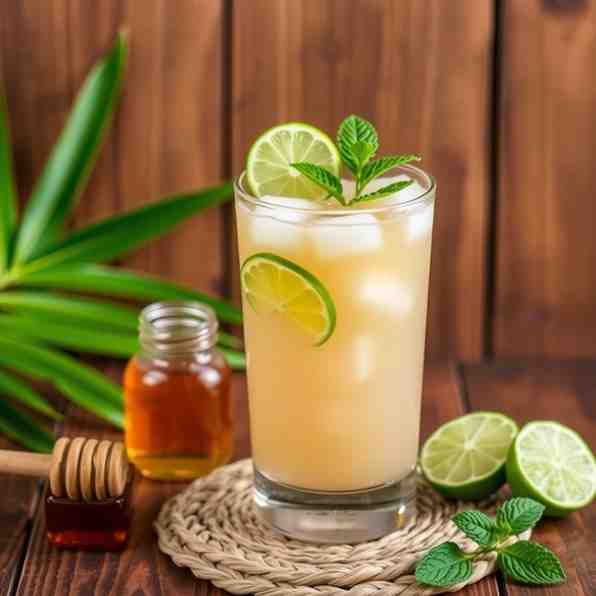
Welcome to the vibrant world of Guam, where culture, community, and delicious traditions intertwine! Today, we're diving deep into an ancient craft that’s as refreshing as a cool island breeze: Tuba. More than just a simple coconut drink recipe, Tuba is Guam's cherished fermented coconut toddy, a truly unique toddy drink recipe that tells a story of heritage and shared moments. If you've ever dreamed of crafting your own home brewed wine or exploring fascinating make at home recipes, you're in for a treat. This isn't just about fermenting at home; it's about connecting with a rich Chamorro tradition. We promise to guide you through the cultural significance of Tuba and, most importantly, provide you with the definitive recipe to make this incredible drink you can make at home right in your own kitchen. Get ready to explore the heart of Guam, one delicious sip at a time!
Ingredients
Directions
- Harvesting & Preparing Coconut SapThe foundation of great Tuba is fresh, quality coconut sap. This is the milky liquid collected directly from the coconut flower spathe.
- Source the Sap: Ideally, obtain fresh coconut sap directly from a "manggå Tuba" (Tuba harvester) or a specialty Asian market. The fresher, the better!
- Initial Strain: As soon as you get the sap, gently strain it through a clean cheesecloth or fine-mesh sieve into a clean container. This removes any debris or insects that may have fallen in during collection.
- Starting the FermentationThis is where the magic begins, as natural yeasts (or your added starter) convert sugars into alcohol and CO2.
- Sanitize Everything: Thoroughly clean and sanitize your fermentation vessel, lid/airlock, funnel, and any other tools that will come into contact with the sap. This is crucial to prevent unwanted bacteria or mold from spoiling your Tuba. Rinse thoroughly if using bleach solution.
- Add Sap to Vessel: Carefully pour the strained coconut sap into your sanitized fermentation vessel. Leave about 10-15% headspace at the top for foam and gas during fermentation.
- Optional Yeast Starter: If using, rehydrate 1/4 teaspoon of active dry yeast in a small amount of warm (not hot!) water for 5-10 minutes, then gently stir it into the coconut sap. If you prefer a more traditional, wild fermentation, you can skip this step, but results may vary.
- Seal the Vessel:
- Airlock Method: If using a carboy, fit the stopper and airlock filled with sanitized water onto the vessel.
- Cloth Method: If using a bucket, cover the opening with a clean cloth and secure it with a rubber band. This allows gas to escape while keeping contaminants out.
- Monitoring ProgressFermentation is a living process. Keep an eye on your Tuba!
- Location: Place your fermentation vessel in a cool, dark place with a stable temperature, ideally between 70-80°F (21-27°C). Avoid direct sunlight or extreme temperature fluctuations.
- Observe Activity: Within 24-48 hours, you should start seeing signs of fermentation:
- Airlock: Bubbles will steadily pass through the airlock.
- Cloth: You might see some gentle bubbling on the surface of the liquid or a slight "hiss" if you lift the cloth.
- Appearance: A thin layer of foam may appear on the surface.
- Taste Test (Carefully!): After about 3 days, you can carefully taste a small sample (using a sanitized spoon) to check its progress. It should start to taste slightly fizzy and mildly alcoholic, with a pleasant tang.
- When It’s ReadyThe readiness of Tuba is a matter of personal preference, ranging from mildly sweet to delightfully sour.
- Sweet Tuba (Day 3-5): For a sweeter, less alcoholic Tuba, it's often ready after 3-5 days of active fermentation. The coconut flavor will be more prominent.
- Sour Tuba (Day 5-7+): For a more sour, vinegary, and stronger alcoholic kick, allow it to ferment for 5-7 days or even longer. The bubbles in the airlock will slow down or stop as most of the sugars are consumed.
- Final Check: The Tuba should have a distinct, pleasant fermented aroma (not off-putting or moldy).
- Serving SuggestionsOnce fermented to your liking, your Tuba is ready to enjoy!
- Chill: Tuba is traditionally served well-chilled. Transfer it to bottles or a pitcher and refrigerate.
- Strain Again (Optional): If there’s any sediment at the bottom of your fermentation vessel, you can carefully decant the Tuba into clean bottles, leaving the sediment behind.
- Enjoy: Serve Tuba in small glasses, often alongside traditional Chamorro snacks or as a refreshing social drink.
Guam's Tuba Toddy - Definitive At-Home Recipe

- Serves: 16 People
- Prepare Time: 30 minutes
- Cooking Time: 3-7 days
- Calories: -
- Difficulty: Medium
Welcome to the vibrant world of Guam, where culture, community, and delicious traditions intertwine! Today, we're diving deep into an ancient craft that’s as refreshing as a cool island breeze: Tuba. More than just a simple coconut drink recipe, Tuba is Guam's cherished fermented coconut toddy, a truly unique toddy drink recipe that tells a story of heritage and shared moments. If you've ever dreamed of crafting your own home brewed wine or exploring fascinating make at home recipes, you're in for a treat. This isn't just about fermenting at home; it's about connecting with a rich Chamorro tradition. We promise to guide you through the cultural significance of Tuba and, most importantly, provide you with the definitive recipe to make this incredible drink you can make at home right in your own kitchen. Get ready to explore the heart of Guam, one delicious sip at a time!
Ingredients
Directions
- Harvesting & Preparing Coconut SapThe foundation of great Tuba is fresh, quality coconut sap. This is the milky liquid collected directly from the coconut flower spathe.
- Source the Sap: Ideally, obtain fresh coconut sap directly from a "manggå Tuba" (Tuba harvester) or a specialty Asian market. The fresher, the better!
- Initial Strain: As soon as you get the sap, gently strain it through a clean cheesecloth or fine-mesh sieve into a clean container. This removes any debris or insects that may have fallen in during collection.
- Starting the FermentationThis is where the magic begins, as natural yeasts (or your added starter) convert sugars into alcohol and CO2.
- Sanitize Everything: Thoroughly clean and sanitize your fermentation vessel, lid/airlock, funnel, and any other tools that will come into contact with the sap. This is crucial to prevent unwanted bacteria or mold from spoiling your Tuba. Rinse thoroughly if using bleach solution.
- Add Sap to Vessel: Carefully pour the strained coconut sap into your sanitized fermentation vessel. Leave about 10-15% headspace at the top for foam and gas during fermentation.
- Optional Yeast Starter: If using, rehydrate 1/4 teaspoon of active dry yeast in a small amount of warm (not hot!) water for 5-10 minutes, then gently stir it into the coconut sap. If you prefer a more traditional, wild fermentation, you can skip this step, but results may vary.
- Seal the Vessel:
- Airlock Method: If using a carboy, fit the stopper and airlock filled with sanitized water onto the vessel.
- Cloth Method: If using a bucket, cover the opening with a clean cloth and secure it with a rubber band. This allows gas to escape while keeping contaminants out.
- Monitoring ProgressFermentation is a living process. Keep an eye on your Tuba!
- Location: Place your fermentation vessel in a cool, dark place with a stable temperature, ideally between 70-80°F (21-27°C). Avoid direct sunlight or extreme temperature fluctuations.
- Observe Activity: Within 24-48 hours, you should start seeing signs of fermentation:
- Airlock: Bubbles will steadily pass through the airlock.
- Cloth: You might see some gentle bubbling on the surface of the liquid or a slight "hiss" if you lift the cloth.
- Appearance: A thin layer of foam may appear on the surface.
- Taste Test (Carefully!): After about 3 days, you can carefully taste a small sample (using a sanitized spoon) to check its progress. It should start to taste slightly fizzy and mildly alcoholic, with a pleasant tang.
- When It’s ReadyThe readiness of Tuba is a matter of personal preference, ranging from mildly sweet to delightfully sour.
- Sweet Tuba (Day 3-5): For a sweeter, less alcoholic Tuba, it's often ready after 3-5 days of active fermentation. The coconut flavor will be more prominent.
- Sour Tuba (Day 5-7+): For a more sour, vinegary, and stronger alcoholic kick, allow it to ferment for 5-7 days or even longer. The bubbles in the airlock will slow down or stop as most of the sugars are consumed.
- Final Check: The Tuba should have a distinct, pleasant fermented aroma (not off-putting or moldy).
- Serving SuggestionsOnce fermented to your liking, your Tuba is ready to enjoy!
- Chill: Tuba is traditionally served well-chilled. Transfer it to bottles or a pitcher and refrigerate.
- Strain Again (Optional): If there’s any sediment at the bottom of your fermentation vessel, you can carefully decant the Tuba into clean bottles, leaving the sediment behind.
- Enjoy: Serve Tuba in small glasses, often alongside traditional Chamorro snacks or as a refreshing social drink.
You may also like


Hey there! I’m just someone who seriously loves good food and believes that cooking doesn’t have to be complicated to be amazing. Whether it’s a quick weeknight dinner or a cozy weekend meal, I’m all about sharing easy, tasty recipes that actually work.