
Perfect Guernsey Cream Tea - Scones, Clotted Cream & Brew at Home
Perfect Guernsey Cream Tea - Scones, Clotted Cream & Brew at Home

- Serves: 8 People
- Prepare Time: 30 minutes
- Cooking Time: 15 minutes
- Calories: -
- Difficulty: Medium
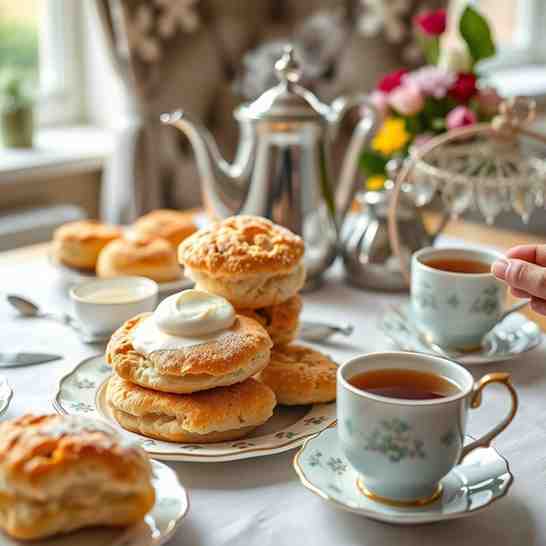
Welcome to the delightful world of cream tea! Imagine a leisurely afternoon, a steaming cup of your favorite brew, and the irresistible aroma of freshly baked scones and clotted cream. While the classic `Devon cream tea` and `Cornish cream tea` are famous throughout the Southwest UK, we're taking you on a special journey to the charming island of Guernsey. Here, the tradition of Guernsey cream tea isn't just a meal; it's a cherished ritual, a moment of pure indulgence.
This guide will walk you through `how to make cream tea step by step`, ensuring you can recreate this iconic `afternoon tea at home`. We'll dive into crafting the `best English scone recipe for cream tea`, perfecting your `clotted cream` (or finding the best substitute), and brewing the ideal cup of tea. Get ready to transform your kitchen into a cozy Guernsey tearoom and experience this beautiful tradition for yourself!
Ingredients
Directions
- Chill Out First: Before you even start, make sure your butter and milk are super cold. Pop them in the freezer for about 10-15 minutes if they're not already. This is key for flaky scones! Preheat your oven to 400°F (200°C) and line a baking sheet with parchment paper.
- Mix the Dry Stuff: In a large mixing bowl, whisk together the flour, sugar, baking powder, and salt. Give it a good mix to make sure everything is evenly distributed.
- Cut in the Butter: Add the cold, cubed butter to the dry ingredients. Using a pastry blender or your fingertips, quickly work the butter into the flour mixture until it resembles coarse crumbs, with some pea-sized pieces of butter remaining. Don't overmix – those little butter chunks are what make the scones light and airy.
- Add the Milk: Make a well in the center of the flour mixture and pour in the cold milk. Gently mix with a fork or your hands until just combined. The dough will be shaggy and a bit sticky – that's perfect! Again, avoid overworking the dough.
- Shape and Cut: Lightly flour a clean work surface. Turn the dough out onto it and gently pat it into a rough circle or rectangle about ¾ to 1 inch (2-2.5 cm) thick. Don't knead it too much! Use your round cookie cutter to cut out the scones. Push straight down, don't twist, to ensure an even rise. Gather the scraps, gently re-pat, and cut more scones until all the dough is used.
- Bake to Golden Perfection: Place the scones on your prepared baking sheet, leaving a little space between each one. If you want a golden-brown top, brush them lightly with a beaten egg wash. Bake for 12-15 minutes, or until they're beautifully risen and golden on top.
- Cool Down: Transfer the baked scones to a wire rack to cool slightly. They're best served warm, straight from the oven!
- Make or Prepare Clotted Cream Ingredients
- To Make Homemade Clotted Cream:
- 4 cups (960ml) heavy cream (not ultra-pasteurized), at least 40% fat
- Best Substitute (if not making from scratch):
- Mascarpone cheese
- Crème fraîche
- Whipped cream (sweetened, if desired)
- Equipment:
- Oven-safe dish (shallow, wide dish like a pie plate or roasting pan works best)
- Fine-mesh sieve
- Airtight container
- Make or Prepare Clotted Cream Step-by-Step Instructions
- The Magic of Clotted Cream: Clotted cream is a thick, rich, and slightly yellow cream with a distinct crust on top, traditionally made by indirectly heating full-cream cow's milk. It’s the quintessential accompaniment to scones. If you can find good quality store-bought clotted cream, that's absolutely fine! If not, here's how to make it, or choose a great substitute.
- Homemade Clotted Cream (Oven Method - Plan Ahead!):
- Pour the heavy cream into your oven-safe dish. Make sure the cream layer is no more than 1-2 inches deep for best results.
- Place the dish in a cold oven. Turn the oven to its lowest setting, usually around 175-200°F (80-95°C).
- Bake for 8-12 hours. Don't stir! The goal is for the cream to slowly heat and for a thick, golden crust to form on top. The longer it bakes at a low temperature, the thicker and richer it will become.
- Once baked, carefully remove the dish from the oven and let it cool completely to room temperature.
- Cover the dish and refrigerate for at least 8 hours, or preferably overnight. This allows the cream to firm up.
- The next day, use a spoon to gently separate the thick, clotted cream from the liquid whey underneath. Scrape the clotted cream into a clean, airtight container. Discard the whey (or save for baking!).
- The texture should be wonderfully thick and spreadable, almost like soft butter.
- Using a Substitute: If making clotted cream isn't an option, mascarpone cheese offers a similar rich, thick texture. Crème fraîche provides a tangier, slightly lighter alternative. For something closer to a traditional spread, whip heavy cream until stiff peaks form, adding a touch of sugar if you prefer a sweeter profile.
- Brew the Perfect Tea Ingredients
- Tea:
- High-quality loose leaf or tea bags (Earl Grey or English Breakfast are classic choices)
- Water:
- Fresh, cold filtered water
- Optional:
- Milk (whole milk or half-and-half recommended)
- Sugar or sweetener
- Equipment:
- Teapot
- Tea infuser or strainer (if using loose leaf)
- Kettle
- Teacups and saucers
- Brew the Perfect Tea Step-by-Step Instructions
- Heat the Water Right: Start with fresh, cold filtered water in your kettle. Heat it to a rolling boil (around 200-212°F / 93-100°C) for black teas like Earl Grey or English Breakfast.
- Warm the Pot: While the water heats, pour a splash of hot water into your teapot, swirl it around, and then discard it. This helps keep your tea warm longer.
- Add the Tea: For loose leaf, a good rule of thumb is one teaspoon per person, plus one for the pot. Place your loose leaf tea in an infuser or directly into the teapot. If using tea bags, use one bag per person.
- Steep to Perfection: Pour the freshly boiled water over the tea leaves/bags. Let it steep for 3-5 minutes. For a stronger brew, steep longer; for a lighter one, steep less. Don't over-steep, or your tea might become bitter.
- Serve It Up: Remove the infuser or tea bags. Pour the hot tea into teacups. Offer milk and sugar on the side so everyone can customize their cuppa.
- Assemble Your Cream Tea — Cornish vs Devon Method Ingredients
- Freshly baked scones
- Clotted cream (homemade or store-bought)
- Strawberry jam (or your favorite preserve)
- Freshly brewed tea
- Assemble Your Cream Tea — Cornish vs Devon Method Step-by-Step Instructions
- Split the Scone: Carefully slice each warm scone in half horizontally.
- The Great Debate: Jam First or Cream First?
- The Devon Method: In Devon, tradition dictates that you spread the clotted cream first on each scone half, then top it with a dollop of jam. Think of it like buttering your toast, then adding jam.
- The Cornish Method: Over in Cornwall, they do it the other way around! Jam goes on first, followed by a generous spoonful of clotted cream on top. This method is often preferred for its visual appeal, with the rich cream crowning the scone.
- Guernsey's Take: While Guernsey isn't strictly Devon or Cornish, the spirit of `cream tea` is about enjoyment! Many islanders lean towards the Cornish method, enjoying the jam's sweetness first, followed by the luxurious cream. Feel free to try both and decide your favorite!
- Enjoy! Serve immediately with your perfect cup of tea. Don't forget to savor every bite!
Perfect Guernsey Cream Tea - Scones, Clotted Cream & Brew at Home
- Serves: 8 People
- Prepare Time: 30 minutes
- Cooking Time: 15 minutes
- Calories: -
- Difficulty: Medium
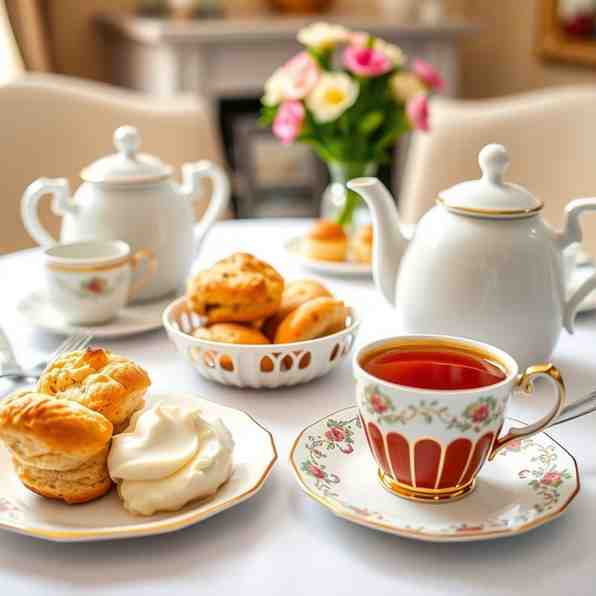
Welcome to the delightful world of cream tea! Imagine a leisurely afternoon, a steaming cup of your favorite brew, and the irresistible aroma of freshly baked scones and clotted cream. While the classic `Devon cream tea` and `Cornish cream tea` are famous throughout the Southwest UK, we're taking you on a special journey to the charming island of Guernsey. Here, the tradition of Guernsey cream tea isn't just a meal; it's a cherished ritual, a moment of pure indulgence.
This guide will walk you through `how to make cream tea step by step`, ensuring you can recreate this iconic `afternoon tea at home`. We'll dive into crafting the `best English scone recipe for cream tea`, perfecting your `clotted cream` (or finding the best substitute), and brewing the ideal cup of tea. Get ready to transform your kitchen into a cozy Guernsey tearoom and experience this beautiful tradition for yourself!
Ingredients
Directions
- Chill Out First: Before you even start, make sure your butter and milk are super cold. Pop them in the freezer for about 10-15 minutes if they're not already. This is key for flaky scones! Preheat your oven to 400°F (200°C) and line a baking sheet with parchment paper.
- Mix the Dry Stuff: In a large mixing bowl, whisk together the flour, sugar, baking powder, and salt. Give it a good mix to make sure everything is evenly distributed.
- Cut in the Butter: Add the cold, cubed butter to the dry ingredients. Using a pastry blender or your fingertips, quickly work the butter into the flour mixture until it resembles coarse crumbs, with some pea-sized pieces of butter remaining. Don't overmix – those little butter chunks are what make the scones light and airy.
- Add the Milk: Make a well in the center of the flour mixture and pour in the cold milk. Gently mix with a fork or your hands until just combined. The dough will be shaggy and a bit sticky – that's perfect! Again, avoid overworking the dough.
- Shape and Cut: Lightly flour a clean work surface. Turn the dough out onto it and gently pat it into a rough circle or rectangle about ¾ to 1 inch (2-2.5 cm) thick. Don't knead it too much! Use your round cookie cutter to cut out the scones. Push straight down, don't twist, to ensure an even rise. Gather the scraps, gently re-pat, and cut more scones until all the dough is used.
- Bake to Golden Perfection: Place the scones on your prepared baking sheet, leaving a little space between each one. If you want a golden-brown top, brush them lightly with a beaten egg wash. Bake for 12-15 minutes, or until they're beautifully risen and golden on top.
- Cool Down: Transfer the baked scones to a wire rack to cool slightly. They're best served warm, straight from the oven!
- Make or Prepare Clotted Cream Ingredients
- To Make Homemade Clotted Cream:
- 4 cups (960ml) heavy cream (not ultra-pasteurized), at least 40% fat
- Best Substitute (if not making from scratch):
- Mascarpone cheese
- Crème fraîche
- Whipped cream (sweetened, if desired)
- Equipment:
- Oven-safe dish (shallow, wide dish like a pie plate or roasting pan works best)
- Fine-mesh sieve
- Airtight container
- Make or Prepare Clotted Cream Step-by-Step Instructions
- The Magic of Clotted Cream: Clotted cream is a thick, rich, and slightly yellow cream with a distinct crust on top, traditionally made by indirectly heating full-cream cow's milk. It’s the quintessential accompaniment to scones. If you can find good quality store-bought clotted cream, that's absolutely fine! If not, here's how to make it, or choose a great substitute.
- Homemade Clotted Cream (Oven Method - Plan Ahead!):
- Pour the heavy cream into your oven-safe dish. Make sure the cream layer is no more than 1-2 inches deep for best results.
- Place the dish in a cold oven. Turn the oven to its lowest setting, usually around 175-200°F (80-95°C).
- Bake for 8-12 hours. Don't stir! The goal is for the cream to slowly heat and for a thick, golden crust to form on top. The longer it bakes at a low temperature, the thicker and richer it will become.
- Once baked, carefully remove the dish from the oven and let it cool completely to room temperature.
- Cover the dish and refrigerate for at least 8 hours, or preferably overnight. This allows the cream to firm up.
- The next day, use a spoon to gently separate the thick, clotted cream from the liquid whey underneath. Scrape the clotted cream into a clean, airtight container. Discard the whey (or save for baking!).
- The texture should be wonderfully thick and spreadable, almost like soft butter.
- Using a Substitute: If making clotted cream isn't an option, mascarpone cheese offers a similar rich, thick texture. Crème fraîche provides a tangier, slightly lighter alternative. For something closer to a traditional spread, whip heavy cream until stiff peaks form, adding a touch of sugar if you prefer a sweeter profile.
- Brew the Perfect Tea Ingredients
- Tea:
- High-quality loose leaf or tea bags (Earl Grey or English Breakfast are classic choices)
- Water:
- Fresh, cold filtered water
- Optional:
- Milk (whole milk or half-and-half recommended)
- Sugar or sweetener
- Equipment:
- Teapot
- Tea infuser or strainer (if using loose leaf)
- Kettle
- Teacups and saucers
- Brew the Perfect Tea Step-by-Step Instructions
- Heat the Water Right: Start with fresh, cold filtered water in your kettle. Heat it to a rolling boil (around 200-212°F / 93-100°C) for black teas like Earl Grey or English Breakfast.
- Warm the Pot: While the water heats, pour a splash of hot water into your teapot, swirl it around, and then discard it. This helps keep your tea warm longer.
- Add the Tea: For loose leaf, a good rule of thumb is one teaspoon per person, plus one for the pot. Place your loose leaf tea in an infuser or directly into the teapot. If using tea bags, use one bag per person.
- Steep to Perfection: Pour the freshly boiled water over the tea leaves/bags. Let it steep for 3-5 minutes. For a stronger brew, steep longer; for a lighter one, steep less. Don't over-steep, or your tea might become bitter.
- Serve It Up: Remove the infuser or tea bags. Pour the hot tea into teacups. Offer milk and sugar on the side so everyone can customize their cuppa.
- Assemble Your Cream Tea — Cornish vs Devon Method Ingredients
- Freshly baked scones
- Clotted cream (homemade or store-bought)
- Strawberry jam (or your favorite preserve)
- Freshly brewed tea
- Assemble Your Cream Tea — Cornish vs Devon Method Step-by-Step Instructions
- Split the Scone: Carefully slice each warm scone in half horizontally.
- The Great Debate: Jam First or Cream First?
- The Devon Method: In Devon, tradition dictates that you spread the clotted cream first on each scone half, then top it with a dollop of jam. Think of it like buttering your toast, then adding jam.
- The Cornish Method: Over in Cornwall, they do it the other way around! Jam goes on first, followed by a generous spoonful of clotted cream on top. This method is often preferred for its visual appeal, with the rich cream crowning the scone.
- Guernsey's Take: While Guernsey isn't strictly Devon or Cornish, the spirit of `cream tea` is about enjoyment! Many islanders lean towards the Cornish method, enjoying the jam's sweetness first, followed by the luxurious cream. Feel free to try both and decide your favorite!
- Enjoy! Serve immediately with your perfect cup of tea. Don't forget to savor every bite!
You may also like



Hey there! I’m just someone who seriously loves good food and believes that cooking doesn’t have to be complicated to be amazing. Whether it’s a quick weeknight dinner or a cozy weekend meal, I’m all about sharing easy, tasty recipes that actually work.