
Guernsey Gâche - Homemade Cake Recipe
Guernsey Gâche - Homemade Cake Recipe
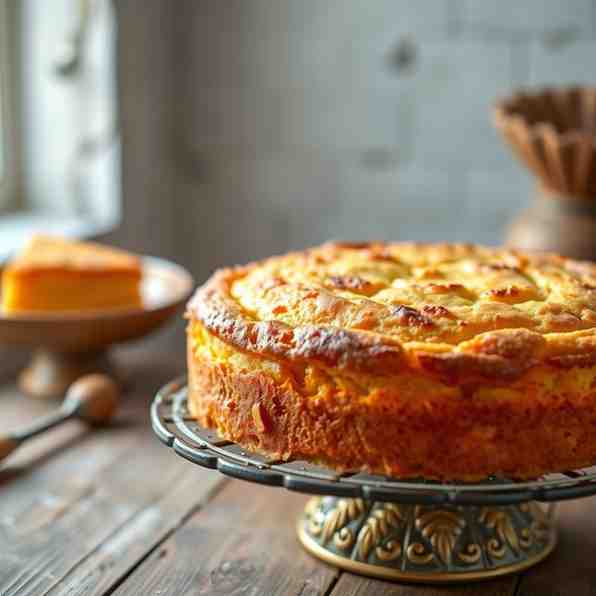
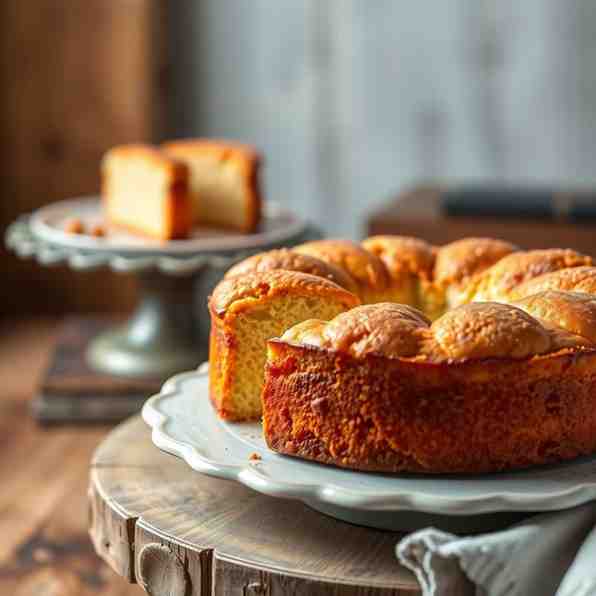
- Serves: 12 People
- Prepare Time: 45 minutes
- Cooking Time: 50 minutes
- Calories: -
- Difficulty: Medium
Welcome to the delightful world of Guernsey Gâche! If you're searching for a truly special traditional homemade cake recipe, you've landed in the right spot. This isn't just any homemade fruit cake; it's a rich, subtly sweet, and wonderfully aromatic fruit bread that hails from the beautiful Channel Island of Guernsey. Imagine a loaf that's perfect for breakfast, afternoon tea, or simply a comforting snack – that's Gâche.
Our recipe combines time-honored methods with clear, modern techniques to ensure your baking success. We've crafted these instructions specifically for home made cake recipe enthusiasts, whether you're a beginner or an experienced baker. You'll find detailed guidance on everything from mixing and kneading to proofing and baking, ensuring you achieve that perfect, tender loaf every time. Forget dry, dense fruit cakes; our approach guarantees a moist, flavorful homemade recipe cake that will become a cherished staple in your kitchen. So, let's roll up our sleeves and bring a taste of Guernsey tradition right into your home!
Ingredients
Directions
- Prepare the Fruit (Optional, but Recommended)
- In a small bowl, combine the mixed dried fruit with the rum or orange juice. Stir well and let it sit for at least 30 minutes, or preferably overnight, to plump up the fruit.
- Activate the Yeast
- In a small bowl, warm the milk to about 105-115°F (40-46°C). It should be warm to the touch, but not hot.
- Stir in the granulated sugar and sprinkle the active dry yeast over the top. Let it sit for 5-10 minutes until foamy. If it doesn't foam, your yeast might be old or the milk too hot/cold, and you'll need to start again with fresh yeast.
- Mix the Dough
- In a large mixing bowl (or the bowl of a stand mixer), whisk together the bread flour, salt, cinnamon, and nutmeg.
- Add the activated yeast mixture, melted butter, and egg to the flour mixture.
- If using a stand mixer, attach the dough hook and mix on low speed for 2-3 minutes until a shaggy dough forms.
- If mixing by hand, stir with a sturdy spoon until the ingredients are well combined and a shaggy dough forms.
- Kneading
- Stand Mixer: Increase speed to medium-low and knead for 8-10 minutes. The dough should become smooth, elastic, and pull away from the sides of the bowl.
- By Hand: Turn the dough out onto a lightly floured surface. Knead for 10-15 minutes, pushing the dough away from you with the heels of your hands, then folding it back. Continue until the dough is smooth, elastic, and passes the "windowpane test" (can be stretched thin enough to see light through without tearing).
- Drain any excess liquid from the plumped fruit, then add the fruit to the dough. Knead for another 1-2 minutes until the fruit is evenly distributed throughout the dough.
- First Proof
- Lightly grease a clean large bowl with a little oil. Place the dough in the bowl, turning it once to coat.
- Cover the bowl with plastic wrap or a clean kitchen towel and place it in a warm, draft-free spot (like a turned-off oven with the light on).
- Let the dough rise for 1 to 1.5 hours, or until it has doubled in size.
- Alt Text for Photo: A bowl of dough, covered with plastic wrap, rising in a warm place.
- Shape the Loaf
- Once doubled, gently punch down the dough to release the air.
- Turn the dough out onto a lightly floured surface. Gently shape it into a log that is roughly the length of your loaf pan.
- Lightly grease your 9x5 inch (23x13 cm) loaf pan. Carefully transfer the shaped dough into the prepared pan.
- Alt Text for Photo: Dough being gently shaped into a log on a floured surface.
- Alt Text for Photo: Shaped dough placed into a greased loaf pan.
- Second Proof
- Cover the loaf pan loosely with plastic wrap or a clean kitchen towel.
- Let the dough rise again in a warm, draft-free spot for another 45-60 minutes, or until it has nearly doubled in size and looks puffy.
- Towards the end of the second proof, preheat your oven to 350°F (175°C).
- Alt Text for Photo: Loaf pan with dough, covered, rising for the second time.
- Bake
- Place the loaf pan in the preheated oven.
- Bake for 45-55 minutes, or until the Gâche is golden brown on top and sounds hollow when tapped on the bottom.
- For best results, use an instant-read thermometer to check the internal temperature; it should reach 190-200°F (88-93°C). If the top is browning too quickly, you can loosely tent it with aluminum foil.
- Alt Text for Photo: Golden brown Guernsey Gâche baking in an oven.
- Cool
- Once baked, remove the Gâche from the oven and let it cool in the pan for 10-15 minutes.
- Carefully remove the loaf from the pan and transfer it to a wire cooling rack to cool completely before slicing. This is crucial for the texture to set properly.
- Alt Text for Photo: Freshly baked Guernsey Gâche cooling on a wire rack.
Guernsey Gâche - Homemade Cake Recipe

- Serves: 12 People
- Prepare Time: 45 minutes
- Cooking Time: 50 minutes
- Calories: -
- Difficulty: Medium
Welcome to the delightful world of Guernsey Gâche! If you're searching for a truly special traditional homemade cake recipe, you've landed in the right spot. This isn't just any homemade fruit cake; it's a rich, subtly sweet, and wonderfully aromatic fruit bread that hails from the beautiful Channel Island of Guernsey. Imagine a loaf that's perfect for breakfast, afternoon tea, or simply a comforting snack – that's Gâche.
Our recipe combines time-honored methods with clear, modern techniques to ensure your baking success. We've crafted these instructions specifically for home made cake recipe enthusiasts, whether you're a beginner or an experienced baker. You'll find detailed guidance on everything from mixing and kneading to proofing and baking, ensuring you achieve that perfect, tender loaf every time. Forget dry, dense fruit cakes; our approach guarantees a moist, flavorful homemade recipe cake that will become a cherished staple in your kitchen. So, let's roll up our sleeves and bring a taste of Guernsey tradition right into your home!
Ingredients
Directions
- Prepare the Fruit (Optional, but Recommended)
- In a small bowl, combine the mixed dried fruit with the rum or orange juice. Stir well and let it sit for at least 30 minutes, or preferably overnight, to plump up the fruit.
- Activate the Yeast
- In a small bowl, warm the milk to about 105-115°F (40-46°C). It should be warm to the touch, but not hot.
- Stir in the granulated sugar and sprinkle the active dry yeast over the top. Let it sit for 5-10 minutes until foamy. If it doesn't foam, your yeast might be old or the milk too hot/cold, and you'll need to start again with fresh yeast.
- Mix the Dough
- In a large mixing bowl (or the bowl of a stand mixer), whisk together the bread flour, salt, cinnamon, and nutmeg.
- Add the activated yeast mixture, melted butter, and egg to the flour mixture.
- If using a stand mixer, attach the dough hook and mix on low speed for 2-3 minutes until a shaggy dough forms.
- If mixing by hand, stir with a sturdy spoon until the ingredients are well combined and a shaggy dough forms.
- Kneading
- Stand Mixer: Increase speed to medium-low and knead for 8-10 minutes. The dough should become smooth, elastic, and pull away from the sides of the bowl.
- By Hand: Turn the dough out onto a lightly floured surface. Knead for 10-15 minutes, pushing the dough away from you with the heels of your hands, then folding it back. Continue until the dough is smooth, elastic, and passes the "windowpane test" (can be stretched thin enough to see light through without tearing).
- Drain any excess liquid from the plumped fruit, then add the fruit to the dough. Knead for another 1-2 minutes until the fruit is evenly distributed throughout the dough.
- First Proof
- Lightly grease a clean large bowl with a little oil. Place the dough in the bowl, turning it once to coat.
- Cover the bowl with plastic wrap or a clean kitchen towel and place it in a warm, draft-free spot (like a turned-off oven with the light on).
- Let the dough rise for 1 to 1.5 hours, or until it has doubled in size.
- Alt Text for Photo: A bowl of dough, covered with plastic wrap, rising in a warm place.
- Shape the Loaf
- Once doubled, gently punch down the dough to release the air.
- Turn the dough out onto a lightly floured surface. Gently shape it into a log that is roughly the length of your loaf pan.
- Lightly grease your 9x5 inch (23x13 cm) loaf pan. Carefully transfer the shaped dough into the prepared pan.
- Alt Text for Photo: Dough being gently shaped into a log on a floured surface.
- Alt Text for Photo: Shaped dough placed into a greased loaf pan.
- Second Proof
- Cover the loaf pan loosely with plastic wrap or a clean kitchen towel.
- Let the dough rise again in a warm, draft-free spot for another 45-60 minutes, or until it has nearly doubled in size and looks puffy.
- Towards the end of the second proof, preheat your oven to 350°F (175°C).
- Alt Text for Photo: Loaf pan with dough, covered, rising for the second time.
- Bake
- Place the loaf pan in the preheated oven.
- Bake for 45-55 minutes, or until the Gâche is golden brown on top and sounds hollow when tapped on the bottom.
- For best results, use an instant-read thermometer to check the internal temperature; it should reach 190-200°F (88-93°C). If the top is browning too quickly, you can loosely tent it with aluminum foil.
- Alt Text for Photo: Golden brown Guernsey Gâche baking in an oven.
- Cool
- Once baked, remove the Gâche from the oven and let it cool in the pan for 10-15 minutes.
- Carefully remove the loaf from the pan and transfer it to a wire cooling rack to cool completely before slicing. This is crucial for the texture to set properly.
- Alt Text for Photo: Freshly baked Guernsey Gâche cooling on a wire rack.
You may also like



Hey there! I’m just someone who seriously loves good food and believes that cooking doesn’t have to be complicated to be amazing. Whether it’s a quick weeknight dinner or a cozy weekend meal, I’m all about sharing easy, tasty recipes that actually work.