
Healthy Nasi Ulam - Fresh Herb Rice Today
Healthy Nasi Ulam - Fresh Herb Rice Today
- Serves: 4 People
- Prepare Time: 30 minutes
- Cooking Time: 25 minutes
- Calories: -
- Difficulty: Medium
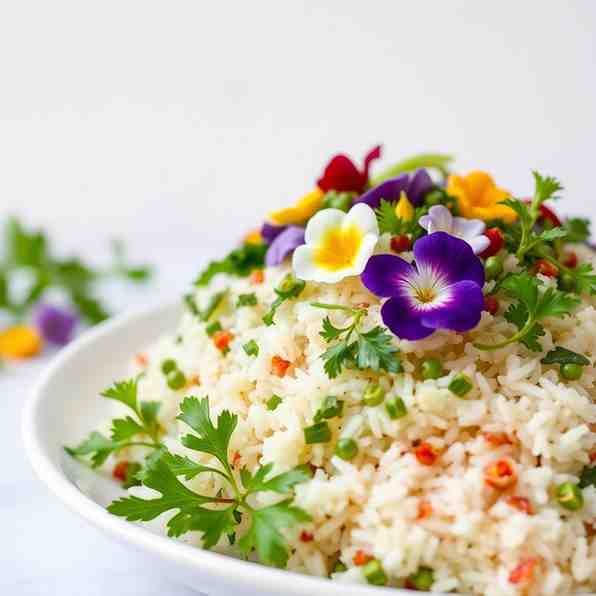
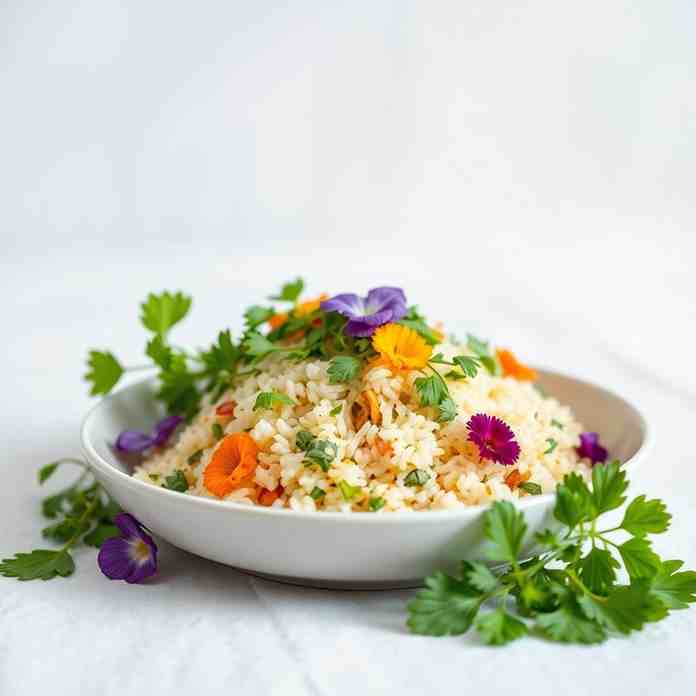
Ready to dive into a world of vibrant flavors and incredible aromas? Get ready to master the art of cooking with fresh herbs with our definitive guide to Nasi Ulam, a truly special Malaysian herb rice dish. This isn't just any rice recipe; it's a celebration of nature's bounty, packed with fragrant herbs and fresh grated coconut that come together to create a dish that's both incredibly healthy and utterly delicious. Forget heavy, complicated meals – Nasi Ulam is a bright, herb-forward, and satisfying option that feels wonderfully light. It’s one of those healthy dishes that taste good and will quickly become one of your favorite easy nutritious meals. We'll show you how to make this traditional favorite foolproof and US-friendly, ensuring every bite is a perfect blend of fresh herbs and spices you'll love.
This Nasi Ulam recipe is a delightful journey into Malaysian cuisine, offering a harmonious blend of fresh, aromatic herbs and the subtle sweetness of toasted coconut. It’s surprisingly simple to make, yet delivers a complex flavor profile that’s incredibly refreshing and satisfying. You'll love how the blend of herbs brightens up the long grain white rice, making it feel light and healthy.
Where to Shop for Herbs: Look for fresh herbs at your local Asian markets, farmers' markets, or well-stocked grocery stores. Don't be afraid to ask!
Ingredients
Directions
- Cook the Rice and Cool It Properly
- Rinse the long grain white rice under cold water until the water runs clear.
- Cook the rice with 2 ¼ cups of water and ½ teaspoon of salt in a rice cooker or pot according to package directions, until it’s fluffy and tender.
- Once cooked, immediately spread the hot rice onto a large baking tray or a wide, shallow dish. This allows it to cool down quickly and evenly.
- Let the rice cool to warm or room temperature. This crucial step prevents the delicate herbs from wilting and turning dark when mixed in.
- Toast the Coconut (Kerisik)
- Place the fresh grated coconut (or thawed frozen/shredded unsweetened coconut) in a dry skillet over low to medium heat.
- Stir constantly, scraping the bottom of the pan to prevent burning.
- Continue to toast until the coconut turns a beautiful golden brown and becomes wonderfully aromatic – about 5-8 minutes.
- Immediately transfer the toasted coconut to a plate to cool completely.
- Optional: For a finer, more traditional "kerisik-like" texture, you can pound the cooled toasted coconut in a mortar and pestle for a minute or two until it releases more oil and becomes slightly paste-like.
- Prep the Herbs (The “Target Chop”)
- Thoroughly wash all your fresh herbs (Thai basil, mint, cilantro, Vietnamese coriander). Spin them dry in a salad spinner or gently pat them dry with a clean kitchen towel. Excess moisture can make the dish soggy.
- For leafy herbs, stack them, roll them tightly like a cigar, and then slice them as thinly as possible (this is the "target chop").
- For lemongrass: Remove the tough outer layers and the green top. Finely mince only the tender white core at the bottom.
- For makrut lime leaves: Remove the tough midrib, then stack the halves and slice them hair-thin.
- Combine all the prepped herbs and aromatics in a large mixing bowl.
- (Optional) Prep Dried Shrimp
- If using dried shrimp, soak them in warm water for 10-15 minutes until softened.
- Drain them very well, then pat dry.
- Pound the softened shrimp in a mortar and pestle until finely shredded, or pulse in a mini food processor.
- Briefly dry-toast the pounded shrimp in a clean, dry skillet over low heat for 1-2 minutes until fragrant. Set aside.
- Toss and Season
- In the large bowl with your prepped herbs and aromatics, add the cooled rice, toasted coconut (kerisik), and any optional add-ins (like dried shrimp or peanuts and diced vegetables).
- Add ¾ teaspoon of salt, ¼ teaspoon of white pepper, and a tiny pinch of sugar.
- Using your hands (the traditional way!) or a large spoon, gently but thoroughly toss all the ingredients together. The goal is to distribute the herbs evenly without bruising them too much.
- Taste the mixture and adjust the seasoning with more salt, pepper, or sugar as needed. Remember the flavors will continue to develop.
- Allow the Nasi Ulam to rest for at least 10 minutes before serving. This resting time allows the flavors to meld and bloom beautifully. Taste again before serving.
Healthy Nasi Ulam - Fresh Herb Rice Today

- Serves: 4 People
- Prepare Time: 30 minutes
- Cooking Time: 25 minutes
- Calories: -
- Difficulty: Medium
Ready to dive into a world of vibrant flavors and incredible aromas? Get ready to master the art of cooking with fresh herbs with our definitive guide to Nasi Ulam, a truly special Malaysian herb rice dish. This isn't just any rice recipe; it's a celebration of nature's bounty, packed with fragrant herbs and fresh grated coconut that come together to create a dish that's both incredibly healthy and utterly delicious. Forget heavy, complicated meals – Nasi Ulam is a bright, herb-forward, and satisfying option that feels wonderfully light. It’s one of those healthy dishes that taste good and will quickly become one of your favorite easy nutritious meals. We'll show you how to make this traditional favorite foolproof and US-friendly, ensuring every bite is a perfect blend of fresh herbs and spices you'll love.
This Nasi Ulam recipe is a delightful journey into Malaysian cuisine, offering a harmonious blend of fresh, aromatic herbs and the subtle sweetness of toasted coconut. It’s surprisingly simple to make, yet delivers a complex flavor profile that’s incredibly refreshing and satisfying. You'll love how the blend of herbs brightens up the long grain white rice, making it feel light and healthy.
Where to Shop for Herbs: Look for fresh herbs at your local Asian markets, farmers' markets, or well-stocked grocery stores. Don't be afraid to ask!
Ingredients
Directions
- Cook the Rice and Cool It Properly
- Rinse the long grain white rice under cold water until the water runs clear.
- Cook the rice with 2 ¼ cups of water and ½ teaspoon of salt in a rice cooker or pot according to package directions, until it’s fluffy and tender.
- Once cooked, immediately spread the hot rice onto a large baking tray or a wide, shallow dish. This allows it to cool down quickly and evenly.
- Let the rice cool to warm or room temperature. This crucial step prevents the delicate herbs from wilting and turning dark when mixed in.
- Toast the Coconut (Kerisik)
- Place the fresh grated coconut (or thawed frozen/shredded unsweetened coconut) in a dry skillet over low to medium heat.
- Stir constantly, scraping the bottom of the pan to prevent burning.
- Continue to toast until the coconut turns a beautiful golden brown and becomes wonderfully aromatic – about 5-8 minutes.
- Immediately transfer the toasted coconut to a plate to cool completely.
- Optional: For a finer, more traditional "kerisik-like" texture, you can pound the cooled toasted coconut in a mortar and pestle for a minute or two until it releases more oil and becomes slightly paste-like.
- Prep the Herbs (The “Target Chop”)
- Thoroughly wash all your fresh herbs (Thai basil, mint, cilantro, Vietnamese coriander). Spin them dry in a salad spinner or gently pat them dry with a clean kitchen towel. Excess moisture can make the dish soggy.
- For leafy herbs, stack them, roll them tightly like a cigar, and then slice them as thinly as possible (this is the "target chop").
- For lemongrass: Remove the tough outer layers and the green top. Finely mince only the tender white core at the bottom.
- For makrut lime leaves: Remove the tough midrib, then stack the halves and slice them hair-thin.
- Combine all the prepped herbs and aromatics in a large mixing bowl.
- (Optional) Prep Dried Shrimp
- If using dried shrimp, soak them in warm water for 10-15 minutes until softened.
- Drain them very well, then pat dry.
- Pound the softened shrimp in a mortar and pestle until finely shredded, or pulse in a mini food processor.
- Briefly dry-toast the pounded shrimp in a clean, dry skillet over low heat for 1-2 minutes until fragrant. Set aside.
- Toss and Season
- In the large bowl with your prepped herbs and aromatics, add the cooled rice, toasted coconut (kerisik), and any optional add-ins (like dried shrimp or peanuts and diced vegetables).
- Add ¾ teaspoon of salt, ¼ teaspoon of white pepper, and a tiny pinch of sugar.
- Using your hands (the traditional way!) or a large spoon, gently but thoroughly toss all the ingredients together. The goal is to distribute the herbs evenly without bruising them too much.
- Taste the mixture and adjust the seasoning with more salt, pepper, or sugar as needed. Remember the flavors will continue to develop.
- Allow the Nasi Ulam to rest for at least 10 minutes before serving. This resting time allows the flavors to meld and bloom beautifully. Taste again before serving.
You may also like



Hey there! I’m just someone who seriously loves good food and believes that cooking doesn’t have to be complicated to be amazing. Whether it’s a quick weeknight dinner or a cozy weekend meal, I’m all about sharing easy, tasty recipes that actually work.