Bake Hogmanay Cake with Dried Fruits
Bake Hogmanay Cake with Dried Fruits
- Serves: 12 People
- Prepare Time: 60 minutes
- Cooking Time: 2 hours 30
- Calories: -
- Difficulty: Easy
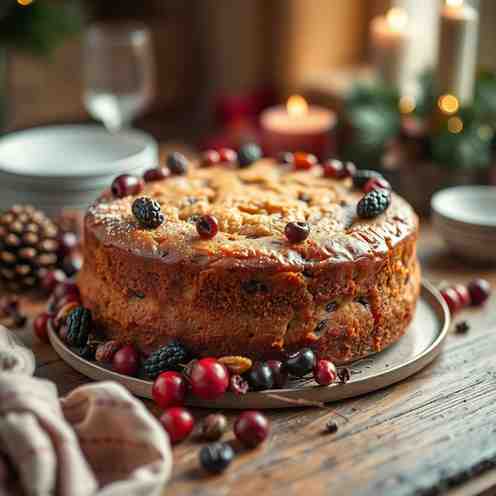
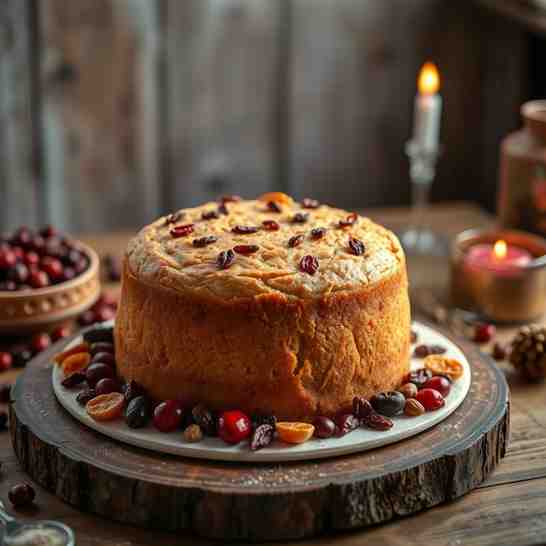
Ring in the New Year with a truly special treat: the Hogmanay Cake, also known as Scottish Black Bun! If you've been searching for the perfect cake with dried fruits that's steeped in tradition and absolutely bursting with flavor, you've found it. This isn't just any baking recipe cake; it's an iconic part of Scottish Hogmanay (New Year's Eve) celebrations, traditionally given as a "first-footing" gift to bring good luck. Imagine a rich, spiced fruit cake filling generously packed with mixed dried fruit for cakes, all encased in a tender, flaky pastry crust. It's a delightful surprise that tastes like a festive fruit cake but with a unique, savory twist.
Many recipes for this traditional delight can be a bit intimidating, but we're here to guide you through crafting the definitive home-baker version. We'll share practical tips to ensure your pastry is perfect, your fruit inside cake is moist and flavorful, and your oven bakes it just right. Get ready to impress your friends and family with this home baked cake – a truly delicious baking recipe that embodies the spirit of Scottish festivity.
Ingredients
Directions
- Prepare the Fruit Filling (Ideally 1-2 Days Ahead):
- In a large bowl, combine the mixed dried fruit for cakes, chopped almonds, glacé cherries, dark brown sugar, light brown sugar, black treacle, mix spice for baking, black pepper, ground cloves, and orange zest.
- Pour in the whisky or brandy (or strong tea). Mix thoroughly until all the fruit is coated.
- Cover the bowl and let it sit at room temperature for at least 12 hours, or ideally 24-48 hours, stirring occasionally. This allows the fruit to plump up and absorb the flavors.
- Make the Pastry:
- In a large bowl, sift together the flour and salt.
- Add the cold butter and lard/shortening. Using your fingertips or a pastry blender, rub the fat into the flour until the mixture resembles coarse breadcrumbs with some pea-sized pieces of fat remaining.
- Gradually add the ice-cold water, a tablespoon at a time, mixing with a knife or your hands until the dough just comes together. Be careful not to overmix.
- Divide the dough into two pieces, one slightly larger than the other (about ⅔ and ⅓). Flatten each piece into a disc, wrap tightly in plastic wrap, and chill in the refrigerator for at least 30 minutes.
- Prepare the Tin and Roll Out Pastry:
- Preheat your oven to 300°F (150°C).
- Line a loaf pan with parchment paper (a 9x5-inch or 23x13cm loaf tin works best), leaving an overhang on the long sides to help lift the cake out later.
- On a lightly floured surface, roll out the larger pastry disc into a rectangle large enough to line a loaf pan with parchment paper for the bottom and sides, with some overhang. Carefully transfer it to the prepared loaf tin, pressing gently into the corners.
- Finish the Fruit Filling:
- To the soaked fruit mixture, add the beaten egg, plain flour, and baking powder for cake. Mix well until everything is combined. The flour helps to distribute the fruit inside cake evenly and prevents it from sinking.
- Assemble the Black Bun:
- Spoon the fruit filling into the pastry-lined loaf tin, pressing it down firmly and leveling the top.
- Roll out the smaller pastry disc to form a lid for the cake.
- Brush the edges of the bottom pastry with a little water, then carefully place the pastry lid over the filling. Trim any excess pastry, leaving a small overhang.
- Press the edges of the top and bottom pastry together firmly to seal the cake. You can crimp them with a fork for a decorative edge.
- Make a few small slits or decorative patterns on top of the pastry lid to allow steam to escape during baking.
- Bake the Hogmanay Cake:
- Brush the top of the pastry with the beaten egg wash for a golden finish.
- Bake for 2 hours to 2 hours 30 minutes, or until the pastry is golden brown and a skewer inserted into the center of the fruit filling comes out mostly clean (it will be dense, so don't expect it to be completely dry like a sponge cake). If the pastry starts to brown too quickly, you can loosely tent it with foil.
- Once baked, remove from the oven and let it cool completely in the tin on a wire rack before attempting to remove it. This cake is very dense and needs time to firm up.
Bake Hogmanay Cake with Dried Fruits
- Serves: 12 People
- Prepare Time: 60 minutes
- Cooking Time: 2 hours 30
- Calories: -
- Difficulty: Easy
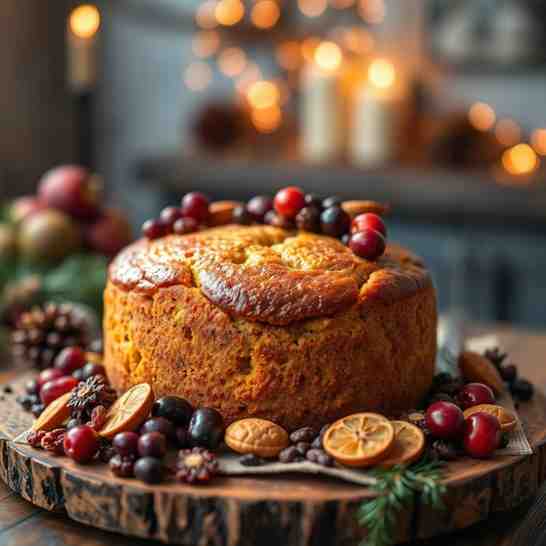
Ring in the New Year with a truly special treat: the Hogmanay Cake, also known as Scottish Black Bun! If you've been searching for the perfect cake with dried fruits that's steeped in tradition and absolutely bursting with flavor, you've found it. This isn't just any baking recipe cake; it's an iconic part of Scottish Hogmanay (New Year's Eve) celebrations, traditionally given as a "first-footing" gift to bring good luck. Imagine a rich, spiced fruit cake filling generously packed with mixed dried fruit for cakes, all encased in a tender, flaky pastry crust. It's a delightful surprise that tastes like a festive fruit cake but with a unique, savory twist.
Many recipes for this traditional delight can be a bit intimidating, but we're here to guide you through crafting the definitive home-baker version. We'll share practical tips to ensure your pastry is perfect, your fruit inside cake is moist and flavorful, and your oven bakes it just right. Get ready to impress your friends and family with this home baked cake – a truly delicious baking recipe that embodies the spirit of Scottish festivity.
Ingredients
Directions
- Prepare the Fruit Filling (Ideally 1-2 Days Ahead):
- In a large bowl, combine the mixed dried fruit for cakes, chopped almonds, glacé cherries, dark brown sugar, light brown sugar, black treacle, mix spice for baking, black pepper, ground cloves, and orange zest.
- Pour in the whisky or brandy (or strong tea). Mix thoroughly until all the fruit is coated.
- Cover the bowl and let it sit at room temperature for at least 12 hours, or ideally 24-48 hours, stirring occasionally. This allows the fruit to plump up and absorb the flavors.
- Make the Pastry:
- In a large bowl, sift together the flour and salt.
- Add the cold butter and lard/shortening. Using your fingertips or a pastry blender, rub the fat into the flour until the mixture resembles coarse breadcrumbs with some pea-sized pieces of fat remaining.
- Gradually add the ice-cold water, a tablespoon at a time, mixing with a knife or your hands until the dough just comes together. Be careful not to overmix.
- Divide the dough into two pieces, one slightly larger than the other (about ⅔ and ⅓). Flatten each piece into a disc, wrap tightly in plastic wrap, and chill in the refrigerator for at least 30 minutes.
- Prepare the Tin and Roll Out Pastry:
- Preheat your oven to 300°F (150°C).
- Line a loaf pan with parchment paper (a 9x5-inch or 23x13cm loaf tin works best), leaving an overhang on the long sides to help lift the cake out later.
- On a lightly floured surface, roll out the larger pastry disc into a rectangle large enough to line a loaf pan with parchment paper for the bottom and sides, with some overhang. Carefully transfer it to the prepared loaf tin, pressing gently into the corners.
- Finish the Fruit Filling:
- To the soaked fruit mixture, add the beaten egg, plain flour, and baking powder for cake. Mix well until everything is combined. The flour helps to distribute the fruit inside cake evenly and prevents it from sinking.
- Assemble the Black Bun:
- Spoon the fruit filling into the pastry-lined loaf tin, pressing it down firmly and leveling the top.
- Roll out the smaller pastry disc to form a lid for the cake.
- Brush the edges of the bottom pastry with a little water, then carefully place the pastry lid over the filling. Trim any excess pastry, leaving a small overhang.
- Press the edges of the top and bottom pastry together firmly to seal the cake. You can crimp them with a fork for a decorative edge.
- Make a few small slits or decorative patterns on top of the pastry lid to allow steam to escape during baking.
- Bake the Hogmanay Cake:
- Brush the top of the pastry with the beaten egg wash for a golden finish.
- Bake for 2 hours to 2 hours 30 minutes, or until the pastry is golden brown and a skewer inserted into the center of the fruit filling comes out mostly clean (it will be dense, so don't expect it to be completely dry like a sponge cake). If the pastry starts to brown too quickly, you can loosely tent it with foil.
- Once baked, remove from the oven and let it cool completely in the tin on a wire rack before attempting to remove it. This cake is very dense and needs time to firm up.
You may also like

Hey there! I’m just someone who seriously loves good food and believes that cooking doesn’t have to be complicated to be amazing. Whether it’s a quick weeknight dinner or a cozy weekend meal, I’m all about sharing easy, tasty recipes that actually work.