
Kenyan Chapati & Maharagwe - Delicious Homemade Cooking Recipes
Kenyan Chapati & Maharagwe - Delicious Homemade Cooking Recipes
- Serves: 4 People
- Prepare Time: 30 minutes
- Cooking Time: 45 minutes
- Calories: -
- Difficulty: Medium
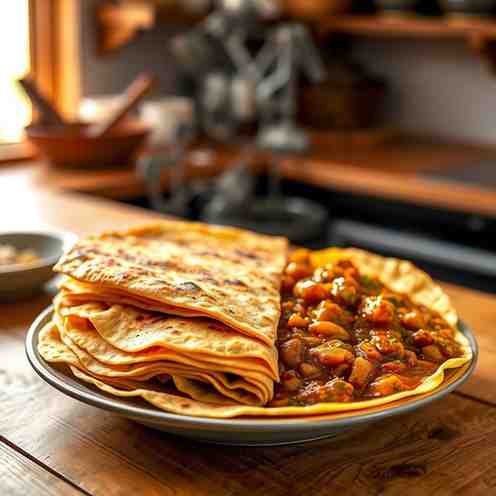
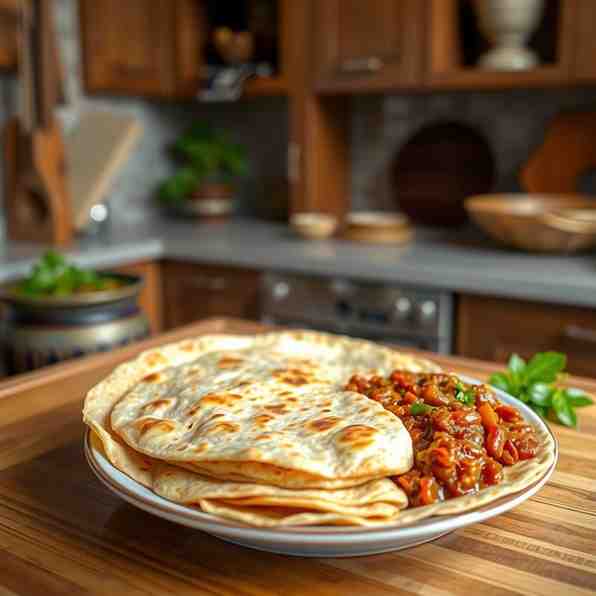
Ready to dive into some truly homemade cooking recipes? Get set for a flavor adventure with Kenyan Chapati and Maharagwe! This dynamic duo is a beloved comfort food in Kenya, bringing together soft, layered flatbread (chapati) with rich, saucy beans (maharagwe) cooked in a creamy coconut sauce. It's one of the most delicious recipes you'll add to your rotation, perfect for anyone looking for cooking at home recipes that are both satisfying and easy to master.
You might be thinking this looks like a weekend project, but it's surprisingly weeknight-friendly! While your chapati dough takes a well-deserved rest, allowing it to become super pliable, your hearty bean stew can gently simmer away. The result? A perfectly balanced meal that feels special without demanding hours of active time. This is a fantastic addition to any meal planner recipes list, offering a unique twist on your usual dinner routine.
Prepare your taste buds for a symphony of flavors: warm, inviting spices curry powder notes, a pleasant tang from fresh tomatoes, and the luxurious creaminess of coconut milk, all harmonizing with the pillowy chapati. It’s a truly fun meal recipe that promises both an engaging cooking experience and an incredibly rewarding plate. This homemade cooking recipe is destined to become one of your most popular recipes for good reason!
Ingredients
Directions
- Start the Maharagwe (Beans in Coconut Sauce) Heat 1 tablespoon of neutral or coconut oil in a medium pot or deep skillet over medium heat. Add the chopped onion and optional minced chili/jalapeño. Sauté for 5-7 minutes until the onion is very soft and translucent. Stir in the minced garlic and grated ginger and cook for another minute until fragrant. Add the ground cumin, turmeric, coriander, and your chosen curry powder or garam masala. Cook for 30 seconds, stirring constantly, to bloom the spices. Stir in the diced tomatoes (fresh or canned). Bring to a gentle simmer and cook for 8-10 minutes, stirring occasionally, until the tomatoes have broken down and the sauce has thickened slightly and is less watery.
- Add Coconut Milk and Gently Simmer Stir in the drained and rinsed kidney beans. Pour in the full-fat coconut milk. Reduce the heat to low and let it gently simmer, uncovered, for 15-20 minutes. The goal is for the sauce to become creamy and coat the beans beautifully. Stir occasionally to prevent sticking. Taste and adjust seasoning with salt, a pinch more spice if desired, or a squeeze of lemon for acidity. If using, stir in a small pinch of fenugreek seeds towards the end of simmering.
- Make the Chapati Dough While the maharagwe simmers, prepare your chapati dough. In a large mixing bowl, combine the all-purpose flour, salt, and optional sugar. Make a well in the center. Add 2 tablespoons of neutral oil and ¾ cup of hot water gradually, mixing with a spoon or your hands until a shaggy dough forms. Continue to knead the dough on a lightly floured surface for about 5-7 minutes until it's smooth, elastic, and no longer sticky. It should be soft but not overly wet.
- Rest the Dough (Don’t Skip!) This step is crucial for soft, pliable chapati! Place the kneaded dough back into the mixing bowl, cover it with a clean kitchen towel or plastic wrap, and let it rest at room temperature for at least 60 minutes, or up to 120 minutes. This rest allows the gluten to relax, making the dough much easier to roll out thinly and contributing to a wonderfully soft texture in the cooked chapati.
- Shape for Layers (Chapati Za Ngozi Technique) Divide your rested dough into 8-10 equal balls. On a lightly floured surface, take one dough ball and roll it out into a very thin circle, almost translucent – aim for about 6-8 inches in diameter. Don't worry if it tears a little; just patch it up. Brush the entire surface of the rolled-out dough with a thin layer of neutral oil. Starting from one edge, roll the oiled circle tightly into a rope. Then, coil the rope into a spiral, tucking the end underneath. Gently flatten this coiled dough with your palm. Repeat with the remaining dough balls.
- Cook the Chapati Heat a large skillet or cast iron pan over medium heat. You’ll know it’s ready when a drop of water sizzles and evaporates immediately. Lightly oil the pan if needed. Take one flattened coil and roll it out again into a thin circle, about 6-7 inches in diameter. Place it on the hot skillet. Cook for 1-2 minutes until you see small bubbles forming on the surface and golden-brown spots appear on the underside. Flip the chapati and cook for another 1-2 minutes on the second side until golden spots appear. As each chapati cooks, immediately stack them on a plate and cover them with a clean towel to trap steam and keep them soft. Repeat with the remaining chapati.
- Serve Ladle the warm, creamy maharagwe into bowls. Serve immediately with the freshly cooked, soft, layered chapati on the side. Tear off pieces of chapati to scoop up the delicious beans. Garnish with fresh cilantro or extra sliced chili if desired, and a squeeze of lemon can brighten the flavors beautifully.
Kenyan Chapati & Maharagwe - Delicious Homemade Cooking Recipes
- Serves: 4 People
- Prepare Time: 30 minutes
- Cooking Time: 45 minutes
- Calories: -
- Difficulty: Medium
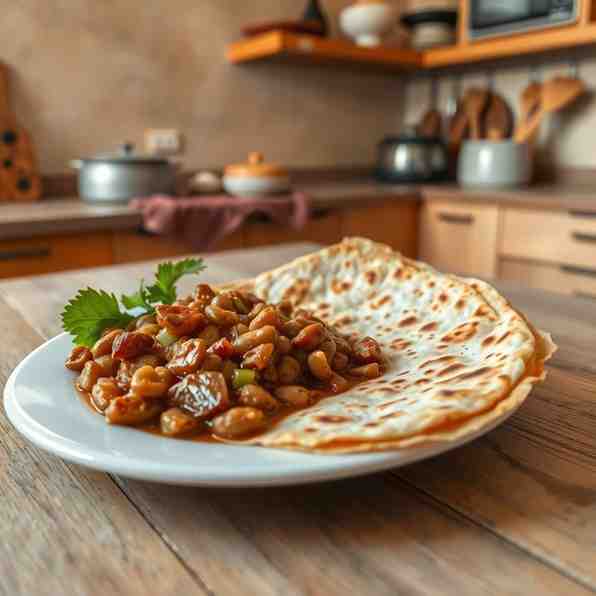
Ready to dive into some truly homemade cooking recipes? Get set for a flavor adventure with Kenyan Chapati and Maharagwe! This dynamic duo is a beloved comfort food in Kenya, bringing together soft, layered flatbread (chapati) with rich, saucy beans (maharagwe) cooked in a creamy coconut sauce. It's one of the most delicious recipes you'll add to your rotation, perfect for anyone looking for cooking at home recipes that are both satisfying and easy to master.
You might be thinking this looks like a weekend project, but it's surprisingly weeknight-friendly! While your chapati dough takes a well-deserved rest, allowing it to become super pliable, your hearty bean stew can gently simmer away. The result? A perfectly balanced meal that feels special without demanding hours of active time. This is a fantastic addition to any meal planner recipes list, offering a unique twist on your usual dinner routine.
Prepare your taste buds for a symphony of flavors: warm, inviting spices curry powder notes, a pleasant tang from fresh tomatoes, and the luxurious creaminess of coconut milk, all harmonizing with the pillowy chapati. It’s a truly fun meal recipe that promises both an engaging cooking experience and an incredibly rewarding plate. This homemade cooking recipe is destined to become one of your most popular recipes for good reason!
Ingredients
Directions
- Start the Maharagwe (Beans in Coconut Sauce) Heat 1 tablespoon of neutral or coconut oil in a medium pot or deep skillet over medium heat. Add the chopped onion and optional minced chili/jalapeño. Sauté for 5-7 minutes until the onion is very soft and translucent. Stir in the minced garlic and grated ginger and cook for another minute until fragrant. Add the ground cumin, turmeric, coriander, and your chosen curry powder or garam masala. Cook for 30 seconds, stirring constantly, to bloom the spices. Stir in the diced tomatoes (fresh or canned). Bring to a gentle simmer and cook for 8-10 minutes, stirring occasionally, until the tomatoes have broken down and the sauce has thickened slightly and is less watery.
- Add Coconut Milk and Gently Simmer Stir in the drained and rinsed kidney beans. Pour in the full-fat coconut milk. Reduce the heat to low and let it gently simmer, uncovered, for 15-20 minutes. The goal is for the sauce to become creamy and coat the beans beautifully. Stir occasionally to prevent sticking. Taste and adjust seasoning with salt, a pinch more spice if desired, or a squeeze of lemon for acidity. If using, stir in a small pinch of fenugreek seeds towards the end of simmering.
- Make the Chapati Dough While the maharagwe simmers, prepare your chapati dough. In a large mixing bowl, combine the all-purpose flour, salt, and optional sugar. Make a well in the center. Add 2 tablespoons of neutral oil and ¾ cup of hot water gradually, mixing with a spoon or your hands until a shaggy dough forms. Continue to knead the dough on a lightly floured surface for about 5-7 minutes until it's smooth, elastic, and no longer sticky. It should be soft but not overly wet.
- Rest the Dough (Don’t Skip!) This step is crucial for soft, pliable chapati! Place the kneaded dough back into the mixing bowl, cover it with a clean kitchen towel or plastic wrap, and let it rest at room temperature for at least 60 minutes, or up to 120 minutes. This rest allows the gluten to relax, making the dough much easier to roll out thinly and contributing to a wonderfully soft texture in the cooked chapati.
- Shape for Layers (Chapati Za Ngozi Technique) Divide your rested dough into 8-10 equal balls. On a lightly floured surface, take one dough ball and roll it out into a very thin circle, almost translucent – aim for about 6-8 inches in diameter. Don't worry if it tears a little; just patch it up. Brush the entire surface of the rolled-out dough with a thin layer of neutral oil. Starting from one edge, roll the oiled circle tightly into a rope. Then, coil the rope into a spiral, tucking the end underneath. Gently flatten this coiled dough with your palm. Repeat with the remaining dough balls.
- Cook the Chapati Heat a large skillet or cast iron pan over medium heat. You’ll know it’s ready when a drop of water sizzles and evaporates immediately. Lightly oil the pan if needed. Take one flattened coil and roll it out again into a thin circle, about 6-7 inches in diameter. Place it on the hot skillet. Cook for 1-2 minutes until you see small bubbles forming on the surface and golden-brown spots appear on the underside. Flip the chapati and cook for another 1-2 minutes on the second side until golden spots appear. As each chapati cooks, immediately stack them on a plate and cover them with a clean towel to trap steam and keep them soft. Repeat with the remaining chapati.
- Serve Ladle the warm, creamy maharagwe into bowls. Serve immediately with the freshly cooked, soft, layered chapati on the side. Tear off pieces of chapati to scoop up the delicious beans. Garnish with fresh cilantro or extra sliced chili if desired, and a squeeze of lemon can brighten the flavors beautifully.
You may also like




Hey there! I’m just someone who seriously loves good food and believes that cooking doesn’t have to be complicated to be amazing. Whether it’s a quick weeknight dinner or a cozy weekend meal, I’m all about sharing easy, tasty recipes that actually work.