
Homemade Guavaberry Liqueur - Best Caribbean Drinks Recipe
Homemade Guavaberry Liqueur - Best Caribbean Drinks Recipe
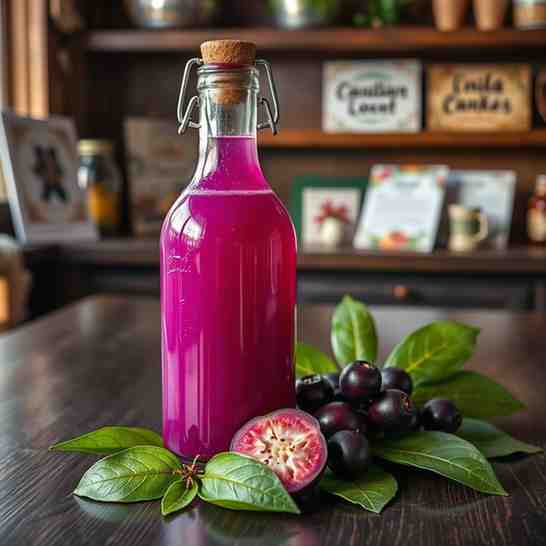
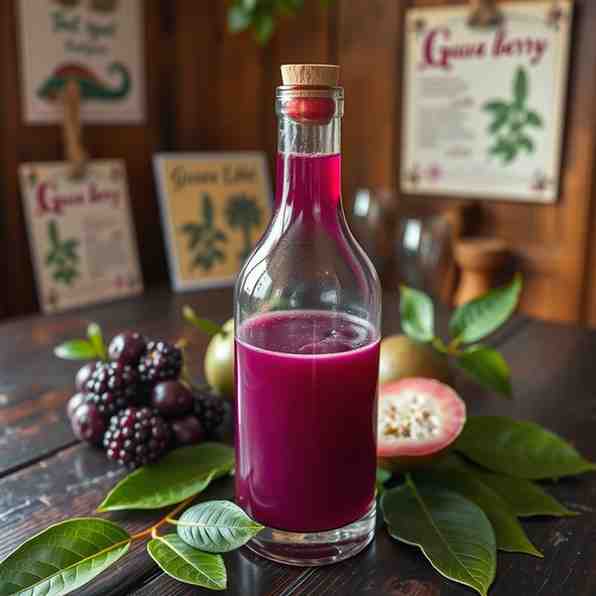
- Serves: 4 People
- Prepare Time: 20 minutes
- Cooking Time: 10 minutes
- Calories: -
- Difficulty: Easy
Ever dreamt of bottling the vibrant spirit of the Caribbean? With this easy-to-follow guide, you can create your very own homemade Guavaberry Rum, a delightful Caribbean fruit liqueur that’s a true taste of Sint Maarten! If you're looking for unique alcoholic drinks to make at home or want to explore authentic drinks from the Caribbean, you've landed in the right spot.
This recipe isn't just about making a drink; it's about crafting a little piece of tropical magic. Built on a base of rich rum, juicy fruit, and warm, inviting spices, our Guavaberry Liqueur is perfect for transforming ordinary cocktails into extraordinary experiences. Imagine the subtle sweetness and spiced warmth enhancing your favorite rum and fruit drinks, making every sip feel like a mini-vacation. It’s also an incredible, heartfelt gift for friends and family, and a fantastic addition to your repertoire of alcoholic drinks for parties. Get ready to elevate your home bar with this sweet, aromatic, and utterly irresistible concoction! Please remember to always drink responsibly and in moderation.
Guavaberry rum isn't just another infused spirit; it's a cherished cultural tradition, especially on the island of Sint Maarten / St. Martin. It’s a festive staple, particularly around the holidays, deeply woven into the island's heritage. The flavor profile is a beautiful symphony: bright, fruity notes from the guavaberries mingle with a comforting warmth from spices like allspice and cinnamon, all rounded out by the rich depth of rum. There’s often a subtle bitter-sweet edge that makes it incredibly complex and appealing.
So, what makes it a "liqueur" and not just "infused rum"? The key difference lies in the sweetening and resting process. While an infused rum might simply steep fruit in spirit, a liqueur involves adding sugar (often as a simple syrup) to create a sweeter, richer mouthfeel, and then allowing it to rest or "age" for a period. This resting mellows the flavors, allowing them to fully integrate and develop into a smooth, harmonious blend.
Ingredients
Directions
- Clean + Prep Your Jar and Bottles: Start by thoroughly washing and sanitizing a large, clean glass jar (at least 1-liter capacity) with a tight-fitting lid. You'll also want to clean and sanitize any bottles you plan to use for storage later. This ensures no unwanted bacteria interfere with your liqueur.
- Prep the Fruit: If using fresh guavaberries, wash them gently and pat them dry. To help release their flavors, lightly bruise the berries – you can do this by gently mashing them with the back of a spoon or a potato masher, just enough to break the skins without completely pulverizing them. If using frozen, let them thaw slightly and then bruise.
- Build the Infusion: Place the bruised guavaberries, warm spices, and citrus peel (if using) into your sanitized glass jar. Pour the rum over the top, ensuring all the fruit and spices are fully submerged. If anything floats, you can gently press it down or add a small, food-safe weight to keep it under the liquid. Seal the jar tightly.
- Steep + Taste Schedule: Store the jar in a cool, dark place. Give it a good shake every day or two to help distribute the flavors. Begin tasting after about 2 weeks. The infusion time can vary depending on the ripeness of your guavaberries and your desired flavor intensity, but typically ranges from 2-4 weeks.
- Strain + Filter: Once you're happy with the flavor, it's time to separate the solids. Line a fine-mesh strainer with a few layers of cheesecloth or a coffee filter. Place this over a clean bowl or pitcher. Pour the infused rum slowly through the filter to catch all the fruit pulp and spices. Squeeze any remaining liquid from the solids in the cheesecloth. For a clearer liqueur, you may need to strain it a second time with fresh cheesecloth or a new coffee filter.
- Sweeten to Liqueur Level: Now, let's make it a liqueur! In a small saucepan, combine the granulated sugar and water. Heat over medium heat, stirring constantly, until the sugar is completely dissolved and the mixture is clear. This is your simple syrup. Let it cool completely. Once cooled, gradually add the simple syrup to your strained guavaberry rum, tasting as you go. You want it sweet enough to be a liqueur, but not overly syrupy – find your perfect balance.
- Rest/Age: Once sweetened, pour your homemade guavaberry liqueur into your sanitized storage bottles. Seal them tightly. While it's tempting to dive right in, letting the liqueur rest for at least another 2-4 weeks (or even longer!) in a cool, dark place will dramatically improve its flavor. This aging period allows all the flavors to meld and mature, resulting in a smoother, more complex liqueur.
- How to Know It’s Done
- Taste/Texture Cues: Your guavaberry liqueur should be fruit-forward with a pleasant warmth from the spices, and the raw alcohol burn of the rum should be significantly mellowed. It should have a slightly viscous, sweet mouthfeel characteristic of a liqueur. The spice should be in the background, complementing the fruit, not overwhelming it.
- Clarity Cues: After filtering and resting, your liqueur should be reasonably clear. Some very fine sediment is normal in homemade liqueurs, especially those made with fruit. If it's excessively cloudy after filtering, you might need to re-filter it.
Homemade Guavaberry Liqueur - Best Caribbean Drinks Recipe
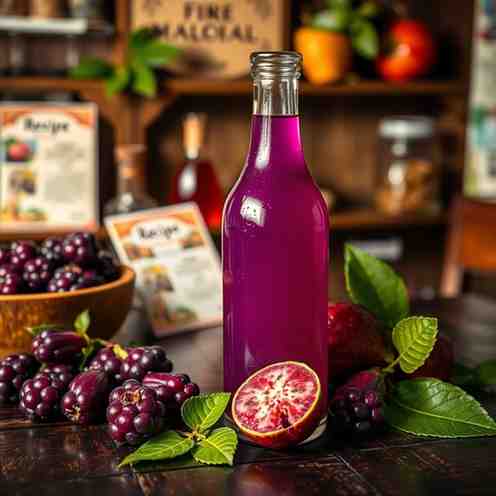
- Serves: 4 People
- Prepare Time: 20 minutes
- Cooking Time: 10 minutes
- Calories: -
- Difficulty: Easy
Ever dreamt of bottling the vibrant spirit of the Caribbean? With this easy-to-follow guide, you can create your very own homemade Guavaberry Rum, a delightful Caribbean fruit liqueur that’s a true taste of Sint Maarten! If you're looking for unique alcoholic drinks to make at home or want to explore authentic drinks from the Caribbean, you've landed in the right spot.
This recipe isn't just about making a drink; it's about crafting a little piece of tropical magic. Built on a base of rich rum, juicy fruit, and warm, inviting spices, our Guavaberry Liqueur is perfect for transforming ordinary cocktails into extraordinary experiences. Imagine the subtle sweetness and spiced warmth enhancing your favorite rum and fruit drinks, making every sip feel like a mini-vacation. It’s also an incredible, heartfelt gift for friends and family, and a fantastic addition to your repertoire of alcoholic drinks for parties. Get ready to elevate your home bar with this sweet, aromatic, and utterly irresistible concoction! Please remember to always drink responsibly and in moderation.
Guavaberry rum isn't just another infused spirit; it's a cherished cultural tradition, especially on the island of Sint Maarten / St. Martin. It’s a festive staple, particularly around the holidays, deeply woven into the island's heritage. The flavor profile is a beautiful symphony: bright, fruity notes from the guavaberries mingle with a comforting warmth from spices like allspice and cinnamon, all rounded out by the rich depth of rum. There’s often a subtle bitter-sweet edge that makes it incredibly complex and appealing.
So, what makes it a "liqueur" and not just "infused rum"? The key difference lies in the sweetening and resting process. While an infused rum might simply steep fruit in spirit, a liqueur involves adding sugar (often as a simple syrup) to create a sweeter, richer mouthfeel, and then allowing it to rest or "age" for a period. This resting mellows the flavors, allowing them to fully integrate and develop into a smooth, harmonious blend.
Ingredients
Directions
- Clean + Prep Your Jar and Bottles: Start by thoroughly washing and sanitizing a large, clean glass jar (at least 1-liter capacity) with a tight-fitting lid. You'll also want to clean and sanitize any bottles you plan to use for storage later. This ensures no unwanted bacteria interfere with your liqueur.
- Prep the Fruit: If using fresh guavaberries, wash them gently and pat them dry. To help release their flavors, lightly bruise the berries – you can do this by gently mashing them with the back of a spoon or a potato masher, just enough to break the skins without completely pulverizing them. If using frozen, let them thaw slightly and then bruise.
- Build the Infusion: Place the bruised guavaberries, warm spices, and citrus peel (if using) into your sanitized glass jar. Pour the rum over the top, ensuring all the fruit and spices are fully submerged. If anything floats, you can gently press it down or add a small, food-safe weight to keep it under the liquid. Seal the jar tightly.
- Steep + Taste Schedule: Store the jar in a cool, dark place. Give it a good shake every day or two to help distribute the flavors. Begin tasting after about 2 weeks. The infusion time can vary depending on the ripeness of your guavaberries and your desired flavor intensity, but typically ranges from 2-4 weeks.
- Strain + Filter: Once you're happy with the flavor, it's time to separate the solids. Line a fine-mesh strainer with a few layers of cheesecloth or a coffee filter. Place this over a clean bowl or pitcher. Pour the infused rum slowly through the filter to catch all the fruit pulp and spices. Squeeze any remaining liquid from the solids in the cheesecloth. For a clearer liqueur, you may need to strain it a second time with fresh cheesecloth or a new coffee filter.
- Sweeten to Liqueur Level: Now, let's make it a liqueur! In a small saucepan, combine the granulated sugar and water. Heat over medium heat, stirring constantly, until the sugar is completely dissolved and the mixture is clear. This is your simple syrup. Let it cool completely. Once cooled, gradually add the simple syrup to your strained guavaberry rum, tasting as you go. You want it sweet enough to be a liqueur, but not overly syrupy – find your perfect balance.
- Rest/Age: Once sweetened, pour your homemade guavaberry liqueur into your sanitized storage bottles. Seal them tightly. While it's tempting to dive right in, letting the liqueur rest for at least another 2-4 weeks (or even longer!) in a cool, dark place will dramatically improve its flavor. This aging period allows all the flavors to meld and mature, resulting in a smoother, more complex liqueur.
- How to Know It’s Done
- Taste/Texture Cues: Your guavaberry liqueur should be fruit-forward with a pleasant warmth from the spices, and the raw alcohol burn of the rum should be significantly mellowed. It should have a slightly viscous, sweet mouthfeel characteristic of a liqueur. The spice should be in the background, complementing the fruit, not overwhelming it.
- Clarity Cues: After filtering and resting, your liqueur should be reasonably clear. Some very fine sediment is normal in homemade liqueurs, especially those made with fruit. If it's excessively cloudy after filtering, you might need to re-filter it.
You may also like

Hey there! I’m just someone who seriously loves good food and believes that cooking doesn’t have to be complicated to be amazing. Whether it’s a quick weeknight dinner or a cozy weekend meal, I’m all about sharing easy, tasty recipes that actually work.



