
Bake Homemade Kubaneh - Jewish Egg Bread
Bake Homemade Kubaneh - Jewish Egg Bread
- Serves: 8 People
- Prepare Time: 45 minutes
- Cooking Time: 8-12 hours
- Calories: -
- Difficulty: Medium
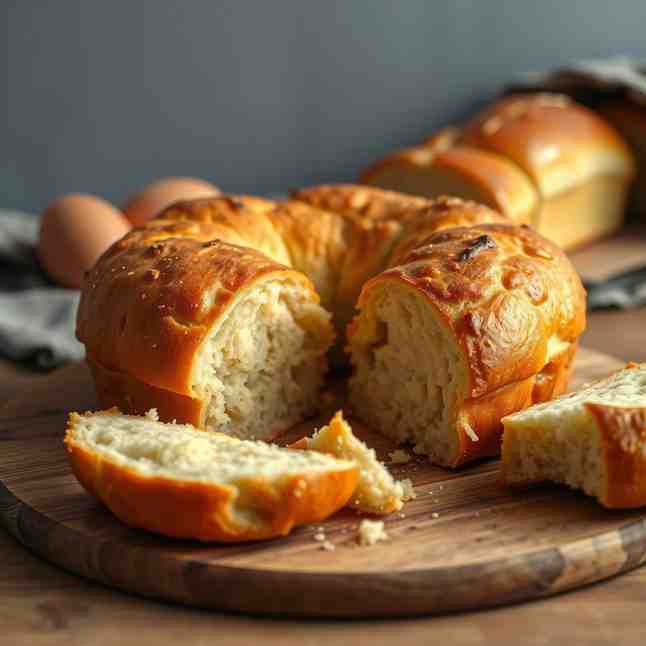
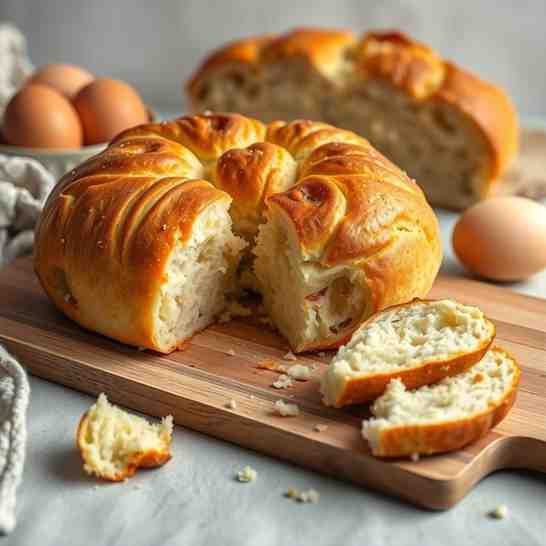
Get ready to transform your Shabbat breakfast with homemade Kubaneh, the ultimate Yemeni Jewish egg bread! Imagine a fluffy, pull-apart pot bread, baked low and slow overnight, emerging golden and caramelized, ready to be torn into and dipped in fresh grated tomato and a fiery zhug. If you've ever dreamt of baking your own bread, but thought it was too complicated, good news: if you can make dinner rolls, you absolutely can make Kubaneh.
So, what exactly is Kubaneh? It's a traditional Yemeni Jewish overnight pot bread enjoyed for Shabbat breakfast. This isn't just any bread; it's a rich, buttery, and slightly sweet pull-apart delight with an incredible texture that melts in your mouth. While the baking takes its sweet time (mostly overnight, hands-off!), the active prep time is surprisingly quick. You'll need about 45 minutes of active work, followed by a first rise, and then the long, slow bake. The best pan for this magic? A lidded heavy pot or Dutch oven, though we'll show you alternatives too! Get ready to explore this unique bread, learn its secrets, and bring an incredible tradition to your table.
Ingredients
Directions
- Prep Your Yeast: If using instant yeast, you can mix it directly with the flour. If using active dry yeast, first bloom it: combine the warm water, sugar, and yeast in a large bowl. Let it sit for 5-10 minutes until foamy.
- Mix the Dough: In a large bowl (or stand mixer bowl), combine the flour and salt. If blooming yeast, add the yeast mixture and melted butter to the flour. If using instant yeast, add the yeast, sugar, water, and melted butter to the flour. Mix with a spoon or your hands until a shaggy, sticky mass forms.
- Knead to Smooth: Turn the dough out onto a lightly floured surface. Knead by hand for 8-10 minutes, or use a stand mixer with a dough hook on medium-low speed for 6-8 minutes, until the dough is smooth, elastic, and passes the windowpane test (you can stretch a small piece thin enough to see light through it without tearing).
- First Rise: Lightly grease your mixing bowl with a little oil or butter. Place the dough in the bowl, turning to coat. Cover with plastic wrap or a damp towel and let it rise in a warm place for 1-1.5 hours, or until it has visibly doubled in size.
- Divide + Shape: Gently punch down the risen dough. Divide it into 8-10 equal pieces (about 100-120g each if using a scale). On a lightly floured surface, gently flatten each piece into a disk, then roll it up tightly into a ball, tucking the seams underneath to create a smooth surface.
- Butter-fill + Arrange in Pot: Generously grease a 9-inch lidded pot, Dutch oven, or deep cake pan with butter. Melt an additional 2-3 tablespoons of butter. Dip each dough ball into the melted butter, coating it completely. Arrange the buttered dough balls snugly in the prepared pan, leaving a small space between them. You can arrange them in a circular pattern or rows. If using optional eggs-in-shell, nestle them carefully between the dough balls.
- Second Rise in Pan: Cover the pot tightly with its lid or heavy-duty foil. Let the dough rise in a warm place for another 45-60 minutes, or until the dough has expanded and almost fills the pan, but be careful not to let it overflow!
- Bake - Initial Heat: Preheat your oven to 375°F (190°C). Place the covered pot in the preheated oven for 15-20 minutes. This initial high heat helps to set the bread's structure.
- Long Low Bake: Reduce the oven temperature to 200°F (95°C). Continue to bake for 8-12 hours (or overnight). The long, low bake creates a moist, tender crumb and allows for beautiful caramelization on the bottom without burning. Oven realities vary, so check your bread towards the end of the suggested range.
- Rest + Unmold: Once baked, remove the pot from the oven. Let it rest, still covered, for at least 15-30 minutes. This allows the bread to cool slightly and the moisture to redistribute. To prevent a soggy crust, briefly remove the lid after resting, then carefully invert the pot onto a serving platter.
- How to Serve: Kubaneh is traditionally served by tearing off individual pieces, rather than slicing. Serve immediately while warm.
- Quick serving accompaniments (not full recipes):
- 2-Minute Grated Tomato Dip: Grate a ripe tomato into a small bowl. Season with a pinch of salt and pepper. For a kick, add a tiny bit of zhug (Yemenite hot sauce).
- Optional Eggs: If you baked eggs alongside, they'll be perfectly jammy or hard-boiled, ready to enjoy with the bread.
Bake Homemade Kubaneh - Jewish Egg Bread
- Serves: 8 People
- Prepare Time: 45 minutes
- Cooking Time: 8-12 hours
- Calories: -
- Difficulty: Medium
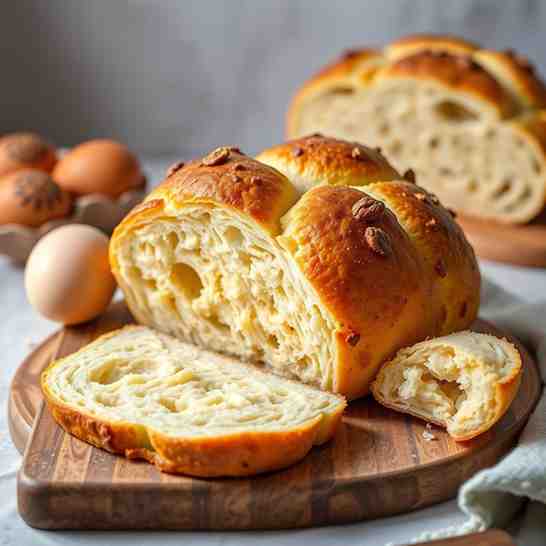
Get ready to transform your Shabbat breakfast with homemade Kubaneh, the ultimate Yemeni Jewish egg bread! Imagine a fluffy, pull-apart pot bread, baked low and slow overnight, emerging golden and caramelized, ready to be torn into and dipped in fresh grated tomato and a fiery zhug. If you've ever dreamt of baking your own bread, but thought it was too complicated, good news: if you can make dinner rolls, you absolutely can make Kubaneh.
So, what exactly is Kubaneh? It's a traditional Yemeni Jewish overnight pot bread enjoyed for Shabbat breakfast. This isn't just any bread; it's a rich, buttery, and slightly sweet pull-apart delight with an incredible texture that melts in your mouth. While the baking takes its sweet time (mostly overnight, hands-off!), the active prep time is surprisingly quick. You'll need about 45 minutes of active work, followed by a first rise, and then the long, slow bake. The best pan for this magic? A lidded heavy pot or Dutch oven, though we'll show you alternatives too! Get ready to explore this unique bread, learn its secrets, and bring an incredible tradition to your table.
Ingredients
Directions
- Prep Your Yeast: If using instant yeast, you can mix it directly with the flour. If using active dry yeast, first bloom it: combine the warm water, sugar, and yeast in a large bowl. Let it sit for 5-10 minutes until foamy.
- Mix the Dough: In a large bowl (or stand mixer bowl), combine the flour and salt. If blooming yeast, add the yeast mixture and melted butter to the flour. If using instant yeast, add the yeast, sugar, water, and melted butter to the flour. Mix with a spoon or your hands until a shaggy, sticky mass forms.
- Knead to Smooth: Turn the dough out onto a lightly floured surface. Knead by hand for 8-10 minutes, or use a stand mixer with a dough hook on medium-low speed for 6-8 minutes, until the dough is smooth, elastic, and passes the windowpane test (you can stretch a small piece thin enough to see light through it without tearing).
- First Rise: Lightly grease your mixing bowl with a little oil or butter. Place the dough in the bowl, turning to coat. Cover with plastic wrap or a damp towel and let it rise in a warm place for 1-1.5 hours, or until it has visibly doubled in size.
- Divide + Shape: Gently punch down the risen dough. Divide it into 8-10 equal pieces (about 100-120g each if using a scale). On a lightly floured surface, gently flatten each piece into a disk, then roll it up tightly into a ball, tucking the seams underneath to create a smooth surface.
- Butter-fill + Arrange in Pot: Generously grease a 9-inch lidded pot, Dutch oven, or deep cake pan with butter. Melt an additional 2-3 tablespoons of butter. Dip each dough ball into the melted butter, coating it completely. Arrange the buttered dough balls snugly in the prepared pan, leaving a small space between them. You can arrange them in a circular pattern or rows. If using optional eggs-in-shell, nestle them carefully between the dough balls.
- Second Rise in Pan: Cover the pot tightly with its lid or heavy-duty foil. Let the dough rise in a warm place for another 45-60 minutes, or until the dough has expanded and almost fills the pan, but be careful not to let it overflow!
- Bake - Initial Heat: Preheat your oven to 375°F (190°C). Place the covered pot in the preheated oven for 15-20 minutes. This initial high heat helps to set the bread's structure.
- Long Low Bake: Reduce the oven temperature to 200°F (95°C). Continue to bake for 8-12 hours (or overnight). The long, low bake creates a moist, tender crumb and allows for beautiful caramelization on the bottom without burning. Oven realities vary, so check your bread towards the end of the suggested range.
- Rest + Unmold: Once baked, remove the pot from the oven. Let it rest, still covered, for at least 15-30 minutes. This allows the bread to cool slightly and the moisture to redistribute. To prevent a soggy crust, briefly remove the lid after resting, then carefully invert the pot onto a serving platter.
- How to Serve: Kubaneh is traditionally served by tearing off individual pieces, rather than slicing. Serve immediately while warm.
- Quick serving accompaniments (not full recipes):
- 2-Minute Grated Tomato Dip: Grate a ripe tomato into a small bowl. Season with a pinch of salt and pepper. For a kick, add a tiny bit of zhug (Yemenite hot sauce).
- Optional Eggs: If you baked eggs alongside, they'll be perfectly jammy or hard-boiled, ready to enjoy with the bread.
You may also like




Hey there! I’m just someone who seriously loves good food and believes that cooking doesn’t have to be complicated to be amazing. Whether it’s a quick weeknight dinner or a cozy weekend meal, I’m all about sharing easy, tasty recipes that actually work.