
Bake the Best Homemade Potato Bread - Fluffy & Fresh
Bake the Best Homemade Potato Bread - Fluffy & Fresh

- Serves: 10 People
- Prepare Time: 45 minutes
- Cooking Time: 35-40 minut
- Calories: -
- Difficulty: Medium
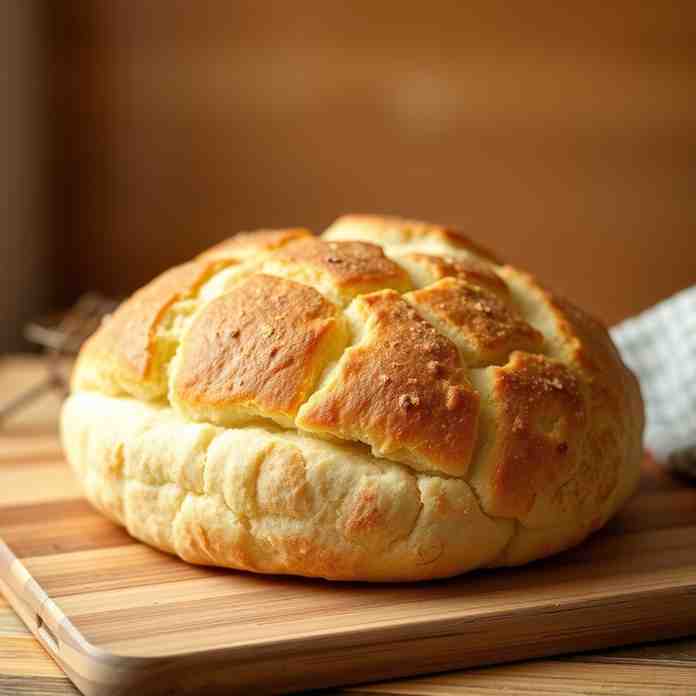
Ever dreamt of baking a loaf of bread that's so soft, so fluffy, and so utterly delicious it practically melts in your mouth? Well, get ready to make that dream a reality with our homemade potato bread recipe! This isn't just any bread; the secret ingredient – humble potatoes – makes all the difference, creating an incredibly tender crumb and ensuring your loaf stays fresh and moist for longer. Whether you're a seasoned baker or just starting your journey into the wonderful world of yeast, this easy potato bread recipe is designed to guide you every step of the way. Say goodbye to dry, crumbly loaves and hello to the most comforting, fluffy potato bread you'll ever taste. Get ready to impress your family and friends with this timeless classic!
Ingredients
Directions
- Preparing the Potato Mash Peel and cube your potato, then place it in a small saucepan and cover with water. Bring to a boil and cook until the potato is fork-tender, about 10-15 minutes. Drain the potatoes thoroughly and return them to the hot pan. Mash them until completely smooth, ensuring no lumps remain. While still warm, stir in the 1/2 cup of warm milk until fully incorporated. Set aside to cool to lukewarm. This step is crucial for that signature soft texture!
- Making the Dough In a large mixing bowl (or the bowl of a stand mixer fitted with the dough hook), combine the warm water, yeast, and sugar. Let it sit for 5-10 minutes until foamy – this confirms your yeast is active! Once foamy, add the cooled potato mash, softened butter, egg, and salt to the bowl. Mix well until everything is combined. Gradually add 3 cups of the flour, mixing on low speed (or with a wooden spoon) until a shaggy dough forms.
- Kneading the Dough If using a stand mixer, switch to medium speed and gradually add the remaining 1/2 to 1 cup of flour, a little at a time, until the dough comes together and pulls away from the sides of the bowl. Knead for 7-10 minutes until the dough is smooth, elastic, and slightly tacky to the touch. It shouldn't be overly sticky or dry. If kneading by hand, turn the dough out onto a lightly floured surface and knead for 10-15 minutes, adding small amounts of flour only if necessary, until it reaches the desired smooth, elastic consistency.
- First Rise Lightly grease a large bowl with a little oil. Place the kneaded dough into the bowl, turning it once to coat the top. Cover the bowl tightly with plastic wrap or a clean kitchen towel. Let the dough rise in a warm, draft-free place for 1 to 1.5 hours, or until it has doubled in size. A warm oven (turned off, with just the light on) or a sunny spot on your counter works perfectly.
- Shaping the Dough Once the dough has doubled, gently punch it down to release the air. Turn the dough out onto a lightly floured surface. Flatten the dough into a rectangle, about 9x12 inches. Starting from one of the longer sides, tightly roll up the dough into a log. Pinch the seam closed and tuck the ends underneath to create a neat loaf shape.
- Second Rise Lightly grease a 9x5-inch loaf pan. Place the shaped dough seam-side down into the prepared pan. Cover the pan loosely with plastic wrap or a clean kitchen towel. Let the dough rise again in a warm place for another 30-45 minutes, or until it has nearly doubled in size and looks puffy. Don't let it over-proof!
- Baking While the dough is on its second rise, preheat your oven to 375°F (190°C). Once the dough is ready, place the loaf pan in the preheated oven. Bake for 35-40 minutes, or until the crust is golden brown and the internal temperature reaches 200-210°F (93-99°C) with an instant-read thermometer. If you don't have a thermometer, tap the bottom of the loaf – it should sound hollow. If the top browns too quickly, you can loosely tent it with foil during the last 10-15 minutes of baking. Remove the loaf from the oven and immediately turn it out onto a wire rack to cool completely before slicing. This prevents the bottom from becoming soggy.
Bake the Best Homemade Potato Bread - Fluffy & Fresh
- Serves: 10 People
- Prepare Time: 45 minutes
- Cooking Time: 35-40 minut
- Calories: -
- Difficulty: Medium
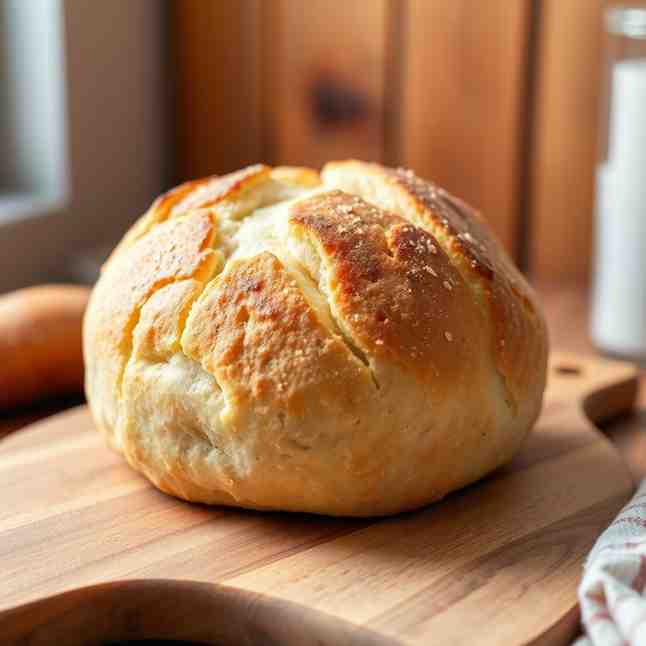
Ever dreamt of baking a loaf of bread that's so soft, so fluffy, and so utterly delicious it practically melts in your mouth? Well, get ready to make that dream a reality with our homemade potato bread recipe! This isn't just any bread; the secret ingredient – humble potatoes – makes all the difference, creating an incredibly tender crumb and ensuring your loaf stays fresh and moist for longer. Whether you're a seasoned baker or just starting your journey into the wonderful world of yeast, this easy potato bread recipe is designed to guide you every step of the way. Say goodbye to dry, crumbly loaves and hello to the most comforting, fluffy potato bread you'll ever taste. Get ready to impress your family and friends with this timeless classic!
Ingredients
Directions
- Preparing the Potato Mash Peel and cube your potato, then place it in a small saucepan and cover with water. Bring to a boil and cook until the potato is fork-tender, about 10-15 minutes. Drain the potatoes thoroughly and return them to the hot pan. Mash them until completely smooth, ensuring no lumps remain. While still warm, stir in the 1/2 cup of warm milk until fully incorporated. Set aside to cool to lukewarm. This step is crucial for that signature soft texture!
- Making the Dough In a large mixing bowl (or the bowl of a stand mixer fitted with the dough hook), combine the warm water, yeast, and sugar. Let it sit for 5-10 minutes until foamy – this confirms your yeast is active! Once foamy, add the cooled potato mash, softened butter, egg, and salt to the bowl. Mix well until everything is combined. Gradually add 3 cups of the flour, mixing on low speed (or with a wooden spoon) until a shaggy dough forms.
- Kneading the Dough If using a stand mixer, switch to medium speed and gradually add the remaining 1/2 to 1 cup of flour, a little at a time, until the dough comes together and pulls away from the sides of the bowl. Knead for 7-10 minutes until the dough is smooth, elastic, and slightly tacky to the touch. It shouldn't be overly sticky or dry. If kneading by hand, turn the dough out onto a lightly floured surface and knead for 10-15 minutes, adding small amounts of flour only if necessary, until it reaches the desired smooth, elastic consistency.
- First Rise Lightly grease a large bowl with a little oil. Place the kneaded dough into the bowl, turning it once to coat the top. Cover the bowl tightly with plastic wrap or a clean kitchen towel. Let the dough rise in a warm, draft-free place for 1 to 1.5 hours, or until it has doubled in size. A warm oven (turned off, with just the light on) or a sunny spot on your counter works perfectly.
- Shaping the Dough Once the dough has doubled, gently punch it down to release the air. Turn the dough out onto a lightly floured surface. Flatten the dough into a rectangle, about 9x12 inches. Starting from one of the longer sides, tightly roll up the dough into a log. Pinch the seam closed and tuck the ends underneath to create a neat loaf shape.
- Second Rise Lightly grease a 9x5-inch loaf pan. Place the shaped dough seam-side down into the prepared pan. Cover the pan loosely with plastic wrap or a clean kitchen towel. Let the dough rise again in a warm place for another 30-45 minutes, or until it has nearly doubled in size and looks puffy. Don't let it over-proof!
- Baking While the dough is on its second rise, preheat your oven to 375°F (190°C). Once the dough is ready, place the loaf pan in the preheated oven. Bake for 35-40 minutes, or until the crust is golden brown and the internal temperature reaches 200-210°F (93-99°C) with an instant-read thermometer. If you don't have a thermometer, tap the bottom of the loaf – it should sound hollow. If the top browns too quickly, you can loosely tent it with foil during the last 10-15 minutes of baking. Remove the loaf from the oven and immediately turn it out onto a wire rack to cool completely before slicing. This prevents the bottom from becoming soggy.
You may also like



Hey there! I’m just someone who seriously loves good food and believes that cooking doesn’t have to be complicated to be amazing. Whether it’s a quick weeknight dinner or a cozy weekend meal, I’m all about sharing easy, tasty recipes that actually work.