
Homemade Steamed Bread - Ujeqe Recipe
Homemade Steamed Bread - Ujeqe Recipe
- Serves: 6 People
- Prepare Time: 20 minutes
- Cooking Time: 50 minutes
- Calories: -
- Difficulty: Medium
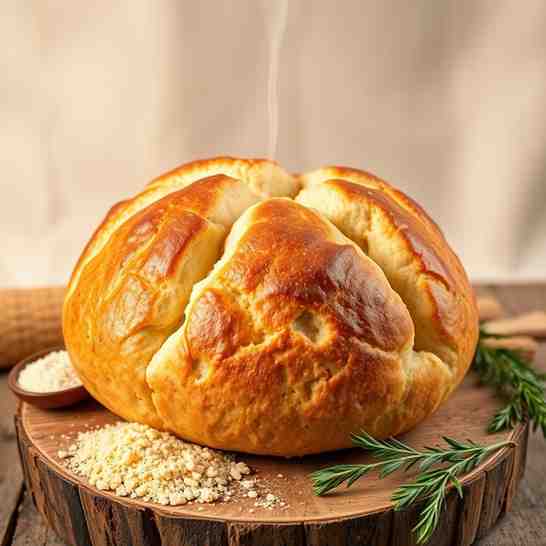
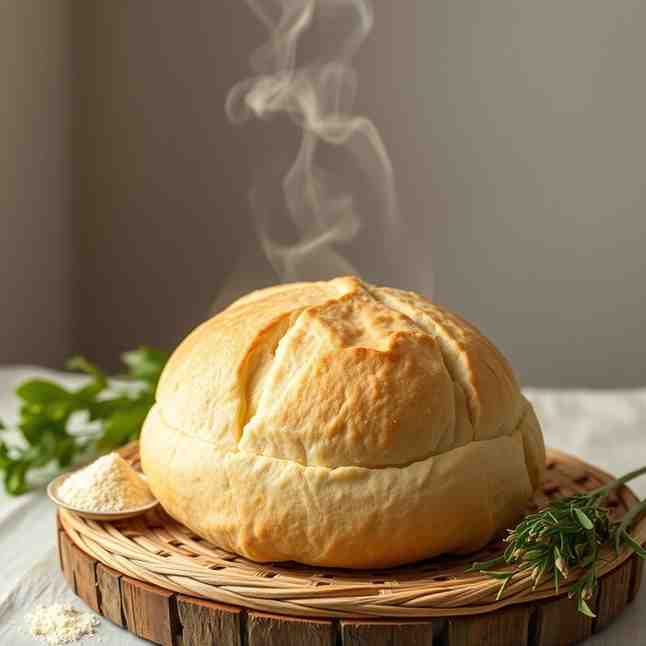
Craving that ultimate comfort food: a homemade recipe for bread that's wonderfully soft, steamy, and just begging to soak up every last drop of your favorite stew? Look no further than Ujeqe! This traditional South African steamed bread, often called Zulu bread, is a revelation. Forget the oven – this fluffy, tender loaf comes together beautifully on your stovetop, making it an accessible and incredibly rewarding bread making bread experience for everyone.
What makes Ujeqe so special? It’s its unique texture: incredibly soft, with a delicate chew, and a lovely steamy warmth that's unlike any oven-baked bread. It’s the perfect companion for rich, flavorful stews and gravies, turning any meal into a hearty, comforting feast. You're about to discover an easy recipe bread that delivers big on flavor and texture.
We know the thought of steaming bread might sound tricky, but don't worry! We're going to walk you through exactly how to achieve that perfect fluffy, airy crumb, ensuring your Ujeqe is never dense or gummy. Get ready to impress yourself and your family with this delightful bread recipe best for pairing with saucy dishes. Let's get steaming!
Time: Prep: 20 mins | Rise: 2 hours | Steam: 50 mins
Yield: 1 medium loaf (serves 6-8)
Skill Level: Medium (easy for those familiar with yeast doughs)
What it tastes like: Soft, subtly sweet, slightly yeasty, with a moist, fluffy crumb.
What to serve it with: Stews, gravies, curries, chakalaka, braised meats.
One-sentence definition: Ujeqe is a yeasted bread steamed in a covered pot, resulting in a uniquely soft and tender texture.
At its heart, Ujeqe (pronounced "oo-jeh-keh") is simply steamed bread. It's a staple in many South African homes, particularly within Zulu culture, prized for its incredibly soft texture and ability to absorb delicious gravies. It's often steamed in a heatproof bowl or individual ramekins placed inside a larger pot with simmering water.
You might also hear the term "dombolo," and while they're often used interchangeably, there can be a slight distinction. "Dombolo" is sometimes used more broadly to refer to various steamed dumplings or breads. In some traditions, dombolo might be cooked directly on top of a stew, allowing it to soak up flavors while it steams. Ujeqe, on the other hand, typically refers to a standalone steamed bread, often cooked in a separate container within the pot. Think of ujeqe as a specific type of dombolo, known for its fluffy, bread-like consistency. Both are delicious and comforting!
Ingredients
Directions
- Activate yeast (if needed): In a large mixing bowl, combine the lukewarm water, sugar, and active dry yeast. Give it a gentle stir. Let it sit for 5-10 minutes until it looks foamy and bubbly on top. This "foam" means your active yeast for bread is alive and ready to work! If it doesn't foam, your yeast might be old or the water temperature was off, and you'll need to start again with new yeast.
- Mix + knead: Add the flour, salt, and 2 tablespoons of vegetable oil to the yeast mixture. If using, add the optional pinch of spice. Stir with a wooden spoon or your hands until a shaggy dough forms. Turn the dough out onto a lightly floured surface and knead for 8-10 minutes. The dough should transform from sticky to smooth, elastic, and slightly tacky but not sticky. It should spring back slowly when poked.
- First rise: Lightly grease a clean bowl with a little oil. Place the dough in the bowl, turning it once to coat. Cover the bowl tightly with plastic wrap or a clean kitchen towel. Let it rise in a warm, draft-free place for 1 to 1½ hours, or until it has roughly doubled in size. You'll know it's ready when you gently poke it with a floured finger, and the indentation remains.
- Shape + second rise: Gently punch down the risen dough to release the air. Briefly knead it a few times on a lightly floured surface to form a smooth, round ball. Lightly grease your heatproof steaming bowl with oil. Place the dough ball into the greased steaming bowl. Cover it loosely with plastic wrap or a clean towel and let it rise for another 30-45 minutes, or until it looks visibly puffy and slightly larger.
- Set up the steamer pot (the make-or-break part): This is where we ensure your recipes for soft bread truly shine! Place your rack or foil ring at the bottom of your large pot. Pour about 1-2 inches of water into the pot – enough water so it doesn't evaporate completely during steaming, but not so much that it touches the bottom of your steaming bowl. Bring the water to a gentle simmer over medium heat. While it heats, wrap the lid of your large pot with a clean kitchen towel (this absorbs condensation and prevents drips onto your bread).
- Steam: Carefully place the steaming bowl with your dough onto the rack in the simmering pot. Cover the pot tightly with the towel-wrapped lid. Reduce the heat to medium-low to maintain a steady, gentle simmer – you don't want a rolling boil that might splash. Steam for 50 minutes to 1 hour.
- Crucially, resist the urge to open the lid during steaming! Opening the lid releases the steam and can cause your bread to deflate or become dense.
- Check doneness: After the steaming time, carefully remove the lid (beware of hot steam!). The Ujeqe should look puffy, light, and golden on top. To confirm doneness, gently press the top – it should spring back. For an extra check, you can insert a wooden skewer into the center; it should come out clean. An optional internal temperature check should read around 200-210°F (93-99°C).
- Cool + slice: Carefully remove the steaming bowl from the pot (it will be hot!). Let the Ujeqe cool in the bowl for about 5-10 minutes. This short cooling period helps the crumb set and makes it easier to remove. Then, invert the bread onto a wire rack to cool slightly more before slicing and serving. Enjoy your delicious recipes on how to make bread!
- How to Serve Ujeqe (Pairing ideas)Ujeqe is truly at its best when paired with something saucy! Its soft, absorbent texture makes it the ideal companion for soaking up rich flavors.
- Beef Stew or Pot Roast: A classic pairing, especially with a hearty gravy.
- Chicken Curry: The bread perfectly balances the spices and soaks up the creamy sauce.
- Chakalaka: A vibrant South African vegetable relish, which offers a delicious contrast.
- Bean Stews: Like sugar beans (bhonsisi) or any lentil or bean-based stew.
- Braised Lamb or Oxtail: The tender meat and rich sauce are a match made in heaven with Ujeqe.
- Any creamy or tomato-based sauce: Don't limit yourself! If it has a sauce, Ujeqe will love it.
Homemade Steamed Bread - Ujeqe Recipe
- Serves: 6 People
- Prepare Time: 20 minutes
- Cooking Time: 50 minutes
- Calories: -
- Difficulty: Medium
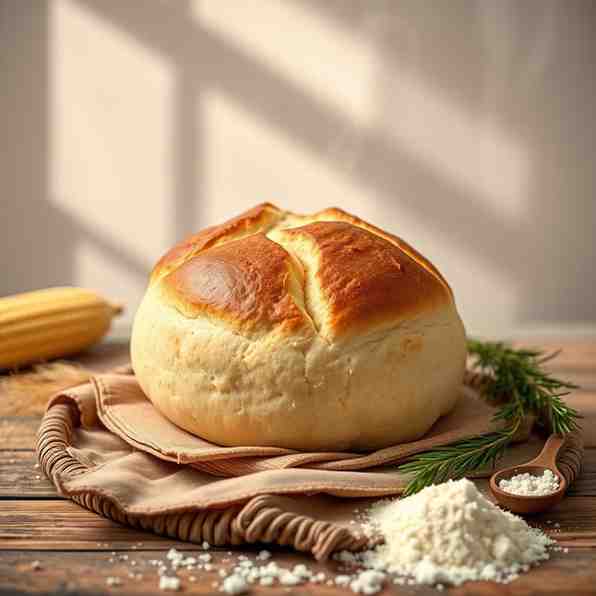
Craving that ultimate comfort food: a homemade recipe for bread that's wonderfully soft, steamy, and just begging to soak up every last drop of your favorite stew? Look no further than Ujeqe! This traditional South African steamed bread, often called Zulu bread, is a revelation. Forget the oven – this fluffy, tender loaf comes together beautifully on your stovetop, making it an accessible and incredibly rewarding bread making bread experience for everyone.
What makes Ujeqe so special? It’s its unique texture: incredibly soft, with a delicate chew, and a lovely steamy warmth that's unlike any oven-baked bread. It’s the perfect companion for rich, flavorful stews and gravies, turning any meal into a hearty, comforting feast. You're about to discover an easy recipe bread that delivers big on flavor and texture.
We know the thought of steaming bread might sound tricky, but don't worry! We're going to walk you through exactly how to achieve that perfect fluffy, airy crumb, ensuring your Ujeqe is never dense or gummy. Get ready to impress yourself and your family with this delightful bread recipe best for pairing with saucy dishes. Let's get steaming!
Time: Prep: 20 mins | Rise: 2 hours | Steam: 50 mins
Yield: 1 medium loaf (serves 6-8)
Skill Level: Medium (easy for those familiar with yeast doughs)
What it tastes like: Soft, subtly sweet, slightly yeasty, with a moist, fluffy crumb.
What to serve it with: Stews, gravies, curries, chakalaka, braised meats.
One-sentence definition: Ujeqe is a yeasted bread steamed in a covered pot, resulting in a uniquely soft and tender texture.
At its heart, Ujeqe (pronounced "oo-jeh-keh") is simply steamed bread. It's a staple in many South African homes, particularly within Zulu culture, prized for its incredibly soft texture and ability to absorb delicious gravies. It's often steamed in a heatproof bowl or individual ramekins placed inside a larger pot with simmering water.
You might also hear the term "dombolo," and while they're often used interchangeably, there can be a slight distinction. "Dombolo" is sometimes used more broadly to refer to various steamed dumplings or breads. In some traditions, dombolo might be cooked directly on top of a stew, allowing it to soak up flavors while it steams. Ujeqe, on the other hand, typically refers to a standalone steamed bread, often cooked in a separate container within the pot. Think of ujeqe as a specific type of dombolo, known for its fluffy, bread-like consistency. Both are delicious and comforting!
Ingredients
Directions
- Activate yeast (if needed): In a large mixing bowl, combine the lukewarm water, sugar, and active dry yeast. Give it a gentle stir. Let it sit for 5-10 minutes until it looks foamy and bubbly on top. This "foam" means your active yeast for bread is alive and ready to work! If it doesn't foam, your yeast might be old or the water temperature was off, and you'll need to start again with new yeast.
- Mix + knead: Add the flour, salt, and 2 tablespoons of vegetable oil to the yeast mixture. If using, add the optional pinch of spice. Stir with a wooden spoon or your hands until a shaggy dough forms. Turn the dough out onto a lightly floured surface and knead for 8-10 minutes. The dough should transform from sticky to smooth, elastic, and slightly tacky but not sticky. It should spring back slowly when poked.
- First rise: Lightly grease a clean bowl with a little oil. Place the dough in the bowl, turning it once to coat. Cover the bowl tightly with plastic wrap or a clean kitchen towel. Let it rise in a warm, draft-free place for 1 to 1½ hours, or until it has roughly doubled in size. You'll know it's ready when you gently poke it with a floured finger, and the indentation remains.
- Shape + second rise: Gently punch down the risen dough to release the air. Briefly knead it a few times on a lightly floured surface to form a smooth, round ball. Lightly grease your heatproof steaming bowl with oil. Place the dough ball into the greased steaming bowl. Cover it loosely with plastic wrap or a clean towel and let it rise for another 30-45 minutes, or until it looks visibly puffy and slightly larger.
- Set up the steamer pot (the make-or-break part): This is where we ensure your recipes for soft bread truly shine! Place your rack or foil ring at the bottom of your large pot. Pour about 1-2 inches of water into the pot – enough water so it doesn't evaporate completely during steaming, but not so much that it touches the bottom of your steaming bowl. Bring the water to a gentle simmer over medium heat. While it heats, wrap the lid of your large pot with a clean kitchen towel (this absorbs condensation and prevents drips onto your bread).
- Steam: Carefully place the steaming bowl with your dough onto the rack in the simmering pot. Cover the pot tightly with the towel-wrapped lid. Reduce the heat to medium-low to maintain a steady, gentle simmer – you don't want a rolling boil that might splash. Steam for 50 minutes to 1 hour.
- Crucially, resist the urge to open the lid during steaming! Opening the lid releases the steam and can cause your bread to deflate or become dense.
- Check doneness: After the steaming time, carefully remove the lid (beware of hot steam!). The Ujeqe should look puffy, light, and golden on top. To confirm doneness, gently press the top – it should spring back. For an extra check, you can insert a wooden skewer into the center; it should come out clean. An optional internal temperature check should read around 200-210°F (93-99°C).
- Cool + slice: Carefully remove the steaming bowl from the pot (it will be hot!). Let the Ujeqe cool in the bowl for about 5-10 minutes. This short cooling period helps the crumb set and makes it easier to remove. Then, invert the bread onto a wire rack to cool slightly more before slicing and serving. Enjoy your delicious recipes on how to make bread!
- How to Serve Ujeqe (Pairing ideas)Ujeqe is truly at its best when paired with something saucy! Its soft, absorbent texture makes it the ideal companion for soaking up rich flavors.
- Beef Stew or Pot Roast: A classic pairing, especially with a hearty gravy.
- Chicken Curry: The bread perfectly balances the spices and soaks up the creamy sauce.
- Chakalaka: A vibrant South African vegetable relish, which offers a delicious contrast.
- Bean Stews: Like sugar beans (bhonsisi) or any lentil or bean-based stew.
- Braised Lamb or Oxtail: The tender meat and rich sauce are a match made in heaven with Ujeqe.
- Any creamy or tomato-based sauce: Don't limit yourself! If it has a sauce, Ujeqe will love it.
You may also like


Hey there! I’m just someone who seriously loves good food and believes that cooking doesn’t have to be complicated to be amazing. Whether it’s a quick weeknight dinner or a cozy weekend meal, I’m all about sharing easy, tasty recipes that actually work.



