
Hong Kong French Toast Recipe - Crispy & Easy
Hong Kong French Toast Recipe - Crispy & Easy

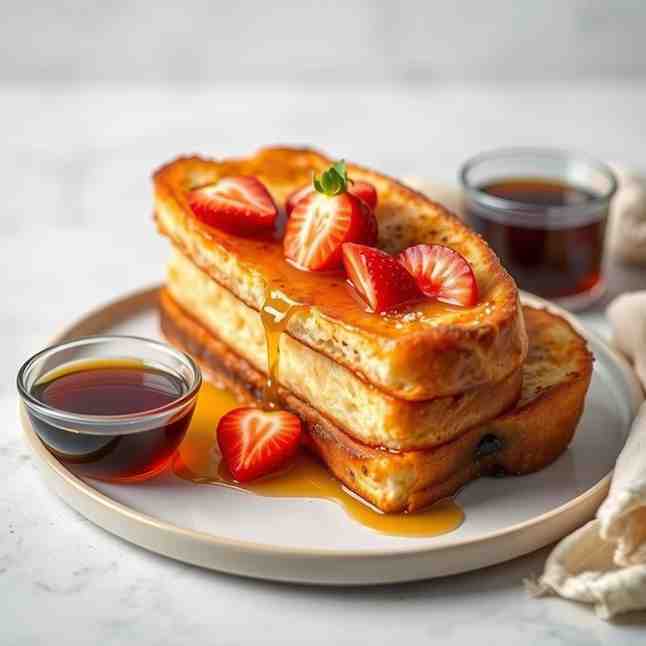
- Serves: 2 People
- Prepare Time: 15 minutes
- Cooking Time: 15 minutes
- Calories: -
- Difficulty: Medium
Forget everything you thought you knew about French toast. If you're looking for a truly unique French toast recipe that goes beyond your average diner fare, you've landed in the right spot! This isn't just any french egg toast recipe; we're diving deep into the indulgent world of Hong Kong-style French Toast (西多士, Sai Do Si), a beloved classic from Hong Kong's bustling cha chaan tengs (tea restaurants).
What makes this version so special? Unlike its American cousin, which is typically griddled, Hong Kong French Toast is a glorious, deep-fried sandwich, often stuffed with creamy peanut butter, then crowned with a generous slab of butter and a decadent drizzle of sweetened condensed milk. It's crispy on the outside, custardy within, and utterly irresistible. This sweet French toast recipe is perfect for anyone craving a quick, indulgent breakfast or a nostalgic taste of Hong Kong. Get ready to learn the best way to cook French toast that will truly impress!
Ingredients
Directions
- Prep Checklist
- Set up your draining station: Place a wire rack over a sheet pan. This is crucial for crispness! Avoid paper towels directly under the toast, as they can steam it and make it soggy.
- Frying Safety Note: Always fry in a small batch (one sandwich at a time is ideal) to maintain oil temperature and prevent overcrowding. Ensure a steady, medium heat for even cooking.
- Step-by-Step Instructions
- Dry / Prep Bread (if needed): For the classic Hong Kong texture, slightly stale bread is best as it absorbs the custard without falling apart. If your milk bread is super fresh, gently dry it out. You can do this by leaving the slices exposed to air for 30-60 minutes, or for a quicker method, place them on a rack in a low oven (around 200°F / 95°C) for 5-10 minutes, just until slightly firm, not toasted.
- Build the Sandwich (so it doesn't split): Take two slices of your prepared bread. Generously spread 1 tablespoon of creamy peanut butter evenly on one side of each slice, leaving a small border (about 1/4 inch) around the edges. This border helps seal the sandwich and prevents the filling from oozing out during frying. Press the two peanut butter-coated slices together firmly to form a sandwich. Repeat for the second sandwich. Let them rest for a minute or two; this slight rest helps the bread adhere.
- Mix the Coating: In a shallow dish (wide enough to fit your bread), whisk together the eggs, milk, sugar, and pinch of salt until thoroughly combined and smooth. The custard should be consistent, without streaks of egg white. Pro Tip (Optional Egg-White Foam Technique): For an extra light and airy coating, you can whisk the egg whites separately until slightly frothy before combining them with the yolks and milk. This creates tiny air pockets for a delicate crisp.
- Dip Correctly (so it’s custardy, not collapsing): Gently place one peanut butter sandwich into the egg custard, pressing down lightly to ensure both sides are fully submerged. Let it soak for about 10-15 seconds per side, depending on your bread's freshness and thickness. You want the bread to absorb the custard but not become saturated to the point of collapse. Lift the sandwich carefully, letting any excess custard drip off for a few seconds. Repeat with the second sandwich.
- Fry to Golden (temp cues): Heat your neutral oil in a wide, heavy skillet or small Dutch oven over medium heat to a target temperature of 325-350°F (160-175°C). If you don't have a thermometer, a small piece of bread should sizzle gently and turn golden in about 30 seconds. Carefully lower one custard-soaked sandwich into the hot oil. Fry for 2-3 minutes per side, or until deeply golden brown and crispy. The color should be rich and inviting.
- Crisp the Edges: This is a crucial step for authentic texture! Using tongs, carefully stand the French toast on its sides in the hot oil. Hold it upright for 15-30 seconds on each of the four edges, allowing them to crisp up and achieve that signature golden crunch.
- Drain for Crispness: Once golden and crispy on all sides, carefully remove the French toast from the oil and immediately transfer it to your prepared wire rack over the sheet pan. This allows excess oil to drain away, preventing sogginess and maintaining crispness.
- Serve like a Cha Chaan Teng: While still hot, place a generous pat of softened butter directly on top of each piece of French toast. The residual heat will melt it beautifully. Finish with a decadent drizzle of sweetened condensed milk. Serve immediately!
- C) Doneness + Texture Checkpoints
- Exterior: Should be a uniform, deep golden brown and audibly crispy when tapped.
- Interior: When sliced open, the bread should be custardy and soft, and the peanut butter filling should be warm and slightly gooey. The center should feel warmed through, not cold.
Hong Kong French Toast Recipe - Crispy & Easy
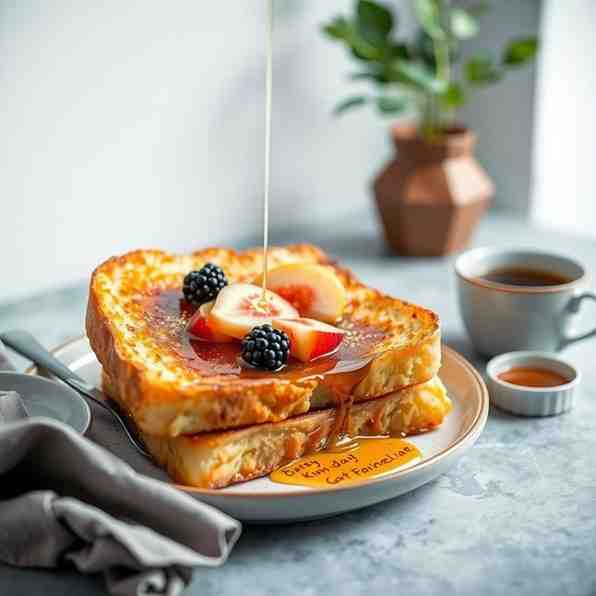
- Serves: 2 People
- Prepare Time: 15 minutes
- Cooking Time: 15 minutes
- Calories: -
- Difficulty: Medium
Forget everything you thought you knew about French toast. If you're looking for a truly unique French toast recipe that goes beyond your average diner fare, you've landed in the right spot! This isn't just any french egg toast recipe; we're diving deep into the indulgent world of Hong Kong-style French Toast (西多士, Sai Do Si), a beloved classic from Hong Kong's bustling cha chaan tengs (tea restaurants).
What makes this version so special? Unlike its American cousin, which is typically griddled, Hong Kong French Toast is a glorious, deep-fried sandwich, often stuffed with creamy peanut butter, then crowned with a generous slab of butter and a decadent drizzle of sweetened condensed milk. It's crispy on the outside, custardy within, and utterly irresistible. This sweet French toast recipe is perfect for anyone craving a quick, indulgent breakfast or a nostalgic taste of Hong Kong. Get ready to learn the best way to cook French toast that will truly impress!
Ingredients
Directions
- Prep Checklist
- Set up your draining station: Place a wire rack over a sheet pan. This is crucial for crispness! Avoid paper towels directly under the toast, as they can steam it and make it soggy.
- Frying Safety Note: Always fry in a small batch (one sandwich at a time is ideal) to maintain oil temperature and prevent overcrowding. Ensure a steady, medium heat for even cooking.
- Step-by-Step Instructions
- Dry / Prep Bread (if needed): For the classic Hong Kong texture, slightly stale bread is best as it absorbs the custard without falling apart. If your milk bread is super fresh, gently dry it out. You can do this by leaving the slices exposed to air for 30-60 minutes, or for a quicker method, place them on a rack in a low oven (around 200°F / 95°C) for 5-10 minutes, just until slightly firm, not toasted.
- Build the Sandwich (so it doesn't split): Take two slices of your prepared bread. Generously spread 1 tablespoon of creamy peanut butter evenly on one side of each slice, leaving a small border (about 1/4 inch) around the edges. This border helps seal the sandwich and prevents the filling from oozing out during frying. Press the two peanut butter-coated slices together firmly to form a sandwich. Repeat for the second sandwich. Let them rest for a minute or two; this slight rest helps the bread adhere.
- Mix the Coating: In a shallow dish (wide enough to fit your bread), whisk together the eggs, milk, sugar, and pinch of salt until thoroughly combined and smooth. The custard should be consistent, without streaks of egg white. Pro Tip (Optional Egg-White Foam Technique): For an extra light and airy coating, you can whisk the egg whites separately until slightly frothy before combining them with the yolks and milk. This creates tiny air pockets for a delicate crisp.
- Dip Correctly (so it’s custardy, not collapsing): Gently place one peanut butter sandwich into the egg custard, pressing down lightly to ensure both sides are fully submerged. Let it soak for about 10-15 seconds per side, depending on your bread's freshness and thickness. You want the bread to absorb the custard but not become saturated to the point of collapse. Lift the sandwich carefully, letting any excess custard drip off for a few seconds. Repeat with the second sandwich.
- Fry to Golden (temp cues): Heat your neutral oil in a wide, heavy skillet or small Dutch oven over medium heat to a target temperature of 325-350°F (160-175°C). If you don't have a thermometer, a small piece of bread should sizzle gently and turn golden in about 30 seconds. Carefully lower one custard-soaked sandwich into the hot oil. Fry for 2-3 minutes per side, or until deeply golden brown and crispy. The color should be rich and inviting.
- Crisp the Edges: This is a crucial step for authentic texture! Using tongs, carefully stand the French toast on its sides in the hot oil. Hold it upright for 15-30 seconds on each of the four edges, allowing them to crisp up and achieve that signature golden crunch.
- Drain for Crispness: Once golden and crispy on all sides, carefully remove the French toast from the oil and immediately transfer it to your prepared wire rack over the sheet pan. This allows excess oil to drain away, preventing sogginess and maintaining crispness.
- Serve like a Cha Chaan Teng: While still hot, place a generous pat of softened butter directly on top of each piece of French toast. The residual heat will melt it beautifully. Finish with a decadent drizzle of sweetened condensed milk. Serve immediately!
- C) Doneness + Texture Checkpoints
- Exterior: Should be a uniform, deep golden brown and audibly crispy when tapped.
- Interior: When sliced open, the bread should be custardy and soft, and the peanut butter filling should be warm and slightly gooey. The center should feel warmed through, not cold.
You may also like




Hey there! I’m just someone who seriously loves good food and believes that cooking doesn’t have to be complicated to be amazing. Whether it’s a quick weeknight dinner or a cozy weekend meal, I’m all about sharing easy, tasty recipes that actually work.