
How to Make Hokkien Mee - Delicious Asian Fried Noodles
How to Make Hokkien Mee - Delicious Asian Fried Noodles
- Serves: 4 People
- Prepare Time: 30 minutes
- Cooking Time: 2 hours 15
- Calories: -
- Difficulty: Medium
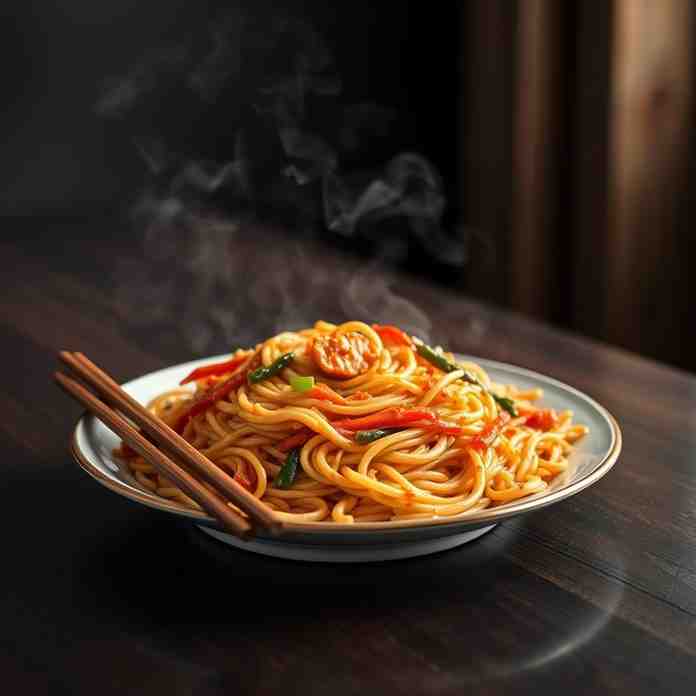
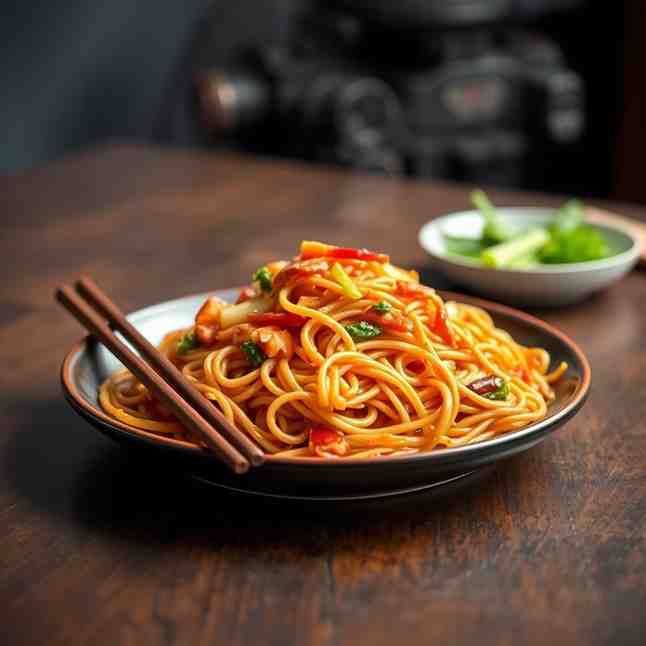
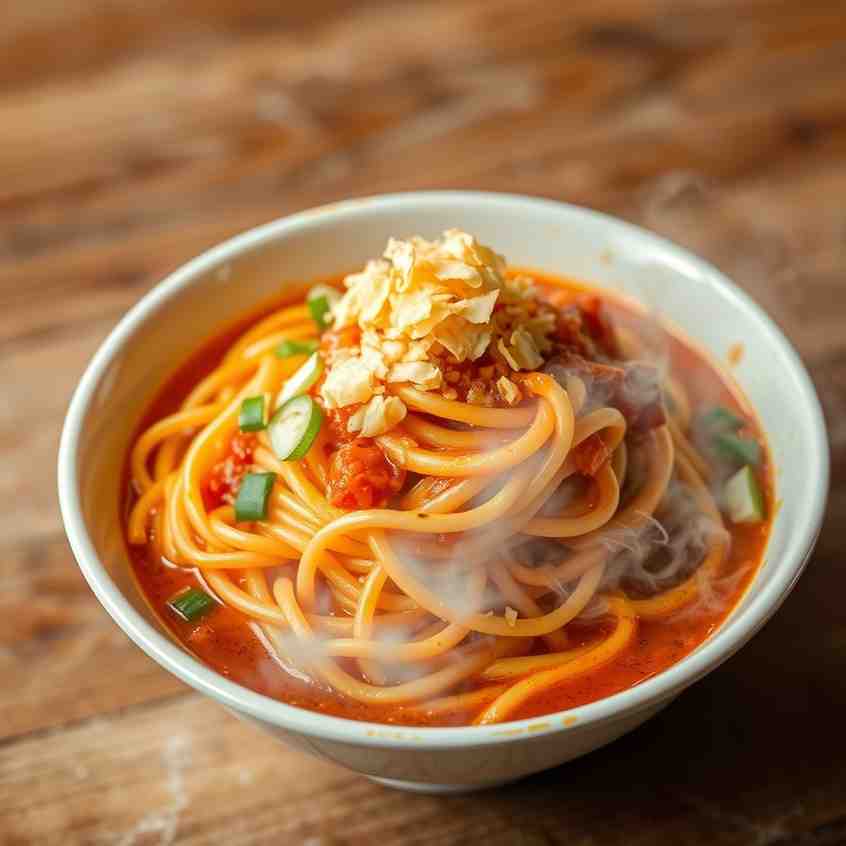
Ever dream of bringing the vibrant flavors of a Singaporean hawker stall right into your kitchen? Well, get ready, because we're diving deep into how to make Singapore-Style Hokkien Prawn Mee (Hae Mee)! This isn't just any noodle dish; it's a rich, soulful asian fried noodles experience, a glorious bowl of prawn-and-pork broth noodle soup that hits all the sweet, briny, and savory notes. What makes it truly special? That incredible stock, tasting like it’s simmered all day, infused with the essence of the sea and savory pork. It’s a true taste of authentic Singapore hawker food that you simply can't miss.
Now, a quick heads-up to clear up any confusion: "Hokkien Mee" can mean a few different things depending on where you are.
This recipe: Is for prawn mee, also known as hae mee or har mee – a delicious, slurpable broth noodle soup.
Not this: If you're looking for the dark soy stir-fried Kuala Lumpur Hokkien Mee, that's a different (but equally tasty!) dish.
Why the name overlap? Both dishes originate from the Hokkien people, but evolved differently in various regions of Southeast Asia.
So, what can you expect when you take that first spoonful? Get ready for a sweet-shrimp aroma that dances with a deep, porky richness. If you love a little kick, a gentle spice will come through, especially if you add a dash of sambal. It's a complex, comforting, and utterly satisfying bowl of noodles and broth.
Before you grab your apron, here are a few key takeaways for making the best Hokkien Mee:
Head-on shrimp = best flavor: Seriously, don't skimp on those shells and heads; they're the secret to an amazing broth!
Don’t scorch shells: When sautéing, be gentle. Burnt shells mean a bitter broth, and nobody wants that.
Cook shrimp last: This keeps your shrimp perfectly juicy and tender, not rubbery.
Sambal on the side: This is the hawker way! Everyone can control their own heat level.
Ingredients
Directions
- Prep the Shrimp (Set yourself up for a great stock)
- Carefully peel your head-on shrimp. Make sure to separate the heads and shells from the shrimp meat. Place the shrimp meat in a bowl, cover it, and keep it chilled in the fridge while you work on the broth. This ensures your shrimp stays fresh and juicy for cooking last!
- (Optional but Recommended) Rinse/Blanch Ribs for a Cleaner Broth
- For a super clear and clean broth, you can quickly blanch your pork ribs. Place the ribs in a pot, cover with cold water, bring to a boil, and let them simmer for about 5-10 minutes. Skim off any scum that rises. Drain the ribs and rinse them under cold water to remove any remaining impurities. This step helps remove excess blood and gives your broth a cleaner flavor and appearance.
- Build the Flavor Base (Don’t skip this!)
- Heat a heavy pot or Dutch oven over medium-high heat with a tablespoon of cooking oil. Add the smashed garlic and chopped shallots and sauté until fragrant, about 1-2 minutes. Then, add your reserved shrimp heads and shells. Cook, stirring frequently, until they turn bright orange and release a wonderfully fragrant, toasted aroma (about 5-7 minutes). This is where the magic starts for your seafood stock recipe! Be careful not to scorch them, as burnt shells can make your broth bitter. You want them fragrant and deeply colored, but not dark brown or black.
- Simmer the Broth
- Once the shrimp heads and shells are fragrant, add the blanched pork ribs (if you blanched them, otherwise add them directly), star anise, cloves, and 6-8 cups of water (or enough to fully cover everything). Bring the mixture to a gentle simmer, then reduce the heat to low, cover, and let it cook for at least 1.5 to 2 hours. You want a gentle simmer, not a rolling boil, to extract maximum flavor without clouding the broth. Skim off any foam or impurities that rise to the surface occasionally.
- Strain Like You Mean It
- Carefully remove the pork ribs from the pot and set them aside. Strain the broth through a fine-mesh strainer into a clean pot or large bowl, pressing down on the solids (especially the shrimp shells and heads) to extract all their flavorful liquid. For an even clearer, grit-free broth, you can strain it a second time through a cheesecloth-lined strainer. Discard the spent shrimp shells, heads, and aromatics. Once the ribs are cool enough to handle, you can pull the meat off the bones and shred it, or keep them as whole pieces.
- Seasoning Dial (Make it taste like the hawker stall)
- Return the strained broth to a clean pot and bring it back to a gentle simmer. Now it’s time to season! Gradually add the fish sauce, light soy sauce, and rock sugar (or brown sugar), stirring until dissolved. Add the white pepper. Taste and adjust as needed. You're aiming for a complex balance of sweet, savory, and umami. If you want a slightly darker, richer color without changing the flavor much, add a tiny splash of dark soy sauce. The "right" taste should be deeply savory with a noticeable prawn sweetness and a hint of pork richness, perfectly balanced. This is the heart of your noodles and broth!
- Cook Noodles + Prep Veg (While broth heats)
- While your broth is simmering and seasoned, prepare your noodles and vegetables. Cook the fresh yellow egg noodles and rice vermicelli in separate pots of boiling water according to package directions. Cook them until just tender, then drain and rinse briefly under cold water to prevent sticking. Quickly blanch the bean sprouts and water spinach (or your chosen greens) in boiling water for about 30 seconds until just tender-crisp. Drain well.
- Cook the Shrimp (Last!)
- Just before assembling, bring your broth back to a hot simmer. Add your reserved chilled shrimp meat to the hot broth and poach for only 1-2 minutes, or until they just turn pink and opaque. Overcooking will make them rubbery! Remove them from the broth immediately.
- Assemble Bowls (Hawker-style order)
- To assemble your bowls, start with a generous portion of cooked noodles at the bottom. Arrange the blanched vegetables (water spinach and bean sprouts) on top. Next, add your reserved shredded pork ribs (or whole pieces) and the freshly poached shrimp. Ladle the hot, fragrant broth generously over everything. Garnish with fried shallots, a side of sambal for heat, and some sliced chilies in soy sauce. Serve immediately and enjoy your homemade easy noodle recipe!
How to Make Hokkien Mee - Delicious Asian Fried Noodles
- Serves: 4 People
- Prepare Time: 30 minutes
- Cooking Time: 2 hours 15
- Calories: -
- Difficulty: Medium
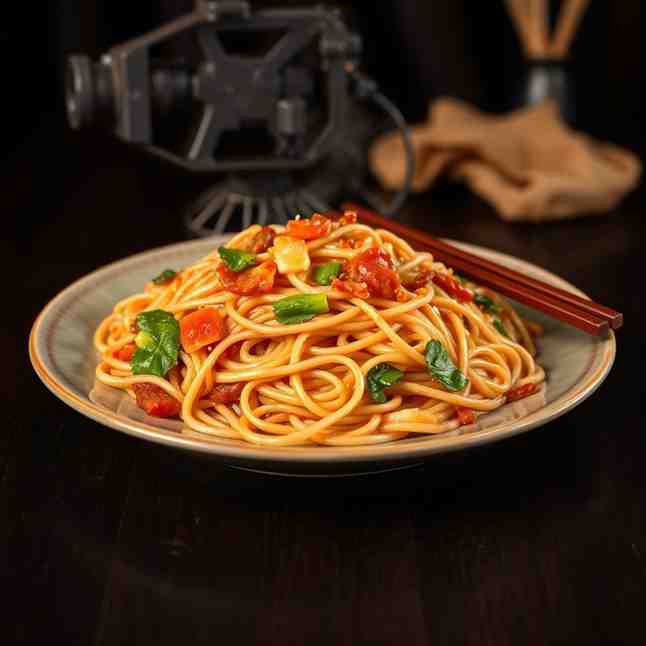
Ever dream of bringing the vibrant flavors of a Singaporean hawker stall right into your kitchen? Well, get ready, because we're diving deep into how to make Singapore-Style Hokkien Prawn Mee (Hae Mee)! This isn't just any noodle dish; it's a rich, soulful asian fried noodles experience, a glorious bowl of prawn-and-pork broth noodle soup that hits all the sweet, briny, and savory notes. What makes it truly special? That incredible stock, tasting like it’s simmered all day, infused with the essence of the sea and savory pork. It’s a true taste of authentic Singapore hawker food that you simply can't miss.
Now, a quick heads-up to clear up any confusion: "Hokkien Mee" can mean a few different things depending on where you are.
This recipe: Is for prawn mee, also known as hae mee or har mee – a delicious, slurpable broth noodle soup.
Not this: If you're looking for the dark soy stir-fried Kuala Lumpur Hokkien Mee, that's a different (but equally tasty!) dish.
Why the name overlap? Both dishes originate from the Hokkien people, but evolved differently in various regions of Southeast Asia.
So, what can you expect when you take that first spoonful? Get ready for a sweet-shrimp aroma that dances with a deep, porky richness. If you love a little kick, a gentle spice will come through, especially if you add a dash of sambal. It's a complex, comforting, and utterly satisfying bowl of noodles and broth.
Before you grab your apron, here are a few key takeaways for making the best Hokkien Mee:
Head-on shrimp = best flavor: Seriously, don't skimp on those shells and heads; they're the secret to an amazing broth!
Don’t scorch shells: When sautéing, be gentle. Burnt shells mean a bitter broth, and nobody wants that.
Cook shrimp last: This keeps your shrimp perfectly juicy and tender, not rubbery.
Sambal on the side: This is the hawker way! Everyone can control their own heat level.
Ingredients
Directions
- Prep the Shrimp (Set yourself up for a great stock)
- Carefully peel your head-on shrimp. Make sure to separate the heads and shells from the shrimp meat. Place the shrimp meat in a bowl, cover it, and keep it chilled in the fridge while you work on the broth. This ensures your shrimp stays fresh and juicy for cooking last!
- (Optional but Recommended) Rinse/Blanch Ribs for a Cleaner Broth
- For a super clear and clean broth, you can quickly blanch your pork ribs. Place the ribs in a pot, cover with cold water, bring to a boil, and let them simmer for about 5-10 minutes. Skim off any scum that rises. Drain the ribs and rinse them under cold water to remove any remaining impurities. This step helps remove excess blood and gives your broth a cleaner flavor and appearance.
- Build the Flavor Base (Don’t skip this!)
- Heat a heavy pot or Dutch oven over medium-high heat with a tablespoon of cooking oil. Add the smashed garlic and chopped shallots and sauté until fragrant, about 1-2 minutes. Then, add your reserved shrimp heads and shells. Cook, stirring frequently, until they turn bright orange and release a wonderfully fragrant, toasted aroma (about 5-7 minutes). This is where the magic starts for your seafood stock recipe! Be careful not to scorch them, as burnt shells can make your broth bitter. You want them fragrant and deeply colored, but not dark brown or black.
- Simmer the Broth
- Once the shrimp heads and shells are fragrant, add the blanched pork ribs (if you blanched them, otherwise add them directly), star anise, cloves, and 6-8 cups of water (or enough to fully cover everything). Bring the mixture to a gentle simmer, then reduce the heat to low, cover, and let it cook for at least 1.5 to 2 hours. You want a gentle simmer, not a rolling boil, to extract maximum flavor without clouding the broth. Skim off any foam or impurities that rise to the surface occasionally.
- Strain Like You Mean It
- Carefully remove the pork ribs from the pot and set them aside. Strain the broth through a fine-mesh strainer into a clean pot or large bowl, pressing down on the solids (especially the shrimp shells and heads) to extract all their flavorful liquid. For an even clearer, grit-free broth, you can strain it a second time through a cheesecloth-lined strainer. Discard the spent shrimp shells, heads, and aromatics. Once the ribs are cool enough to handle, you can pull the meat off the bones and shred it, or keep them as whole pieces.
- Seasoning Dial (Make it taste like the hawker stall)
- Return the strained broth to a clean pot and bring it back to a gentle simmer. Now it’s time to season! Gradually add the fish sauce, light soy sauce, and rock sugar (or brown sugar), stirring until dissolved. Add the white pepper. Taste and adjust as needed. You're aiming for a complex balance of sweet, savory, and umami. If you want a slightly darker, richer color without changing the flavor much, add a tiny splash of dark soy sauce. The "right" taste should be deeply savory with a noticeable prawn sweetness and a hint of pork richness, perfectly balanced. This is the heart of your noodles and broth!
- Cook Noodles + Prep Veg (While broth heats)
- While your broth is simmering and seasoned, prepare your noodles and vegetables. Cook the fresh yellow egg noodles and rice vermicelli in separate pots of boiling water according to package directions. Cook them until just tender, then drain and rinse briefly under cold water to prevent sticking. Quickly blanch the bean sprouts and water spinach (or your chosen greens) in boiling water for about 30 seconds until just tender-crisp. Drain well.
- Cook the Shrimp (Last!)
- Just before assembling, bring your broth back to a hot simmer. Add your reserved chilled shrimp meat to the hot broth and poach for only 1-2 minutes, or until they just turn pink and opaque. Overcooking will make them rubbery! Remove them from the broth immediately.
- Assemble Bowls (Hawker-style order)
- To assemble your bowls, start with a generous portion of cooked noodles at the bottom. Arrange the blanched vegetables (water spinach and bean sprouts) on top. Next, add your reserved shredded pork ribs (or whole pieces) and the freshly poached shrimp. Ladle the hot, fragrant broth generously over everything. Garnish with fried shallots, a side of sambal for heat, and some sliced chilies in soy sauce. Serve immediately and enjoy your homemade easy noodle recipe!
You may also like

Hey there! I’m just someone who seriously loves good food and believes that cooking doesn’t have to be complicated to be amazing. Whether it’s a quick weeknight dinner or a cozy weekend meal, I’m all about sharing easy, tasty recipes that actually work.