
Icelandic Rugbrauo - Bake Jewish Rye Bread
Icelandic Rugbrauo - Bake Jewish Rye Bread


- Serves: 12 People
- Prepare Time: 15 minutes
- Cooking Time: 12 hours
- Calories: -
- Difficulty: Easy
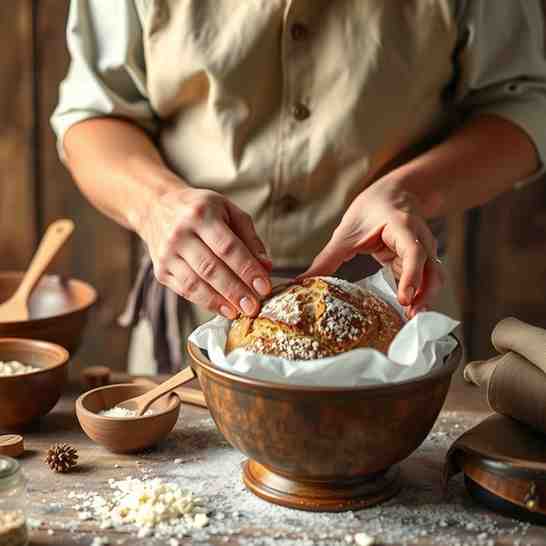
Get ready to discover a truly unique bread experience with Authentic Icelandic Rúgbrauð! This isn't just any rye bread; it's a dense, moist, and lightly sweet traditional Icelandic loaf, often called "volcano bread" or "hot spring bread." Why the fiery nicknames? Historically, this special jewish rye bread alternative was baked by burying it near active geothermal vents or hot springs, slowly cooking it to perfection. While most of us don't have a personal hot spring in our backyard, this recipe brings that authentic slow-baked flavor right to your home oven.
Forget complicated techniques or fancy gadgets; with just a few basic ingredients for baking and a standard loaf pan, you'll be able to create a taste of Iceland. This recipe focuses on a home-friendly slow-bake method that delivers the same incredible texture and unique sweetness you'd find in Iceland. It's a fantastic addition to any meal and a surprisingly simple project even for beginners looking for something good in bread. So, if you've been searching for a hearty, wholesome rye bread, get ready to bake something truly special.
Ingredients
Directions
- Prep Your Pan: Lightly grease a standard 9x5-inch loaf pan or a lidded Pullman pan. If using a standard loaf pan, line it with parchment paper, leaving an overhang on the long sides to help lift the bread out later. This also helps create a tighter seal.
- Mix Dry Ingredients: In a large mixing bowl, whisk together the rye flour, all-purpose flour, baking soda, and salt. Make sure everything is well combined.
- Stir in Wet Ingredients: Pour the buttermilk, golden syrup, and optional molasses into the dry ingredients. Stir everything together with a sturdy spoon or spatula until just combined. The mixture will be very thick and sticky, like a dense cake batter—don't expect a traditional bread dough!
- Fill and Seal Tightly: Transfer the thick batter into your prepared loaf pan. Smooth the top with a spatula. Now, this is crucial for the slow-bake method: seal the pan tightly. If using a Pullman pan, simply put on the lid. If using a standard loaf pan, cover it completely and securely with two layers of heavy-duty aluminum foil. Crimp the edges tightly around the rim of the pan to create a good seal. This traps the moisture and allows the bread to steam and slow-bake, developing its unique flavor and moist texture. Think of it as creating a mini "volcano oven" inside your kitchen oven!
- Bake Low and Slow: Place the sealed pan into a cold oven. Set the oven temperature to a very low 200°F (95°C). Bake for a minimum of 8 hours, and up to 12 hours. The exact timing can vary slightly depending on your oven, the pan you use, and the density of your batter. The goal is a long, gentle bake that caramelizes the sugars and transforms the rye flour.
- How to Tell When It’s Done: The best way to check for doneness is with an instant-read thermometer. Carefully remove the pan from the oven (keep it sealed for now!), unwrap the foil, and insert the thermometer into the center of the loaf. It should read between 200-210°F (93-99°C). Visually, the top will look dark brown and set, but the center should not feel gummy when lightly pressed. If it's below the target temperature or feels too soft, re-seal and bake for another hour. Avoid "false done" signs where the edges look firm but the center is still undercooked.
- Cool Properly: Once done, remove the bread from the oven. Let it cool in the pan, still covered (or re-covered with foil if you unwrapped it for checking), for at least 30 minutes. This allows the bread to continue steaming and set. Then, carefully lift the loaf out of the pan using the parchment paper overhang. Remove the parchment and wrap the warm loaf tightly in plastic wrap or a clean kitchen towel. Let it cool completely at room temperature for several hours, or even overnight, before slicing. This final cooling and "steaming" period is vital for a perfectly moist, tight crumb. Slice it very thinly for the best experience.
Icelandic Rugbrauo - Bake Jewish Rye Bread
- Serves: 12 People
- Prepare Time: 15 minutes
- Cooking Time: 12 hours
- Calories: -
- Difficulty: Easy
Get ready to discover a truly unique bread experience with Authentic Icelandic Rúgbrauð! This isn't just any rye bread; it's a dense, moist, and lightly sweet traditional Icelandic loaf, often called "volcano bread" or "hot spring bread." Why the fiery nicknames? Historically, this special jewish rye bread alternative was baked by burying it near active geothermal vents or hot springs, slowly cooking it to perfection. While most of us don't have a personal hot spring in our backyard, this recipe brings that authentic slow-baked flavor right to your home oven.
Forget complicated techniques or fancy gadgets; with just a few basic ingredients for baking and a standard loaf pan, you'll be able to create a taste of Iceland. This recipe focuses on a home-friendly slow-bake method that delivers the same incredible texture and unique sweetness you'd find in Iceland. It's a fantastic addition to any meal and a surprisingly simple project even for beginners looking for something good in bread. So, if you've been searching for a hearty, wholesome rye bread, get ready to bake something truly special.
Ingredients
Directions
- Prep Your Pan: Lightly grease a standard 9x5-inch loaf pan or a lidded Pullman pan. If using a standard loaf pan, line it with parchment paper, leaving an overhang on the long sides to help lift the bread out later. This also helps create a tighter seal.
- Mix Dry Ingredients: In a large mixing bowl, whisk together the rye flour, all-purpose flour, baking soda, and salt. Make sure everything is well combined.
- Stir in Wet Ingredients: Pour the buttermilk, golden syrup, and optional molasses into the dry ingredients. Stir everything together with a sturdy spoon or spatula until just combined. The mixture will be very thick and sticky, like a dense cake batter—don't expect a traditional bread dough!
- Fill and Seal Tightly: Transfer the thick batter into your prepared loaf pan. Smooth the top with a spatula. Now, this is crucial for the slow-bake method: seal the pan tightly. If using a Pullman pan, simply put on the lid. If using a standard loaf pan, cover it completely and securely with two layers of heavy-duty aluminum foil. Crimp the edges tightly around the rim of the pan to create a good seal. This traps the moisture and allows the bread to steam and slow-bake, developing its unique flavor and moist texture. Think of it as creating a mini "volcano oven" inside your kitchen oven!
- Bake Low and Slow: Place the sealed pan into a cold oven. Set the oven temperature to a very low 200°F (95°C). Bake for a minimum of 8 hours, and up to 12 hours. The exact timing can vary slightly depending on your oven, the pan you use, and the density of your batter. The goal is a long, gentle bake that caramelizes the sugars and transforms the rye flour.
- How to Tell When It’s Done: The best way to check for doneness is with an instant-read thermometer. Carefully remove the pan from the oven (keep it sealed for now!), unwrap the foil, and insert the thermometer into the center of the loaf. It should read between 200-210°F (93-99°C). Visually, the top will look dark brown and set, but the center should not feel gummy when lightly pressed. If it's below the target temperature or feels too soft, re-seal and bake for another hour. Avoid "false done" signs where the edges look firm but the center is still undercooked.
- Cool Properly: Once done, remove the bread from the oven. Let it cool in the pan, still covered (or re-covered with foil if you unwrapped it for checking), for at least 30 minutes. This allows the bread to continue steaming and set. Then, carefully lift the loaf out of the pan using the parchment paper overhang. Remove the parchment and wrap the warm loaf tightly in plastic wrap or a clean kitchen towel. Let it cool completely at room temperature for several hours, or even overnight, before slicing. This final cooling and "steaming" period is vital for a perfectly moist, tight crumb. Slice it very thinly for the best experience.
You may also like



Hey there! I’m just someone who seriously loves good food and believes that cooking doesn’t have to be complicated to be amazing. Whether it’s a quick weeknight dinner or a cozy weekend meal, I’m all about sharing easy, tasty recipes that actually work.