
Iranian Food Recipes - Savory Koofteh Tabrizi
Iranian Food Recipes - Savory Koofteh Tabrizi
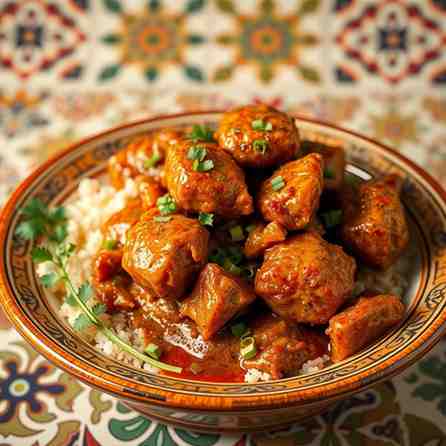

- Serves: 6 People
- Prepare Time: 45 minutes
- Cooking Time: 1 hour
- Calories: -
- Difficulty: Medium
Get ready to embark on a culinary adventure with one of Iran's most beloved and impressive dishes: Koofteh Tabrizi! These aren't just any meatballs; they're substantial, flavorful Iranian food recipes that combine tender minced meat with rice, split peas, and a symphony of fresh herbs and warm spices. Each bite offers a delightful blend of textures and tastes, all simmered lovingly in a savory tomato broth. While making them might seem a bit involved, the process is incredibly rewarding, resulting in a truly authentic Persian food recipe that's perfect for sharing with family and friends. It's a dish that truly captures the heart of Iranian dishes recipes, offering a unique and comforting experience that's definitely worth the effort.
This definitive Koofteh Tabrizi recipe guides you through making these incredible Persian meatballs with rice and split peas simmered in a savory tomato sauce/broth.
In everyday American English, Koofteh (or Kufteh) refers to a type of Persian-style meatball. What makes them unique is often the inclusion of grains like rice and split peas, along with a generous amount of fresh herbs, all typically simmered in a flavorful sauce or broth.
The distinction is quite simple:
Koofteh: Specifically refers to Persian-style meatballs, commonly featuring rice, split peas, and fresh herbs, usually prepared by simmering.
Kofta: This is a much broader regional term used across the Middle East, South Asia, and the Balkans. Kofta can be made from various meats, often without grains, and can be grilled, fried, or stewed. Think of Koofteh as a specific, delicious subset of the larger Kofta family!
While both are delicious Persian meatballs, Koofteh Tabrizi is the iconic "giant stuffed" version, originating from the city of Tabriz. It's known for its impressive size and often features a delightful surprise filling of prunes, walnuts, and fried onions. Koofteh Berenji, on the other hand, are typically smaller, though still substantial, and usually don't have the elaborate stuffing. For this recipe, we're focusing on one definitive Koofteh Tabrizi-style recipe – the grand, stuffed masterpiece!
Ingredients
Directions
- Make the Koofteh “Paste” In a large mixing bowl, combine the ground beef, cooled cooked rice, cooled cooked yellow split peas, grated and squeezed dry onion, fresh parsley, cilantro, mint, eggs, turmeric, cinnamon, black pepper, cayenne (if using), and salt. Mix thoroughly with your hands. Now comes the crucial part: knead the mixture vigorously for at least 5-7 minutes until it becomes sticky and cohesive, like a thick paste. A traditional technique is to lift the mixture and slap it back into the bowl repeatedly – this helps build cohesion and prevents the meatballs from falling apart. Once kneaded, cover the bowl and let the mixture rest in the refrigerator for 20-30 minutes. This resting period is key for the ingredients to bind properly.
- Prep the Stuffing While the koofteh mixture rests, prepare your stuffing. In a small bowl, combine the chopped prunes, chopped walnuts, and fried onions. If using optional add-ins like barberries or sour cherries, gently fold them in. If adding hard-boiled eggs, set them aside to be placed inside each meatball.
- Shape + Stuff (One Method) Divide the koofteh mixture into 6 equal large portions. Take one portion and flatten it into a thick, approximately 4-inch wide disc in the palm of your hand, forming a bowl shape. Place a generous amount of the stuffing mixture (and a quartered hard-boiled egg, if using) into the center. Carefully bring the edges of the meat mixture up and over the stuffing, sealing it completely. Gently cup the meatball in your hands and smooth out any seams until you have a perfectly round, large ball. Repeat with the remaining portions.
- Build the Tomato Broth In a large pot or Dutch oven (wide enough to hold the meatballs without crowding), heat the olive oil over medium heat. Add the finely diced onion and sauté until softened and translucent, about 5-7 minutes. Stir in the tomato paste and cook for 2-3 minutes, stirring constantly, allowing it to toast slightly and deepen in color. Add the turmeric and cinnamon, stirring for another minute until fragrant. Pour in the water or stock, then add salt and black pepper. Bring the broth to a gentle simmer. If using, stir in the bloomed saffron.
- Simmer Without Breaking Carefully and gently slide each prepared koofteh into the simmering tomato broth. Do not stir or move the meatballs early as they are delicate when raw. Allow them to simmer undisturbed for about 10-15 minutes until the exterior has firmed up. You can gently baste the tops of the meatballs with the broth using a spoon. Once set, cover the pot and continue to simmer gently for at least 45 minutes to 1 hour, or until the meatballs are cooked through. A visual cue for doneness is when the meatballs have swollen slightly and feel firm to the touch. For ultimate confidence, an instant-read thermometer inserted into the center should read 160°F (71°C) for beef.
- Rest + Serve Once cooked, remove the pot from the heat and let the Koofteh Tabrizi rest in the broth for 10-15 minutes. This allows the flavors to meld and the meatballs to settle. To serve, carefully transfer the large koofteh onto a platter. Ladle the rich tomato broth into separate bowls. Koofteh Tabrizi is traditionally served with warm bread, often lavash, which can be used to perform "tilit" – tearing pieces of bread and soaking them directly in the flavorful broth before eating.
Iranian Food Recipes - Savory Koofteh Tabrizi
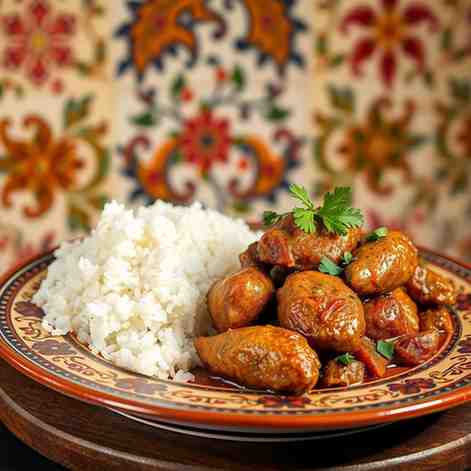
- Serves: 6 People
- Prepare Time: 45 minutes
- Cooking Time: 1 hour
- Calories: -
- Difficulty: Medium
Get ready to embark on a culinary adventure with one of Iran's most beloved and impressive dishes: Koofteh Tabrizi! These aren't just any meatballs; they're substantial, flavorful Iranian food recipes that combine tender minced meat with rice, split peas, and a symphony of fresh herbs and warm spices. Each bite offers a delightful blend of textures and tastes, all simmered lovingly in a savory tomato broth. While making them might seem a bit involved, the process is incredibly rewarding, resulting in a truly authentic Persian food recipe that's perfect for sharing with family and friends. It's a dish that truly captures the heart of Iranian dishes recipes, offering a unique and comforting experience that's definitely worth the effort.
This definitive Koofteh Tabrizi recipe guides you through making these incredible Persian meatballs with rice and split peas simmered in a savory tomato sauce/broth.
In everyday American English, Koofteh (or Kufteh) refers to a type of Persian-style meatball. What makes them unique is often the inclusion of grains like rice and split peas, along with a generous amount of fresh herbs, all typically simmered in a flavorful sauce or broth.
The distinction is quite simple:
Koofteh: Specifically refers to Persian-style meatballs, commonly featuring rice, split peas, and fresh herbs, usually prepared by simmering.
Kofta: This is a much broader regional term used across the Middle East, South Asia, and the Balkans. Kofta can be made from various meats, often without grains, and can be grilled, fried, or stewed. Think of Koofteh as a specific, delicious subset of the larger Kofta family!
While both are delicious Persian meatballs, Koofteh Tabrizi is the iconic "giant stuffed" version, originating from the city of Tabriz. It's known for its impressive size and often features a delightful surprise filling of prunes, walnuts, and fried onions. Koofteh Berenji, on the other hand, are typically smaller, though still substantial, and usually don't have the elaborate stuffing. For this recipe, we're focusing on one definitive Koofteh Tabrizi-style recipe – the grand, stuffed masterpiece!
Ingredients
Directions
- Make the Koofteh “Paste” In a large mixing bowl, combine the ground beef, cooled cooked rice, cooled cooked yellow split peas, grated and squeezed dry onion, fresh parsley, cilantro, mint, eggs, turmeric, cinnamon, black pepper, cayenne (if using), and salt. Mix thoroughly with your hands. Now comes the crucial part: knead the mixture vigorously for at least 5-7 minutes until it becomes sticky and cohesive, like a thick paste. A traditional technique is to lift the mixture and slap it back into the bowl repeatedly – this helps build cohesion and prevents the meatballs from falling apart. Once kneaded, cover the bowl and let the mixture rest in the refrigerator for 20-30 minutes. This resting period is key for the ingredients to bind properly.
- Prep the Stuffing While the koofteh mixture rests, prepare your stuffing. In a small bowl, combine the chopped prunes, chopped walnuts, and fried onions. If using optional add-ins like barberries or sour cherries, gently fold them in. If adding hard-boiled eggs, set them aside to be placed inside each meatball.
- Shape + Stuff (One Method) Divide the koofteh mixture into 6 equal large portions. Take one portion and flatten it into a thick, approximately 4-inch wide disc in the palm of your hand, forming a bowl shape. Place a generous amount of the stuffing mixture (and a quartered hard-boiled egg, if using) into the center. Carefully bring the edges of the meat mixture up and over the stuffing, sealing it completely. Gently cup the meatball in your hands and smooth out any seams until you have a perfectly round, large ball. Repeat with the remaining portions.
- Build the Tomato Broth In a large pot or Dutch oven (wide enough to hold the meatballs without crowding), heat the olive oil over medium heat. Add the finely diced onion and sauté until softened and translucent, about 5-7 minutes. Stir in the tomato paste and cook for 2-3 minutes, stirring constantly, allowing it to toast slightly and deepen in color. Add the turmeric and cinnamon, stirring for another minute until fragrant. Pour in the water or stock, then add salt and black pepper. Bring the broth to a gentle simmer. If using, stir in the bloomed saffron.
- Simmer Without Breaking Carefully and gently slide each prepared koofteh into the simmering tomato broth. Do not stir or move the meatballs early as they are delicate when raw. Allow them to simmer undisturbed for about 10-15 minutes until the exterior has firmed up. You can gently baste the tops of the meatballs with the broth using a spoon. Once set, cover the pot and continue to simmer gently for at least 45 minutes to 1 hour, or until the meatballs are cooked through. A visual cue for doneness is when the meatballs have swollen slightly and feel firm to the touch. For ultimate confidence, an instant-read thermometer inserted into the center should read 160°F (71°C) for beef.
- Rest + Serve Once cooked, remove the pot from the heat and let the Koofteh Tabrizi rest in the broth for 10-15 minutes. This allows the flavors to meld and the meatballs to settle. To serve, carefully transfer the large koofteh onto a platter. Ladle the rich tomato broth into separate bowls. Koofteh Tabrizi is traditionally served with warm bread, often lavash, which can be used to perform "tilit" – tearing pieces of bread and soaking them directly in the flavorful broth before eating.
You may also like



Hey there! I’m just someone who seriously loves good food and believes that cooking doesn’t have to be complicated to be amazing. Whether it’s a quick weeknight dinner or a cozy weekend meal, I’m all about sharing easy, tasty recipes that actually work.