
Jersey Ormer Casserole - Shellfish Recipe
Jersey Ormer Casserole - Shellfish Recipe
- Serves: 4 People
- Prepare Time: 2 hours 30
- Cooking Time: 2 hours
- Calories: -
- Difficulty: Medium
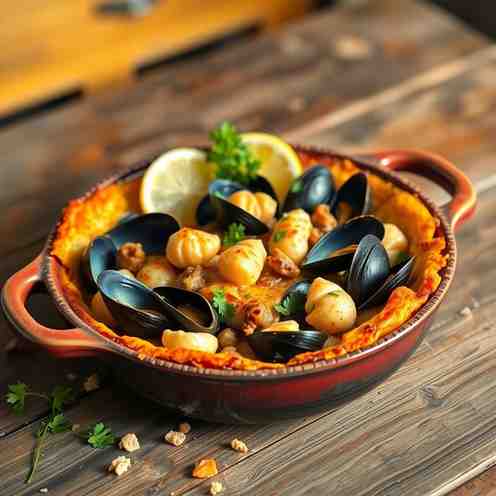
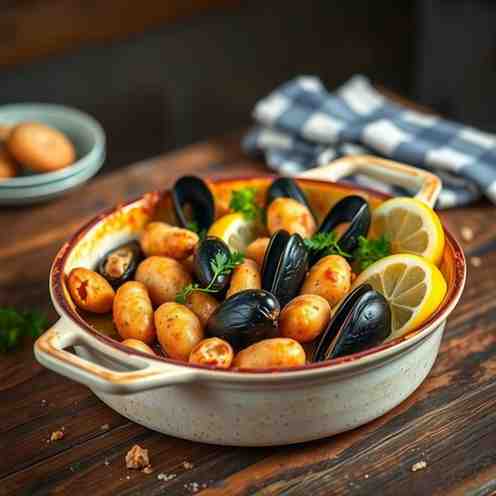
Welcome to the world of Jersey Ormers, a true coastal treasure! If you've never heard of an ormer, think of it as a delicious, large sea snail, closely related to abalone. These incredible shell fish recipes are a beloved part of Channel Islands cuisine, offering a unique taste of the ocean. While ormers can sometimes be a challenge to cook, often turning out tough in less-than-perfect preparations, this traditional casserole recipe is designed to be your foolproof guide. We're tackling the age-old problem of chewy ormers and unclear historical directions head-on, ensuring you achieve a perfectly tender, rich, and utterly satisfying stewed fish recipe every single time. Get ready to master this exquisite delicacy and bring a taste of the Channel Islands right into your kitchen!
Ingredients
Directions
- Prep: Clean, Trim, and Tenderize the Ormers (The Secret to Success!)
- Soak the Ormers: Place your fresh ormers (in their shells) in a large bowl of cold, salted water for at least 1-2 hours. This helps to relax them and makes removal easier, and also encourages them to expel any grit.
- Remove from Shell: Carefully pry each ormer from its shell using a sturdy knife or a spoon, being gentle not to damage the meat. Discard the shells.
- Scrub & Rinse: With a stiff brush (a clean toothbrush works great!), thoroughly scrub the black edges and any remaining grit from the sides of the ormer meat. Rinse each ormer under cold running water until completely clean.
- Trim Explanation: Identify and remove the following:
- Viscera (Guts): On one side of the ormer, you'll see a darker, softer, almost jelly-like mass. This is the digestive tract and needs to be completely removed. Use a sharp knife to carefully cut it away.
- Mouth/Beak: At the narrower, pointed end of the ormer, there's a small, hard, black "beak" or mouthpart. Trim this off.
- Frilly Edge: Some prefer to trim off the very thin, frilly outer edge of the ormer, as it can be slightly chewier. This is optional but can improve texture.
- Pound to Target Thickness: This is the most critical step for tenderness! Place a trimmed ormer between two sheets of plastic wrap or in a resealable bag. Using a meat mallet or a heavy rolling pin, gently but firmly pound the ormer. Your goal is to flatten it to an even thickness of about 1/4 to 1/3 inch. Don't pulverize it, but ensure it's visibly softened and flattened. Repeat for all ormers. Cut the pounded ormers into 1-inch pieces.
- Cooking the Casserole
- Preheat Oven: Preheat your oven to 325°F (160°C).
- Dredge & Brown Ormers: Place the 1/4 cup flour in a shallow dish. Dredge the pounded and cut ormer pieces lightly in the flour, shaking off any excess. In a large Dutch oven or heavy casserole dish with a lid, heat 1 tablespoon of neutral oil over medium-high heat. Add the floured ormer pieces in a single layer (you may need to do this in batches to avoid overcrowding). Brown them for 2-3 minutes per side until they're golden brown and lightly crispy. Remove the browned ormers to a plate and set aside.
- Render Pork & Build Base: Add the diced bacon to the same Dutch oven. Cook over medium heat, stirring occasionally, until the bacon is crispy and has rendered its fat, about 6-8 minutes. Remove the crispy bacon with a slotted spoon and set aside with the ormers, leaving the rendered fat in the pot.
- Add Veg & Bay; Season: Add the 2 tablespoons of butter to the pot with the bacon fat. Once melted, add the diced carrots and shallots. Sauté for 5-7 minutes until softened and fragrant. Add the minced garlic and bay leaf, cooking for another minute until aromatic. Season generously with 1 teaspoon kosher salt and 1/2 teaspoon black pepper.
- Add Liquid: Pour in the 1/2 cup dry white wine, scraping up any browned bits from the bottom of the pot. Let it simmer for 1-2 minutes until slightly reduced. Stir in the 2 cups of seafood stock. Return the browned ormers and rendered bacon to the pot. The liquid should mostly cover the ingredients; if not, add a splash more stock.
- Braise Covered: Bring the liquid to a gentle simmer on the stovetop. Cover the Dutch oven tightly with its lid and transfer it to the preheated oven. Braise for 1 hour 30 minutes.
- Check Tenderness: After 1 hour 30 minutes, carefully remove the pot from the oven. Using a fork, test an ormer piece for tenderness. It should be easily pierced and have a soft, yielding texture.
- Continue Braising if Needed: If the ormers are still tough, return the pot to the oven and continue braising, checking every 20-30 minutes, for up to another hour. If the liquid level gets too low, add a small amount of hot stock or water to keep the ormers submerged. The total cooking time can vary depending on the size and initial tenderness of your ormers.
- Finish & Serve: Once the ormers are perfectly tender, remove the bay leaf. Let the casserole rest for 10-15 minutes before serving. This allows the flavors to meld and the sauce to thicken slightly. Garnish with fresh thyme or parsley, if desired.
Jersey Ormer Casserole - Shellfish Recipe
- Serves: 4 People
- Prepare Time: 2 hours 30
- Cooking Time: 2 hours
- Calories: -
- Difficulty: Medium
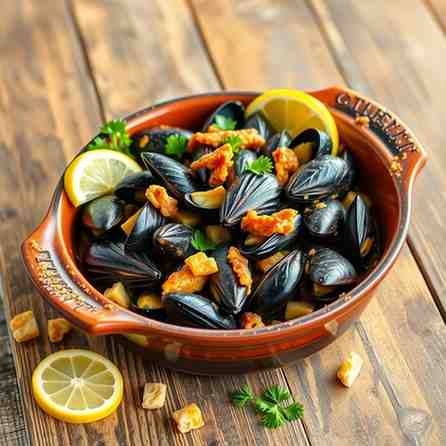
Welcome to the world of Jersey Ormers, a true coastal treasure! If you've never heard of an ormer, think of it as a delicious, large sea snail, closely related to abalone. These incredible shell fish recipes are a beloved part of Channel Islands cuisine, offering a unique taste of the ocean. While ormers can sometimes be a challenge to cook, often turning out tough in less-than-perfect preparations, this traditional casserole recipe is designed to be your foolproof guide. We're tackling the age-old problem of chewy ormers and unclear historical directions head-on, ensuring you achieve a perfectly tender, rich, and utterly satisfying stewed fish recipe every single time. Get ready to master this exquisite delicacy and bring a taste of the Channel Islands right into your kitchen!
Ingredients
Directions
- Prep: Clean, Trim, and Tenderize the Ormers (The Secret to Success!)
- Soak the Ormers: Place your fresh ormers (in their shells) in a large bowl of cold, salted water for at least 1-2 hours. This helps to relax them and makes removal easier, and also encourages them to expel any grit.
- Remove from Shell: Carefully pry each ormer from its shell using a sturdy knife or a spoon, being gentle not to damage the meat. Discard the shells.
- Scrub & Rinse: With a stiff brush (a clean toothbrush works great!), thoroughly scrub the black edges and any remaining grit from the sides of the ormer meat. Rinse each ormer under cold running water until completely clean.
- Trim Explanation: Identify and remove the following:
- Viscera (Guts): On one side of the ormer, you'll see a darker, softer, almost jelly-like mass. This is the digestive tract and needs to be completely removed. Use a sharp knife to carefully cut it away.
- Mouth/Beak: At the narrower, pointed end of the ormer, there's a small, hard, black "beak" or mouthpart. Trim this off.
- Frilly Edge: Some prefer to trim off the very thin, frilly outer edge of the ormer, as it can be slightly chewier. This is optional but can improve texture.
- Pound to Target Thickness: This is the most critical step for tenderness! Place a trimmed ormer between two sheets of plastic wrap or in a resealable bag. Using a meat mallet or a heavy rolling pin, gently but firmly pound the ormer. Your goal is to flatten it to an even thickness of about 1/4 to 1/3 inch. Don't pulverize it, but ensure it's visibly softened and flattened. Repeat for all ormers. Cut the pounded ormers into 1-inch pieces.
- Cooking the Casserole
- Preheat Oven: Preheat your oven to 325°F (160°C).
- Dredge & Brown Ormers: Place the 1/4 cup flour in a shallow dish. Dredge the pounded and cut ormer pieces lightly in the flour, shaking off any excess. In a large Dutch oven or heavy casserole dish with a lid, heat 1 tablespoon of neutral oil over medium-high heat. Add the floured ormer pieces in a single layer (you may need to do this in batches to avoid overcrowding). Brown them for 2-3 minutes per side until they're golden brown and lightly crispy. Remove the browned ormers to a plate and set aside.
- Render Pork & Build Base: Add the diced bacon to the same Dutch oven. Cook over medium heat, stirring occasionally, until the bacon is crispy and has rendered its fat, about 6-8 minutes. Remove the crispy bacon with a slotted spoon and set aside with the ormers, leaving the rendered fat in the pot.
- Add Veg & Bay; Season: Add the 2 tablespoons of butter to the pot with the bacon fat. Once melted, add the diced carrots and shallots. Sauté for 5-7 minutes until softened and fragrant. Add the minced garlic and bay leaf, cooking for another minute until aromatic. Season generously with 1 teaspoon kosher salt and 1/2 teaspoon black pepper.
- Add Liquid: Pour in the 1/2 cup dry white wine, scraping up any browned bits from the bottom of the pot. Let it simmer for 1-2 minutes until slightly reduced. Stir in the 2 cups of seafood stock. Return the browned ormers and rendered bacon to the pot. The liquid should mostly cover the ingredients; if not, add a splash more stock.
- Braise Covered: Bring the liquid to a gentle simmer on the stovetop. Cover the Dutch oven tightly with its lid and transfer it to the preheated oven. Braise for 1 hour 30 minutes.
- Check Tenderness: After 1 hour 30 minutes, carefully remove the pot from the oven. Using a fork, test an ormer piece for tenderness. It should be easily pierced and have a soft, yielding texture.
- Continue Braising if Needed: If the ormers are still tough, return the pot to the oven and continue braising, checking every 20-30 minutes, for up to another hour. If the liquid level gets too low, add a small amount of hot stock or water to keep the ormers submerged. The total cooking time can vary depending on the size and initial tenderness of your ormers.
- Finish & Serve: Once the ormers are perfectly tender, remove the bay leaf. Let the casserole rest for 10-15 minutes before serving. This allows the flavors to meld and the sauce to thicken slightly. Garnish with fresh thyme or parsley, if desired.
You may also like



Hey there! I’m just someone who seriously loves good food and believes that cooking doesn’t have to be complicated to be amazing. Whether it’s a quick weeknight dinner or a cozy weekend meal, I’m all about sharing easy, tasty recipes that actually work.