
Kazakhstan Shubat Recipe - Make Fermented Camel Milk Today
Kazakhstan Shubat Recipe - Make Fermented Camel Milk Today
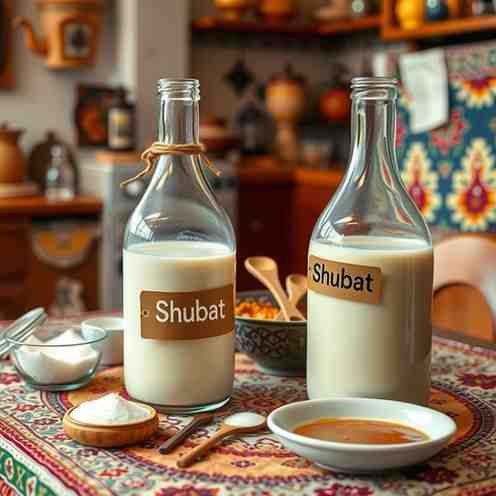
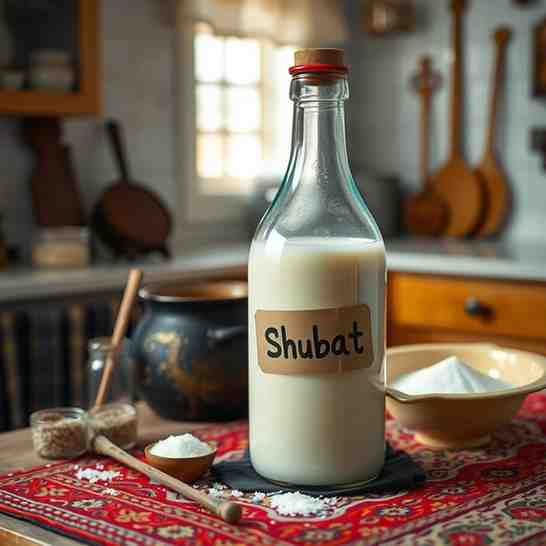
- Serves: 4 People
- Prepare Time: 15 minutes
- Cooking Time: 0 minutes
- Calories: -
- Difficulty: Easy
Ever heard of shubat? This incredible fermented milk product is Kazakhstan’s answer to a refreshing and tangy drink, traditionally made with raw camel milk. Imagine a creamy, slightly fizzy, and wonderfully sour elixir that’s been a staple in Central Asian nomadic cultures for centuries. It's more than just a drink; it's a taste of history and a powerhouse of nutrition.
In this guide, we're going to demystify Kazakhstan shubat and bring this unique tradition right into your kitchen. You'll get:
A clear, repeatable shubat recipe you can master at home.
The lowdown on what shubat is and why it's so important in Kazakh culture.
Practical tips on where to buy camel milk in the US to get started.
Forget the confusing instructions and questionable health claims you might find elsewhere. We're giving you the one clear path to making authentic-tasting fermented camel milk that’s both delicious and genuinely good for you. Ready to dive into the world of this ancient desert delight? Let's get started!
Ingredients
Directions
- Sanitize Your Jar and Tools: Before you begin, make sure your glass jar, lid, and any utensils you’ll be using are sparkling clean. You can wash them thoroughly with hot, soapy water, then rinse well. For an extra step, you can quickly rinse them with boiling water or a food-grade sanitizer, then let them air dry completely. Cleanliness is key for good fermentation!
- Warm Milk Only If Needed: Camel milk is best cultured around room temperature, ideally between 70-80°F (21-27°C). If your milk is straight from the fridge, gently warm it on the stovetop over low heat until it reaches this target temperature. If it's already at room temperature, you can skip this step. Avoid making it too hot, as this can harm the beneficial cultures.
- Add Starter and Mix: Pour the warmed (or room temperature) camel milk into your clean 1-quart jar. Add your ¼ cup of existing shubat starter (or 2-3 tablespoons of your chosen alternative starter). Stir it gently but thoroughly with a clean spoon or whisk until the starter is fully incorporated into the milk.
- Ferment at Room Temperature: Cover the jar loosely with its lid (or even a clean cloth secured with a rubber band to allow some airflow). Place the jar in a warm spot in your kitchen, away from direct sunlight, for 12-24 hours. The exact time will depend on your room temperature and the strength of your starter. Warmer temperatures will ferment faster.
- Stir/“Knead” Briefly at Intervals: Shubat traditionally benefits from a gentle stirring or "kneading" during fermentation. Every 3-6 hours, give the jar a gentle swirl or stir with a clean spoon for about 30 seconds. This helps distribute the microbes, prevents separation, and encourages a smooth, even fermentation.
- Chill to Stop Fermentation: Once your shubat reaches your desired tanginess and consistency (see "Ready When…" checkpoints below), place the jar in the refrigerator. Chilling will significantly slow down the fermentation process, preventing it from becoming too sour.
- Ripen in the Fridge (Optional but Recommended): For the best flavor and texture, let your shubat ripen in the fridge for another 12-24 hours after chilling. This allows the flavors to mellow and develop further, often resulting in a richer, more complex taste.
- “Ready When…” Checkpoints
- Smell: It should have a pleasant, clean, tangy aroma, similar to sour cream or very plain yogurt, but distinctively camel milk. It shouldn't smell "off" or rotten.
- Taste: It will be noticeably tangy and slightly sour, but still refreshing. It shouldn't be overwhelmingly acidic or bitter.
- Texture: It should be thicker than unfermented milk, with a creamy, pourable consistency. It might be slightly separated, but a gentle stir should bring it back together smoothly.
- Light Fizz: You might notice a very slight effervescence or "fizz" when you stir it or take a sip. This is normal and indicates healthy yeast activity.
- How to Serve
- Chilled: Shubat is best served very cold.
- Stir/Shake Before Pouring: Always give the jar a good stir or gentle shake before pouring, as some separation is natural. This ensures an even, creamy consistency in your glass.
Kazakhstan Shubat Recipe - Make Fermented Camel Milk Today
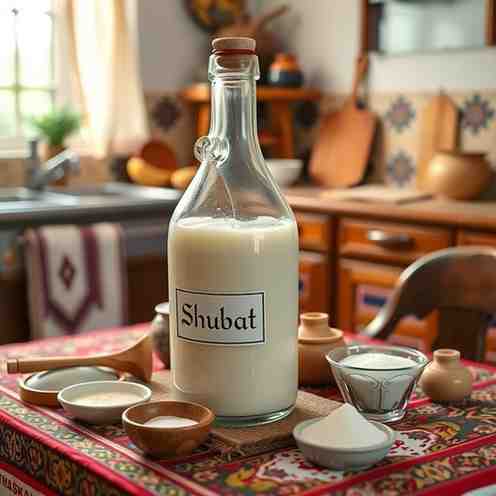
- Serves: 4 People
- Prepare Time: 15 minutes
- Cooking Time: 0 minutes
- Calories: -
- Difficulty: Easy
Ever heard of shubat? This incredible fermented milk product is Kazakhstan’s answer to a refreshing and tangy drink, traditionally made with raw camel milk. Imagine a creamy, slightly fizzy, and wonderfully sour elixir that’s been a staple in Central Asian nomadic cultures for centuries. It's more than just a drink; it's a taste of history and a powerhouse of nutrition.
In this guide, we're going to demystify Kazakhstan shubat and bring this unique tradition right into your kitchen. You'll get:
A clear, repeatable shubat recipe you can master at home.
The lowdown on what shubat is and why it's so important in Kazakh culture.
Practical tips on where to buy camel milk in the US to get started.
Forget the confusing instructions and questionable health claims you might find elsewhere. We're giving you the one clear path to making authentic-tasting fermented camel milk that’s both delicious and genuinely good for you. Ready to dive into the world of this ancient desert delight? Let's get started!
Ingredients
Directions
- Sanitize Your Jar and Tools: Before you begin, make sure your glass jar, lid, and any utensils you’ll be using are sparkling clean. You can wash them thoroughly with hot, soapy water, then rinse well. For an extra step, you can quickly rinse them with boiling water or a food-grade sanitizer, then let them air dry completely. Cleanliness is key for good fermentation!
- Warm Milk Only If Needed: Camel milk is best cultured around room temperature, ideally between 70-80°F (21-27°C). If your milk is straight from the fridge, gently warm it on the stovetop over low heat until it reaches this target temperature. If it's already at room temperature, you can skip this step. Avoid making it too hot, as this can harm the beneficial cultures.
- Add Starter and Mix: Pour the warmed (or room temperature) camel milk into your clean 1-quart jar. Add your ¼ cup of existing shubat starter (or 2-3 tablespoons of your chosen alternative starter). Stir it gently but thoroughly with a clean spoon or whisk until the starter is fully incorporated into the milk.
- Ferment at Room Temperature: Cover the jar loosely with its lid (or even a clean cloth secured with a rubber band to allow some airflow). Place the jar in a warm spot in your kitchen, away from direct sunlight, for 12-24 hours. The exact time will depend on your room temperature and the strength of your starter. Warmer temperatures will ferment faster.
- Stir/“Knead” Briefly at Intervals: Shubat traditionally benefits from a gentle stirring or "kneading" during fermentation. Every 3-6 hours, give the jar a gentle swirl or stir with a clean spoon for about 30 seconds. This helps distribute the microbes, prevents separation, and encourages a smooth, even fermentation.
- Chill to Stop Fermentation: Once your shubat reaches your desired tanginess and consistency (see "Ready When…" checkpoints below), place the jar in the refrigerator. Chilling will significantly slow down the fermentation process, preventing it from becoming too sour.
- Ripen in the Fridge (Optional but Recommended): For the best flavor and texture, let your shubat ripen in the fridge for another 12-24 hours after chilling. This allows the flavors to mellow and develop further, often resulting in a richer, more complex taste.
- “Ready When…” Checkpoints
- Smell: It should have a pleasant, clean, tangy aroma, similar to sour cream or very plain yogurt, but distinctively camel milk. It shouldn't smell "off" or rotten.
- Taste: It will be noticeably tangy and slightly sour, but still refreshing. It shouldn't be overwhelmingly acidic or bitter.
- Texture: It should be thicker than unfermented milk, with a creamy, pourable consistency. It might be slightly separated, but a gentle stir should bring it back together smoothly.
- Light Fizz: You might notice a very slight effervescence or "fizz" when you stir it or take a sip. This is normal and indicates healthy yeast activity.
- How to Serve
- Chilled: Shubat is best served very cold.
- Stir/Shake Before Pouring: Always give the jar a good stir or gentle shake before pouring, as some separation is natural. This ensures an even, creamy consistency in your glass.
You may also like




Hey there! I’m just someone who seriously loves good food and believes that cooking doesn’t have to be complicated to be amazing. Whether it’s a quick weeknight dinner or a cozy weekend meal, I’m all about sharing easy, tasty recipes that actually work.