
Kimbap - Easy Korean Sushi Hand Rolls for One
Kimbap - Easy Korean Sushi Hand Rolls for One
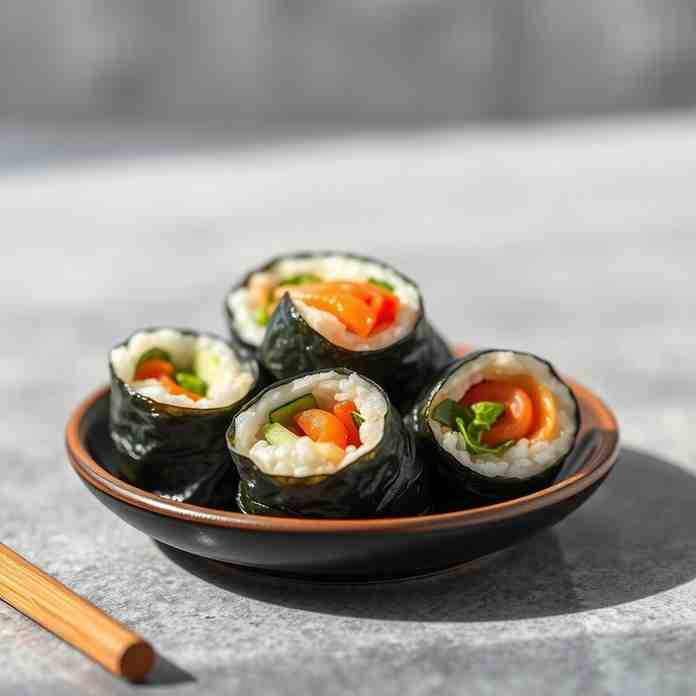
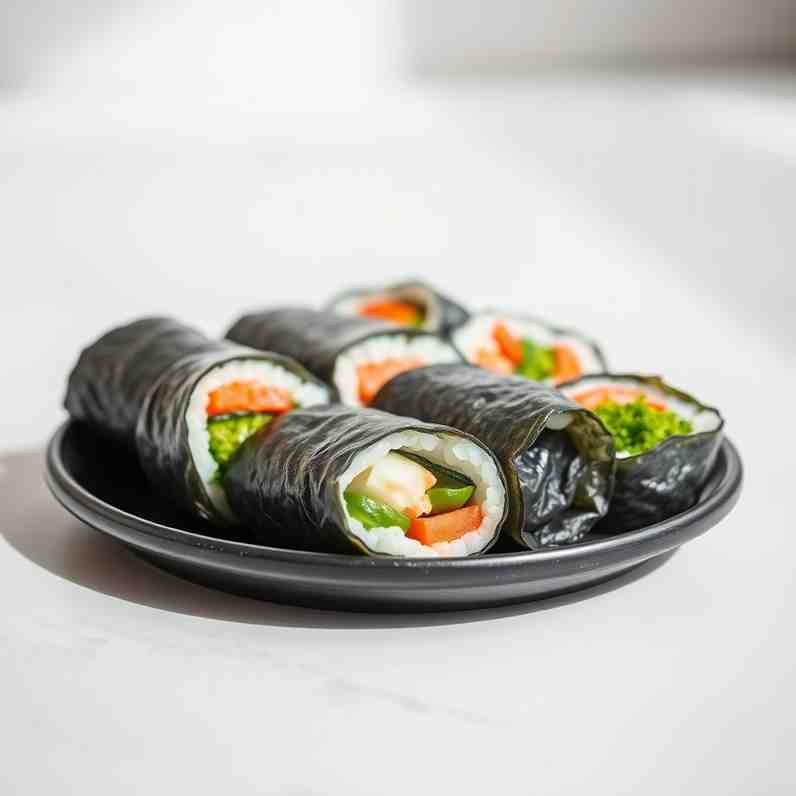
- Serves: 16 People
- Prepare Time: 30 minutes
- Cooking Time: 25 minutes
- Calories: -
- Difficulty: Easy
Craving a delicious, homemade lunch that’s both satisfying and super easy to make? Say hello to Homemade Kimbap, the ultimate Korean seaweed-wrapped rice rolls! Often mistaken for sushi hand rolls, gimbap is a vibrant, flavor-packed dish that’s perfect for busy weekdays, picnics, or whenever you need a quick, healthy meal. This recipe is specifically designed for one person, making it your new go-to for korean food meal prep and single serving recipes. We’ll walk you through prepping your ingredients, mastering the roll, and smart packing tips so you can enjoy these delightful rice n rolls any time. Get ready to dive into cooking from scratch with a recipe that's truly beginner-proof!
Ingredients
Directions
- Cook the Rice: Rinse your short-grain rice thoroughly until the water runs clear. Combine the ½ cup rinsed rice with ¾ cup water in a small pot or rice cooker. Bring to a boil, then reduce heat to low, cover, and simmer for 15-20 minutes, or until all water is absorbed. Once cooked, let it steam, covered, for 5-10 minutes off the heat. This is your
- rice texture checkpoint: the rice should be tender but still have a slight chew, not mushy. Spread the hot rice onto a wide, flat plate or baking sheet to cool down quickly. Cooling is crucial for easy handling!
- Season the Rice: Once the rice has cooled to lukewarm (it should not be hot when you roll), gently mix in 1 teaspoon sesame oil, ¼ teaspoon salt, and 1 teaspoon toasted sesame seeds. Use a spatula to fold it carefully, trying not to mash the grains.
- Prep the Spinach: Blanch the spinach in boiling salted water for about 30 seconds until bright green. Immediately transfer to an ice bath or rinse under cold water to stop cooking. Squeeze out all excess water until it’s as dry as possible. Season with a tiny drizzle of sesame oil and a pinch of salt.
- Moisture checklist: This step is key to avoiding soggy rolls!
- Prep the Carrots: Cut the carrot into thin, matchstick-like strips (aim for about ¼ inch thick and the length of your gimbap sheet). Lightly sprinkle with a pinch of salt and let sit for 5 minutes. This "salt sweat" draws out a little moisture. Briefly sauté in a nonstick skillet with a tiny bit of oil for 1-2 minutes until slightly softened but still crisp.
- Prep the Cucumber: Slice the cucumber into thin strips, similar in size to the carrots. Lightly salt them and let them sit for 5-10 minutes. Pat them very dry with paper towels to remove excess moisture.
- Moisture checklist: Again, dryness is key here to prevent your gim from tearing or getting soggy.
- Make Egg Sheet & Strips: Heat a nonstick skillet over medium-low heat. Pour the whisked eggs to form a thin omelet. Cook until set, then carefully flip and cook for another 30 seconds. Slide onto a cutting board and let cool slightly. Once cool, slice into thin strips (about ¼ to ½ inch thick).
- Prep Protein: If using deli ham, simply slice into strips. If using a hot dog, you can lightly pan-fry it before slicing. Keep it simple!
- Roll the Kimbap:
- Place one sheet of gim (seaweed) on your bamboo mat, shiny side down.
- Evenly spread about half of your seasoned rice over about two-thirds of the gim, leaving the top ~1.5-2 inches bare. Make sure the rice layer is thin and even.
- Arrange your fillings in a straight line across the center of the rice. Don't overfill! The strip size rules are important here; all fillings should be uniform and fit nicely.
- Start rolling from the bottom edge of the mat, tucking the edge of the gim over the fillings. Roll tightly, using the mat to compress the roll as you go.
- Once you reach the bare strip of gim, moisten it lightly with water to seal the seam. Finish rolling.
- Slice the Kimbap: Place the finished roll on a cutting board. Brush the outside lightly with sesame oil (this adds flavor and helps with slicing) and sprinkle with a few sesame seeds. For clean cuts, use a sharp knife and wipe it with a damp towel between slices. Slice into ½ to ¾ inch thick pieces. Repeat for the second roll.
Kimbap - Easy Korean Sushi Hand Rolls for One
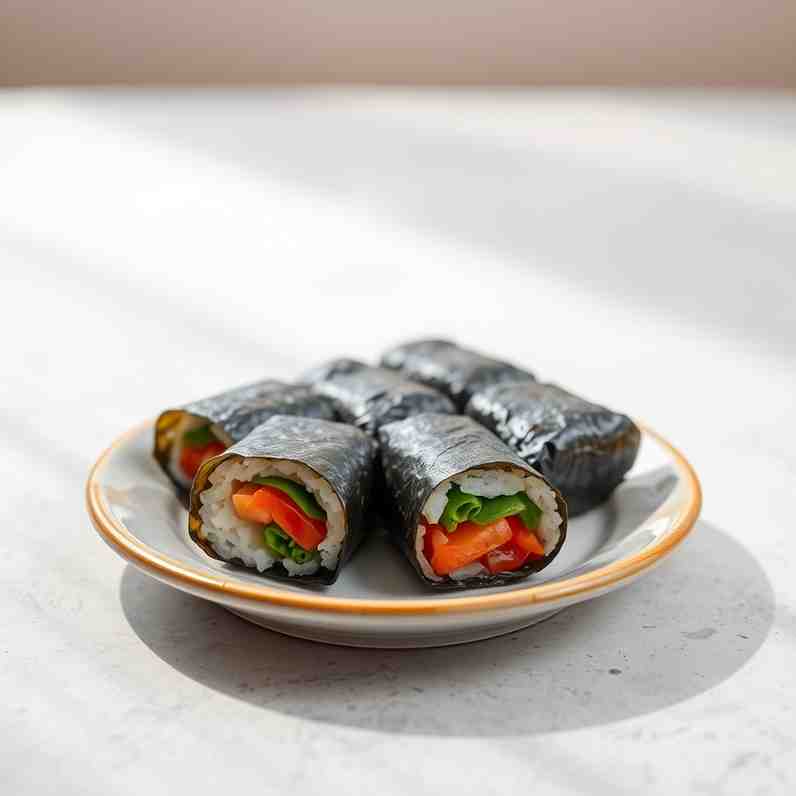
- Serves: 16 People
- Prepare Time: 30 minutes
- Cooking Time: 25 minutes
- Calories: -
- Difficulty: Easy
Craving a delicious, homemade lunch that’s both satisfying and super easy to make? Say hello to Homemade Kimbap, the ultimate Korean seaweed-wrapped rice rolls! Often mistaken for sushi hand rolls, gimbap is a vibrant, flavor-packed dish that’s perfect for busy weekdays, picnics, or whenever you need a quick, healthy meal. This recipe is specifically designed for one person, making it your new go-to for korean food meal prep and single serving recipes. We’ll walk you through prepping your ingredients, mastering the roll, and smart packing tips so you can enjoy these delightful rice n rolls any time. Get ready to dive into cooking from scratch with a recipe that's truly beginner-proof!
Ingredients
Directions
- Cook the Rice: Rinse your short-grain rice thoroughly until the water runs clear. Combine the ½ cup rinsed rice with ¾ cup water in a small pot or rice cooker. Bring to a boil, then reduce heat to low, cover, and simmer for 15-20 minutes, or until all water is absorbed. Once cooked, let it steam, covered, for 5-10 minutes off the heat. This is your
- rice texture checkpoint: the rice should be tender but still have a slight chew, not mushy. Spread the hot rice onto a wide, flat plate or baking sheet to cool down quickly. Cooling is crucial for easy handling!
- Season the Rice: Once the rice has cooled to lukewarm (it should not be hot when you roll), gently mix in 1 teaspoon sesame oil, ¼ teaspoon salt, and 1 teaspoon toasted sesame seeds. Use a spatula to fold it carefully, trying not to mash the grains.
- Prep the Spinach: Blanch the spinach in boiling salted water for about 30 seconds until bright green. Immediately transfer to an ice bath or rinse under cold water to stop cooking. Squeeze out all excess water until it’s as dry as possible. Season with a tiny drizzle of sesame oil and a pinch of salt.
- Moisture checklist: This step is key to avoiding soggy rolls!
- Prep the Carrots: Cut the carrot into thin, matchstick-like strips (aim for about ¼ inch thick and the length of your gimbap sheet). Lightly sprinkle with a pinch of salt and let sit for 5 minutes. This "salt sweat" draws out a little moisture. Briefly sauté in a nonstick skillet with a tiny bit of oil for 1-2 minutes until slightly softened but still crisp.
- Prep the Cucumber: Slice the cucumber into thin strips, similar in size to the carrots. Lightly salt them and let them sit for 5-10 minutes. Pat them very dry with paper towels to remove excess moisture.
- Moisture checklist: Again, dryness is key here to prevent your gim from tearing or getting soggy.
- Make Egg Sheet & Strips: Heat a nonstick skillet over medium-low heat. Pour the whisked eggs to form a thin omelet. Cook until set, then carefully flip and cook for another 30 seconds. Slide onto a cutting board and let cool slightly. Once cool, slice into thin strips (about ¼ to ½ inch thick).
- Prep Protein: If using deli ham, simply slice into strips. If using a hot dog, you can lightly pan-fry it before slicing. Keep it simple!
- Roll the Kimbap:
- Place one sheet of gim (seaweed) on your bamboo mat, shiny side down.
- Evenly spread about half of your seasoned rice over about two-thirds of the gim, leaving the top ~1.5-2 inches bare. Make sure the rice layer is thin and even.
- Arrange your fillings in a straight line across the center of the rice. Don't overfill! The strip size rules are important here; all fillings should be uniform and fit nicely.
- Start rolling from the bottom edge of the mat, tucking the edge of the gim over the fillings. Roll tightly, using the mat to compress the roll as you go.
- Once you reach the bare strip of gim, moisten it lightly with water to seal the seam. Finish rolling.
- Slice the Kimbap: Place the finished roll on a cutting board. Brush the outside lightly with sesame oil (this adds flavor and helps with slicing) and sprinkle with a few sesame seeds. For clean cuts, use a sharp knife and wipe it with a damp towel between slices. Slice into ½ to ¾ inch thick pieces. Repeat for the second roll.
You may also like



Hey there! I’m just someone who seriously loves good food and believes that cooking doesn’t have to be complicated to be amazing. Whether it’s a quick weeknight dinner or a cozy weekend meal, I’m all about sharing easy, tasty recipes that actually work.