Easy Kosovo Halva - Sweet Semolina Treat (Not Halva From Israel)
Easy Kosovo Halva - Sweet Semolina Treat (Not Halva From Israel)
- Serves: 8 People
- Prepare Time: 15 minutes
- Cooking Time: 25 minutes
- Calories: -
- Difficulty: Easy
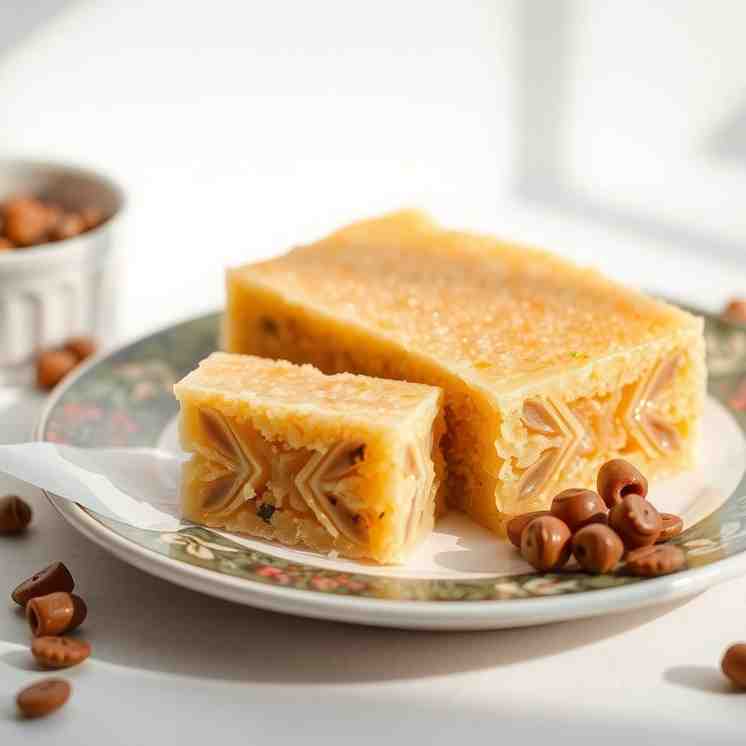
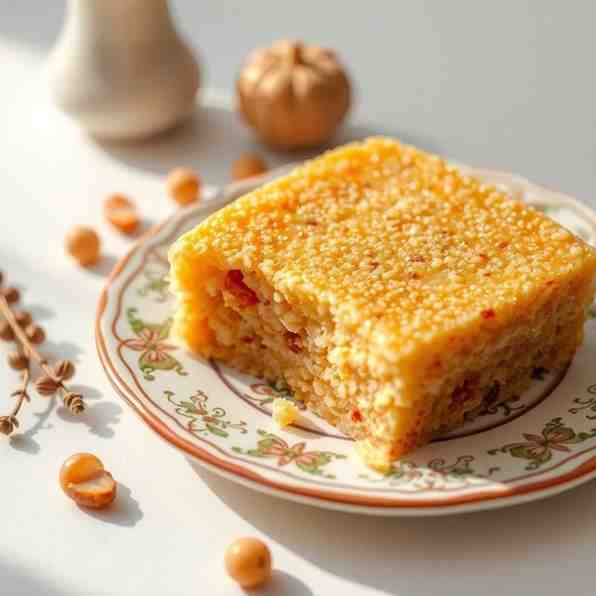
Are you ready to dive into a truly comforting and timeless dessert that’s as delightful to make as it is to eat? Get ready to discover Kosovo Halva, a sweet semolina delight that's a staple in Balkan kitchens. While you might be searching for "halva from Israel" or other Middle Eastern varieties, today we're focusing on a unique, cozy, and incredibly easy homemade dessert that brings warmth to any gathering. This isn't the crumbly, block-style tahini halva you might be familiar with; this is a soft, sliceable, stovetop treat made from toasted semolina.
Kosovo Halva (or Hallvë, as it’s known locally) tastes like a warm, subtly spiced, sweet hug. Imagine a rich, caramel-hued semolina pudding, infused with citrus and cinnamon, studded with nuts and raisins, and firm enough to slice. It’s a perfect gluten-free treat recipe that requires no baking, making it an ideal choice for quick gluten-free recipes and easy delicious recipes you can make at home.
To whip up this traditional semolina halva, you'll primarily need just a few simple ingredients: semolina, oil, sugar, water, a touch of citrus or spice, and your favorite nuts or raisins for texture. It’s a beginner-proof recipe that promises a rewarding experience and a truly satisfying sweet ending.
Key Warning: Be careful when adding the hot syrup to the semolina – it will splatter!
In plain English, Kosovo Halva is a traditional sweet semolina dessert, often enjoyed in Kosovo and other Balkan regions. It’s a rich, dense, and comforting treat made by toasting semolina in oil, then cooking it with a warm sugar syrup infused with spices and citrus. It sets into a firm, sliceable block, similar to a pudding or cake, but with a unique texture. You might see it called Hallvë or Halvas in different areas. Crucially, it's distinct from the crumbly, sesame-paste (tahini) block halva that's common in the Middle East and often mistakenly associated with "halva from Israel." This is a purely semolina-based delight!
Ingredients
Directions
- Make the Syrup: In the small saucepan, combine sugar, water, citrus peel, and cinnamon stick (and cloves, if using). Bring to a boil over medium-high heat, stirring until sugar dissolves. Reduce heat to low and keep warm while you prepare the semolina.
- Toast Semolina: In the deep, heavy pot, heat the neutral oil over medium heat. Add the semolina and stir constantly with a wooden spoon or heatproof spatula. Continue stirring for 10-15 minutes, or until the semolina turns a beautiful golden brown color and smells nutty and toasted. Don't rush this step!
- Safely Add Syrup: Carefully remove the semolina pot from the heat. Slowly and gradually pour the warm syrup into the toasted semolina, stirring continuously. Be extremely cautious as the mixture will bubble up and splatter vigorously.
- Cook to Finish: Return the pot to medium-low heat. Continue stirring constantly. The semolina will absorb the liquid and thicken. Cook for another 5-10 minutes, or until the mixture pulls away from the sides of the pot and forms a cohesive mass, leaving "tracks" as you stir.
- Stir in Add-ins: Remove from heat and stir in the chopped nuts and raisins until well combined. If using ground cinnamon instead of a stick, add it now.
- Mold & Cool: Lightly grease your chosen mold or pan (8x8 inch or loaf pan). Press the halva mixture evenly into the prepared pan using the back of a spoon or spatula. Cover loosely with plastic wrap and let it cool completely at room temperature for at least 2-3 hours, or until firm enough to slice.
- Serve: Once cooled and set, invert the halva onto a serving plate. Slice into squares or diamonds and serve.
- Kosovo Halva (Semolina) Step-by-step Instructions (expanded, with visual checkpoints)
- Make the syrup:
- In your small saucepan, combine the sugar, water, a strip of lemon or orange peel (make sure there's no bitter white pith!), and a cinnamon stick (and cloves, if you're using them).
- Place it over medium-high heat and stir gently until all the sugar has completely dissolved. You'll see the water become clear again.
- Once it comes to a boil, reduce the heat to very low. The goal here is to keep the syrup warm, not to reduce it. A warm syrup will incorporate more smoothly into the semolina later.
- Toast the semolina in oil:
- Grab your deep, heavy-bottomed pot. Pour in the neutral oil and heat it over medium heat.
- Once the oil is shimmering slightly, add all the semolina. This is where patience comes in!
- Stir constantly with your wooden spoon or heatproof spatula. You don't want any semolina to stick or burn.
- Visual checkpoint: The semolina will gradually change color, going from pale yellow to a light golden, then a rich, deep golden brown. This usually takes 10-15 minutes. You'll also notice a lovely, nutty aroma filling your kitchen. Don't rush this; proper toasting is key for flavor.
- Safely add syrup:
- IMPORTANT: Carefully remove the semolina pot from the heat source before adding the syrup. This helps control the reaction.
- Slowly, in a thin, steady stream, pour the warm syrup into the toasted semolina, stirring vigorously and continuously.
- Visual checkpoint: The mixture will bubble up very aggressively and steam. Keep stirring! The semolina will immediately start to absorb the liquid. Keep your face away from the pot during this step.
- Cook to finish:
- Return the pot to medium-low heat.
- Continue stirring constantly. The semolina will thicken quickly as it absorbs the remaining liquid.
- Visual checkpoint: The halva is done when it pulls away cleanly from the sides and bottom of the pot, forming a cohesive mass. As you stir, your spoon will leave clear "tracks" on the bottom of the pot. This usually takes another 5-10 minutes.
- Stir in add-ins:
- Take the pot off the heat.
- Now's the time to stir in your chopped nuts (walnuts, almonds, or pistachios) and raisins until they are evenly distributed throughout the halva. If you opted for ground cinnamon instead of a stick, add it here.
- Mold + cool:
- Lightly grease your chosen mold or pan (an 8x8 inch square pan or a loaf pan works great).
- Carefully transfer the hot halva mixture into the prepared pan.
- Using the back of a spoon or a spatula, press the halva down firmly and evenly into the pan. You want it to be compact.
- Cover the pan loosely with plastic wrap (to prevent a skin from forming) and let it cool completely at room temperature.
- Visual checkpoint: This cooling process takes at least 2-3 hours, sometimes longer, depending on your kitchen's temperature. The halva needs to be fully firm before you can slice it.
Easy Kosovo Halva - Sweet Semolina Treat (Not Halva From Israel)
.jpg)
- Serves: 8 People
- Prepare Time: 15 minutes
- Cooking Time: 25 minutes
- Calories: -
- Difficulty: Easy
Are you ready to dive into a truly comforting and timeless dessert that’s as delightful to make as it is to eat? Get ready to discover Kosovo Halva, a sweet semolina delight that's a staple in Balkan kitchens. While you might be searching for "halva from Israel" or other Middle Eastern varieties, today we're focusing on a unique, cozy, and incredibly easy homemade dessert that brings warmth to any gathering. This isn't the crumbly, block-style tahini halva you might be familiar with; this is a soft, sliceable, stovetop treat made from toasted semolina.
Kosovo Halva (or Hallvë, as it’s known locally) tastes like a warm, subtly spiced, sweet hug. Imagine a rich, caramel-hued semolina pudding, infused with citrus and cinnamon, studded with nuts and raisins, and firm enough to slice. It’s a perfect gluten-free treat recipe that requires no baking, making it an ideal choice for quick gluten-free recipes and easy delicious recipes you can make at home.
To whip up this traditional semolina halva, you'll primarily need just a few simple ingredients: semolina, oil, sugar, water, a touch of citrus or spice, and your favorite nuts or raisins for texture. It’s a beginner-proof recipe that promises a rewarding experience and a truly satisfying sweet ending.
Key Warning: Be careful when adding the hot syrup to the semolina – it will splatter!
In plain English, Kosovo Halva is a traditional sweet semolina dessert, often enjoyed in Kosovo and other Balkan regions. It’s a rich, dense, and comforting treat made by toasting semolina in oil, then cooking it with a warm sugar syrup infused with spices and citrus. It sets into a firm, sliceable block, similar to a pudding or cake, but with a unique texture. You might see it called Hallvë or Halvas in different areas. Crucially, it's distinct from the crumbly, sesame-paste (tahini) block halva that's common in the Middle East and often mistakenly associated with "halva from Israel." This is a purely semolina-based delight!
Ingredients
Directions
- Make the Syrup: In the small saucepan, combine sugar, water, citrus peel, and cinnamon stick (and cloves, if using). Bring to a boil over medium-high heat, stirring until sugar dissolves. Reduce heat to low and keep warm while you prepare the semolina.
- Toast Semolina: In the deep, heavy pot, heat the neutral oil over medium heat. Add the semolina and stir constantly with a wooden spoon or heatproof spatula. Continue stirring for 10-15 minutes, or until the semolina turns a beautiful golden brown color and smells nutty and toasted. Don't rush this step!
- Safely Add Syrup: Carefully remove the semolina pot from the heat. Slowly and gradually pour the warm syrup into the toasted semolina, stirring continuously. Be extremely cautious as the mixture will bubble up and splatter vigorously.
- Cook to Finish: Return the pot to medium-low heat. Continue stirring constantly. The semolina will absorb the liquid and thicken. Cook for another 5-10 minutes, or until the mixture pulls away from the sides of the pot and forms a cohesive mass, leaving "tracks" as you stir.
- Stir in Add-ins: Remove from heat and stir in the chopped nuts and raisins until well combined. If using ground cinnamon instead of a stick, add it now.
- Mold & Cool: Lightly grease your chosen mold or pan (8x8 inch or loaf pan). Press the halva mixture evenly into the prepared pan using the back of a spoon or spatula. Cover loosely with plastic wrap and let it cool completely at room temperature for at least 2-3 hours, or until firm enough to slice.
- Serve: Once cooled and set, invert the halva onto a serving plate. Slice into squares or diamonds and serve.
- Kosovo Halva (Semolina) Step-by-step Instructions (expanded, with visual checkpoints)
- Make the syrup:
- In your small saucepan, combine the sugar, water, a strip of lemon or orange peel (make sure there's no bitter white pith!), and a cinnamon stick (and cloves, if you're using them).
- Place it over medium-high heat and stir gently until all the sugar has completely dissolved. You'll see the water become clear again.
- Once it comes to a boil, reduce the heat to very low. The goal here is to keep the syrup warm, not to reduce it. A warm syrup will incorporate more smoothly into the semolina later.
- Toast the semolina in oil:
- Grab your deep, heavy-bottomed pot. Pour in the neutral oil and heat it over medium heat.
- Once the oil is shimmering slightly, add all the semolina. This is where patience comes in!
- Stir constantly with your wooden spoon or heatproof spatula. You don't want any semolina to stick or burn.
- Visual checkpoint: The semolina will gradually change color, going from pale yellow to a light golden, then a rich, deep golden brown. This usually takes 10-15 minutes. You'll also notice a lovely, nutty aroma filling your kitchen. Don't rush this; proper toasting is key for flavor.
- Safely add syrup:
- IMPORTANT: Carefully remove the semolina pot from the heat source before adding the syrup. This helps control the reaction.
- Slowly, in a thin, steady stream, pour the warm syrup into the toasted semolina, stirring vigorously and continuously.
- Visual checkpoint: The mixture will bubble up very aggressively and steam. Keep stirring! The semolina will immediately start to absorb the liquid. Keep your face away from the pot during this step.
- Cook to finish:
- Return the pot to medium-low heat.
- Continue stirring constantly. The semolina will thicken quickly as it absorbs the remaining liquid.
- Visual checkpoint: The halva is done when it pulls away cleanly from the sides and bottom of the pot, forming a cohesive mass. As you stir, your spoon will leave clear "tracks" on the bottom of the pot. This usually takes another 5-10 minutes.
- Stir in add-ins:
- Take the pot off the heat.
- Now's the time to stir in your chopped nuts (walnuts, almonds, or pistachios) and raisins until they are evenly distributed throughout the halva. If you opted for ground cinnamon instead of a stick, add it here.
- Mold + cool:
- Lightly grease your chosen mold or pan (an 8x8 inch square pan or a loaf pan works great).
- Carefully transfer the hot halva mixture into the prepared pan.
- Using the back of a spoon or a spatula, press the halva down firmly and evenly into the pan. You want it to be compact.
- Cover the pan loosely with plastic wrap (to prevent a skin from forming) and let it cool completely at room temperature.
- Visual checkpoint: This cooling process takes at least 2-3 hours, sometimes longer, depending on your kitchen's temperature. The halva needs to be fully firm before you can slice it.
You may also like

Hey there! I’m just someone who seriously loves good food and believes that cooking doesn’t have to be complicated to be amazing. Whether it’s a quick weeknight dinner or a cozy weekend meal, I’m all about sharing easy, tasty recipes that actually work.