
Kroštule - Easy Croatian Dessert Pastry Recipes for Sweet Treats
Kroštule - Easy Croatian Dessert Pastry Recipes for Sweet Treats
- Serves: 6 People
- Prepare Time: 30 minutes
- Cooking Time: 20 minutes
- Calories: -
- Difficulty: Easy
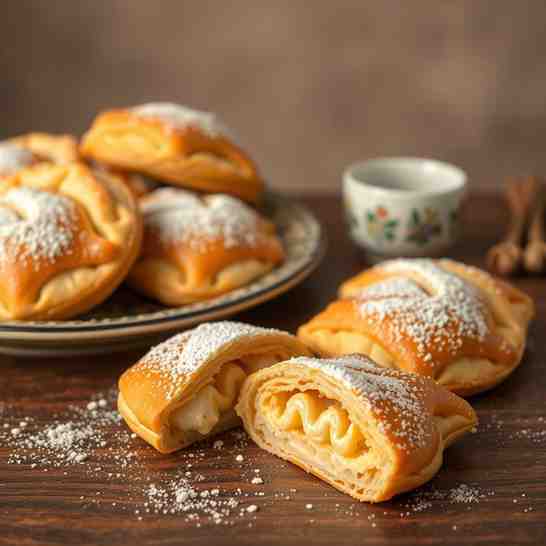
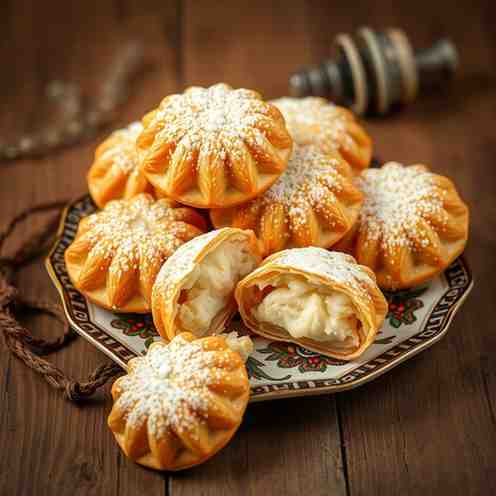
Hey there, sweet tooths! Are you ready to dive into a delicious tradition that’s been passed down through generations in Croatia? We’re talking about Kroštule – a delightful, crispy, and utterly irresistible fried pastry that’s a staple for celebrations, holidays, or just because you’re craving `something sweet easy to make`. Forget complicated `dessert pastry recipes`; this one is all about simple ingredients coming together to create pure magic.
Kroštule are more than just a `sweet dessert recipe`; they’re a taste of Croatian heritage. Often shaped like elegant bows or ribbons, these golden-fried treats are dusted generously with powdered sugar, making them a beautiful and festive addition to any table, especially during `Christmas sweet recipes` season. They're truly a `best family recipe` because everyone loves their light, airy crunch and subtle hint of citrus and spirits.
This guide is designed to give you the most authentic and straightforward Kroštule recipe, ensuring clarity and success whether you're a seasoned baker or just starting your culinary journey. We’ll walk you through every step, from mixing the dough to achieving that perfect golden crisp. Get ready to experience the joy of making and sharing these wonderful Croatian delights!
Ingredients
Directions
- Gather Your Tools: Make sure you have a large mixing bowl, a rolling pin, a sharp knife or pastry wheel, and a deep pot or Dutch oven for frying.
- Combine Dry Ingredients: In your large mixing bowl, whisk together the flour, baking powder, salt, and granulated sugar. Make a well in the center.
- Mix Wet Ingredients: In a separate small bowl, lightly beat the eggs. Add the melted butter (or lard), rum (if using), and lemon zest to the eggs. Whisk gently to combine.
- Form the Dough: Pour the wet ingredient mixture into the well of the dry ingredients. Use a sturdy spoon or your hands to gradually mix everything together until a shaggy dough forms. If the dough seems too dry, add milk or water one tablespoon at a time until it just comes together.
- Knead the Dough: Turn the dough out onto a lightly floured surface. Knead for about 5-7 minutes until the dough is smooth, elastic, and no longer sticky. It should feel soft and pliable.
- Rest the Dough: Form the dough into a ball, cover it with plastic wrap or a clean kitchen towel, and let it rest at room temperature for at least 30 minutes. This allows the gluten to relax, making the dough easier to roll.
- Prepare for Frying: While the dough rests, pour the frying oil (or lard) into a deep pot or Dutch oven, ensuring it's at least 2-3 inches deep. Heat the oil over medium-high heat to 350-375°F (175-190°C). If you don't have a thermometer, test by dropping a small piece of dough into the oil – it should sizzle immediately and float to the surface.
- Roll and Cut: Divide the rested dough into 2-3 portions to make it easier to work with. On a lightly floured surface, roll one portion of dough out very thinly, about 1/16 to 1/8 inch (1.5-3 mm) thick. The thinner the dough, the crispier your Kroštule will be! Using a sharp knife or pastry wheel, cut the dough into strips about 1 inch (2.5 cm) wide and 4-6 inches (10-15 cm) long. You can make a small slit in the middle of each strip and pull one end through to create a knotted or bow shape, or simply leave them as strips.
- Fry the Kroštule: Carefully drop a few Kroštule into the hot oil. Don't overcrowd the pot, as this will lower the oil temperature. Fry for about 1-2 minutes per side, or until they are golden brown and puffed up.
- Drain and Cool: Using a slotted spoon or tongs, remove the fried Kroštule and place them on a plate lined with paper towels to drain any excess oil.
- Dust and Serve: Once slightly cooled, arrange the Kroštule on a serving platter and generously dust them with powdered sugar. Serve warm or at room temperature. Enjoy your homemade Croatian delight!
Kroštule - Easy Croatian Dessert Pastry Recipes for Sweet Treats
- Serves: 6 People
- Prepare Time: 30 minutes
- Cooking Time: 20 minutes
- Calories: -
- Difficulty: Easy
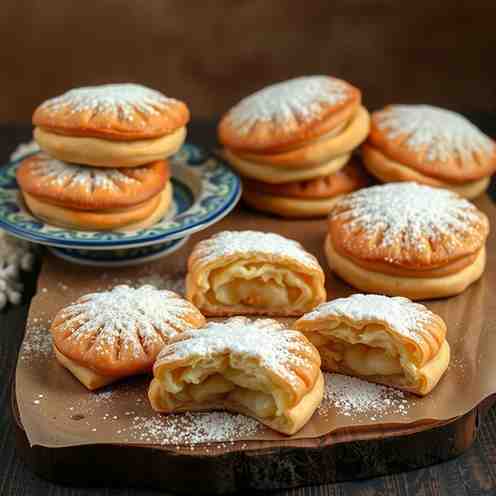
Hey there, sweet tooths! Are you ready to dive into a delicious tradition that’s been passed down through generations in Croatia? We’re talking about Kroštule – a delightful, crispy, and utterly irresistible fried pastry that’s a staple for celebrations, holidays, or just because you’re craving `something sweet easy to make`. Forget complicated `dessert pastry recipes`; this one is all about simple ingredients coming together to create pure magic.
Kroštule are more than just a `sweet dessert recipe`; they’re a taste of Croatian heritage. Often shaped like elegant bows or ribbons, these golden-fried treats are dusted generously with powdered sugar, making them a beautiful and festive addition to any table, especially during `Christmas sweet recipes` season. They're truly a `best family recipe` because everyone loves their light, airy crunch and subtle hint of citrus and spirits.
This guide is designed to give you the most authentic and straightforward Kroštule recipe, ensuring clarity and success whether you're a seasoned baker or just starting your culinary journey. We’ll walk you through every step, from mixing the dough to achieving that perfect golden crisp. Get ready to experience the joy of making and sharing these wonderful Croatian delights!
Ingredients
Directions
- Gather Your Tools: Make sure you have a large mixing bowl, a rolling pin, a sharp knife or pastry wheel, and a deep pot or Dutch oven for frying.
- Combine Dry Ingredients: In your large mixing bowl, whisk together the flour, baking powder, salt, and granulated sugar. Make a well in the center.
- Mix Wet Ingredients: In a separate small bowl, lightly beat the eggs. Add the melted butter (or lard), rum (if using), and lemon zest to the eggs. Whisk gently to combine.
- Form the Dough: Pour the wet ingredient mixture into the well of the dry ingredients. Use a sturdy spoon or your hands to gradually mix everything together until a shaggy dough forms. If the dough seems too dry, add milk or water one tablespoon at a time until it just comes together.
- Knead the Dough: Turn the dough out onto a lightly floured surface. Knead for about 5-7 minutes until the dough is smooth, elastic, and no longer sticky. It should feel soft and pliable.
- Rest the Dough: Form the dough into a ball, cover it with plastic wrap or a clean kitchen towel, and let it rest at room temperature for at least 30 minutes. This allows the gluten to relax, making the dough easier to roll.
- Prepare for Frying: While the dough rests, pour the frying oil (or lard) into a deep pot or Dutch oven, ensuring it's at least 2-3 inches deep. Heat the oil over medium-high heat to 350-375°F (175-190°C). If you don't have a thermometer, test by dropping a small piece of dough into the oil – it should sizzle immediately and float to the surface.
- Roll and Cut: Divide the rested dough into 2-3 portions to make it easier to work with. On a lightly floured surface, roll one portion of dough out very thinly, about 1/16 to 1/8 inch (1.5-3 mm) thick. The thinner the dough, the crispier your Kroštule will be! Using a sharp knife or pastry wheel, cut the dough into strips about 1 inch (2.5 cm) wide and 4-6 inches (10-15 cm) long. You can make a small slit in the middle of each strip and pull one end through to create a knotted or bow shape, or simply leave them as strips.
- Fry the Kroštule: Carefully drop a few Kroštule into the hot oil. Don't overcrowd the pot, as this will lower the oil temperature. Fry for about 1-2 minutes per side, or until they are golden brown and puffed up.
- Drain and Cool: Using a slotted spoon or tongs, remove the fried Kroštule and place them on a plate lined with paper towels to drain any excess oil.
- Dust and Serve: Once slightly cooled, arrange the Kroštule on a serving platter and generously dust them with powdered sugar. Serve warm or at room temperature. Enjoy your homemade Croatian delight!
You may also like

Hey there! I’m just someone who seriously loves good food and believes that cooking doesn’t have to be complicated to be amazing. Whether it’s a quick weeknight dinner or a cozy weekend meal, I’m all about sharing easy, tasty recipes that actually work.