Kuli-Kuli - African Peanut Snack Recipe
Kuli-Kuli - African Peanut Snack Recipe
- Serves: 6 People
- Prepare Time: 30 minutes
- Cooking Time: 20 minutes
- Calories: -
- Difficulty: Medium
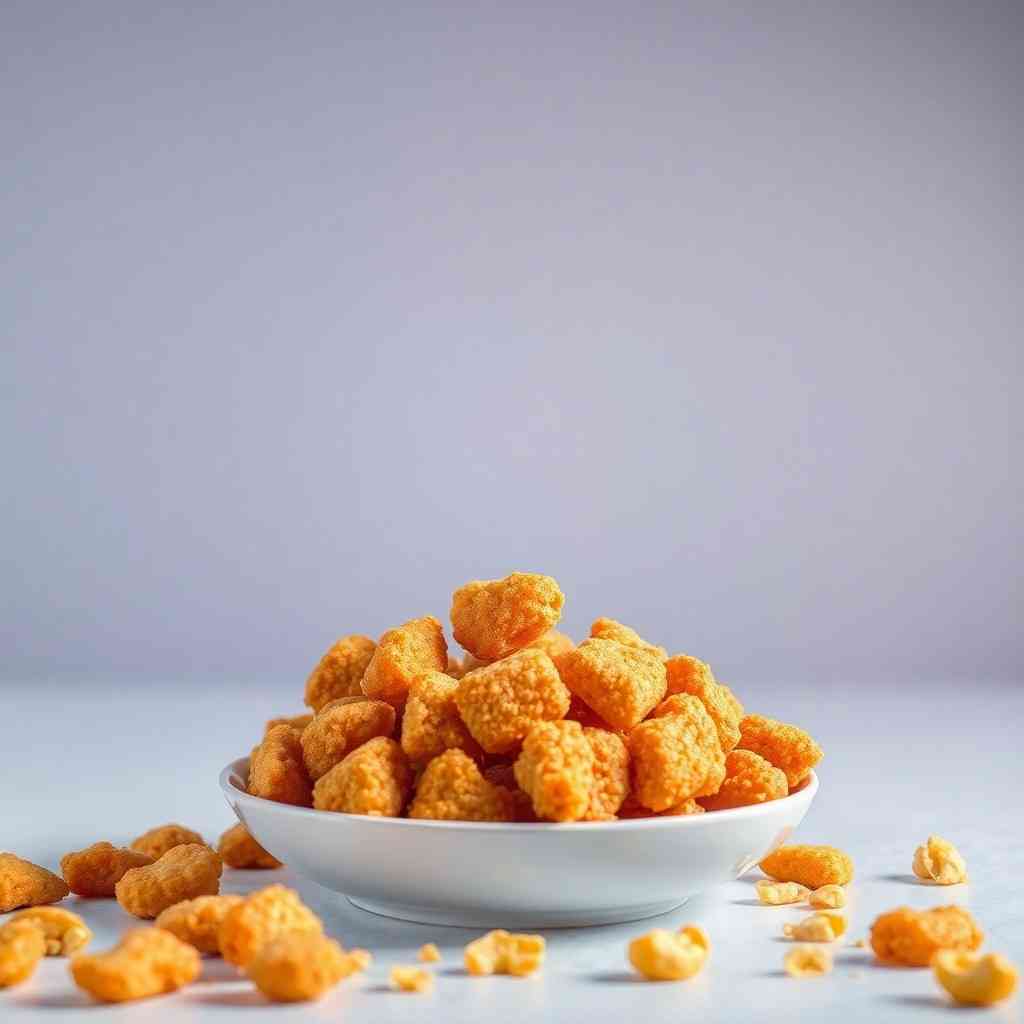
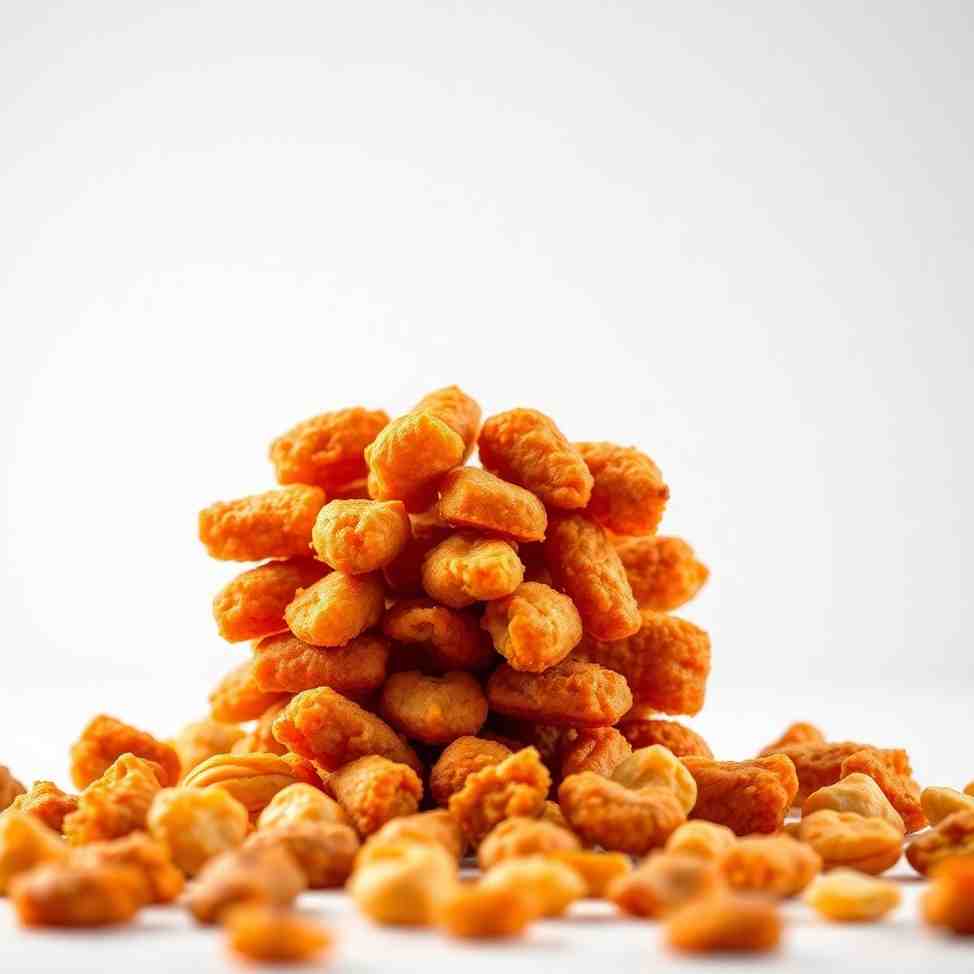
Hey there, food adventurers! Get ready to dive into the vibrant flavors of West Africa with an incredible snack that’s crunchy, savory, and utterly addictive: Kuli-Kuli! Hailing from the beautiful country of Benin, Kuli-Kuli is more than just a snack; it's a cultural staple, often enjoyed at celebrations, as a quick bite, or alongside other delicious african food recipes. If you're looking to explore african cuisine recipes or dishes from around the world, this authentic Kuli-Kuli recipe is your perfect starting point.
Made primarily from roasted salted peanuts, Kuli-Kuli is a testament to simple ingredients creating profound flavors. It's incredibly versatile, perfect for munching on its own, dipping into a spicy sauce, or even crumbling over salads for an extra crunch. Whether you're a seasoned chef or just starting your journey into west african food, this recipe is designed to be easy to follow and incredibly rewarding. Let's get cooking and bring a taste of Benin right into your kitchen!
Ingredients
Directions
- Prepare the Peanuts : Start by preheating your oven to 350°F (175°C). Spread the raw peanuts evenly on a baking sheet. Roast them for about 10-15 minutes, or until they're lightly golden and smell fragrant. Keep a close eye on them to prevent burning! Once roasted, let them cool slightly, then gently rub them between your palms to remove most of the skins. Don't worry if a few skins remain – it adds character! Now, transfer the roasted, de-skinned peanuts to a food processor or a traditional mortar and pestle. Process or crush them until they form a coarse, granular paste. You want it to be like a very thick, crumbly peanut butter, not completely smooth.
- Dehydrate the Paste : This is the most crucial step for achieving that signature Kuli-Kuli crunch! Scoop the peanut paste into a clean, sturdy kitchen towel or cheesecloth. Gather the edges of the cloth and twist tightly, squeezing out as much excess oil as you possibly can. You'll be surprised how much oil comes out! Keep squeezing until the peanut dough feels dry, firm, and crumbly, almost like playdough. The more oil you remove, the crispier your Kuli-Kuli will be.
- Seasoning : Transfer your now-drier peanut dough to a mixing bowl. Add the ground ginger, cayenne pepper, crushed bouillon cube, and salt. Mix everything thoroughly with your hands until the spices are evenly distributed throughout the dough. Give it a little taste test and adjust the seasoning if needed – a bit more salt or spice can really make it pop! If the dough feels too dry to hold together, add warm water a teaspoon at a time until it just comes together.
- Shape the Dough : Take small portions of the seasoned peanut dough and roll them into small balls, about ½ to 1 inch in diameter. Alternatively, you can shape them into elongated, finger-like pieces or even flatten them slightly into discs. Get creative with your shapes, but try to keep them relatively uniform in size for even frying.
- Frying : Heat the peanut oil in a deep pot or a cast-iron skillet over medium-high heat. The oil should be hot enough to make a small piece of dough sizzle immediately when dropped in (around 325-350°F or 160-175°C). Carefully drop the shaped Kuli-Kuli pieces into the hot oil, making sure not to overcrowd the pot. Fry them in batches, turning occasionally, until they are golden brown and crispy on all sides. This usually takes about 5-8 minutes per batch.
- Final Steps : Once golden and crispy, use a slotted spoon to transfer the Kuli-Kuli to a plate lined with paper towels to drain any excess oil. Let them cool completely. As they cool, they will become even crispier. If, for some reason, your Kuli-Kuli turns out a bit soft after cooling (this can happen if not enough oil was squeezed out), don't despair! You can place them on a baking sheet and bake them in a preheated oven at 250°F (120°C) for 15-20 minutes, or until they are fully dry and crispy.
Kuli-Kuli - African Peanut Snack Recipe

- Serves: 6 People
- Prepare Time: 30 minutes
- Cooking Time: 20 minutes
- Calories: -
- Difficulty: Medium
Hey there, food adventurers! Get ready to dive into the vibrant flavors of West Africa with an incredible snack that’s crunchy, savory, and utterly addictive: Kuli-Kuli! Hailing from the beautiful country of Benin, Kuli-Kuli is more than just a snack; it's a cultural staple, often enjoyed at celebrations, as a quick bite, or alongside other delicious african food recipes. If you're looking to explore african cuisine recipes or dishes from around the world, this authentic Kuli-Kuli recipe is your perfect starting point.
Made primarily from roasted salted peanuts, Kuli-Kuli is a testament to simple ingredients creating profound flavors. It's incredibly versatile, perfect for munching on its own, dipping into a spicy sauce, or even crumbling over salads for an extra crunch. Whether you're a seasoned chef or just starting your journey into west african food, this recipe is designed to be easy to follow and incredibly rewarding. Let's get cooking and bring a taste of Benin right into your kitchen!
Ingredients
Directions
- Prepare the Peanuts : Start by preheating your oven to 350°F (175°C). Spread the raw peanuts evenly on a baking sheet. Roast them for about 10-15 minutes, or until they're lightly golden and smell fragrant. Keep a close eye on them to prevent burning! Once roasted, let them cool slightly, then gently rub them between your palms to remove most of the skins. Don't worry if a few skins remain – it adds character! Now, transfer the roasted, de-skinned peanuts to a food processor or a traditional mortar and pestle. Process or crush them until they form a coarse, granular paste. You want it to be like a very thick, crumbly peanut butter, not completely smooth.
- Dehydrate the Paste : This is the most crucial step for achieving that signature Kuli-Kuli crunch! Scoop the peanut paste into a clean, sturdy kitchen towel or cheesecloth. Gather the edges of the cloth and twist tightly, squeezing out as much excess oil as you possibly can. You'll be surprised how much oil comes out! Keep squeezing until the peanut dough feels dry, firm, and crumbly, almost like playdough. The more oil you remove, the crispier your Kuli-Kuli will be.
- Seasoning : Transfer your now-drier peanut dough to a mixing bowl. Add the ground ginger, cayenne pepper, crushed bouillon cube, and salt. Mix everything thoroughly with your hands until the spices are evenly distributed throughout the dough. Give it a little taste test and adjust the seasoning if needed – a bit more salt or spice can really make it pop! If the dough feels too dry to hold together, add warm water a teaspoon at a time until it just comes together.
- Shape the Dough : Take small portions of the seasoned peanut dough and roll them into small balls, about ½ to 1 inch in diameter. Alternatively, you can shape them into elongated, finger-like pieces or even flatten them slightly into discs. Get creative with your shapes, but try to keep them relatively uniform in size for even frying.
- Frying : Heat the peanut oil in a deep pot or a cast-iron skillet over medium-high heat. The oil should be hot enough to make a small piece of dough sizzle immediately when dropped in (around 325-350°F or 160-175°C). Carefully drop the shaped Kuli-Kuli pieces into the hot oil, making sure not to overcrowd the pot. Fry them in batches, turning occasionally, until they are golden brown and crispy on all sides. This usually takes about 5-8 minutes per batch.
- Final Steps : Once golden and crispy, use a slotted spoon to transfer the Kuli-Kuli to a plate lined with paper towels to drain any excess oil. Let them cool completely. As they cool, they will become even crispier. If, for some reason, your Kuli-Kuli turns out a bit soft after cooling (this can happen if not enough oil was squeezed out), don't despair! You can place them on a baking sheet and bake them in a preheated oven at 250°F (120°C) for 15-20 minutes, or until they are fully dry and crispy.
The following nutritional values are per serving (one piece of cake) Calories Approximately 350-400 kcal Carbohydrates Approximately 8-12g Protein Approximately 12-15g Fat Approximately 30-35g Tools and ingredients that can help you cook more easily and consistently. Problem: Crushing roasted peanuts into a fine, granular paste by hand can be incredibly time-consuming and inconsistent, leading to uneven textures in your Kuli-Kuli. Problem: Squeezing out excess oil from the peanut paste is crucial for achieving that characteristic dry, firm Kuli-Kuli dough. Doing this inefficiently can leave your snack greasy and soft. Problem: Frying Kuli-Kuli requires maintaining a consistent oil temperature to ensure even cooking and a golden, crispy finish. Without proper temperature control, you risk burning the outside while the inside remains uncooked, or having them soak up too much oil. Click any ingredient for detailed nutritional information:Recipe Nutritional Values
Additional Information
Recipe Success Tips
Ingredient Substitutions & Variations
Cultural Variations
Make-Ahead & Storage Instructions
Frequently Asked Questions
Recommended Kitchen Tools
Food Processor or Blender
Agitate: Imagine spending an hour painstakingly grinding peanuts, only to end up with some pieces too coarse and others too fine, impacting the final crispiness and mouthfeel of your snack.
Solution: A powerful food processor or a sturdy blender can transform roasted peanuts into the perfect granular consistency in mere minutes, ensuring uniformity and saving you significant effort.Sturdy Kitchen Towel or Cheesecloth
Agitate: You might find yourself struggling to extract enough oil, resulting in a dough that's too slick to shape properly, or worse, Kuli-Kuli that feels heavy and oily after frying.
Solution: A thick, absorbent kitchen towel or several layers of cheesecloth provides the necessary leverage and absorption to efficiently press out the excess oil, leaving you with a perfectly firm and manageable dough.Deep Fryer with Temperature Control
Agitate: Constantly adjusting your stove's heat, guessing the oil temperature, and ending up with Kuli-Kuli that's either too dark, too pale, or disappointingly soggy is a common frustration for home cooks.
Solution: A deep fryer with a built-in thermometer and temperature control takes the guesswork out of frying, guaranteeing your Kuli-Kuli cooks perfectly every time to a beautiful golden crisp. A heavy-bottomed pot with a separate thermometer also works wonders!Calories per Ingredient
Resources & References
You may also like

Hey there! I’m just someone who seriously loves good food and believes that cooking doesn’t have to be complicated to be amazing. Whether it’s a quick weeknight dinner or a cozy weekend meal, I’m all about sharing easy, tasty recipes that actually work.