
Latvian Cottage Cheese Cheesecake - Easy Biezpienmaize Recipe
Latvian Cottage Cheese Cheesecake - Easy Biezpienmaize Recipe
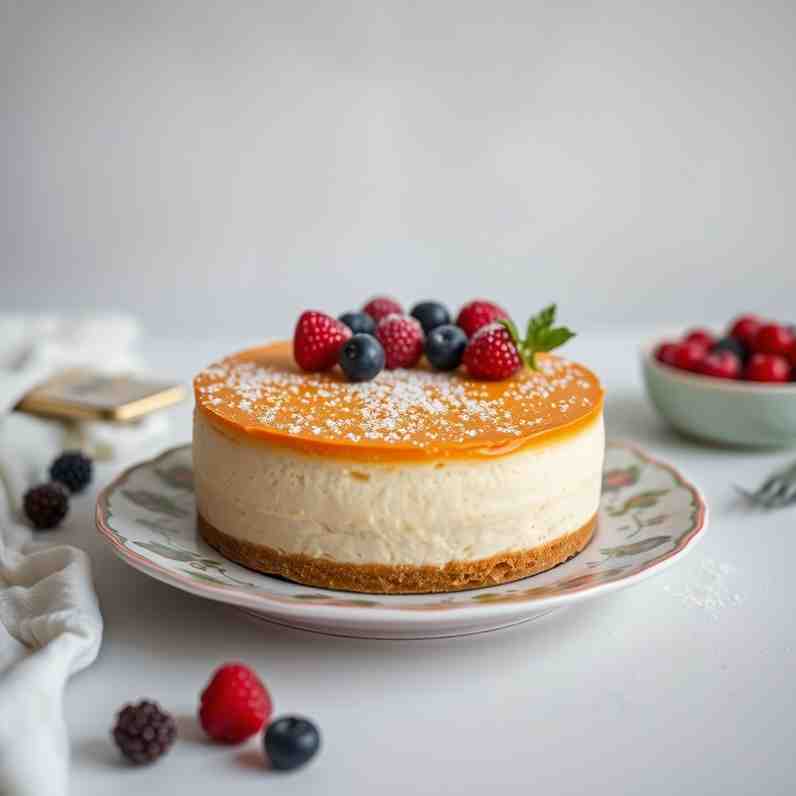
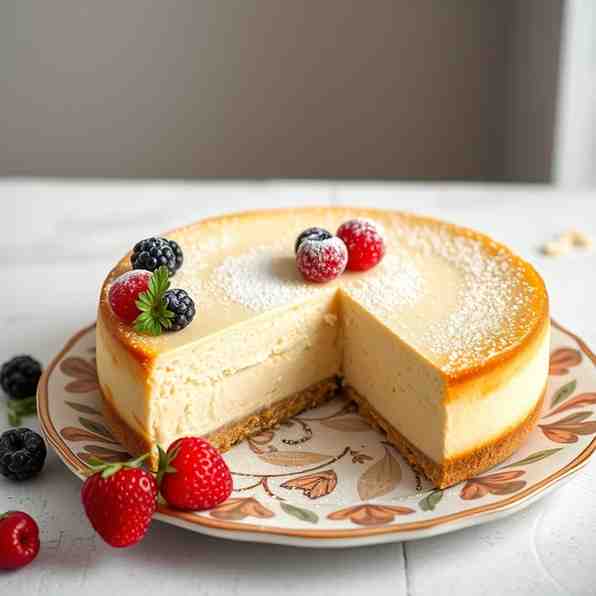
- Serves: 10 People
- Prepare Time: 30 minutes
- Cooking Time: 70 minutes
- Calories: -
- Difficulty: Medium
Get ready to discover a truly special dessert! If you're searching for a unique cheesecake recipe using cottage cheese that's lighter and tangier than your usual fare, you've landed in the perfect spot. We're diving into the heart of Latvian baking with "Klasiskā Latviešu Siera Kūka," lovingly known as Biezpienmaize (pronounced BEE-ez-pee-en-my-zeh). This isn't just another cottage cheese cake recipe; it's a traditional, baked farmer's cheese cheesecake that offers a delightful contrast to its dense, cream cheese-laden New York cousin.
Biezpienmaize stands out with its airy, curd-forward texture and often comes baked as a generous tray slice, perfect for sharing. Unlike the rich, heavy cheesecakes you might be used to, this Latvian classic is wonderfully light, custardy, and boasts a refreshing tang that truly makes the cheese cake filling recipes shine. Whether you're a seasoned baker eager to explore European traditions or a beginner looking for an easy cheese cake recipe with a twist, this guide is designed for you. We'll walk you through crafting an authentic taste of Latvia, complete with reliable US ingredient swaps, so your homemade Biezpienmaize will be nothing short of perfection.
Biezpienmaize, simply put, is a Latvian baked cheesecake made with cottage cheese or farmer's cheese. The name itself, "biezpiens," refers to the curd cheese that is its star ingredient. You'll often spot it in Latvian bakeries as rectangular slices, boasting a lightly golden top, sometimes studded with plump raisins or sultanas. Expect a tangy, not-overly-sweet flavor with a custardy yet sliceable texture that's utterly satisfying.
To truly capture the essence of Biezpienmaize, understanding a few key ingredients is crucial.
"Biezpiens" (pronounced BEE-ez-pee-ens) is a fresh, curd cheese that's central to this recipe. It's drier and more crumbly than typical US cottage cheese, and its unique texture contributes to the cheesecake's characteristic lightness.
Best US Options:
Farmer’s cheese / dry-curd cottage cheese: This is your top choice! It’s the closest in texture and dryness to traditional biezpiens.
Drained cottage cheese: If you can't find farmer's cheese, regular large-curd cottage cheese can work, but you must drain it thoroughly, ideally overnight in a cheesecloth, to remove excess moisture.
Eastern European “tvorog/quark/curd cheese” equivalents: If you have access to specialty stores, these are excellent, authentic substitutes.
How dry it should be: The cheese should feel firm and crumbly, not wet or soupy. Think of it like a firm ricotta, but with a more distinct curd.
A little starch helps bind the filling and gives it that lovely, custardy texture without being rubbery.
Potato starch vs cornstarch: Potato starch is traditionally used and provides a slightly silkier, more delicate texture. Cornstarch works well too, and is more readily available, offering a similar binding effect. Either will do the trick!
These add a touch of sweetness and chewiness.
Quick note: If you're using them, a quick soak in warm water (or even a splash of rum!) for 10-15 minutes, followed by patting them completely dry, will prevent them from sinking to the bottom or making the filling watery.
These two are crucial for balancing the richness and highlighting the tangy cheese. Lemon zest brightens the flavor, while vanilla adds a comforting warmth. Don't skip them!
Having the right tools makes all the difference for a smooth baking experience.
Recommended pan for the canonical recipe: A 9x13-inch (23x33 cm) rectangular baking pan is ideal for the traditional tray-slice format. A 9x9-inch square pan can also work for a thicker cheesecake, adjusting bake time as needed.
Lining method that prevents soggy base: Line the pan with parchment paper, leaving an overhang on the longer sides. This not only makes lifting the cheesecake out a breeze but also creates a barrier that helps prevent a soggy bottom, especially important for a baked crust.
Mixer/processor guidance:
Food processor: Best for achieving a super smooth, lump-free cheese filling. Process until creamy.
Hand mixer: Can also be used, but you might need to scrape down the sides more often to ensure all the cheese is blended. The texture might be slightly less uniform but still delicious.
Here’s how to bake your very own Klasiskā Latviešu Siera Kūka!
Ingredients
Directions
- Prep Oven + Pan: Preheat your oven to 350°F (175°C). Line a 9x13-inch (23x33 cm) rectangular baking pan with parchment paper, allowing an overhang on the long sides for easy lifting.
- Make the Crust: In a medium bowl, combine flour, sugar, baking powder, and salt. Add the cold, cubed butter. Using your fingertips or a pastry blender, cut the butter into the dry ingredients until the mixture resembles coarse crumbs. Press this crumb mixture evenly into the bottom of the prepared pan.
- Chill and Par-bake Crust: Place the pan in the fridge for 15 minutes to chill the crust. Then, par-bake the crust for 10-12 minutes, or until lightly golden. This helps create a sturdy, non-soggy base. Let it cool slightly while you prepare the filling.
- Prep Mix-ins (if using): If using raisins, soak them in warm water for 10-15 minutes, then drain thoroughly and pat completely dry with a paper towel. Set aside.
- Make the Cheese Base: In a food processor (or a large bowl with a hand mixer), combine the farmer’s cheese (or drained cottage cheese), ¾ cup sugar, sour cream, vanilla extract, lemon zest, and pinch of salt. Process or beat until the mixture is completely smooth and creamy, with no lumps of cheese visible. This is key for a silky cheesecake!
- Add Yolks + Flavorings + Starch: Add the egg yolks one at a time to the cheese mixture, processing or beating well after each addition until fully incorporated. Stir in the potato starch or cornstarch until just combined.
- Whip Whites: In a separate, clean bowl, using an electric mixer, whip the 4 egg whites until soft to medium peaks form. This means they should hold their shape but still be somewhat soft and not dry. These whipped whites are what give Biezpienmaize its characteristic lightness.
- Fold Whites in Gently: Gently fold the whipped egg whites into the cheese mixture in two additions, using a spatula. Be careful not to deflate the whites too much; this gentle folding preserves the airy texture. If using, fold in the prepared raisins now.
- Fill Pan & Level: Pour the filling evenly over the par-baked crust in the pan. Gently level the top with a spatula. Tap the pan lightly on the counter a few times to release any large air bubbles.
- Bake: Bake for 60-70 minutes, or until the edges are set and lightly golden, but the center still has a slight wobble when gently shaken. An internal temperature of 170°F (77°C) is a good target for doneness.
- Cooling Plan: Once baked, turn off the oven, crack the door open slightly, and let the cheesecake cool in the oven for about 30 minutes. This slow cooling prevents cracking. Then, remove from the oven and let it cool completely at room temperature. Finally, transfer to the fridge and chill for at least 4 hours, or preferably overnight, before slicing.
- Slice Cleanly: Once thoroughly chilled, use the parchment paper overhang to lift the cheesecake out of the pan. Place it on a cutting board and use a sharp, thin knife (wiped clean between each cut) to slice it into neat rectangles.
- What Success Looks Like
- Your Biezpienmaize masterpiece should have a beautiful, lightly golden-brown top, with set edges and a creamy, custardy interior. When sliced, it should hold its shape well, revealing a smooth, slightly tangy filling. The crust should be firm but tender, providing a perfect base.
Latvian Cottage Cheese Cheesecake - Easy Biezpienmaize Recipe
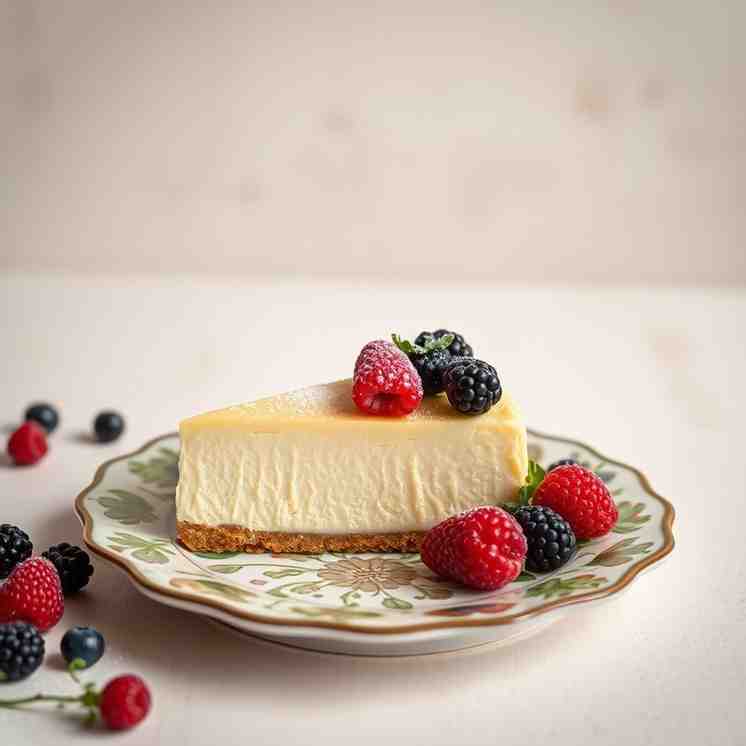
- Serves: 10 People
- Prepare Time: 30 minutes
- Cooking Time: 70 minutes
- Calories: -
- Difficulty: Medium
Get ready to discover a truly special dessert! If you're searching for a unique cheesecake recipe using cottage cheese that's lighter and tangier than your usual fare, you've landed in the perfect spot. We're diving into the heart of Latvian baking with "Klasiskā Latviešu Siera Kūka," lovingly known as Biezpienmaize (pronounced BEE-ez-pee-en-my-zeh). This isn't just another cottage cheese cake recipe; it's a traditional, baked farmer's cheese cheesecake that offers a delightful contrast to its dense, cream cheese-laden New York cousin.
Biezpienmaize stands out with its airy, curd-forward texture and often comes baked as a generous tray slice, perfect for sharing. Unlike the rich, heavy cheesecakes you might be used to, this Latvian classic is wonderfully light, custardy, and boasts a refreshing tang that truly makes the cheese cake filling recipes shine. Whether you're a seasoned baker eager to explore European traditions or a beginner looking for an easy cheese cake recipe with a twist, this guide is designed for you. We'll walk you through crafting an authentic taste of Latvia, complete with reliable US ingredient swaps, so your homemade Biezpienmaize will be nothing short of perfection.
Biezpienmaize, simply put, is a Latvian baked cheesecake made with cottage cheese or farmer's cheese. The name itself, "biezpiens," refers to the curd cheese that is its star ingredient. You'll often spot it in Latvian bakeries as rectangular slices, boasting a lightly golden top, sometimes studded with plump raisins or sultanas. Expect a tangy, not-overly-sweet flavor with a custardy yet sliceable texture that's utterly satisfying.
To truly capture the essence of Biezpienmaize, understanding a few key ingredients is crucial.
"Biezpiens" (pronounced BEE-ez-pee-ens) is a fresh, curd cheese that's central to this recipe. It's drier and more crumbly than typical US cottage cheese, and its unique texture contributes to the cheesecake's characteristic lightness.
Best US Options:
Farmer’s cheese / dry-curd cottage cheese: This is your top choice! It’s the closest in texture and dryness to traditional biezpiens.
Drained cottage cheese: If you can't find farmer's cheese, regular large-curd cottage cheese can work, but you must drain it thoroughly, ideally overnight in a cheesecloth, to remove excess moisture.
Eastern European “tvorog/quark/curd cheese” equivalents: If you have access to specialty stores, these are excellent, authentic substitutes.
How dry it should be: The cheese should feel firm and crumbly, not wet or soupy. Think of it like a firm ricotta, but with a more distinct curd.
A little starch helps bind the filling and gives it that lovely, custardy texture without being rubbery.
Potato starch vs cornstarch: Potato starch is traditionally used and provides a slightly silkier, more delicate texture. Cornstarch works well too, and is more readily available, offering a similar binding effect. Either will do the trick!
These add a touch of sweetness and chewiness.
Quick note: If you're using them, a quick soak in warm water (or even a splash of rum!) for 10-15 minutes, followed by patting them completely dry, will prevent them from sinking to the bottom or making the filling watery.
These two are crucial for balancing the richness and highlighting the tangy cheese. Lemon zest brightens the flavor, while vanilla adds a comforting warmth. Don't skip them!
Having the right tools makes all the difference for a smooth baking experience.
Recommended pan for the canonical recipe: A 9x13-inch (23x33 cm) rectangular baking pan is ideal for the traditional tray-slice format. A 9x9-inch square pan can also work for a thicker cheesecake, adjusting bake time as needed.
Lining method that prevents soggy base: Line the pan with parchment paper, leaving an overhang on the longer sides. This not only makes lifting the cheesecake out a breeze but also creates a barrier that helps prevent a soggy bottom, especially important for a baked crust.
Mixer/processor guidance:
Food processor: Best for achieving a super smooth, lump-free cheese filling. Process until creamy.
Hand mixer: Can also be used, but you might need to scrape down the sides more often to ensure all the cheese is blended. The texture might be slightly less uniform but still delicious.
Here’s how to bake your very own Klasiskā Latviešu Siera Kūka!
Ingredients
Directions
- Prep Oven + Pan: Preheat your oven to 350°F (175°C). Line a 9x13-inch (23x33 cm) rectangular baking pan with parchment paper, allowing an overhang on the long sides for easy lifting.
- Make the Crust: In a medium bowl, combine flour, sugar, baking powder, and salt. Add the cold, cubed butter. Using your fingertips or a pastry blender, cut the butter into the dry ingredients until the mixture resembles coarse crumbs. Press this crumb mixture evenly into the bottom of the prepared pan.
- Chill and Par-bake Crust: Place the pan in the fridge for 15 minutes to chill the crust. Then, par-bake the crust for 10-12 minutes, or until lightly golden. This helps create a sturdy, non-soggy base. Let it cool slightly while you prepare the filling.
- Prep Mix-ins (if using): If using raisins, soak them in warm water for 10-15 minutes, then drain thoroughly and pat completely dry with a paper towel. Set aside.
- Make the Cheese Base: In a food processor (or a large bowl with a hand mixer), combine the farmer’s cheese (or drained cottage cheese), ¾ cup sugar, sour cream, vanilla extract, lemon zest, and pinch of salt. Process or beat until the mixture is completely smooth and creamy, with no lumps of cheese visible. This is key for a silky cheesecake!
- Add Yolks + Flavorings + Starch: Add the egg yolks one at a time to the cheese mixture, processing or beating well after each addition until fully incorporated. Stir in the potato starch or cornstarch until just combined.
- Whip Whites: In a separate, clean bowl, using an electric mixer, whip the 4 egg whites until soft to medium peaks form. This means they should hold their shape but still be somewhat soft and not dry. These whipped whites are what give Biezpienmaize its characteristic lightness.
- Fold Whites in Gently: Gently fold the whipped egg whites into the cheese mixture in two additions, using a spatula. Be careful not to deflate the whites too much; this gentle folding preserves the airy texture. If using, fold in the prepared raisins now.
- Fill Pan & Level: Pour the filling evenly over the par-baked crust in the pan. Gently level the top with a spatula. Tap the pan lightly on the counter a few times to release any large air bubbles.
- Bake: Bake for 60-70 minutes, or until the edges are set and lightly golden, but the center still has a slight wobble when gently shaken. An internal temperature of 170°F (77°C) is a good target for doneness.
- Cooling Plan: Once baked, turn off the oven, crack the door open slightly, and let the cheesecake cool in the oven for about 30 minutes. This slow cooling prevents cracking. Then, remove from the oven and let it cool completely at room temperature. Finally, transfer to the fridge and chill for at least 4 hours, or preferably overnight, before slicing.
- Slice Cleanly: Once thoroughly chilled, use the parchment paper overhang to lift the cheesecake out of the pan. Place it on a cutting board and use a sharp, thin knife (wiped clean between each cut) to slice it into neat rectangles.
- What Success Looks Like
- Your Biezpienmaize masterpiece should have a beautiful, lightly golden-brown top, with set edges and a creamy, custardy interior. When sliced, it should hold its shape well, revealing a smooth, slightly tangy filling. The crust should be firm but tender, providing a perfect base.
You may also like



Hey there! I’m just someone who seriously loves good food and believes that cooking doesn’t have to be complicated to be amazing. Whether it’s a quick weeknight dinner or a cozy weekend meal, I’m all about sharing easy, tasty recipes that actually work.