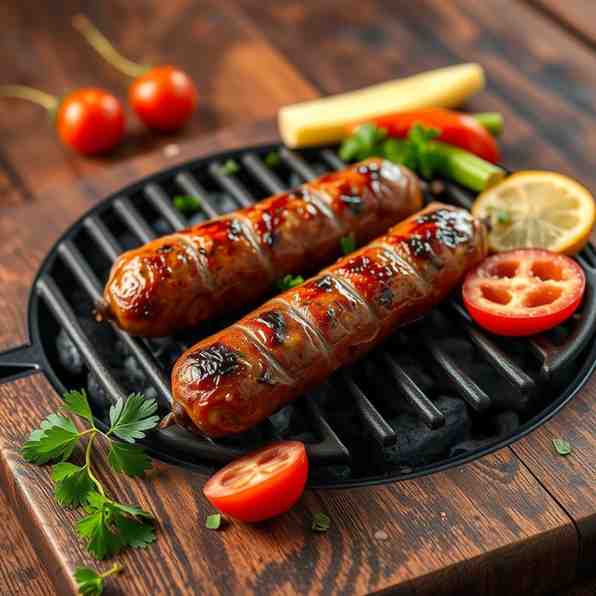
Longeole Sausage with Fennel at Home
Longeole Sausage with Fennel at Home
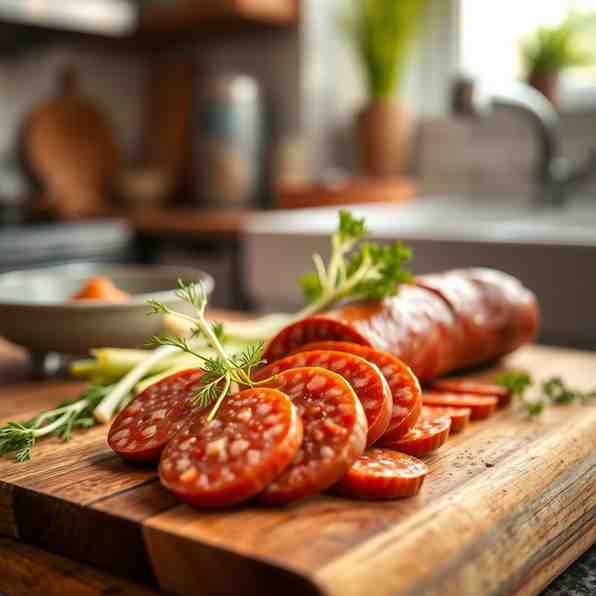
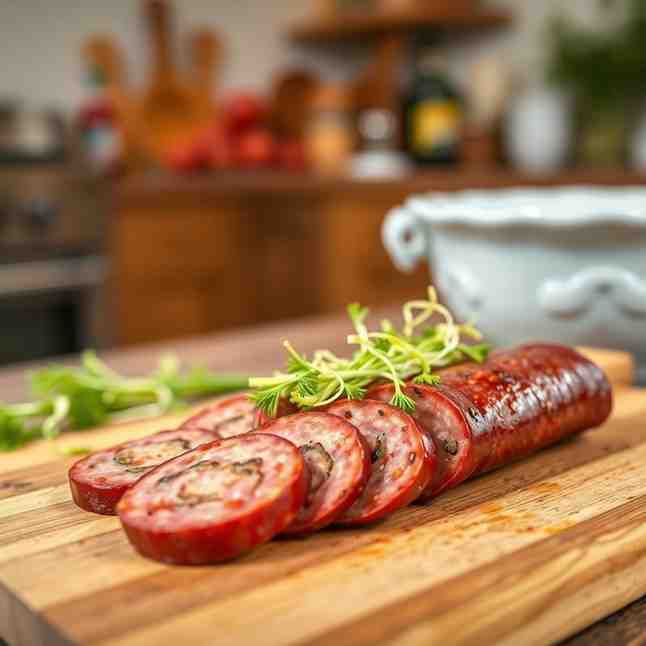
- Serves: 6 People
- Prepare Time: 60 minutes
- Cooking Time: 25 minutes
- Calories: -
- Difficulty: Medium
Ever wished you could whip up truly authentic, incredibly flavorful sausage with fennel right in your own kitchen? Well, get ready, because you're about to! This isn't just any pork meat sausage recipe; we're diving deep into the spirit of Geneva's famous Longeole, creating fresh pork sausage links that are rich, juicy, and heavily perfumed with that unmistakable anise-like scent of fennel.
Whether you're a first-time sausage maker looking for clear, step-by-step guidance or someone who simply can't find quality fennel sausage locally, this guide is for you. What makes our recipe stand out? We're giving you a complete stuffing and linking walkthrough, ensuring your recipes for pork sausage links turn out perfect every time. Plus, we'll show you the gentle cooking techniques that prevent those dreaded casing splits, leading to beautifully cooked, tender, and delicious homemade Geneva sausage. Let's make some magic!
Longeole de Genève is a traditional, IGP-protected sausage from Geneva, Switzerland. It’s a true culinary icon, known for its generous size, coarse texture, and, most importantly, its signature aroma of fennel. Traditionally, Longeole is a "long-cook" sausage, often simmered for hours until incredibly tender. Our "Longeole-style" recipe captures the essence of this beloved sausage: the fresh, fennel-forward flavor, the juicy pork, and the satisfaction of making truly special links at home. We’re focusing on fresh links that you can cook gently to perfection, bringing a taste of Geneva right to your dinner table.
Making homemade sausage is easier than you might think, especially with the right tools. Here’s what we recommend, along with a few things you can do without:
Grinder + Sausage Stuffer OR Grinder Stuffing Attachment: This is key for grinding your meat and then stuffing it into casings. Many stand mixers offer grinder and stuffer attachments that work wonderfully. If you don't have a dedicated stuffer, the attachment is a great starting point.
Scale (Strongly Recommended): For precise seasoning, especially with salt. Weighing your ingredients ensures consistent, delicious results every time.
Instant-Read Thermometer: Your best friend for ensuring perfectly cooked sausage that's safe to eat without being overdone.
Large Bowl + Sheet Pan: Essential for chilling your meat and mixing your sausage mixture.
Optional:
Nitrile Gloves: Keep your hands clean and the mixture cold during mixing.
Needle/Pin: Handy for pricking any stubborn air pockets in your stuffed links.
This recipe guides you through creating fresh, flavorful pork sausage with fennel links, inspired by the classic Longeole.
Ingredients
Directions
- Chill Everything Down: This is crucial for keeping your fat from smearing and ensuring a clean grind. Place your cubed pork shoulder, pork fat, mixing bowl, and all your grinder parts (auger, blade, plate) in the freezer for at least 30-60 minutes until very cold, but not frozen solid.
- Prep Your Casings: While your meat chills, unroll your hog casings and rinse them thoroughly inside and out under cool running water. This removes any salt packing. Keep them submerged in a bowl of fresh, cool water until you're ready to stuff.
- Cube & Partially Freeze Meat: Cut the chilled pork shoulder and pork fat into 1-inch (2.5 cm) cubes. For an even cleaner grind, spread the cubes on a sheet pan and place them back in the freezer for another 15-20 minutes, until the edges are firm but the centers are still pliable.
- Grind to Target Texture: Attach your grinder with a 4.5mm (or 3/16-inch) plate. Grind the pork shoulder and fat into your chilled mixing bowl. If adding optional pork skin, grind it in with the meat.
- Season & Mix to Bind: Add the crushed fennel seed, weighed kosher salt, white pepper, minced garlic, and dry white wine to the ground meat. Using clean, cold hands (gloves recommended!), mix vigorously for 3-5 minutes. You're looking for a change in texture – the mixture should become sticky and tacky, almost like glue, and cling to itself when you pull it. This binding is essential for good sausage texture.
- Cook a Tester Patty: Before stuffing, take a small tablespoon of the mixture and form it into a tiny patty. Cook it in a hot skillet until done. Taste it and adjust the salt or fennel levels in your main mixture if needed. This is your last chance!
- Stuff into Casings: Load your prepared casings onto the stuffer nozzle, leaving a small "tail" of casing. Start stuffing the sausage mixture, ensuring a steady, even flow. Aim for a firm but not overly tight link – you want enough give to twist later, but not so loose that it's airy. Use your free hand to guide the casing as it fills, and gently prick any large air pockets with a needle or pin to prevent blowouts. If a casing does burst, simply cut it, tie off the end, and continue stuffing.
- Link the Sausages: Once all the mixture is stuffed, gently pinch and twist your desired link length (typically 4-6 inches / 10-15 cm). For the next link, twist in the opposite direction to prevent the first one from unraveling. Continue until all links are formed.
- Rest Overnight (Recommended): Place your linked sausages on a wire rack over a sheet pan in the refrigerator, uncovered. Let them rest overnight (8-12 hours). This allows the flavors to meld beautifully and the casings to dry slightly, which helps prevent bursting during cooking.
- How to Cook the Links (Without Splitting)
- The secret to perfectly cooked, juicy Longeole-style sausage with fennel links that don't split is gentle heat.
- Gentle Poach First: Place your links in a large skillet or pot and cover them with just enough cold water to submerge them. Bring the water to a barely simmering temperature (small bubbles, no rolling boil). Poach for 10-15 minutes, or until an instant-read thermometer inserted into the center of a link reads 150°F (65°C). This gentle cooking sets the sausage and renders some fat, making it less prone to bursting.
- Finish by Browning: Carefully remove the poached sausages from the water. You can discard the poaching liquid. Heat a skillet (cast iron works great!) over medium heat with a tiny bit of oil, or preheat your grill to medium. Add the sausages and brown them evenly on all sides, turning often, until they reach an internal temperature of 160°F (71°C) and have a beautiful golden crust.
Longeole Sausage with Fennel at Home
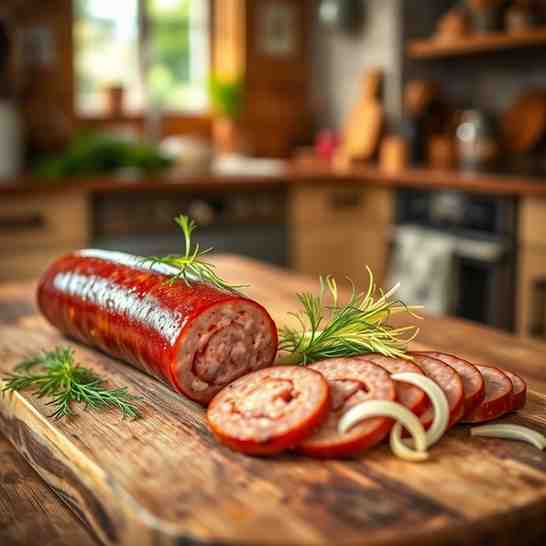
- Serves: 6 People
- Prepare Time: 60 minutes
- Cooking Time: 25 minutes
- Calories: -
- Difficulty: Medium
Ever wished you could whip up truly authentic, incredibly flavorful sausage with fennel right in your own kitchen? Well, get ready, because you're about to! This isn't just any pork meat sausage recipe; we're diving deep into the spirit of Geneva's famous Longeole, creating fresh pork sausage links that are rich, juicy, and heavily perfumed with that unmistakable anise-like scent of fennel.
Whether you're a first-time sausage maker looking for clear, step-by-step guidance or someone who simply can't find quality fennel sausage locally, this guide is for you. What makes our recipe stand out? We're giving you a complete stuffing and linking walkthrough, ensuring your recipes for pork sausage links turn out perfect every time. Plus, we'll show you the gentle cooking techniques that prevent those dreaded casing splits, leading to beautifully cooked, tender, and delicious homemade Geneva sausage. Let's make some magic!
Longeole de Genève is a traditional, IGP-protected sausage from Geneva, Switzerland. It’s a true culinary icon, known for its generous size, coarse texture, and, most importantly, its signature aroma of fennel. Traditionally, Longeole is a "long-cook" sausage, often simmered for hours until incredibly tender. Our "Longeole-style" recipe captures the essence of this beloved sausage: the fresh, fennel-forward flavor, the juicy pork, and the satisfaction of making truly special links at home. We’re focusing on fresh links that you can cook gently to perfection, bringing a taste of Geneva right to your dinner table.
Making homemade sausage is easier than you might think, especially with the right tools. Here’s what we recommend, along with a few things you can do without:
Grinder + Sausage Stuffer OR Grinder Stuffing Attachment: This is key for grinding your meat and then stuffing it into casings. Many stand mixers offer grinder and stuffer attachments that work wonderfully. If you don't have a dedicated stuffer, the attachment is a great starting point.
Scale (Strongly Recommended): For precise seasoning, especially with salt. Weighing your ingredients ensures consistent, delicious results every time.
Instant-Read Thermometer: Your best friend for ensuring perfectly cooked sausage that's safe to eat without being overdone.
Large Bowl + Sheet Pan: Essential for chilling your meat and mixing your sausage mixture.
Optional:
Nitrile Gloves: Keep your hands clean and the mixture cold during mixing.
Needle/Pin: Handy for pricking any stubborn air pockets in your stuffed links.
This recipe guides you through creating fresh, flavorful pork sausage with fennel links, inspired by the classic Longeole.
Ingredients
Directions
- Chill Everything Down: This is crucial for keeping your fat from smearing and ensuring a clean grind. Place your cubed pork shoulder, pork fat, mixing bowl, and all your grinder parts (auger, blade, plate) in the freezer for at least 30-60 minutes until very cold, but not frozen solid.
- Prep Your Casings: While your meat chills, unroll your hog casings and rinse them thoroughly inside and out under cool running water. This removes any salt packing. Keep them submerged in a bowl of fresh, cool water until you're ready to stuff.
- Cube & Partially Freeze Meat: Cut the chilled pork shoulder and pork fat into 1-inch (2.5 cm) cubes. For an even cleaner grind, spread the cubes on a sheet pan and place them back in the freezer for another 15-20 minutes, until the edges are firm but the centers are still pliable.
- Grind to Target Texture: Attach your grinder with a 4.5mm (or 3/16-inch) plate. Grind the pork shoulder and fat into your chilled mixing bowl. If adding optional pork skin, grind it in with the meat.
- Season & Mix to Bind: Add the crushed fennel seed, weighed kosher salt, white pepper, minced garlic, and dry white wine to the ground meat. Using clean, cold hands (gloves recommended!), mix vigorously for 3-5 minutes. You're looking for a change in texture – the mixture should become sticky and tacky, almost like glue, and cling to itself when you pull it. This binding is essential for good sausage texture.
- Cook a Tester Patty: Before stuffing, take a small tablespoon of the mixture and form it into a tiny patty. Cook it in a hot skillet until done. Taste it and adjust the salt or fennel levels in your main mixture if needed. This is your last chance!
- Stuff into Casings: Load your prepared casings onto the stuffer nozzle, leaving a small "tail" of casing. Start stuffing the sausage mixture, ensuring a steady, even flow. Aim for a firm but not overly tight link – you want enough give to twist later, but not so loose that it's airy. Use your free hand to guide the casing as it fills, and gently prick any large air pockets with a needle or pin to prevent blowouts. If a casing does burst, simply cut it, tie off the end, and continue stuffing.
- Link the Sausages: Once all the mixture is stuffed, gently pinch and twist your desired link length (typically 4-6 inches / 10-15 cm). For the next link, twist in the opposite direction to prevent the first one from unraveling. Continue until all links are formed.
- Rest Overnight (Recommended): Place your linked sausages on a wire rack over a sheet pan in the refrigerator, uncovered. Let them rest overnight (8-12 hours). This allows the flavors to meld beautifully and the casings to dry slightly, which helps prevent bursting during cooking.
- How to Cook the Links (Without Splitting)
- The secret to perfectly cooked, juicy Longeole-style sausage with fennel links that don't split is gentle heat.
- Gentle Poach First: Place your links in a large skillet or pot and cover them with just enough cold water to submerge them. Bring the water to a barely simmering temperature (small bubbles, no rolling boil). Poach for 10-15 minutes, or until an instant-read thermometer inserted into the center of a link reads 150°F (65°C). This gentle cooking sets the sausage and renders some fat, making it less prone to bursting.
- Finish by Browning: Carefully remove the poached sausages from the water. You can discard the poaching liquid. Heat a skillet (cast iron works great!) over medium heat with a tiny bit of oil, or preheat your grill to medium. Add the sausages and brown them evenly on all sides, turning often, until they reach an internal temperature of 160°F (71°C) and have a beautiful golden crust.
You may also like




Hey there! I’m just someone who seriously loves good food and believes that cooking doesn’t have to be complicated to be amazing. Whether it’s a quick weeknight dinner or a cozy weekend meal, I’m all about sharing easy, tasty recipes that actually work.