Crispy Low Calorie Vegan Falafel - Ta'ameya Recipe
Crispy Low Calorie Vegan Falafel - Ta'ameya Recipe

- Serves: 6 People
- Prepare Time: 45 minutes
- Cooking Time: 25 minutes
- Calories: -
- Difficulty: Medium
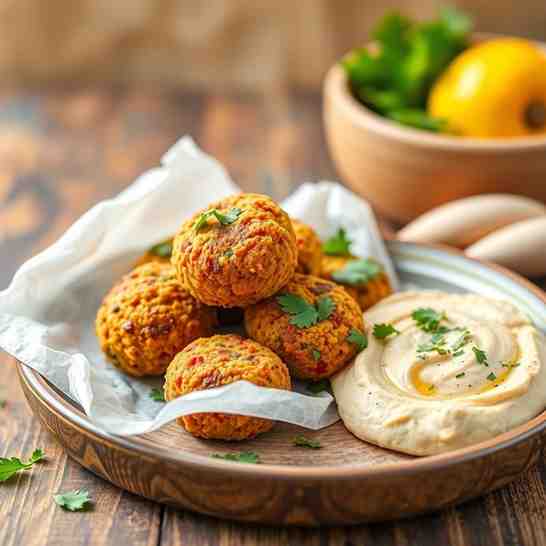
Looking for low calorie vegan dinner recipes that don't skimp on flavor or authenticity? You've hit the jackpot! Forget everything you thought you knew about falafel, because today we're diving deep into the world of Egyptian Ta'ameya. This isn't your average chickpea falafel; it's a vibrant, low calorie vegan dinner made with earthy fava beans, bursting with fresh herbs, and boasting an impossibly crispy exterior with a fluffy, bright green interior. It’s the ultimate low calorie vegetable recipe that’s both satisfying and incredibly healthy. Whether you're a seasoned chef or a beginner in the kitchen, our definitive guide will walk you through making this authentic delight, ensuring your ta'ameya is perfect every single time. Get ready to impress your taste buds and nourish your body with this incredible vegan low calorie dinner!
Ingredients
Directions
- Soak, Drain, and Dry Correctly (The Foundation):
- Place the dried split/peeled fava beans in a large bowl and cover them with at least 3-4 inches of cold water. They will expand significantly. Soak for a minimum of 12 hours, or preferably overnight, at room temperature.
- After soaking, drain the beans thoroughly using a colander. This is crucial! Spread them out on a clean kitchen towel or paper towels and pat them as dry as possible. "Dry enough" means they no longer feel wet to the touch. Excess moisture is the number one cause of ta'ameya falling apart in the oil.
- Grind to the Right Texture (Avoid "Too Smooth" Failure):
- In a food processor, combine the dried fava beans, chopped leek (or green onions), parsley, dill, yellow onion, and garlic.
- Pulse the mixture repeatedly. Scrape down the sides of the bowl as needed. The goal is a coarse, pebbly texture—like a thick pesto or finely ground rice. Avoid over-processing, which can turn it into a paste. If it's too smooth, your ta'ameya will be dense, not fluffy. You should still see flecks of the fava beans and herbs. This might take 5-10 minutes of pulsing.
- Mix, Season, and Quick Taste Test Strategy:
- Transfer the ground mixture to a large bowl. Add the cumin, coriander, cayenne pepper, and salt.
- Mix everything together thoroughly by hand or with a sturdy spoon until well combined.
- Taste Test Strategy: To check seasoning, take a small teaspoon of the mixture, flatten it slightly, and microwave it for 15-20 seconds until cooked through. Let it cool slightly, then taste. Adjust salt and spices as needed.
- Aerate for a Fluffy Interior (Choose One Approach and Commit):
- For truly fluffy ta'ameya, aeration is key. You have two main options:
- Option A (Food Processor): Return half of the mixture to the food processor and pulse it for another 30-60 seconds until it becomes noticeably lighter and slightly aerated. Repeat with the second half.
- Option B (Hand Mixing): Use your hands or a stand mixer with a paddle attachment to beat the mixture vigorously for 5-7 minutes. This incorporates air, making the ta'ameya light.
- Just before frying, sprinkle the baking soda over the mixture and mix it in gently but thoroughly. This creates the internal fluffiness.
- Shape and Sesame Coating (How to Avoid Cracks):
- You can use a special ta'ameya mold (a small, handled gadget) or simply your hands.
- Take about 1.5-2 tablespoons of the mixture and gently press it into a small patty, about 1/2 inch thick and 1.5-2 inches in diameter. Don't press too hard, as this can make them dense.
- If using sesame seeds or crushed coriander, gently press one side of the patty into the seeds to coat.
- To avoid cracks: Ensure your mixture isn't too dry (add a tiny bit of water if necessary, but be careful not to make it soggy) and handle the patties gently. The right grind texture also helps.
- Fry with Confidence (Oil Depth + Temp Target + Batch Control):
- Pour enough vegetable oil into a deep, heavy-bottomed pot or Dutch oven so it's at least 2-3 inches deep.
- Heat the oil over medium-high heat until it reaches 350-375°F (175-190°C). A thermometer is highly recommended here. Too low, and they'll soak up oil; too high, and they'll burn outside and be raw inside.
- The 5-Minute Test Fry (Prevents Ruined Batches): Before frying a large batch, fry just one ta'ameya patty.
- What to look for: Does it spread out or fall apart in the oil? Does it brown too fast? Is the center raw or dense?
- How to adjust:
- Falling apart: Mixture is too wet (add a tablespoon of flour or breadcrumbs if desperate, but ideally, it's about the fava bean dryness), or oil isn't hot enough.
- Spreading/cracking: Mixture might be too wet, or not ground finely enough, or rested too long after adding baking soda.
- Browning too fast/raw center: Oil is too hot. Reduce heat.
- Too dense/not fluffy: Not enough aeration, or too much moisture.
- Once the oil is at the correct temperature, carefully lower 4-6 patties into the hot oil, ensuring not to overcrowd the pot. Overcrowding drops the oil temperature.
- Fry for 3-5 minutes per side, or until deeply golden brown and crispy. They should float when cooked through.
- Drain and Keep Crisp (Rack vs Paper; When to Serve):
- Using a slotted spoon, carefully remove the fried ta'ameya and transfer them to a wire rack set over a baking sheet. This allows air to circulate, keeping them crisp. Avoid draining on paper towels, as this can make them soggy.
- Serve immediately for the best crispy texture.
- Troubleshooting (Fix the Real Problems)
- Falling apart in oil:
- Root causes: Too much moisture in the fava beans (not dried enough after soaking), oil not hot enough, mixture not ground finely enough, or over-aeration making it too loose.
- Fixes: Ensure beans are very dry. Recheck oil temperature. If mixture is too wet, you can try adding a tablespoon of chickpea flour or a little breadcrumb (though this deviates from authenticity). If it's still falling apart, you might need to re-grind a portion to a slightly finer texture.
- Too dense/not fluffy:
- Root causes: Mixture too smooth (over-processed), not enough aeration, or too much moisture/not enough baking soda.
- Fixes: Ensure a coarse, pebbly grind. Aerate properly as described in Step 4. Check moisture balance; if too wet, it won't fluff. Ensure baking soda is fresh and added just before frying.
- Not green enough:
- Root causes: Insufficient fresh herbs (parsley/dill), or using too much yellow onion instead of leek.
- Fixes: Don't skimp on the fresh parsley and dill. Use leek (korrat) if possible, as it provides a milder onion flavor and vibrant color compared to green onions.
- Bitter/soapy taste:
- Root causes: Common seasoning pitfalls include using old spices, too much raw garlic, or sometimes unpeeled fava beans (though our recipe calls for peeled).
- Fixes: Use fresh, good quality spices. Adjust garlic to your taste. If you suspect an ingredient, try a small test fry to isolate the flavor.
Crispy Low Calorie Vegan Falafel - Ta'ameya Recipe

- Serves: 6 People
- Prepare Time: 45 minutes
- Cooking Time: 25 minutes
- Calories: -
- Difficulty: Medium
Looking for low calorie vegan dinner recipes that don't skimp on flavor or authenticity? You've hit the jackpot! Forget everything you thought you knew about falafel, because today we're diving deep into the world of Egyptian Ta'ameya. This isn't your average chickpea falafel; it's a vibrant, low calorie vegan dinner made with earthy fava beans, bursting with fresh herbs, and boasting an impossibly crispy exterior with a fluffy, bright green interior. It’s the ultimate low calorie vegetable recipe that’s both satisfying and incredibly healthy. Whether you're a seasoned chef or a beginner in the kitchen, our definitive guide will walk you through making this authentic delight, ensuring your ta'ameya is perfect every single time. Get ready to impress your taste buds and nourish your body with this incredible vegan low calorie dinner!
Ingredients
Directions
- Soak, Drain, and Dry Correctly (The Foundation):
- Place the dried split/peeled fava beans in a large bowl and cover them with at least 3-4 inches of cold water. They will expand significantly. Soak for a minimum of 12 hours, or preferably overnight, at room temperature.
- After soaking, drain the beans thoroughly using a colander. This is crucial! Spread them out on a clean kitchen towel or paper towels and pat them as dry as possible. "Dry enough" means they no longer feel wet to the touch. Excess moisture is the number one cause of ta'ameya falling apart in the oil.
- Grind to the Right Texture (Avoid "Too Smooth" Failure):
- In a food processor, combine the dried fava beans, chopped leek (or green onions), parsley, dill, yellow onion, and garlic.
- Pulse the mixture repeatedly. Scrape down the sides of the bowl as needed. The goal is a coarse, pebbly texture—like a thick pesto or finely ground rice. Avoid over-processing, which can turn it into a paste. If it's too smooth, your ta'ameya will be dense, not fluffy. You should still see flecks of the fava beans and herbs. This might take 5-10 minutes of pulsing.
- Mix, Season, and Quick Taste Test Strategy:
- Transfer the ground mixture to a large bowl. Add the cumin, coriander, cayenne pepper, and salt.
- Mix everything together thoroughly by hand or with a sturdy spoon until well combined.
- Taste Test Strategy: To check seasoning, take a small teaspoon of the mixture, flatten it slightly, and microwave it for 15-20 seconds until cooked through. Let it cool slightly, then taste. Adjust salt and spices as needed.
- Aerate for a Fluffy Interior (Choose One Approach and Commit):
- For truly fluffy ta'ameya, aeration is key. You have two main options:
- Option A (Food Processor): Return half of the mixture to the food processor and pulse it for another 30-60 seconds until it becomes noticeably lighter and slightly aerated. Repeat with the second half.
- Option B (Hand Mixing): Use your hands or a stand mixer with a paddle attachment to beat the mixture vigorously for 5-7 minutes. This incorporates air, making the ta'ameya light.
- Just before frying, sprinkle the baking soda over the mixture and mix it in gently but thoroughly. This creates the internal fluffiness.
- Shape and Sesame Coating (How to Avoid Cracks):
- You can use a special ta'ameya mold (a small, handled gadget) or simply your hands.
- Take about 1.5-2 tablespoons of the mixture and gently press it into a small patty, about 1/2 inch thick and 1.5-2 inches in diameter. Don't press too hard, as this can make them dense.
- If using sesame seeds or crushed coriander, gently press one side of the patty into the seeds to coat.
- To avoid cracks: Ensure your mixture isn't too dry (add a tiny bit of water if necessary, but be careful not to make it soggy) and handle the patties gently. The right grind texture also helps.
- Fry with Confidence (Oil Depth + Temp Target + Batch Control):
- Pour enough vegetable oil into a deep, heavy-bottomed pot or Dutch oven so it's at least 2-3 inches deep.
- Heat the oil over medium-high heat until it reaches 350-375°F (175-190°C). A thermometer is highly recommended here. Too low, and they'll soak up oil; too high, and they'll burn outside and be raw inside.
- The 5-Minute Test Fry (Prevents Ruined Batches): Before frying a large batch, fry just one ta'ameya patty.
- What to look for: Does it spread out or fall apart in the oil? Does it brown too fast? Is the center raw or dense?
- How to adjust:
- Falling apart: Mixture is too wet (add a tablespoon of flour or breadcrumbs if desperate, but ideally, it's about the fava bean dryness), or oil isn't hot enough.
- Spreading/cracking: Mixture might be too wet, or not ground finely enough, or rested too long after adding baking soda.
- Browning too fast/raw center: Oil is too hot. Reduce heat.
- Too dense/not fluffy: Not enough aeration, or too much moisture.
- Once the oil is at the correct temperature, carefully lower 4-6 patties into the hot oil, ensuring not to overcrowd the pot. Overcrowding drops the oil temperature.
- Fry for 3-5 minutes per side, or until deeply golden brown and crispy. They should float when cooked through.
- Drain and Keep Crisp (Rack vs Paper; When to Serve):
- Using a slotted spoon, carefully remove the fried ta'ameya and transfer them to a wire rack set over a baking sheet. This allows air to circulate, keeping them crisp. Avoid draining on paper towels, as this can make them soggy.
- Serve immediately for the best crispy texture.
- Troubleshooting (Fix the Real Problems)
- Falling apart in oil:
- Root causes: Too much moisture in the fava beans (not dried enough after soaking), oil not hot enough, mixture not ground finely enough, or over-aeration making it too loose.
- Fixes: Ensure beans are very dry. Recheck oil temperature. If mixture is too wet, you can try adding a tablespoon of chickpea flour or a little breadcrumb (though this deviates from authenticity). If it's still falling apart, you might need to re-grind a portion to a slightly finer texture.
- Too dense/not fluffy:
- Root causes: Mixture too smooth (over-processed), not enough aeration, or too much moisture/not enough baking soda.
- Fixes: Ensure a coarse, pebbly grind. Aerate properly as described in Step 4. Check moisture balance; if too wet, it won't fluff. Ensure baking soda is fresh and added just before frying.
- Not green enough:
- Root causes: Insufficient fresh herbs (parsley/dill), or using too much yellow onion instead of leek.
- Fixes: Don't skimp on the fresh parsley and dill. Use leek (korrat) if possible, as it provides a milder onion flavor and vibrant color compared to green onions.
- Bitter/soapy taste:
- Root causes: Common seasoning pitfalls include using old spices, too much raw garlic, or sometimes unpeeled fava beans (though our recipe calls for peeled).
- Fixes: Use fresh, good quality spices. Adjust garlic to your taste. If you suspect an ingredient, try a small test fry to isolate the flavor.
You may also like



Hey there! I’m just someone who seriously loves good food and believes that cooking doesn’t have to be complicated to be amazing. Whether it’s a quick weeknight dinner or a cozy weekend meal, I’m all about sharing easy, tasty recipes that actually work.