Make Kumis at Home - Fermented Milk Drink
Make Kumis at Home - Fermented Milk Drink
- Serves: 4 People
- Prepare Time: 15 minutes
- Cooking Time: 0 minutes (
- Calories: -
- Difficulty: Medium
Ever wondered how to make a truly unique fermented milk drink at home? Get ready to dive into the fascinating world of Kumis (or Koumiss)! This traditional Central Asian beverage, often made from mare's milk, is a lightly tangy, slightly fizzy, and wonderfully refreshing experience that's quite different from your everyday yogurt or kefir. If you're a curious cook, a fermentation beginner eager to explore beyond kombucha, or simply someone looking to expand their culinary horizons, you're in the right place.
Kumis is a fermented dairy product with a rich history, particularly in Kazakhstan and other Central Asian countries where it's a staple of nomadic cultures. Unlike the thick, spoonable texture of yogurt, kumis is much thinner, closer to a sparkling milk beverage. It gets its unique character from a special "mixed fermentation" process involving both bacteria and yeast – a key difference from many other `fermented milk drink` varieties. This dual action breaks down `sugar in milk` (lactose) into lactic acid and a touch of alcohol, giving it that signature tang and gentle fizz.
While traditionally made with mare's milk (which has a naturally higher lactose content and different protein structure, making it ideal for this type of fermentation), don't worry! We'll show you how to pull off a fantastic homemade version using more accessible milks like `cow milk goat milk` or even `goat milk goat milk`. Understanding the `fermentation of milk to yogurt` (and kumis!) means appreciating how these tiny microbes transform simple `whole milk ingredients` into something truly special.
Here’s a quick overview of what to expect:
Active Time: 15 minutes
Fermentation Time: 24-72 hours
Yield: Approximately 1 quart
Flavor Profile: Lightly tangy, subtly sweet, gently yeasty, with a mild effervescence.
Alcohol Note: Kumis contains a very mild amount of alcohol (typically 0.5-2.5% ABV, similar to kombucha), a natural byproduct of the yeast fermentation.
We're going to guide you through a single, canonical method that balances authenticity with practicality, ensuring you can enjoy this ancient, revitalizing fermented dairy product from your own kitchen.
Ingredients
Directions
- Warm the Milk: Gently warm the mare's milk in a clean saucepan over low heat until it reaches 70-75°F (21-24°C). Use a thermometer to be precise. Do not let it get too hot, as this can harm the starter cultures. If using cow or goat milk, you might warm it slightly more, up to 80-85°F (27-29°C), as these milks can be a bit slower to activate.
- Add Starter: Once the milk is at the target temperature, remove it from the heat. Add the koumiss starter culture or active kumis from a previous batch. If using, stir in the optional teaspoon of sugar. Whisk thoroughly until the starter is fully dissolved and evenly distributed.
- Primary Ferment: Pour the inoculated milk into your clean quart-size glass jar(s) or fermentation crock. Cover loosely with a lid, cheesecloth, or a coffee filter secured with a rubber band. Place the container in a spot with a steady room temperature, ideally between 70-75°F (21-24°C). Avoid direct sunlight or drafts.
- Agitate on Purpose: Kumis benefits greatly from agitation. Every 4-6 hours during the primary fermentation, give the jar a good shake or stir vigorously with a clean spoon. This helps distribute the cultures, encourages yeast activity, and prevents the milk solids from settling too quickly.
- Taste Test + Stop Point: Begin tasting your kumis after 24 hours. It should be lightly tangy, slightly effervescent, and have a fresh, yeasty aroma. The texture will be thin, like milk, but perhaps with a slight creaminess. Fermentation can take anywhere from 24 to 72 hours, depending on your starter, milk type, and room temperature. When it reaches a flavor profile you enjoy, it's ready for bottling.
- Bottle Condition: Strain the kumis through a fine-mesh strainer into clean, pressure-safe flip-top bottles. Leave about 1 inch of headspace at the top of each bottle. This is where the gentle carbonation will build. Seal the bottles tightly.
- Chill: Place the sealed bottles immediately into the refrigerator. Chilling slows down the fermentation process significantly, preventing over-carbonation and preserving the flavor.
- Serve: When ready to enjoy, gently shake the bottle to redistribute any settled solids or fizz. Pour cold and savor your homemade kumis!
- What It Should Look Like (and what’s normal)
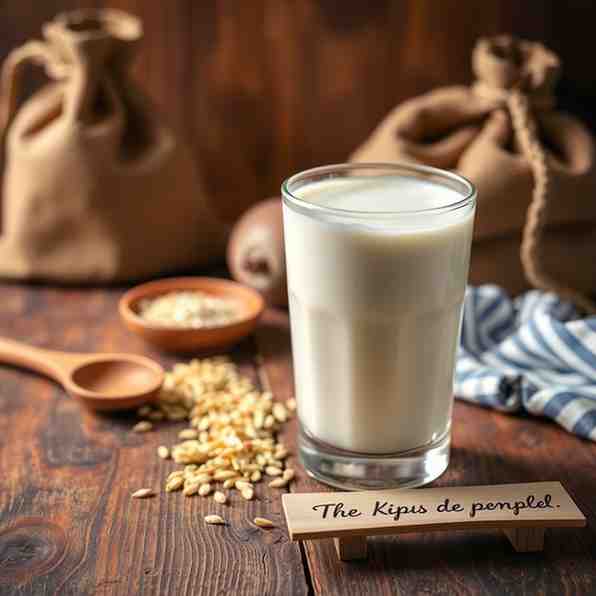
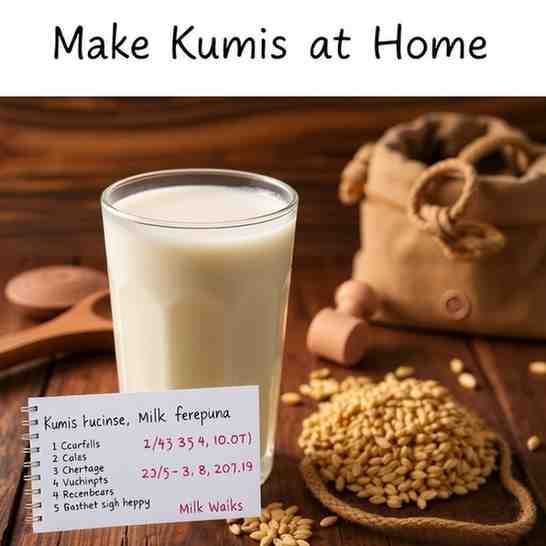
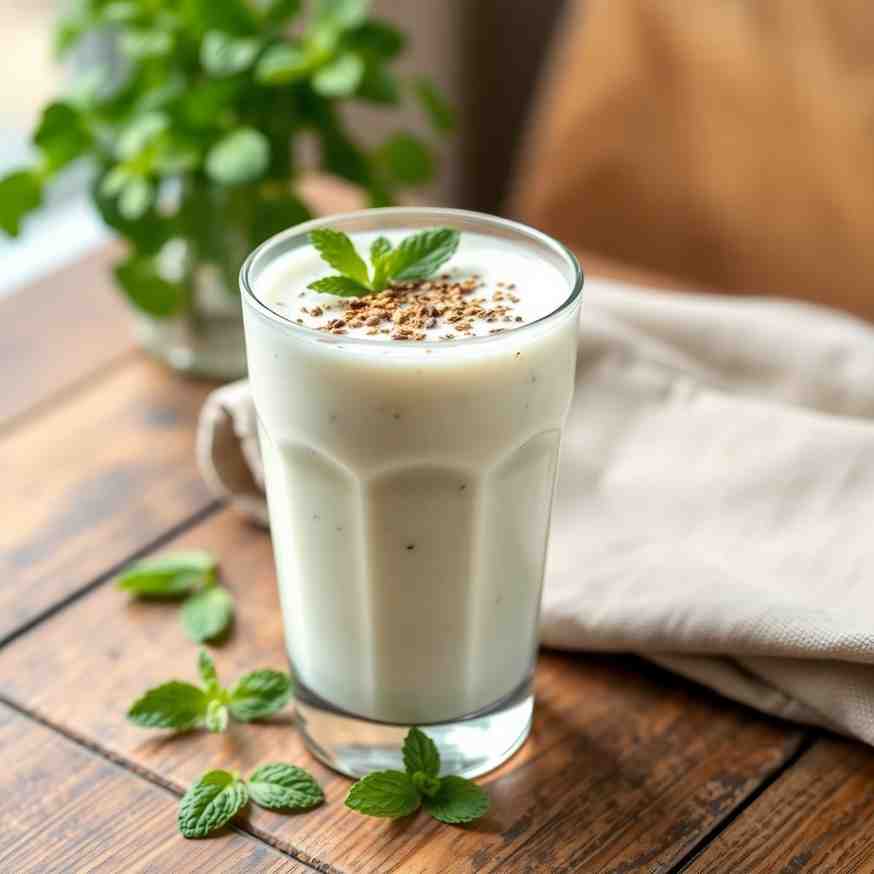
- Separation: It's completely normal for kumis to separate into a thinner, whey-like layer and a thicker, curd-like layer. This is a sign of active fermentation. A gentle shake before serving will reincorporate them.
- Texture Expectations: Kumis is naturally thinner than yogurt or even kefir. It should be pourable, like milk, with a slightly silky feel.
- Aroma Expectations: You should notice a fresh, slightly yeasty, and pleasantly sour aroma. It shouldn't smell putrid or overly alcoholic.
Make Kumis at Home - Fermented Milk Drink
- Serves: 4 People
- Prepare Time: 15 minutes
- Cooking Time: 0 minutes (
- Calories: -
- Difficulty: Medium
Ever wondered how to make a truly unique fermented milk drink at home? Get ready to dive into the fascinating world of Kumis (or Koumiss)! This traditional Central Asian beverage, often made from mare's milk, is a lightly tangy, slightly fizzy, and wonderfully refreshing experience that's quite different from your everyday yogurt or kefir. If you're a curious cook, a fermentation beginner eager to explore beyond kombucha, or simply someone looking to expand their culinary horizons, you're in the right place.
Kumis is a fermented dairy product with a rich history, particularly in Kazakhstan and other Central Asian countries where it's a staple of nomadic cultures. Unlike the thick, spoonable texture of yogurt, kumis is much thinner, closer to a sparkling milk beverage. It gets its unique character from a special "mixed fermentation" process involving both bacteria and yeast – a key difference from many other `fermented milk drink` varieties. This dual action breaks down `sugar in milk` (lactose) into lactic acid and a touch of alcohol, giving it that signature tang and gentle fizz.
While traditionally made with mare's milk (which has a naturally higher lactose content and different protein structure, making it ideal for this type of fermentation), don't worry! We'll show you how to pull off a fantastic homemade version using more accessible milks like `cow milk goat milk` or even `goat milk goat milk`. Understanding the `fermentation of milk to yogurt` (and kumis!) means appreciating how these tiny microbes transform simple `whole milk ingredients` into something truly special.
Here’s a quick overview of what to expect:
Active Time: 15 minutes
Fermentation Time: 24-72 hours
Yield: Approximately 1 quart
Flavor Profile: Lightly tangy, subtly sweet, gently yeasty, with a mild effervescence.
Alcohol Note: Kumis contains a very mild amount of alcohol (typically 0.5-2.5% ABV, similar to kombucha), a natural byproduct of the yeast fermentation.
We're going to guide you through a single, canonical method that balances authenticity with practicality, ensuring you can enjoy this ancient, revitalizing fermented dairy product from your own kitchen.
Ingredients
Directions
- Warm the Milk: Gently warm the mare's milk in a clean saucepan over low heat until it reaches 70-75°F (21-24°C). Use a thermometer to be precise. Do not let it get too hot, as this can harm the starter cultures. If using cow or goat milk, you might warm it slightly more, up to 80-85°F (27-29°C), as these milks can be a bit slower to activate.
- Add Starter: Once the milk is at the target temperature, remove it from the heat. Add the koumiss starter culture or active kumis from a previous batch. If using, stir in the optional teaspoon of sugar. Whisk thoroughly until the starter is fully dissolved and evenly distributed.
- Primary Ferment: Pour the inoculated milk into your clean quart-size glass jar(s) or fermentation crock. Cover loosely with a lid, cheesecloth, or a coffee filter secured with a rubber band. Place the container in a spot with a steady room temperature, ideally between 70-75°F (21-24°C). Avoid direct sunlight or drafts.
- Agitate on Purpose: Kumis benefits greatly from agitation. Every 4-6 hours during the primary fermentation, give the jar a good shake or stir vigorously with a clean spoon. This helps distribute the cultures, encourages yeast activity, and prevents the milk solids from settling too quickly.
- Taste Test + Stop Point: Begin tasting your kumis after 24 hours. It should be lightly tangy, slightly effervescent, and have a fresh, yeasty aroma. The texture will be thin, like milk, but perhaps with a slight creaminess. Fermentation can take anywhere from 24 to 72 hours, depending on your starter, milk type, and room temperature. When it reaches a flavor profile you enjoy, it's ready for bottling.
- Bottle Condition: Strain the kumis through a fine-mesh strainer into clean, pressure-safe flip-top bottles. Leave about 1 inch of headspace at the top of each bottle. This is where the gentle carbonation will build. Seal the bottles tightly.
- Chill: Place the sealed bottles immediately into the refrigerator. Chilling slows down the fermentation process significantly, preventing over-carbonation and preserving the flavor.
- Serve: When ready to enjoy, gently shake the bottle to redistribute any settled solids or fizz. Pour cold and savor your homemade kumis!
- What It Should Look Like (and what’s normal)
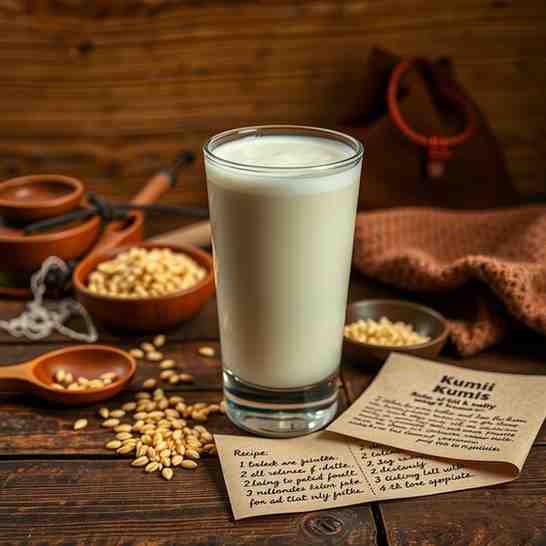
- Separation: It's completely normal for kumis to separate into a thinner, whey-like layer and a thicker, curd-like layer. This is a sign of active fermentation. A gentle shake before serving will reincorporate them.
- Texture Expectations: Kumis is naturally thinner than yogurt or even kefir. It should be pourable, like milk, with a slightly silky feel.
- Aroma Expectations: You should notice a fresh, slightly yeasty, and pleasantly sour aroma. It shouldn't smell putrid or overly alcoholic.
You may also like


Hey there! I’m just someone who seriously loves good food and believes that cooking doesn’t have to be complicated to be amazing. Whether it’s a quick weeknight dinner or a cozy weekend meal, I’m all about sharing easy, tasty recipes that actually work.