
Maltese Ftira - Easy Bread Making for Beginners
Maltese Ftira - Easy Bread Making for Beginners
- Serves: 8 People
- Prepare Time: 35 minutes
- Cooking Time: 30 minutes
- Calories: -
- Difficulty: Easy
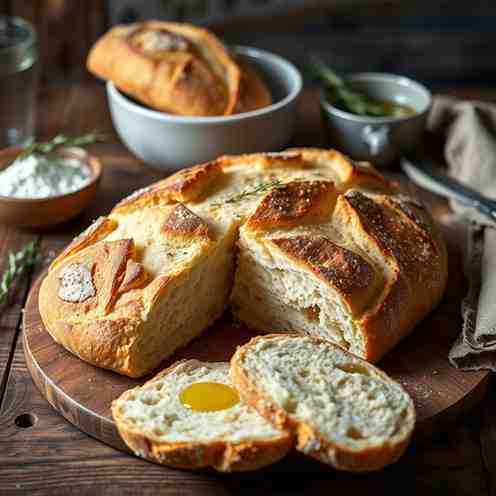
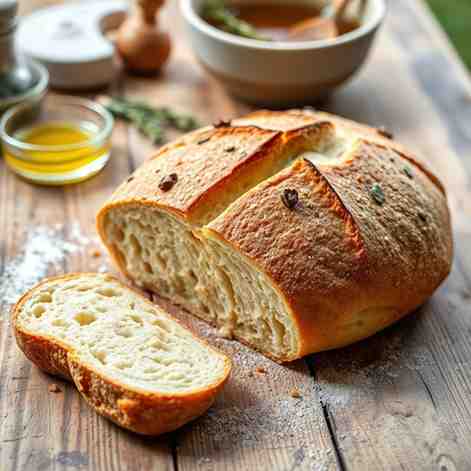
Ever dreamed of baking your own fresh baked bread at home? Get ready to dive into the wonderful world of bread making for beginners with this incredibly satisfying Maltese Ftira recipe! Ftira is more than just bread; it's a rustic, round, ring-shaped loaf with a wonderfully chewy inside and a crisp, golden crust that’s perfect for everything from hearty sandwiches to a simple snack with olive oil. This recipe is designed to make homemade Maltese bread accessible to everyone, even if you’ve never kneaded dough before.
In this guide, you’ll learn everything you need to bake at home bread, including the best ingredients, simple step-by-step instructions, and expert tips to ensure your Ftira turns out perfectly every time. We'll explore the magic of make your own bread, guiding you through the process of creating a loaf with that ideal balance of a tender, airy crumb and a satisfyingly crunchy crust.
So, what exactly is Maltese Ftira bread? While "Maltese bread" (Hobż tal-Malti) is a broad term for the island's beloved loaves, Ftira specifically refers to this iconic ring-shaped bread. It's distinct from the Gozitan "pizza-style" ftira, which is a flatbread topped with various ingredients. Here, we're focusing on the foundational, delicious loaf that’s a staple in every Maltese home!
Ingredients
Directions
- Mix the dry ingredients In a large mixing bowl, combine the bread flour and fine sea salt. Stir them together well so the salt is evenly distributed throughout the flour. This step helps ensure consistent flavor and proper gluten development later.
- Add the warm water Slowly pour the warm water (105-115°F / 40-46°C) into the bowl while mixing with a wooden spoon or your hand. Continue stirring until a rough, sticky dough begins to form. The dough may look shaggy at first—this is completely normal.
- Add olive oil (optional) If you’re using it, add the olive oil to the dough. Mix again until the oil is fully incorporated. This small amount of oil helps make the dough softer and easier to handle, which is especially helpful for beginners.
- Knead the dough Transfer the dough to a lightly floured work surface. Knead it for about 8–10 minutes until it becomes smooth, elastic, and slightly tacky but not overly sticky. If the dough sticks too much, dust your hands and the surface with a little extra flour.
- First rise Place the dough in a lightly oiled bowl and cover it with a clean kitchen towel or plastic wrap. Let it rest in a warm place for about 1–1½ hours, or until the dough has roughly doubled in size. This resting time allows the gluten to relax and the dough to become airy.
- Shape the ftira Once risen, gently punch down the dough to release excess air. Transfer it to a lightly floured surface and shape it into a large round disc about 1–1½ inches thick. Traditionally, ftira has a slightly rustic, uneven shape.
- Rest before baking Place the shaped dough on a baking sheet lined with parchment paper. Cover it loosely and let it rest again for 20–30 minutes. This short rest helps the dough relax and puff slightly before baking.
- Bake the bread Preheat your oven to 425°F (220°C). Bake the ftira for 20–25 minutes, or until the crust turns golden brown and sounds hollow when tapped on the bottom.
- Cool and serve Remove the bread from the oven and place it on a wire rack to cool for at least 15 minutes before slicing. This allows the crumb to set properly and improves the texture.
Maltese Ftira - Easy Bread Making for Beginners
- Serves: 8 People
- Prepare Time: 35 minutes
- Cooking Time: 30 minutes
- Calories: -
- Difficulty: Easy
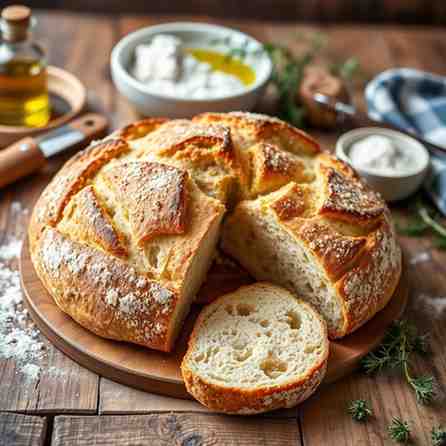
Ever dreamed of baking your own fresh baked bread at home? Get ready to dive into the wonderful world of bread making for beginners with this incredibly satisfying Maltese Ftira recipe! Ftira is more than just bread; it's a rustic, round, ring-shaped loaf with a wonderfully chewy inside and a crisp, golden crust that’s perfect for everything from hearty sandwiches to a simple snack with olive oil. This recipe is designed to make homemade Maltese bread accessible to everyone, even if you’ve never kneaded dough before.
In this guide, you’ll learn everything you need to bake at home bread, including the best ingredients, simple step-by-step instructions, and expert tips to ensure your Ftira turns out perfectly every time. We'll explore the magic of make your own bread, guiding you through the process of creating a loaf with that ideal balance of a tender, airy crumb and a satisfyingly crunchy crust.
So, what exactly is Maltese Ftira bread? While "Maltese bread" (Hobż tal-Malti) is a broad term for the island's beloved loaves, Ftira specifically refers to this iconic ring-shaped bread. It's distinct from the Gozitan "pizza-style" ftira, which is a flatbread topped with various ingredients. Here, we're focusing on the foundational, delicious loaf that’s a staple in every Maltese home!
Ingredients
Directions
- Mix the dry ingredients In a large mixing bowl, combine the bread flour and fine sea salt. Stir them together well so the salt is evenly distributed throughout the flour. This step helps ensure consistent flavor and proper gluten development later.
- Add the warm water Slowly pour the warm water (105-115°F / 40-46°C) into the bowl while mixing with a wooden spoon or your hand. Continue stirring until a rough, sticky dough begins to form. The dough may look shaggy at first—this is completely normal.
- Add olive oil (optional) If you’re using it, add the olive oil to the dough. Mix again until the oil is fully incorporated. This small amount of oil helps make the dough softer and easier to handle, which is especially helpful for beginners.
- Knead the dough Transfer the dough to a lightly floured work surface. Knead it for about 8–10 minutes until it becomes smooth, elastic, and slightly tacky but not overly sticky. If the dough sticks too much, dust your hands and the surface with a little extra flour.
- First rise Place the dough in a lightly oiled bowl and cover it with a clean kitchen towel or plastic wrap. Let it rest in a warm place for about 1–1½ hours, or until the dough has roughly doubled in size. This resting time allows the gluten to relax and the dough to become airy.
- Shape the ftira Once risen, gently punch down the dough to release excess air. Transfer it to a lightly floured surface and shape it into a large round disc about 1–1½ inches thick. Traditionally, ftira has a slightly rustic, uneven shape.
- Rest before baking Place the shaped dough on a baking sheet lined with parchment paper. Cover it loosely and let it rest again for 20–30 minutes. This short rest helps the dough relax and puff slightly before baking.
- Bake the bread Preheat your oven to 425°F (220°C). Bake the ftira for 20–25 minutes, or until the crust turns golden brown and sounds hollow when tapped on the bottom.
- Cool and serve Remove the bread from the oven and place it on a wire rack to cool for at least 15 minutes before slicing. This allows the crumb to set properly and improves the texture.
You may also like


Hey there! I’m just someone who seriously loves good food and believes that cooking doesn’t have to be complicated to be amazing. Whether it’s a quick weeknight dinner or a cozy weekend meal, I’m all about sharing easy, tasty recipes that actually work.