
Manx Bonnag - Easy Step-by-Step Bread Recipe for Your Oven
Manx Bonnag - Easy Step-by-Step Bread Recipe for Your Oven
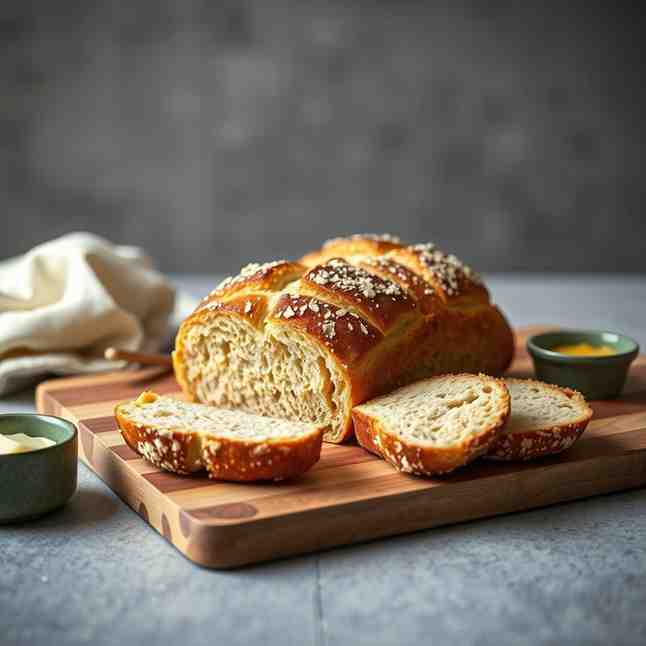
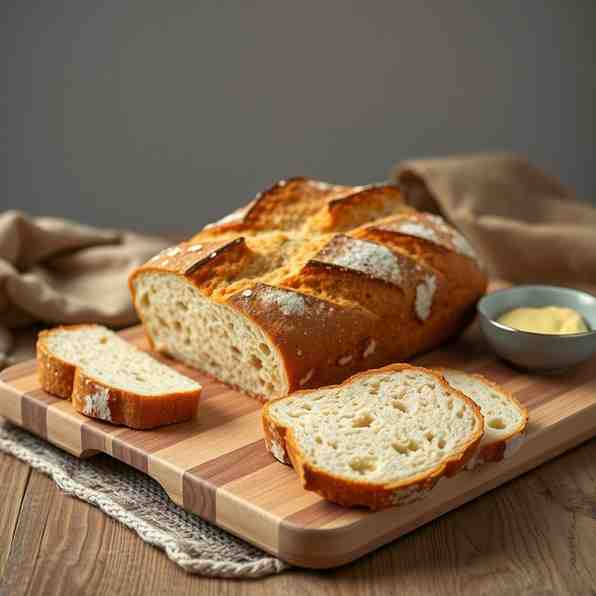
- Serves: 8 People
- Prepare Time: 15 minutes
- Cooking Time: 40 minutes
- Calories: -
- Difficulty: Easy
Ready to bake a delicious loaf of bread that’s incredibly easy and doesn’t even need yeast? You’ve come to the right place! We’re diving into the delightful world of Manx Bonnag, a cherished, traditional fruit loaf from the charming Isle of Man. Think of it as a sweeter, fruit-filled cousin to classic Irish soda bread – a quick, no-fuss bake that’s perfect for any time of day. This isn't just another step by step bread recipe; it's a simple journey to a wonderfully tender, slightly sweet, and fruity homemade baked bread that’s often enjoyed with a cup of tea.
Unlike many yeasted breads, Manx Bonnag relies on baking soda and buttermilk for its lift, making it a fantastic bread for oven baking that’s ready much faster. If you’re looking for step by step recipes that deliver big flavor with minimal effort, you’re in luck. In this guide, we’ll walk you through one reliable, beginner-friendly method, complete with US-friendly temperatures and pan sizes (with metric equivalents), and clear checkpoints to ensure your success. Get ready to enjoy the satisfaction of cooking bread in oven and filling your kitchen with an irresistible aroma – because making this recipe is easy and so rewarding!
Ingredients
Directions
- Preheat Oven and Prep Pan: Preheat your oven to 400°F (200°C). Line a baking sheet or a 9-inch (23 cm) cast-iron skillet with parchment paper. Parchment paper helps prevent sticking and makes cleanup a breeze, especially with a slightly sticky dough.
- Mix Dry Ingredients: In a large mixing bowl, whisk together the all-purpose flour, baking soda, salt, and granulated sugar until they are thoroughly and evenly mixed. This ensures the leavening agent (baking soda) is distributed throughout, giving your bread and bake an even rise.
- Rub in Cold Butter: Add the cold, cubed butter to the dry ingredients. Using your fingertips, quickly rub the butter into the flour mixture until it resembles coarse crumbs or sandy bits with some pea-sized pieces remaining. This technique creates pockets of butter that will make the bonnag tender and flaky.
- Stir in Dried Fruit: Add your chosen dried fruit (raisins, currants, or berries) to the mixture. Toss gently to ensure the fruit is evenly coated with the flour, which helps prevent it from sinking to the bottom of the loaf of bread.
- Add Buttermilk and Mix Fast: Pour the cold buttermilk into the center of the dry ingredients. Using a wooden spoon or your hands, mix quickly until just combined. The key here is to not overwork the dough; overmixing develops gluten, which can make your bonnag tough. Mix only until no dry flour streaks remain.
- Dough Texture Checkpoint: The dough should be soft, sticky, but still hold together in a shaggy mound. If it seems too wet to handle, add a tablespoon of flour at a time, mixing minimally, until it’s manageable. If it’s too dry, add a teaspoon of buttermilk.
- Shape and Transfer: Lightly flour your hands. Gently gather the dough and shape it into a round, slightly flattened disc, about 7-8 inches (18-20 cm) in diameter and 1.5-2 inches (4-5 cm) thick. Transfer it to your prepared baking sheet or skillet.
- Score and Dust: Using a sharp knife or a bread lame, score a deep cross on the top of the bonnag, extending almost to the edges. This scoring helps the bread expand evenly in the oven and is a traditional mark. Optionally, dust the top lightly with a little extra flour for a rustic look.
- Bake Until Done: Place the bonnag in the preheated oven. Bake for 35-45 minutes, or until the crust is golden brown and, when tapped on the bottom, it sounds hollow. For an extra check, an instant-read thermometer inserted into the center should read between 200-210°F (93-99°C).
- Cool Fully Before Slicing: Carefully transfer the baked bonnag to a wire cooling rack. Allow it to cool completely before slicing. If you cut it too early, the texture can be gummy, and it might seem undercooked, as the internal cooking process continues as it cools.
Manx Bonnag - Easy Step-by-Step Bread Recipe for Your Oven
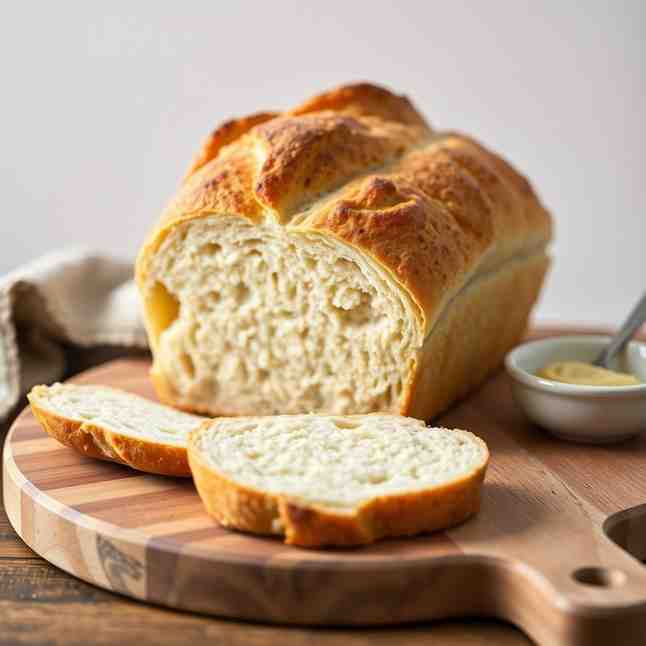
- Serves: 8 People
- Prepare Time: 15 minutes
- Cooking Time: 40 minutes
- Calories: -
- Difficulty: Easy
Ready to bake a delicious loaf of bread that’s incredibly easy and doesn’t even need yeast? You’ve come to the right place! We’re diving into the delightful world of Manx Bonnag, a cherished, traditional fruit loaf from the charming Isle of Man. Think of it as a sweeter, fruit-filled cousin to classic Irish soda bread – a quick, no-fuss bake that’s perfect for any time of day. This isn't just another step by step bread recipe; it's a simple journey to a wonderfully tender, slightly sweet, and fruity homemade baked bread that’s often enjoyed with a cup of tea.
Unlike many yeasted breads, Manx Bonnag relies on baking soda and buttermilk for its lift, making it a fantastic bread for oven baking that’s ready much faster. If you’re looking for step by step recipes that deliver big flavor with minimal effort, you’re in luck. In this guide, we’ll walk you through one reliable, beginner-friendly method, complete with US-friendly temperatures and pan sizes (with metric equivalents), and clear checkpoints to ensure your success. Get ready to enjoy the satisfaction of cooking bread in oven and filling your kitchen with an irresistible aroma – because making this recipe is easy and so rewarding!
Ingredients
Directions
- Preheat Oven and Prep Pan: Preheat your oven to 400°F (200°C). Line a baking sheet or a 9-inch (23 cm) cast-iron skillet with parchment paper. Parchment paper helps prevent sticking and makes cleanup a breeze, especially with a slightly sticky dough.
- Mix Dry Ingredients: In a large mixing bowl, whisk together the all-purpose flour, baking soda, salt, and granulated sugar until they are thoroughly and evenly mixed. This ensures the leavening agent (baking soda) is distributed throughout, giving your bread and bake an even rise.
- Rub in Cold Butter: Add the cold, cubed butter to the dry ingredients. Using your fingertips, quickly rub the butter into the flour mixture until it resembles coarse crumbs or sandy bits with some pea-sized pieces remaining. This technique creates pockets of butter that will make the bonnag tender and flaky.
- Stir in Dried Fruit: Add your chosen dried fruit (raisins, currants, or berries) to the mixture. Toss gently to ensure the fruit is evenly coated with the flour, which helps prevent it from sinking to the bottom of the loaf of bread.
- Add Buttermilk and Mix Fast: Pour the cold buttermilk into the center of the dry ingredients. Using a wooden spoon or your hands, mix quickly until just combined. The key here is to not overwork the dough; overmixing develops gluten, which can make your bonnag tough. Mix only until no dry flour streaks remain.
- Dough Texture Checkpoint: The dough should be soft, sticky, but still hold together in a shaggy mound. If it seems too wet to handle, add a tablespoon of flour at a time, mixing minimally, until it’s manageable. If it’s too dry, add a teaspoon of buttermilk.
- Shape and Transfer: Lightly flour your hands. Gently gather the dough and shape it into a round, slightly flattened disc, about 7-8 inches (18-20 cm) in diameter and 1.5-2 inches (4-5 cm) thick. Transfer it to your prepared baking sheet or skillet.
- Score and Dust: Using a sharp knife or a bread lame, score a deep cross on the top of the bonnag, extending almost to the edges. This scoring helps the bread expand evenly in the oven and is a traditional mark. Optionally, dust the top lightly with a little extra flour for a rustic look.
- Bake Until Done: Place the bonnag in the preheated oven. Bake for 35-45 minutes, or until the crust is golden brown and, when tapped on the bottom, it sounds hollow. For an extra check, an instant-read thermometer inserted into the center should read between 200-210°F (93-99°C).
- Cool Fully Before Slicing: Carefully transfer the baked bonnag to a wire cooling rack. Allow it to cool completely before slicing. If you cut it too early, the texture can be gummy, and it might seem undercooked, as the internal cooking process continues as it cools.
You may also like


Hey there! I’m just someone who seriously loves good food and believes that cooking doesn’t have to be complicated to be amazing. Whether it’s a quick weeknight dinner or a cozy weekend meal, I’m all about sharing easy, tasty recipes that actually work.



