
Marquesote - Light Salvadoran Angel Food Cake Recipe – Bake Now
Marquesote - Light Salvadoran Angel Food Cake Recipe – Bake Now
- Serves: 10 People
- Prepare Time: 20 minutes
- Cooking Time: 35 minutes
- Calories: -
- Difficulty: Medium
Craving a slice of pure, light for cake bliss? Get ready to dive into the wonderful world of Marquesote Salvadoreño, a truly delicious dessert recipe that’s a beloved classic in El Salvador. This isn't just any angel food cake recipe; it's a fluffy, airy, and incredibly tender angel sponge cake that practically melts in your mouth. Perfect with a steaming cup of coffee or rich hot chocolate, Marquesote is the ultimate comfort food. If your cake sponge cake usually collapses or turns dense, don't worry – this method is designed to fix that, promising you a perfectly risen, ethereal treat every time. Get ready to master this popular dessert recipe and impress everyone with your homemade baking skills!
Marquesote is a traditional Salvadoran sponge cake, celebrated for its incredibly light, airy, and delicate texture. It’s a simple yet elegant dessert, often enjoyed during celebrations, holidays, or as an everyday treat alongside a hot beverage. Its delicate crumb and mild sweetness make it a perfect canvas for various flavor pairings or simply enjoyed on its own.
While both are delicious Salvadoran cakes, Marquesote and Salvadoran Quesadilla are distinct. Marquesote is a light, airy sponge cake made primarily with egg whites, known for its cloud-like texture. Salvadoran Quesadilla, on the other hand, is a denser, often cheese-infused pound cake with a richer, more compact crumb, typically topped with sesame seeds. Don't mix them up – they offer completely different experiences!
The secret to Marquesote's famous lightness lies almost entirely in its preparation, particularly the handling of egg whites.
Egg Whites = Lift: The magic truly happens when you whip egg whites. They capture and hold air, creating a stable foam that acts as the primary leavening agent for the cake. This trapped air expands during baking, giving the cake its incredible height and airy structure.
Sugar’s Job: Sugar isn't just for sweetness here; it plays a crucial role in stabilizing the egg white foam. As sugar dissolves into the whipped whites, it helps create a stronger, more resilient meringue, preventing the foam from collapsing.
Flour’s Job: Flour provides the essential structure. Once folded into the egg whites, it sets during baking, holding that magnificent airy network created by the eggs. Using the right flour ensures a tender crumb without making the cake too heavy.
Greasy Bowl: Any trace of fat (from yolks, oily hands, or an unwashed bowl) will prevent your egg whites from whipping up properly. They simply won't form a stable foam.
Rushing Sugar: Adding sugar too quickly can deflate your egg whites or prevent the sugar from dissolving properly, leading to a grainy texture and unstable foam.
Overmixing: Once the flour is added, overmixing will develop the gluten too much, resulting in a tough, dense cake. Gentle folding is key!
Ingredients
Directions
- Prep the Pan & Preheat: Preheat your oven to 325°F (160°C). Lightly grease and flour your chosen cake pan, or line the bottom with parchment paper and lightly grease the sides. Pan prep matters for sponge lift because it allows the cake to climb the sides of the pan evenly without sticking, which can cause it to collapse.
- Separate Eggs Cleanly: Carefully separate the egg whites from the yolks. It is absolutely crucial that no yolk gets into the whites, as any trace of fat will prevent them from whipping properly. Place the egg whites in your impeccably clean, grease-free stand mixer bowl (or large mixing bowl if using a hand mixer).
- Whip Whites to Soft Peaks: Add the pinch of salt to the egg whites. Using the whisk attachment, begin whipping the egg whites on medium speed. Continue until they become frothy and then form soft peaks – when you lift the whisk, the peaks will hold their shape but gently curl over at the tip. (Image: Egg whites showing soft, floppy peaks on a whisk)
- Gradually Add Sugar to Stiff, Glossy Peaks: With the mixer still running on medium speed, gradually add the granulated sugar, about a tablespoon at a time, allowing each addition to dissolve before adding the next. Increase the speed to medium-high and continue whipping until the egg whites are stiff, glossy peaks. When you lift the whisk, the peaks should stand straight up and be shiny. This process can take 5-7 minutes. (Image: Egg whites showing stiff, shiny peaks that hold their shape)
- Add Yolks Carefully: Gently fold in the egg yolks and vanilla extract into the stiff egg whites. Do this quickly and lightly, just until incorporated, being careful not to deflate the airy meringue.
- Sift Flour & Fold Gently: Sift the all-purpose flour and ground cinnamon (if using) and baking powder directly over the egg mixture. Using a large spatula, gently fold the flour mixture into the egg whites. To fold, cut down through the center of the mixture with the spatula, sweep across the bottom of the bowl, and bring the mixture up and over. Rotate the bowl and repeat this exact folding motion until no streaks of flour remain. Be very gentle and avoid overmixing, which will deflate the batter. (Image: Spatula gently folding flour into egg white mixture)
- Pan & Level: Pour the batter into your prepared cake pan. Gently spread the top evenly with the spatula.
- Do not bang the pan on the counter, as this can cause air bubbles to escape and lead to a denser cake.
- Bake: Bake for 30-35 minutes, or until golden brown. Include doneness cues: The top should be golden brown, the cake should spring back lightly when gently pressed in the center, and a wooden toothpick inserted into the center should come out clean.
- Cool: Once baked, remove the cake from the oven. Immediately invert the cake pan onto a wire rack (or onto the neck of a bottle if using an angel food cake pan). Allow it to cool completely upside down for at least 1 hour, or until fully cooled. This method prevents shrinking and condensation, helping the cake maintain its height and airy texture.
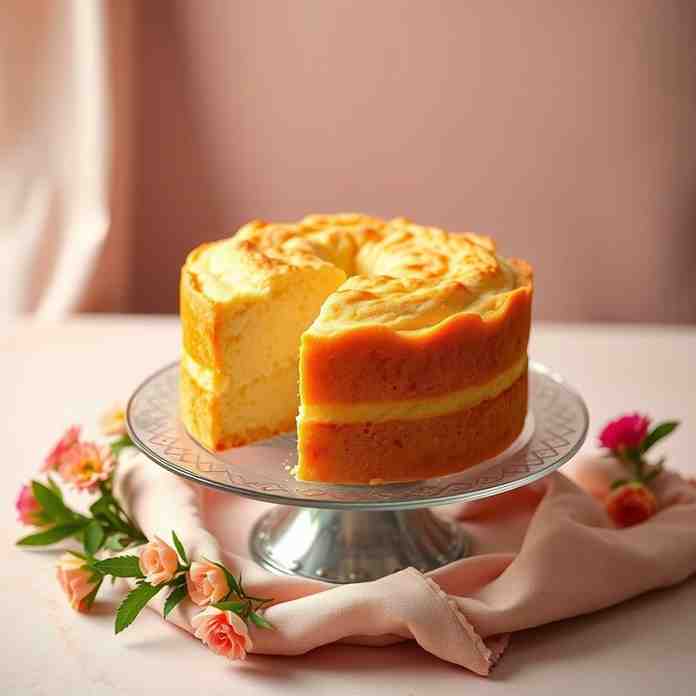
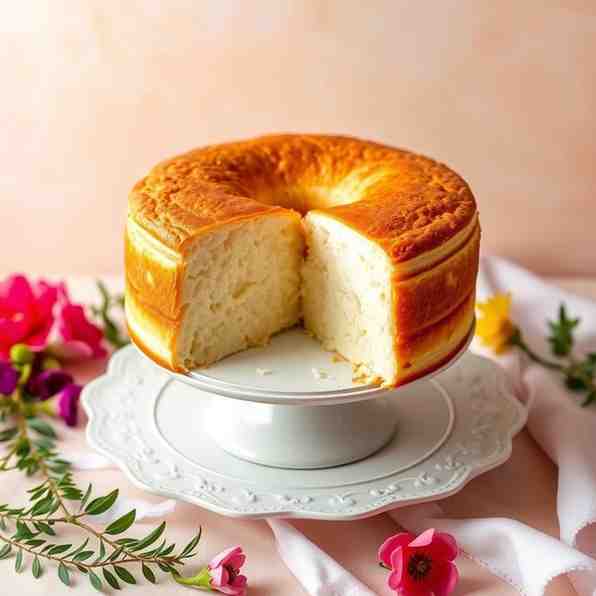
- What Marquesote Should Look LikeA perfectly baked Marquesote is a beautiful sight!
- Crust Color: The top crust should be a lovely golden-brown hue, indicating proper caramelization and doneness.
- Crumb Description: The interior crumb should be incredibly light, airy, and spongy, with a delicate, open texture. It should feel soft and moist, not dense or dry.
- Common “Normal” Quirks vs. Actual Problems:
- Normal: Slight cracks on the top surface are common and perfectly fine for a sponge cake. A slightly uneven rise can also happen.
- Problem: A sunken center, a dense or gummy texture, or a pale, underbaked crust indicates issues that need addressing (see troubleshooting).
- Troubleshooting (Fixes That Actually Save the Cake)Even experienced bakers can run into issues with delicate sponge cakes. Here are common problems and their fixes:
- Dense Cake:
- Most Common Causes: Overmixing the batter after adding flour, or not whipping egg whites to stiff enough peaks.
- Exact Fixes: Ensure your egg whites are truly stiff and glossy before adding other ingredients. When folding in flour, use a very gentle hand and stop as soon as no dry streaks remain. Avoid overworking the batter at all costs.
- Collapsed Center:
- Causes: Undercooking, opening the oven door too early, or cooling the cake right-side up.
- Fixes: Always bake until the doneness cues are met. Resist the urge to open the oven door during the first 20-25 minutes. Always cool sponge cakes upside down.
- Dry/Crumbly:
- Causes: Overbaking.
- Fixes: Keep a close eye on your oven and start checking for doneness a few minutes before the minimum bake time. An oven thermometer can help ensure accurate temperature.
- Gummy Streaks:
- Causes: Undermixing the flour, leaving pockets of unmixed flour, or too much moisture.
- Fixes: Sift your flour thoroughly. When folding, ensure the flour is fully incorporated, but still gently.
- Uneven Rise:
- Causes: Uneven heat distribution in the oven, or not leveling the batter properly in the pan.
- Fixes: Rotate your cake halfway through baking if your oven has hot spots. Gently level the batter in the pan before baking.
Marquesote - Light Salvadoran Angel Food Cake Recipe – Bake Now
- Serves: 10 People
- Prepare Time: 20 minutes
- Cooking Time: 35 minutes
- Calories: -
- Difficulty: Medium
Craving a slice of pure, light for cake bliss? Get ready to dive into the wonderful world of Marquesote Salvadoreño, a truly delicious dessert recipe that’s a beloved classic in El Salvador. This isn't just any angel food cake recipe; it's a fluffy, airy, and incredibly tender angel sponge cake that practically melts in your mouth. Perfect with a steaming cup of coffee or rich hot chocolate, Marquesote is the ultimate comfort food. If your cake sponge cake usually collapses or turns dense, don't worry – this method is designed to fix that, promising you a perfectly risen, ethereal treat every time. Get ready to master this popular dessert recipe and impress everyone with your homemade baking skills!
Marquesote is a traditional Salvadoran sponge cake, celebrated for its incredibly light, airy, and delicate texture. It’s a simple yet elegant dessert, often enjoyed during celebrations, holidays, or as an everyday treat alongside a hot beverage. Its delicate crumb and mild sweetness make it a perfect canvas for various flavor pairings or simply enjoyed on its own.
While both are delicious Salvadoran cakes, Marquesote and Salvadoran Quesadilla are distinct. Marquesote is a light, airy sponge cake made primarily with egg whites, known for its cloud-like texture. Salvadoran Quesadilla, on the other hand, is a denser, often cheese-infused pound cake with a richer, more compact crumb, typically topped with sesame seeds. Don't mix them up – they offer completely different experiences!
The secret to Marquesote's famous lightness lies almost entirely in its preparation, particularly the handling of egg whites.
Egg Whites = Lift: The magic truly happens when you whip egg whites. They capture and hold air, creating a stable foam that acts as the primary leavening agent for the cake. This trapped air expands during baking, giving the cake its incredible height and airy structure.
Sugar’s Job: Sugar isn't just for sweetness here; it plays a crucial role in stabilizing the egg white foam. As sugar dissolves into the whipped whites, it helps create a stronger, more resilient meringue, preventing the foam from collapsing.
Flour’s Job: Flour provides the essential structure. Once folded into the egg whites, it sets during baking, holding that magnificent airy network created by the eggs. Using the right flour ensures a tender crumb without making the cake too heavy.
Greasy Bowl: Any trace of fat (from yolks, oily hands, or an unwashed bowl) will prevent your egg whites from whipping up properly. They simply won't form a stable foam.
Rushing Sugar: Adding sugar too quickly can deflate your egg whites or prevent the sugar from dissolving properly, leading to a grainy texture and unstable foam.
Overmixing: Once the flour is added, overmixing will develop the gluten too much, resulting in a tough, dense cake. Gentle folding is key!
Ingredients
Directions
- Prep the Pan & Preheat: Preheat your oven to 325°F (160°C). Lightly grease and flour your chosen cake pan, or line the bottom with parchment paper and lightly grease the sides. Pan prep matters for sponge lift because it allows the cake to climb the sides of the pan evenly without sticking, which can cause it to collapse.
- Separate Eggs Cleanly: Carefully separate the egg whites from the yolks. It is absolutely crucial that no yolk gets into the whites, as any trace of fat will prevent them from whipping properly. Place the egg whites in your impeccably clean, grease-free stand mixer bowl (or large mixing bowl if using a hand mixer).
- Whip Whites to Soft Peaks: Add the pinch of salt to the egg whites. Using the whisk attachment, begin whipping the egg whites on medium speed. Continue until they become frothy and then form soft peaks – when you lift the whisk, the peaks will hold their shape but gently curl over at the tip. (Image: Egg whites showing soft, floppy peaks on a whisk)
- Gradually Add Sugar to Stiff, Glossy Peaks: With the mixer still running on medium speed, gradually add the granulated sugar, about a tablespoon at a time, allowing each addition to dissolve before adding the next. Increase the speed to medium-high and continue whipping until the egg whites are stiff, glossy peaks. When you lift the whisk, the peaks should stand straight up and be shiny. This process can take 5-7 minutes. (Image: Egg whites showing stiff, shiny peaks that hold their shape)
- Add Yolks Carefully: Gently fold in the egg yolks and vanilla extract into the stiff egg whites. Do this quickly and lightly, just until incorporated, being careful not to deflate the airy meringue.
- Sift Flour & Fold Gently: Sift the all-purpose flour and ground cinnamon (if using) and baking powder directly over the egg mixture. Using a large spatula, gently fold the flour mixture into the egg whites. To fold, cut down through the center of the mixture with the spatula, sweep across the bottom of the bowl, and bring the mixture up and over. Rotate the bowl and repeat this exact folding motion until no streaks of flour remain. Be very gentle and avoid overmixing, which will deflate the batter. (Image: Spatula gently folding flour into egg white mixture)
- Pan & Level: Pour the batter into your prepared cake pan. Gently spread the top evenly with the spatula.
- Do not bang the pan on the counter, as this can cause air bubbles to escape and lead to a denser cake.
- Bake: Bake for 30-35 minutes, or until golden brown. Include doneness cues: The top should be golden brown, the cake should spring back lightly when gently pressed in the center, and a wooden toothpick inserted into the center should come out clean.
- Cool: Once baked, remove the cake from the oven. Immediately invert the cake pan onto a wire rack (or onto the neck of a bottle if using an angel food cake pan). Allow it to cool completely upside down for at least 1 hour, or until fully cooled. This method prevents shrinking and condensation, helping the cake maintain its height and airy texture.
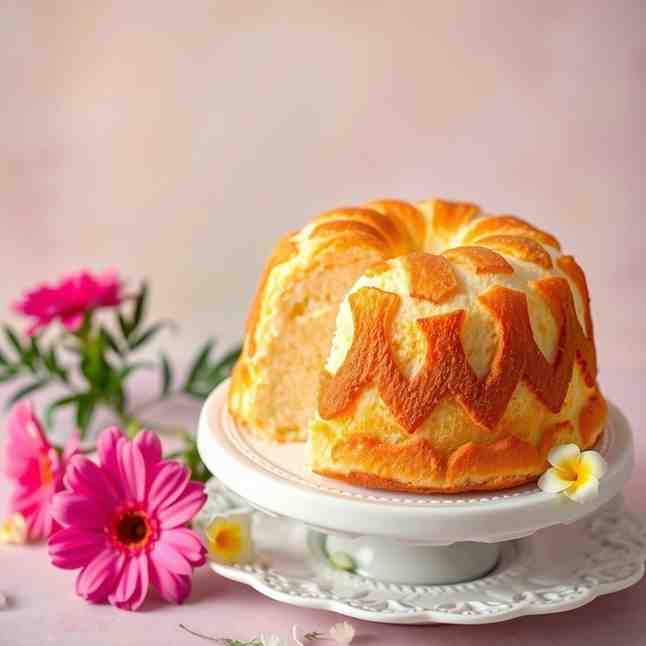
- What Marquesote Should Look LikeA perfectly baked Marquesote is a beautiful sight!
- Crust Color: The top crust should be a lovely golden-brown hue, indicating proper caramelization and doneness.
- Crumb Description: The interior crumb should be incredibly light, airy, and spongy, with a delicate, open texture. It should feel soft and moist, not dense or dry.
- Common “Normal” Quirks vs. Actual Problems:
- Normal: Slight cracks on the top surface are common and perfectly fine for a sponge cake. A slightly uneven rise can also happen.
- Problem: A sunken center, a dense or gummy texture, or a pale, underbaked crust indicates issues that need addressing (see troubleshooting).
- Troubleshooting (Fixes That Actually Save the Cake)Even experienced bakers can run into issues with delicate sponge cakes. Here are common problems and their fixes:
- Dense Cake:
- Most Common Causes: Overmixing the batter after adding flour, or not whipping egg whites to stiff enough peaks.
- Exact Fixes: Ensure your egg whites are truly stiff and glossy before adding other ingredients. When folding in flour, use a very gentle hand and stop as soon as no dry streaks remain. Avoid overworking the batter at all costs.
- Collapsed Center:
- Causes: Undercooking, opening the oven door too early, or cooling the cake right-side up.
- Fixes: Always bake until the doneness cues are met. Resist the urge to open the oven door during the first 20-25 minutes. Always cool sponge cakes upside down.
- Dry/Crumbly:
- Causes: Overbaking.
- Fixes: Keep a close eye on your oven and start checking for doneness a few minutes before the minimum bake time. An oven thermometer can help ensure accurate temperature.
- Gummy Streaks:
- Causes: Undermixing the flour, leaving pockets of unmixed flour, or too much moisture.
- Fixes: Sift your flour thoroughly. When folding, ensure the flour is fully incorporated, but still gently.
- Uneven Rise:
- Causes: Uneven heat distribution in the oven, or not leveling the batter properly in the pan.
- Fixes: Rotate your cake halfway through baking if your oven has hot spots. Gently level the batter in the pan before baking.
You may also like

Hey there! I’m just someone who seriously loves good food and believes that cooking doesn’t have to be complicated to be amazing. Whether it’s a quick weeknight dinner or a cozy weekend meal, I’m all about sharing easy, tasty recipes that actually work.



