
Mofongo Recipe - Puerto Rican Mashed Plantains
Mofongo Recipe - Puerto Rican Mashed Plantains
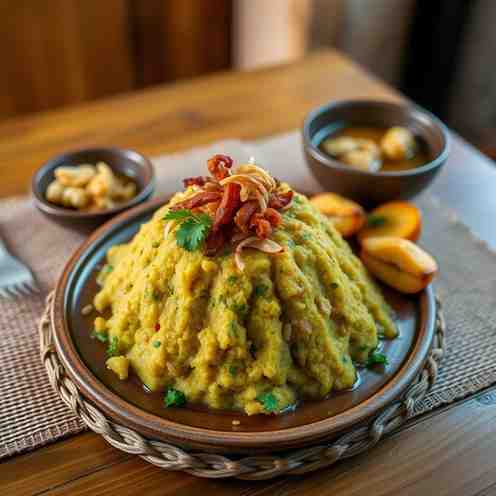
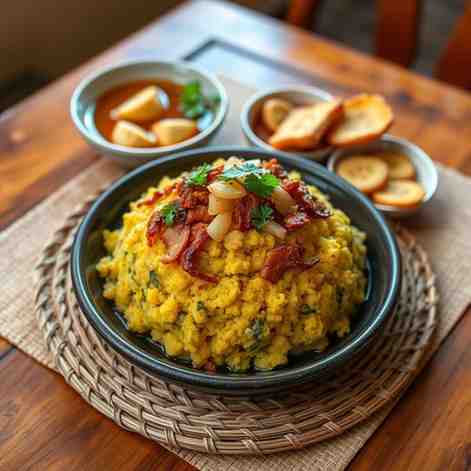
- Serves: 4 People
- Prepare Time: 20 minutes
- Cooking Time: 30 minutes
- Calories: -
- Difficulty: Medium
Welcome to the heart of Puerto Rican cuisine! If you've ever craved a dish that's rich in flavor, history, and pure comfort, then you're about to fall in love with Mofongo. This iconic dish, a staple in homes and restaurants across the island, is so much more than just mashed plantains; it's a culinary experience that tells a story of cultural fusion and vibrant tradition.
What makes mofongo truly unique is its incredible texture and depth of flavor. Picture perfectly fried green plantains, mashed together with aromatic garlic, crispy pork cracklings (chicharrón), and a touch of savory broth. The result? A delightful, savory mound that's crispy on the outside, tender on the inside, and bursting with irresistible garlic-pork goodness. Whether you're a seasoned chef or just starting your journey into recetas de cocina (cooking recipes), this guide will walk you through every step to create an authentic Puerto Rican mofongo that will transport your taste buds straight to the Caribbean. Get ready to discover your new favorite recetas comida!
Ingredients
Directions
- Prep the Plantains: Start by peeling your green plantains. This can be a bit tricky! Cut off both ends, then score the peel lengthwise with a knife, just deep enough to cut through the skin. Pry the peel off using your thumbs. Once peeled, cut each plantain into 1-inch thick rounds. Place them in a bowl of cold water to prevent browning while you work.
- Fry the Plantains Perfectly: Heat about 2-3 inches of olive oil (or a mix of olive oil and vegetable oil) in a large, deep skillet or Dutch oven over medium-high heat to around 350°F (175°C). Carefully add the plantain pieces in batches, making sure not to overcrowd the pan. Fry for 5-7 minutes, turning occasionally, until they are golden yellow and tender but not crispy or fully cooked through. They should still be pliable. Remove with a slotted spoon and drain on a paper towel-lined plate.
- Troubleshooting Tip (Plantains Sticking/Not Enough Crispness): If plantains are sticking, ensure your oil is hot enough. If they're not crisping up after mashing, it might be due to too much moisture or not enough fat during the mashing process. The initial fry is important for tenderness, the crispness comes later.
- Prepare the Garlic Mixture: In a large wooden pilón (mortar and pestle), or a sturdy bowl if you don't have a pilón, combine the minced garlic, salt, and 1/2 cup of olive oil (or pork fat, if using). Mash these together until the garlic is fragrant and well incorporated into the oil. This is your flavor base!
- Create the Right Texture in the Mortar: Working in batches (about 5-6 plantain pieces at a time), add the fried plantain rounds to the pilón with the garlic mixture. Add a few pieces of the crushed chicharrón. Using the pestle, firmly mash and grind the ingredients together.
- Tips for Consistency: The goal is a rustic, slightly lumpy consistency, not a smooth paste. Mash until the plantains are broken down and combined, but still have some texture. If it feels too dry, add a tablespoon or two of the warm broth (or reserved pork fat) to help bind it. The broth also adds moisture and flavor, preventing the mofongo from being too dense or crumbly.
- Combine Garlic and Chicharrón: As you mash each batch, ensure the garlic and chicharrón are evenly distributed. Don't over-mash; you want those distinct pieces of chicharrón for texture and bursts of flavor.
- Form the Mofongo: Once mashed, use your hands or the pestle to press the mixture into a ball or a dome shape. You can also press it into a small bowl and then invert it onto a plate for a more uniform presentation.
- Repeat and Serve: Continue with the remaining plantains, chicharrón, and broth until all the mofongo is made. Serve immediately while warm.
Mofongo Recipe - Puerto Rican Mashed Plantains
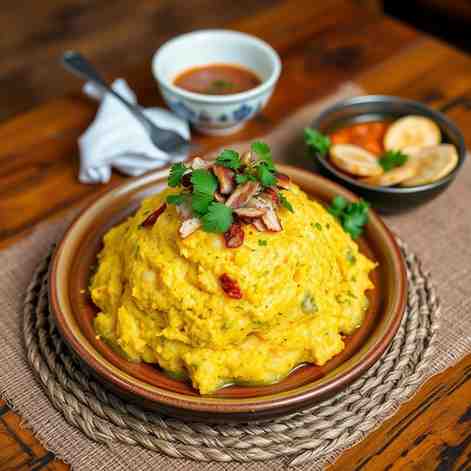
- Serves: 4 People
- Prepare Time: 20 minutes
- Cooking Time: 30 minutes
- Calories: -
- Difficulty: Medium
Welcome to the heart of Puerto Rican cuisine! If you've ever craved a dish that's rich in flavor, history, and pure comfort, then you're about to fall in love with Mofongo. This iconic dish, a staple in homes and restaurants across the island, is so much more than just mashed plantains; it's a culinary experience that tells a story of cultural fusion and vibrant tradition.
What makes mofongo truly unique is its incredible texture and depth of flavor. Picture perfectly fried green plantains, mashed together with aromatic garlic, crispy pork cracklings (chicharrón), and a touch of savory broth. The result? A delightful, savory mound that's crispy on the outside, tender on the inside, and bursting with irresistible garlic-pork goodness. Whether you're a seasoned chef or just starting your journey into recetas de cocina (cooking recipes), this guide will walk you through every step to create an authentic Puerto Rican mofongo that will transport your taste buds straight to the Caribbean. Get ready to discover your new favorite recetas comida!
Ingredients
Directions
- Prep the Plantains: Start by peeling your green plantains. This can be a bit tricky! Cut off both ends, then score the peel lengthwise with a knife, just deep enough to cut through the skin. Pry the peel off using your thumbs. Once peeled, cut each plantain into 1-inch thick rounds. Place them in a bowl of cold water to prevent browning while you work.
- Fry the Plantains Perfectly: Heat about 2-3 inches of olive oil (or a mix of olive oil and vegetable oil) in a large, deep skillet or Dutch oven over medium-high heat to around 350°F (175°C). Carefully add the plantain pieces in batches, making sure not to overcrowd the pan. Fry for 5-7 minutes, turning occasionally, until they are golden yellow and tender but not crispy or fully cooked through. They should still be pliable. Remove with a slotted spoon and drain on a paper towel-lined plate.
- Troubleshooting Tip (Plantains Sticking/Not Enough Crispness): If plantains are sticking, ensure your oil is hot enough. If they're not crisping up after mashing, it might be due to too much moisture or not enough fat during the mashing process. The initial fry is important for tenderness, the crispness comes later.
- Prepare the Garlic Mixture: In a large wooden pilón (mortar and pestle), or a sturdy bowl if you don't have a pilón, combine the minced garlic, salt, and 1/2 cup of olive oil (or pork fat, if using). Mash these together until the garlic is fragrant and well incorporated into the oil. This is your flavor base!
- Create the Right Texture in the Mortar: Working in batches (about 5-6 plantain pieces at a time), add the fried plantain rounds to the pilón with the garlic mixture. Add a few pieces of the crushed chicharrón. Using the pestle, firmly mash and grind the ingredients together.
- Tips for Consistency: The goal is a rustic, slightly lumpy consistency, not a smooth paste. Mash until the plantains are broken down and combined, but still have some texture. If it feels too dry, add a tablespoon or two of the warm broth (or reserved pork fat) to help bind it. The broth also adds moisture and flavor, preventing the mofongo from being too dense or crumbly.
- Combine Garlic and Chicharrón: As you mash each batch, ensure the garlic and chicharrón are evenly distributed. Don't over-mash; you want those distinct pieces of chicharrón for texture and bursts of flavor.
- Form the Mofongo: Once mashed, use your hands or the pestle to press the mixture into a ball or a dome shape. You can also press it into a small bowl and then invert it onto a plate for a more uniform presentation.
- Repeat and Serve: Continue with the remaining plantains, chicharrón, and broth until all the mofongo is made. Serve immediately while warm.
You may also like



Hey there! I’m just someone who seriously loves good food and believes that cooking doesn’t have to be complicated to be amazing. Whether it’s a quick weeknight dinner or a cozy weekend meal, I’m all about sharing easy, tasty recipes that actually work.



