
Mona de Pascua - Cake Baking Recipe for Easter
Mona de Pascua - Cake Baking Recipe for Easter
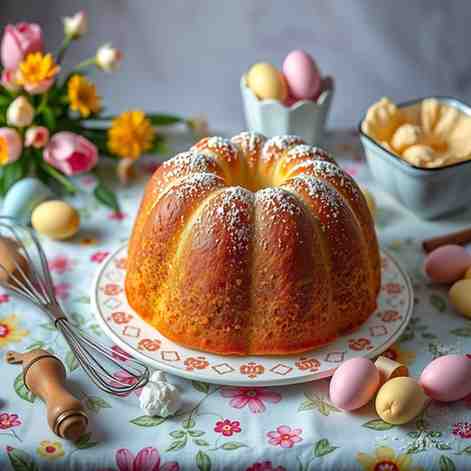
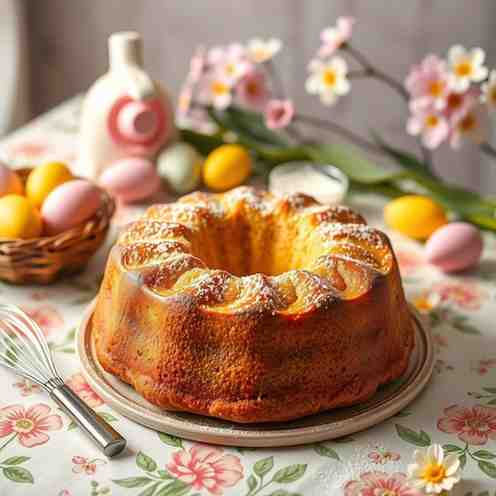
- Serves: 10 People
- Prepare Time: 30 minutes
- Cooking Time: 35 minutes
- Calories: -
- Difficulty: Medium
Get ready to dive into a cherished Catalan Easter tradition! We’re talking about Mona de Pascua, a delightful, sweet, enriched bread or cake baking recipe that’s much more than just a dessert—it's a symbol of spring, new life, and family gatherings. While many Easter breads exist, this guide brings you the single, definitive recipe for a traditional Mona de Pascua, perfect for home bakers in the US. Forget complicated variations; we’re focusing on one incredible brioche-style ring that’s soft, slightly sweet, and utterly irresistible. Whether you’re a seasoned baker looking for new food recipes baking or a beginner eager to make a cake that tells a story, this friendly, step-by-step guide will help you create a show-stopping Mona de Pascua to share with loved ones this Easter. Let's get baking and create some sweet memories!
Ingredients
Directions
- Before You Start:Gather all your ingredients for cake and tools. Ensure your eggs and milk are at room temperature. For best results, use a kitchen scale for accuracy.
- Activate the Yeast & Warm the MilkIn a small bowl, gently warm the ½ cup of whole milk until it’s lukewarm, between 105-115°F (40-46°C). It should feel warm, not hot, to the touch. Sprinkle the yeast over the warm milk and stir gently. Let it sit for 5-10 minutes. You should see it become foamy and bubbly—that means your yeast is alive and ready to work! If it doesn't foam, your yeast might be old or the milk was too hot/cold; it’s best to stop and restart with fresh yeast and properly warmed milk.
- Mix the DoughIn a large mixing bowl (or the bowl of a stand mixer fitted with the dough hook), combine the active yeast mixture, ½ cup granulated sugar, 2 large eggs, orange zest, lemon zest, and the optional orange blossom water (or vanilla extract). Stir well. Add the melted butter or oil.Next, gradually add the 3 ¾ cups (450g) all-purpose flour and 1 teaspoon fine sea salt.
- Using a Stand Mixer: Mix on low speed until a shaggy dough forms, then increase to medium-low and knead for 8-10 minutes until the dough is smooth, elastic, and pulls away from the sides of the bowl.
- Mixing by Hand: Stir with a sturdy spoon until the flour is incorporated, then turn the dough out onto a lightly floured surface and knead for 12-15 minutes until it's smooth and elastic.
- The dough should be soft, slightly tacky but still manageable, and pulling away from the bowl or your hands.
- First RiseLightly grease a large bowl with a little oil. Transfer the dough to the greased bowl, turning it once to coat. Cover the bowl tightly with plastic wrap or a clean kitchen towel. Place it in a warm, draft-free spot (around 70-75°F / 21-24°C is ideal). Let the dough rise for 1 to 1 ½ hours, or until it has roughly doubled in size and looks puffy. You can gently jiggle the bowl; if it jiggles like a cloud, it's ready!
- Shape the Mona RingGently punch down the risen dough to release the air. Turn it out onto a lightly floured surface.
- Single Ring Method: Divide the dough into two equal portions. Roll each portion into a long rope, about 18-20 inches long. Gently twist the two ropes together, then form them into a ring, pinching the ends together to seal.
- Placing Eggs: Carefully place the unpeeled hard-boiled eggs into the ring, gently nestling them into the dough. If you prefer to add chocolate eggs after baking, you can simply create small indentations where they will sit later. Place the shaped Mona ring on a baking sheet lined with parchment paper. Ensure the ring isn't too tight or too loose; aim for a shape that will hold its form but still allow for expansion.
- Second RiseLoosely cover the shaped Mona with plastic wrap or a clean kitchen towel. Let it rise again in a warm, draft-free spot for another 45-60 minutes, or until it has visibly puffed up and looks soft and airy. Be careful not to over-proof it, or it might collapse in the oven. It should look noticeably larger but not overly stretched.
- Egg Wash, Toppings & BakingPreheat your oven to 350°F (175°C). In a small bowl, whisk the remaining egg with 1 tablespoon of water to create an egg wash. Gently brush the entire surface of the Mona (avoiding the hard-boiled eggs) with the egg wash. If using, sprinkle with sliced almonds or colorful sprinkles now.Bake for 30-40 minutes, or until the Mona de Pascua is golden brown and an instant-read thermometer inserted into the thickest part of the bread (not touching an egg) reads approximately 190°F (88°C). If the top starts to brown too quickly, you can loosely tent it with aluminum foil.
- Cooling & DecoratingOnce baked, transfer the Mona de Pascua to a wire rack to cool completely. This usually takes at least 1-2 hours. If you used hard-boiled eggs, they will cool with the bread. If you planned to add chocolate eggs and feathers, wait until the Mona is fully cooled, then gently place them in the wells or secure them with a dab of icing if needed.
Mona de Pascua - Cake Baking Recipe for Easter
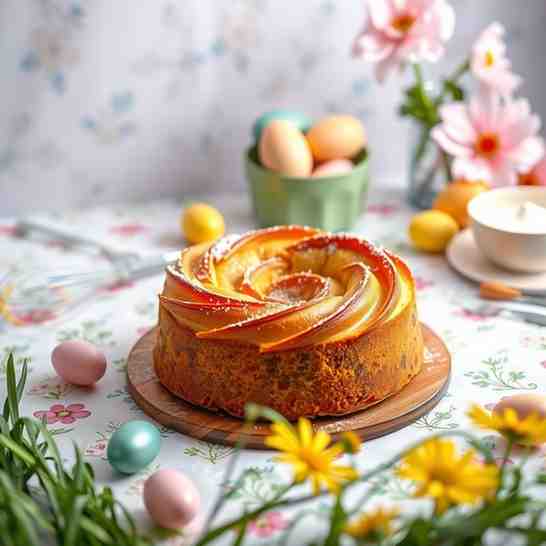
- Serves: 10 People
- Prepare Time: 30 minutes
- Cooking Time: 35 minutes
- Calories: -
- Difficulty: Medium
Get ready to dive into a cherished Catalan Easter tradition! We’re talking about Mona de Pascua, a delightful, sweet, enriched bread or cake baking recipe that’s much more than just a dessert—it's a symbol of spring, new life, and family gatherings. While many Easter breads exist, this guide brings you the single, definitive recipe for a traditional Mona de Pascua, perfect for home bakers in the US. Forget complicated variations; we’re focusing on one incredible brioche-style ring that’s soft, slightly sweet, and utterly irresistible. Whether you’re a seasoned baker looking for new food recipes baking or a beginner eager to make a cake that tells a story, this friendly, step-by-step guide will help you create a show-stopping Mona de Pascua to share with loved ones this Easter. Let's get baking and create some sweet memories!
Ingredients
Directions
- Before You Start:Gather all your ingredients for cake and tools. Ensure your eggs and milk are at room temperature. For best results, use a kitchen scale for accuracy.
- Activate the Yeast & Warm the MilkIn a small bowl, gently warm the ½ cup of whole milk until it’s lukewarm, between 105-115°F (40-46°C). It should feel warm, not hot, to the touch. Sprinkle the yeast over the warm milk and stir gently. Let it sit for 5-10 minutes. You should see it become foamy and bubbly—that means your yeast is alive and ready to work! If it doesn't foam, your yeast might be old or the milk was too hot/cold; it’s best to stop and restart with fresh yeast and properly warmed milk.
- Mix the DoughIn a large mixing bowl (or the bowl of a stand mixer fitted with the dough hook), combine the active yeast mixture, ½ cup granulated sugar, 2 large eggs, orange zest, lemon zest, and the optional orange blossom water (or vanilla extract). Stir well. Add the melted butter or oil.Next, gradually add the 3 ¾ cups (450g) all-purpose flour and 1 teaspoon fine sea salt.
- Using a Stand Mixer: Mix on low speed until a shaggy dough forms, then increase to medium-low and knead for 8-10 minutes until the dough is smooth, elastic, and pulls away from the sides of the bowl.
- Mixing by Hand: Stir with a sturdy spoon until the flour is incorporated, then turn the dough out onto a lightly floured surface and knead for 12-15 minutes until it's smooth and elastic.
- The dough should be soft, slightly tacky but still manageable, and pulling away from the bowl or your hands.
- First RiseLightly grease a large bowl with a little oil. Transfer the dough to the greased bowl, turning it once to coat. Cover the bowl tightly with plastic wrap or a clean kitchen towel. Place it in a warm, draft-free spot (around 70-75°F / 21-24°C is ideal). Let the dough rise for 1 to 1 ½ hours, or until it has roughly doubled in size and looks puffy. You can gently jiggle the bowl; if it jiggles like a cloud, it's ready!
- Shape the Mona RingGently punch down the risen dough to release the air. Turn it out onto a lightly floured surface.
- Single Ring Method: Divide the dough into two equal portions. Roll each portion into a long rope, about 18-20 inches long. Gently twist the two ropes together, then form them into a ring, pinching the ends together to seal.
- Placing Eggs: Carefully place the unpeeled hard-boiled eggs into the ring, gently nestling them into the dough. If you prefer to add chocolate eggs after baking, you can simply create small indentations where they will sit later. Place the shaped Mona ring on a baking sheet lined with parchment paper. Ensure the ring isn't too tight or too loose; aim for a shape that will hold its form but still allow for expansion.
- Second RiseLoosely cover the shaped Mona with plastic wrap or a clean kitchen towel. Let it rise again in a warm, draft-free spot for another 45-60 minutes, or until it has visibly puffed up and looks soft and airy. Be careful not to over-proof it, or it might collapse in the oven. It should look noticeably larger but not overly stretched.
- Egg Wash, Toppings & BakingPreheat your oven to 350°F (175°C). In a small bowl, whisk the remaining egg with 1 tablespoon of water to create an egg wash. Gently brush the entire surface of the Mona (avoiding the hard-boiled eggs) with the egg wash. If using, sprinkle with sliced almonds or colorful sprinkles now.Bake for 30-40 minutes, or until the Mona de Pascua is golden brown and an instant-read thermometer inserted into the thickest part of the bread (not touching an egg) reads approximately 190°F (88°C). If the top starts to brown too quickly, you can loosely tent it with aluminum foil.
- Cooling & DecoratingOnce baked, transfer the Mona de Pascua to a wire rack to cool completely. This usually takes at least 1-2 hours. If you used hard-boiled eggs, they will cool with the bread. If you planned to add chocolate eggs and feathers, wait until the Mona is fully cooled, then gently place them in the wells or secure them with a dab of icing if needed.
You may also like


Hey there! I’m just someone who seriously loves good food and believes that cooking doesn’t have to be complicated to be amazing. Whether it’s a quick weeknight dinner or a cozy weekend meal, I’m all about sharing easy, tasty recipes that actually work.



