
Morasa Polo - The Jeweled Persian Dish Recipe You Need
Morasa Polo - The Jeweled Persian Dish Recipe You Need
- Serves: 6 People
- Prepare Time: 45 minutes
- Cooking Time: 60 minutes
- Calories: -
- Difficulty: Medium
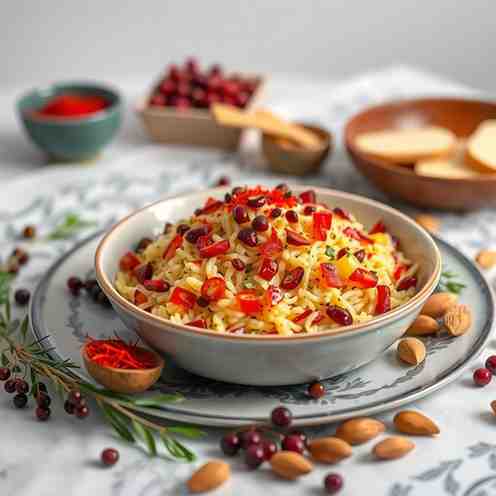
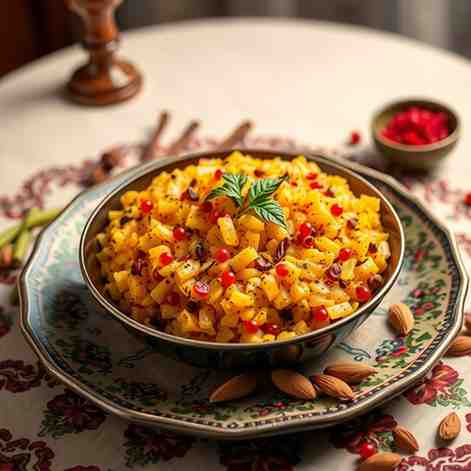
Welcome to the dazzling world of Morasa Polo, also lovingly known as Persian Jeweled Rice! This isn't just any rice dish; it's a vibrant tapestry of flavors and colors, making it one of the most stunning and beloved Persian dish recipes. Traditionally served at celebrations, weddings, and special dinners, Morasa Polo earns its "jeweled" name from the glistening, colorful toppings—each a little gem of flavor. Imagine fluffy basmati rice, kissed with bright saffron, studded with tart barberries, fragrant citrus peel, and crunchy nuts. It might look intimidating, but with our clear, step-by-step plan, you'll be creating this authentic sweet rice recipe like a pro. Get ready to impress your guests with this truly magnificent main dish recipe from the heart of Persian cuisine recipes!
Ingredients
Directions
- Bloom saffronIn a small bowl, crush saffron threads lightly. Add 2-3 tablespoons of hot (not boiling) water. Stir gently and set aside for at least 10-15 minutes to allow the color and aroma to fully develop. This "bloomed" saffron will be used to color the rice and create a beautiful aroma.
- Prep the “jewels”
- Dried Orange Peel (Seville): This is the key flavor!
- If using dried bitter orange peel: Place the peel in a bowl and cover with cool water. Soak overnight, changing the water once. The next day, taste a small strip. If it's still bitter, simmer the peel in fresh water for 5 minutes, then drain. Repeat this simmering step if necessary until the bitterness is mostly gone. Once ready, drain well and set aside.
- If using fresh orange peel: Use a vegetable peeler to remove the zest, avoiding the white pith. Slice the zest into thin matchsticks. Bring a small pot of water to a boil, add the orange matchsticks, and blanch for 1-2 minutes. Drain, rinse with cold water, and repeat if desired to further tame any bitterness.
- Substitutes: If you can't find bitter orange peel, you can use candied orange peel (reduce added sugar in the dish), or orange zest mixed with a tiny squeeze of orange juice for a hint of citrus.
- Barberries: Place barberries in a fine-mesh strainer and rinse thoroughly under cool running water to remove any grit. Soak them in a small bowl of water for 5-10 minutes. Drain well. In a small skillet over low heat, melt 1 tablespoon of butter. Add the rinsed barberries and a pinch of sugar (about 1 tablespoon). Sauté gently for 30-60 seconds, just until plumped and glossy. Be careful not to burn them. Set aside.
- Nuts: Lightly toast the slivered pistachios and almonds in a dry skillet over medium-low heat for 3-5 minutes, stirring frequently, until fragrant. Be careful not to burn them. Set aside.
- Raisins: Place golden raisins in a small bowl and cover with warm water for 5-10 minutes to plump them. Drain well.
- Carrots/Onions (optional): If using, sauté julienned carrots and/or finely diced onions in a little butter or oil until softened and slightly caramelized.
- Parboil the riceRinse the basmati rice in a large bowl under cool running water, swirling with your hand, until the water runs mostly clear (this can take 5-7 rinses). In a large, heavy-bottomed pot, bring about 10-12 cups of water to a rolling boil. Add 2 tablespoons of salt to the boiling water. Add the rinsed basmati rice and stir gently. Cook for 7-10 minutes, or until the rice grains are elongated and slightly softened on the outside but still firm with a bite in the center (al dente). Drain the rice immediately in a fine-mesh strainer and rinse briefly with cool water to stop the cooking process and wash off excess starch.
- Make the tahdig base (optional but recommended)Wipe the same pot clean and place it back on the stove. Add 2-3 tablespoons of oil or ghee to the bottom of the pot and swirl to coat. If desired, you can add a thin layer of parboiled rice mixed with a tablespoon of bloomed saffron, or a mixture of yogurt and saffron-infused rice for a crispier, more flavorful tahdig. Spread this chosen base evenly across the bottom.
- Layer + steamCarefully spoon about half of the parboiled rice over the tahdig base in the pot. Gently layer in some of the prepared jewels (orange peel, barberries, nuts, raisins, carrots/onions if using), reserving a good portion for garnish. Spoon the remaining rice over the jewels. Drizzle the remaining 1/4 cup of oil/ghee over the top of the rice. Pour about 2 tablespoons of the bloomed saffron (or more, if you like) over a few spots on the rice. Create 3-4 steam vent holes in the rice using the handle of a wooden spoon, going all the way to the bottom. Wrap the lid of the pot tightly with a clean kitchen towel (this helps absorb steam and keeps the rice fluffy). Place the lid firmly on the pot.Heat Schedule: Start on medium-high heat for 5-7 minutes to build steam. You should hear sizzling. Then, reduce the heat to the lowest setting and cook for 45-60 minutes.
- Finish + garnishOnce cooked, remove the pot from the heat and let it rest, still covered, for 5-10 minutes. This allows the steam to redistribute and the tahdig to crisp up further. Gently fluff the rice with a fork, lifting from the bottom to incorporate the saffron-infused grains. Carefully transfer the fluffy, jeweled rice to a large serving platter. Arrange the remaining prepared jewels (barberries, pistachios, almonds, raisins, orange peel) beautifully on top for a stunning presentation. Carefully scrape the tahdig from the bottom of the pot (it should come out in a crisp, golden crust) and serve it on the side.
Morasa Polo - The Jeweled Persian Dish Recipe You Need
- Serves: 6 People
- Prepare Time: 45 minutes
- Cooking Time: 60 minutes
- Calories: -
- Difficulty: Medium
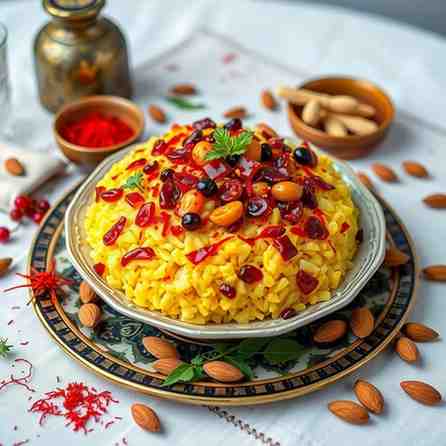
Welcome to the dazzling world of Morasa Polo, also lovingly known as Persian Jeweled Rice! This isn't just any rice dish; it's a vibrant tapestry of flavors and colors, making it one of the most stunning and beloved Persian dish recipes. Traditionally served at celebrations, weddings, and special dinners, Morasa Polo earns its "jeweled" name from the glistening, colorful toppings—each a little gem of flavor. Imagine fluffy basmati rice, kissed with bright saffron, studded with tart barberries, fragrant citrus peel, and crunchy nuts. It might look intimidating, but with our clear, step-by-step plan, you'll be creating this authentic sweet rice recipe like a pro. Get ready to impress your guests with this truly magnificent main dish recipe from the heart of Persian cuisine recipes!
Ingredients
Directions
- Bloom saffronIn a small bowl, crush saffron threads lightly. Add 2-3 tablespoons of hot (not boiling) water. Stir gently and set aside for at least 10-15 minutes to allow the color and aroma to fully develop. This "bloomed" saffron will be used to color the rice and create a beautiful aroma.
- Prep the “jewels”
- Dried Orange Peel (Seville): This is the key flavor!
- If using dried bitter orange peel: Place the peel in a bowl and cover with cool water. Soak overnight, changing the water once. The next day, taste a small strip. If it's still bitter, simmer the peel in fresh water for 5 minutes, then drain. Repeat this simmering step if necessary until the bitterness is mostly gone. Once ready, drain well and set aside.
- If using fresh orange peel: Use a vegetable peeler to remove the zest, avoiding the white pith. Slice the zest into thin matchsticks. Bring a small pot of water to a boil, add the orange matchsticks, and blanch for 1-2 minutes. Drain, rinse with cold water, and repeat if desired to further tame any bitterness.
- Substitutes: If you can't find bitter orange peel, you can use candied orange peel (reduce added sugar in the dish), or orange zest mixed with a tiny squeeze of orange juice for a hint of citrus.
- Barberries: Place barberries in a fine-mesh strainer and rinse thoroughly under cool running water to remove any grit. Soak them in a small bowl of water for 5-10 minutes. Drain well. In a small skillet over low heat, melt 1 tablespoon of butter. Add the rinsed barberries and a pinch of sugar (about 1 tablespoon). Sauté gently for 30-60 seconds, just until plumped and glossy. Be careful not to burn them. Set aside.
- Nuts: Lightly toast the slivered pistachios and almonds in a dry skillet over medium-low heat for 3-5 minutes, stirring frequently, until fragrant. Be careful not to burn them. Set aside.
- Raisins: Place golden raisins in a small bowl and cover with warm water for 5-10 minutes to plump them. Drain well.
- Carrots/Onions (optional): If using, sauté julienned carrots and/or finely diced onions in a little butter or oil until softened and slightly caramelized.
- Parboil the riceRinse the basmati rice in a large bowl under cool running water, swirling with your hand, until the water runs mostly clear (this can take 5-7 rinses). In a large, heavy-bottomed pot, bring about 10-12 cups of water to a rolling boil. Add 2 tablespoons of salt to the boiling water. Add the rinsed basmati rice and stir gently. Cook for 7-10 minutes, or until the rice grains are elongated and slightly softened on the outside but still firm with a bite in the center (al dente). Drain the rice immediately in a fine-mesh strainer and rinse briefly with cool water to stop the cooking process and wash off excess starch.
- Make the tahdig base (optional but recommended)Wipe the same pot clean and place it back on the stove. Add 2-3 tablespoons of oil or ghee to the bottom of the pot and swirl to coat. If desired, you can add a thin layer of parboiled rice mixed with a tablespoon of bloomed saffron, or a mixture of yogurt and saffron-infused rice for a crispier, more flavorful tahdig. Spread this chosen base evenly across the bottom.
- Layer + steamCarefully spoon about half of the parboiled rice over the tahdig base in the pot. Gently layer in some of the prepared jewels (orange peel, barberries, nuts, raisins, carrots/onions if using), reserving a good portion for garnish. Spoon the remaining rice over the jewels. Drizzle the remaining 1/4 cup of oil/ghee over the top of the rice. Pour about 2 tablespoons of the bloomed saffron (or more, if you like) over a few spots on the rice. Create 3-4 steam vent holes in the rice using the handle of a wooden spoon, going all the way to the bottom. Wrap the lid of the pot tightly with a clean kitchen towel (this helps absorb steam and keeps the rice fluffy). Place the lid firmly on the pot.Heat Schedule: Start on medium-high heat for 5-7 minutes to build steam. You should hear sizzling. Then, reduce the heat to the lowest setting and cook for 45-60 minutes.
- Finish + garnishOnce cooked, remove the pot from the heat and let it rest, still covered, for 5-10 minutes. This allows the steam to redistribute and the tahdig to crisp up further. Gently fluff the rice with a fork, lifting from the bottom to incorporate the saffron-infused grains. Carefully transfer the fluffy, jeweled rice to a large serving platter. Arrange the remaining prepared jewels (barberries, pistachios, almonds, raisins, orange peel) beautifully on top for a stunning presentation. Carefully scrape the tahdig from the bottom of the pot (it should come out in a crisp, golden crust) and serve it on the side.
You may also like


Hey there! I’m just someone who seriously loves good food and believes that cooking doesn’t have to be complicated to be amazing. Whether it’s a quick weeknight dinner or a cozy weekend meal, I’m all about sharing easy, tasty recipes that actually work.