
Nikujaga Recipe - Cozy Japanese Beef & Potato Stew
Nikujaga Recipe - Cozy Japanese Beef & Potato Stew


- Serves: 4 People
- Prepare Time: 20 minutes
- Cooking Time: 40 minutes
- Calories: -
- Difficulty: Easy
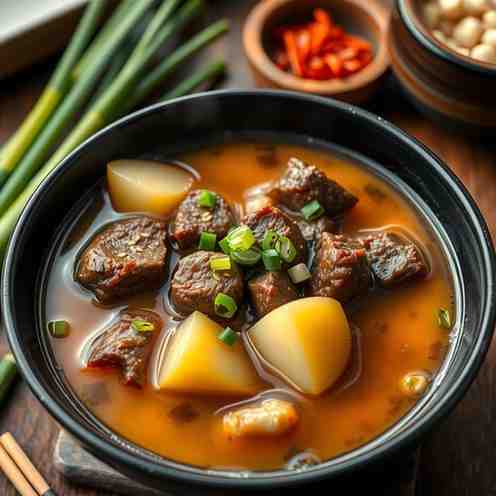
Welcome to the ultimate guide to Nikujaga, a heartwarming Japanese beef and potato stew that's the epitome of cozy home cooking! If you've been searching for authentic Japanese home meals that are both incredibly flavorful and wonderfully easy to make, you've found your new favorite. This savory-sweet stew, often described as having a sukiyaki-style flavor, is a weeknight-friendly marvel that brings comfort in every spoonful.
You might be wondering, "Is this like sukiyaki?" While they share some delicious pantry staples, Nikujaga offers its own distinct charm, perfect for a hearty family-style meal served over fluffy rice. Forget complicated techniques or obscure ingredients; this is the beginner-proof Nikujaga you can make with normal US groceries. Get ready to cook up a truly satisfying home cooked meal that will quickly become a cherished part of your Japanese meal plan.
Ingredients
Directions
- Recipe Card SummaryNote: This stew tastes even better the next day as the flavors deepen!
- Prep Your Veggies & Noodles: Slice your potatoes, onions, and carrots into consistent, bite-sized pieces. Aim for chunks that are roughly the same size so they cook evenly. If using shirataki noodles, rinse them well under cold running water for several minutes, then drain.
- Lightly Caramelize the Onion: In a Dutch oven or a heavy-bottomed pot, add a tablespoon of neutral oil (like vegetable or canola) over medium heat. Add the sliced onions and cook gently, stirring occasionally, until they are soft, translucent, and just beginning to turn golden brown at the edges. This should take about 5-7 minutes. You want them lightly caramelized, not burnt, to build a sweet base for the stew.
- Cook the Beef Briefly: Push the softened onions to one side of the pot. Add the thinly sliced beef in a single layer to the empty side. Cook for just 1-2 minutes until the beef is mostly browned, stirring only gently. Since the slices are thin, they cook very quickly and don't need a hard sear.
- Build the Broth: Pour in the dashi, sake (if using), mirin, and sugar. Stir everything together gently to combine. Bring the mixture to a gentle simmer over medium-high heat.
- Drop Lid & Simmer: Once simmering, add the sliced potatoes and carrots to the pot. If using shirataki noodles, add them now as well. Place a "drop lid" directly on top of the ingredients (you can use a piece of parchment paper cut to fit just inside the pot if you don't have a traditional otoshibuta/drop lid). This helps to circulate the liquid and cook the ingredients evenly. Reduce the heat to low, cover the pot with its main lid, and simmer for 20-25 minutes, or until the potatoes are tender when pierced with a fork.
- Season with Soy Sauce: Remove the drop lid. Add the soy sauce and sliced ginger. Stir gently to distribute. It's important to add the soy sauce at this stage rather than at the beginning, as prolonged cooking can sometimes diminish its delicate flavor and make the stew overly salty if reduced too much.
- Reduce to Finish: Continue to simmer uncovered for another 5-10 minutes, or until the broth has slightly thickened and become glossy. If the broth seems too soupy, you can uncover the pot slightly or increase the heat a touch to encourage reduction. The goal is a rich, flavorful, slightly reduced sauce that coats the ingredients, not a thin soup.
- Rest for Flavor & Texture: Remove the pot from the heat, cover it, and let the Nikujaga rest for 10-15 minutes before serving. This resting period allows the flavors to meld further and the potatoes to firm up slightly, improving the overall texture.
- Serve: Ladle generous portions of Nikujaga into bowls, making sure each serving gets plenty of beef, potatoes, and carrots. Serve immediately with freshly steamed rice. Garnish with sliced scallions and a sprinkle of shichimi togarashi, if desired. Enjoy your delicious cook at home meals!
Nikujaga Recipe - Cozy Japanese Beef & Potato Stew
- Serves: 4 People
- Prepare Time: 20 minutes
- Cooking Time: 40 minutes
- Calories: -
- Difficulty: Easy
Welcome to the ultimate guide to Nikujaga, a heartwarming Japanese beef and potato stew that's the epitome of cozy home cooking! If you've been searching for authentic Japanese home meals that are both incredibly flavorful and wonderfully easy to make, you've found your new favorite. This savory-sweet stew, often described as having a sukiyaki-style flavor, is a weeknight-friendly marvel that brings comfort in every spoonful.
You might be wondering, "Is this like sukiyaki?" While they share some delicious pantry staples, Nikujaga offers its own distinct charm, perfect for a hearty family-style meal served over fluffy rice. Forget complicated techniques or obscure ingredients; this is the beginner-proof Nikujaga you can make with normal US groceries. Get ready to cook up a truly satisfying home cooked meal that will quickly become a cherished part of your Japanese meal plan.
Ingredients
Directions
- Recipe Card SummaryNote: This stew tastes even better the next day as the flavors deepen!
- Prep Your Veggies & Noodles: Slice your potatoes, onions, and carrots into consistent, bite-sized pieces. Aim for chunks that are roughly the same size so they cook evenly. If using shirataki noodles, rinse them well under cold running water for several minutes, then drain.
- Lightly Caramelize the Onion: In a Dutch oven or a heavy-bottomed pot, add a tablespoon of neutral oil (like vegetable or canola) over medium heat. Add the sliced onions and cook gently, stirring occasionally, until they are soft, translucent, and just beginning to turn golden brown at the edges. This should take about 5-7 minutes. You want them lightly caramelized, not burnt, to build a sweet base for the stew.
- Cook the Beef Briefly: Push the softened onions to one side of the pot. Add the thinly sliced beef in a single layer to the empty side. Cook for just 1-2 minutes until the beef is mostly browned, stirring only gently. Since the slices are thin, they cook very quickly and don't need a hard sear.
- Build the Broth: Pour in the dashi, sake (if using), mirin, and sugar. Stir everything together gently to combine. Bring the mixture to a gentle simmer over medium-high heat.
- Drop Lid & Simmer: Once simmering, add the sliced potatoes and carrots to the pot. If using shirataki noodles, add them now as well. Place a "drop lid" directly on top of the ingredients (you can use a piece of parchment paper cut to fit just inside the pot if you don't have a traditional otoshibuta/drop lid). This helps to circulate the liquid and cook the ingredients evenly. Reduce the heat to low, cover the pot with its main lid, and simmer for 20-25 minutes, or until the potatoes are tender when pierced with a fork.
- Season with Soy Sauce: Remove the drop lid. Add the soy sauce and sliced ginger. Stir gently to distribute. It's important to add the soy sauce at this stage rather than at the beginning, as prolonged cooking can sometimes diminish its delicate flavor and make the stew overly salty if reduced too much.
- Reduce to Finish: Continue to simmer uncovered for another 5-10 minutes, or until the broth has slightly thickened and become glossy. If the broth seems too soupy, you can uncover the pot slightly or increase the heat a touch to encourage reduction. The goal is a rich, flavorful, slightly reduced sauce that coats the ingredients, not a thin soup.
- Rest for Flavor & Texture: Remove the pot from the heat, cover it, and let the Nikujaga rest for 10-15 minutes before serving. This resting period allows the flavors to meld further and the potatoes to firm up slightly, improving the overall texture.
- Serve: Ladle generous portions of Nikujaga into bowls, making sure each serving gets plenty of beef, potatoes, and carrots. Serve immediately with freshly steamed rice. Garnish with sliced scallions and a sprinkle of shichimi togarashi, if desired. Enjoy your delicious cook at home meals!
You may also like



Hey there! I’m just someone who seriously loves good food and believes that cooking doesn’t have to be complicated to be amazing. Whether it’s a quick weeknight dinner or a cozy weekend meal, I’m all about sharing easy, tasty recipes that actually work.