Homemade Doughnuts - Delicious Croatian Krafne Recipe
Homemade Doughnuts - Delicious Croatian Krafne Recipe
- Serves: 16 People
- Prepare Time: 30 minutes
- Cooking Time: 20 minutes
- Calories: -
- Difficulty: Medium
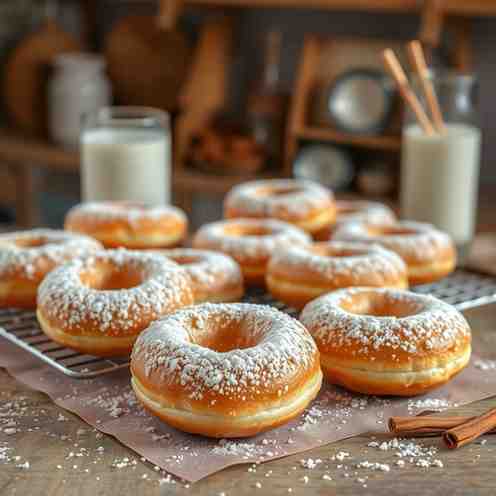
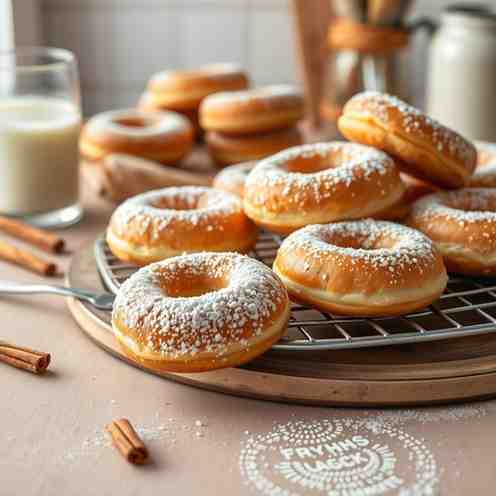
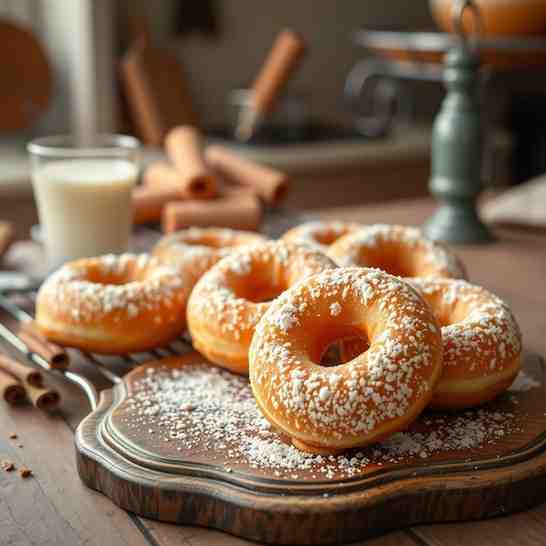
Get ready to embark on a sweet journey to Croatia with our incredible `recipe for homemade doughnuts`! We're talking about Krafne, the fluffy, golden, and utterly irresistible `croatian traditional food` that’s a highlight of holidays and celebrations. These aren't just any doughnuts; Krafne are a symbol of joy, often enjoyed during Carnival (Fašnik) and a beloved `pastry for christmas`. Imagine biting into a warm, soft doughnut, perhaps filled with jam or chocolate, dusted with powdered sugar – pure bliss!
Making Krafne from scratch is a rewarding experience, and we're here to guide you through every step of this `doughnut dough recipe`. Forget store-bought; once you `make your own doughnuts` using our `best doughnut recipe`, you’ll never look back. Whether you’re a seasoned baker or just starting your culinary adventure, our clear instructions will help you create these delightful `old fashioned doughnuts` that rival any bakery. So, roll up your sleeves, because it’s time to discover the magic behind one of Croatia's `best pastry recipes`!
Ingredients
Directions
- 1. Making the DoughActivate the Yeast: In a large mixing bowl, combine the warm milk with 1 teaspoon of the granulated sugar and sprinkle the active dry yeast over top. Let it sit for 5-10 minutes until foamy. This shows your yeast is active and ready to work!
- Combine Wet Ingredients: In a separate bowl, whisk together the eggs, melted butter, vanilla extract (if using), and rum/brandy (if using).
- Mix Dry Ingredients: In another large bowl, combine the flour, remaining granulated sugar, salt, and lemon zest (if using).
- Form the Dough: Pour the activated yeast mixture and the egg mixture into the bowl with the dry ingredients. Mix with a wooden spoon or a stand mixer with a dough hook attachment on low speed.
- Knead the Dough: Once the ingredients come together, increase the speed to medium and knead for 8-10 minutes. The dough should become smooth, elastic, and slightly sticky but pull away from the sides of the bowl.
- Tip for Consistency: If the dough is too sticky, add a tablespoon of flour at a time until it reaches the right consistency. If it's too dry, add a teaspoon of milk. The goal is a soft, pliable `bread dough recipe` that's a joy to work with.
- First Rise: Lightly grease a clean bowl with a little oil. Place the dough in the bowl, turning it once to coat. Cover the bowl tightly with plastic wrap or a clean kitchen towel. Let it rise in a warm, draft-free place for 1 to 1.5 hours, or until it has doubled in size.
- 2. Shaping the Donuts
- Prepare Work Surface: Once risen, gently punch down the dough to release the air. Lightly flour a clean work surface.
- Roll the Dough: Turn the dough out onto the floured surface. Using a rolling pin, roll the dough to about ½-inch thickness.
- Cut the Doughnuts: Use a round cookie cutter (about 2.5-3 inches in diameter) or a drinking glass to cut out circles. Dip the cutter in flour between each cut to prevent sticking.
- Second Rise: Carefully transfer the cut dough circles to a lightly floured baking sheet or parchment paper-lined tray. Cover them loosely with a clean kitchen towel and let them rise again in a warm place for another 30-45 minutes, or until visibly puffy. This second rise is crucial for light and airy Krafne.
- 3. Deep-Frying the Donuts
- Prepare Frying Oil: Pour the `deep frying oil` into a large, heavy-bottomed pot or Dutch oven. You'll need enough oil so the doughnuts can float without touching the bottom, typically 3-4 inches deep. Heat the oil over medium heat.Test Oil Temperature: The ideal oil temperature for frying Krafne is 325-350°F (160-175°C). You can test it with a deep-fry thermometer. If you don't have one, drop a small piece of dough into the oil; it should sizzle gently and float to the top within a few seconds, turning golden brown. If it browns too quickly, the oil is too hot; if it doesn't sizzle, it's too cool.
- Fry the Doughnuts: Carefully place 2-3 doughnuts into the hot oil, ensuring not to overcrowd the pot. Overcrowding will lower the oil temperature.
- Frying Technique: Fry for about 2-3 minutes on one side until golden brown.
- Flipping Technique: Gently flip the doughnuts over using tongs or a slotted spoon and fry for another 2-3 minutes on the other side until evenly golden. You should see a distinctive light ring around the middle of the doughnut – this is a sign of perfectly risen and fried Krafne!
- Troubleshooting Tips for Perfect Krafne:
- Doughnuts browning too quickly on the outside but raw inside? Your oil is too hot. Lower the heat.
- Doughnuts absorbing too much oil and becoming greasy? Your oil is too cool. Increase the heat. Also, ensure your dough had a proper second rise.
- Doughnuts not puffing up? Your yeast might not have been active, or the dough didn't rise enough. Ensure your rising environment is warm enough.
- Drain: Once golden brown on both sides, carefully remove the doughnuts from the oil with a slotted spoon and place them on a wire rack lined with paper towels to drain any excess oil.
- 4. Sugar Coating the Donuts
- Coat While Hot: While the Krafne are still warm (but not scalding hot), dust them generously with powdered sugar. The warmth helps the sugar adhere beautifully.
- Optional Coatings:
- For a vanilla sugar coating, simply mix a small amount of vanilla extract or vanilla bean powder into your powdered sugar before dusting.
- For a fruit sugar coating, you can blend dried fruit powder (like raspberry or strawberry) into your powdered sugar for a lovely fruity aroma.
- Fill (Optional): If you desire `cream filled doughnuts`, once cooled, you can inject jam, Nutella, or custard into the side of the Krafne using a pastry bag fitted with a long, thin nozzle.
Homemade Doughnuts - Delicious Croatian Krafne Recipe
- Serves: 16 People
- Prepare Time: 30 minutes
- Cooking Time: 20 minutes
- Calories: -
- Difficulty: Medium
Get ready to embark on a sweet journey to Croatia with our incredible `recipe for homemade doughnuts`! We're talking about Krafne, the fluffy, golden, and utterly irresistible `croatian traditional food` that’s a highlight of holidays and celebrations. These aren't just any doughnuts; Krafne are a symbol of joy, often enjoyed during Carnival (Fašnik) and a beloved `pastry for christmas`. Imagine biting into a warm, soft doughnut, perhaps filled with jam or chocolate, dusted with powdered sugar – pure bliss!
Making Krafne from scratch is a rewarding experience, and we're here to guide you through every step of this `doughnut dough recipe`. Forget store-bought; once you `make your own doughnuts` using our `best doughnut recipe`, you’ll never look back. Whether you’re a seasoned baker or just starting your culinary adventure, our clear instructions will help you create these delightful `old fashioned doughnuts` that rival any bakery. So, roll up your sleeves, because it’s time to discover the magic behind one of Croatia's `best pastry recipes`!
Ingredients
Directions
- 1. Making the DoughActivate the Yeast: In a large mixing bowl, combine the warm milk with 1 teaspoon of the granulated sugar and sprinkle the active dry yeast over top. Let it sit for 5-10 minutes until foamy. This shows your yeast is active and ready to work!
- Combine Wet Ingredients: In a separate bowl, whisk together the eggs, melted butter, vanilla extract (if using), and rum/brandy (if using).
- Mix Dry Ingredients: In another large bowl, combine the flour, remaining granulated sugar, salt, and lemon zest (if using).
- Form the Dough: Pour the activated yeast mixture and the egg mixture into the bowl with the dry ingredients. Mix with a wooden spoon or a stand mixer with a dough hook attachment on low speed.
- Knead the Dough: Once the ingredients come together, increase the speed to medium and knead for 8-10 minutes. The dough should become smooth, elastic, and slightly sticky but pull away from the sides of the bowl.
- Tip for Consistency: If the dough is too sticky, add a tablespoon of flour at a time until it reaches the right consistency. If it's too dry, add a teaspoon of milk. The goal is a soft, pliable `bread dough recipe` that's a joy to work with.
- First Rise: Lightly grease a clean bowl with a little oil. Place the dough in the bowl, turning it once to coat. Cover the bowl tightly with plastic wrap or a clean kitchen towel. Let it rise in a warm, draft-free place for 1 to 1.5 hours, or until it has doubled in size.
- 2. Shaping the Donuts
- Prepare Work Surface: Once risen, gently punch down the dough to release the air. Lightly flour a clean work surface.
- Roll the Dough: Turn the dough out onto the floured surface. Using a rolling pin, roll the dough to about ½-inch thickness.
- Cut the Doughnuts: Use a round cookie cutter (about 2.5-3 inches in diameter) or a drinking glass to cut out circles. Dip the cutter in flour between each cut to prevent sticking.
- Second Rise: Carefully transfer the cut dough circles to a lightly floured baking sheet or parchment paper-lined tray. Cover them loosely with a clean kitchen towel and let them rise again in a warm place for another 30-45 minutes, or until visibly puffy. This second rise is crucial for light and airy Krafne.
- 3. Deep-Frying the Donuts
- Prepare Frying Oil: Pour the `deep frying oil` into a large, heavy-bottomed pot or Dutch oven. You'll need enough oil so the doughnuts can float without touching the bottom, typically 3-4 inches deep. Heat the oil over medium heat.Test Oil Temperature: The ideal oil temperature for frying Krafne is 325-350°F (160-175°C). You can test it with a deep-fry thermometer. If you don't have one, drop a small piece of dough into the oil; it should sizzle gently and float to the top within a few seconds, turning golden brown. If it browns too quickly, the oil is too hot; if it doesn't sizzle, it's too cool.
- Fry the Doughnuts: Carefully place 2-3 doughnuts into the hot oil, ensuring not to overcrowd the pot. Overcrowding will lower the oil temperature.
- Frying Technique: Fry for about 2-3 minutes on one side until golden brown.
- Flipping Technique: Gently flip the doughnuts over using tongs or a slotted spoon and fry for another 2-3 minutes on the other side until evenly golden. You should see a distinctive light ring around the middle of the doughnut – this is a sign of perfectly risen and fried Krafne!
- Troubleshooting Tips for Perfect Krafne:
- Doughnuts browning too quickly on the outside but raw inside? Your oil is too hot. Lower the heat.
- Doughnuts absorbing too much oil and becoming greasy? Your oil is too cool. Increase the heat. Also, ensure your dough had a proper second rise.
- Doughnuts not puffing up? Your yeast might not have been active, or the dough didn't rise enough. Ensure your rising environment is warm enough.
- Drain: Once golden brown on both sides, carefully remove the doughnuts from the oil with a slotted spoon and place them on a wire rack lined with paper towels to drain any excess oil.
- 4. Sugar Coating the Donuts
- Coat While Hot: While the Krafne are still warm (but not scalding hot), dust them generously with powdered sugar. The warmth helps the sugar adhere beautifully.
- Optional Coatings:
- For a vanilla sugar coating, simply mix a small amount of vanilla extract or vanilla bean powder into your powdered sugar before dusting.
- For a fruit sugar coating, you can blend dried fruit powder (like raspberry or strawberry) into your powdered sugar for a lovely fruity aroma.
- Fill (Optional): If you desire `cream filled doughnuts`, once cooled, you can inject jam, Nutella, or custard into the side of the Krafne using a pastry bag fitted with a long, thin nozzle.
You may also like

Hey there! I’m just someone who seriously loves good food and believes that cooking doesn’t have to be complicated to be amazing. Whether it’s a quick weeknight dinner or a cozy weekend meal, I’m all about sharing easy, tasty recipes that actually work.