
Easy Homemade Bread Recipe - Bake Your Own Soft Loaf Today
Easy Homemade Bread Recipe - Bake Your Own Soft Loaf Today
- Serves: 1 People
- Prepare Time: 25 minutes
- Cooking Time: 35 minutes
- Calories: -
- Difficulty: Easy
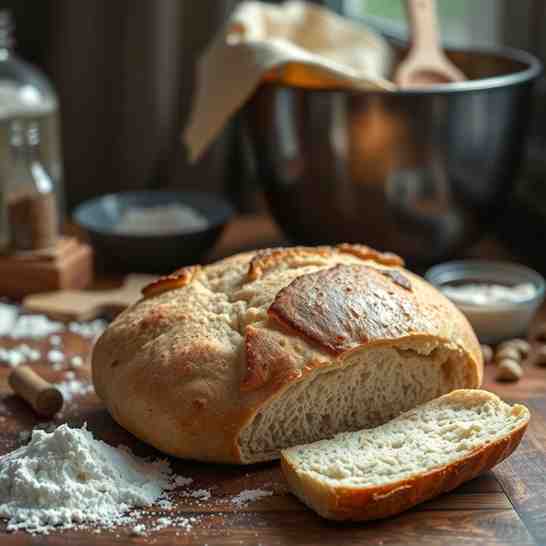
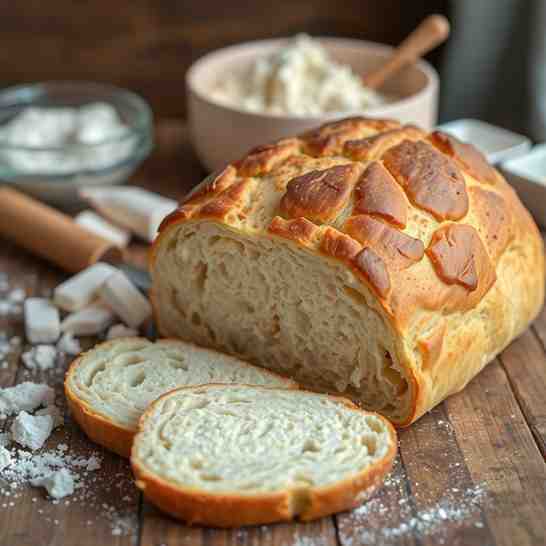
Welcome to the ultimate guide for an easy homemade bread recipe! While the name "Micronesian Bounty" might conjure images of exotic ingredients, this specific recipe focuses on the universal joy of baking a truly simple homemade bread that anyone can master. Forget complicated techniques or hard-to-find ingredients; we’re talking about a delicious, soft loaf with a beautiful golden crust, made right in your kitchen.
This isn't just another bread recipe; it's your new go-to for baking a perfect, beginner-friendly loaf. We’ll walk you through clear, simple steps to make homemade bread that tastes incredible. Whether you prefer to bake at home bread in the oven or use a bread machine for the dough, this guide covers it all. Get ready to fill your home with the irresistible aroma of fresh-baked bread – it’s easier than you think!
Ingredients
Directions
- Activate Yeast (Only if using Active Dry): If you're using active dry yeast, pour the warm water (105-115°F) into a large mixing bowl. Stir in the sugar (if using) and then sprinkle the active dry yeast over the top. Let it sit for 5-10 minutes until it becomes foamy. This "foam" means your yeast is alive and ready to work! If using instant yeast, you can skip this step and add it directly with the flour.
- Mix the Dough: Add the flour and salt to the yeast mixture (or directly to the water if using instant yeast). Stir with a sturdy spoon or spatula until a shaggy, cohesive dough forms. Make sure there are no dry streaks of flour.
- Bread Machine Note: If using a bread machine, add the liquids (water, melted butter/oil) first to the pan, followed by the flour, then the salt and sugar. Make a small well in the center of the flour and add the instant yeast there (or activated active dry yeast). Start the "Dough" cycle.
- Knead Until Smooth: Turn the shaggy dough out onto a lightly floured surface. Knead by hand for about 8-10 minutes, pushing and folding the dough until it's smooth, elastic, and springs back when gently poked. If using a stand mixer with a dough hook, knead on medium-low speed for 5-7 minutes. To check for sufficient kneading, perform a quick gluten check: pinch off a small piece of dough and gently stretch it; it should stretch thin enough to see light through it without tearing easily.
- Bread Machine Note: Peek at your dough about 10 minutes into the kneading cycle. If it looks too dry and isn't coming together, add 1 tablespoon of water at a time. If it's too sticky, add 1 tablespoon of flour at a time until it forms a smooth ball.
- First Rise (Bulk Ferment) Until Doubled: Lightly grease a large bowl with oil. Place the kneaded dough in the bowl, turning it once to coat. Cover the bowl tightly with plastic wrap or a clean kitchen towel. Let it rise in a warm spot (70-75°F / 21-24°C is ideal) for 1 to 1 ½ hours, or until it has visibly doubled in size.
- Bread Machine Note: Simply let your bread machine's "Dough" cycle complete the first rise. It will usually beep when done.
- Shape Into a Loaf: Gently punch down the dough to release the air (degas). Turn the dough out onto a lightly floured surface. Shape it into a loaf by gently flattening it into a rectangle, then folding the long sides towards the center, overlapping slightly, and finally rolling it up from one end to the other. Pinch the seam closed.
- Second Rise (Proof) in the Pan: Lightly grease an 8.5x4.5 or 9x5-inch loaf pan. Place the shaped dough seam-side down into the prepared pan. Cover loosely with plastic wrap or a kitchen towel and let it rise again in a warm spot for 45-60 minutes, or until the dough has risen about 1 inch above the rim of the pan. To check if it’s ready, gently poke the dough with a floured finger; if the indentation slowly springs back halfway, it’s perfectly proofed.
- Bake in the Oven (Main Bake Path): Preheat your oven to 375°F (190°C) with a rack in the center position. For an extra crispy crust and better oven spring, you can place a shallow pan of water on the bottom rack of your oven during preheating. Carefully place the loaf pan in the preheated oven and bake for 30-35 minutes. The crust should be golden brown, and the internal temperature of the bread should register 200-210°F (93-99°C) on an instant-read thermometer.
- Cool Before Slicing: Once baked, immediately remove the bread from the pan and place it on a wire rack to cool completely. This usually takes at least 1 hour. Cooling is crucial; slicing too early can result in a gummy texture because the internal starches are still setting.
Easy Homemade Bread Recipe - Bake Your Own Soft Loaf Today
- Serves: 1 People
- Prepare Time: 25 minutes
- Cooking Time: 35 minutes
- Calories: -
- Difficulty: Easy
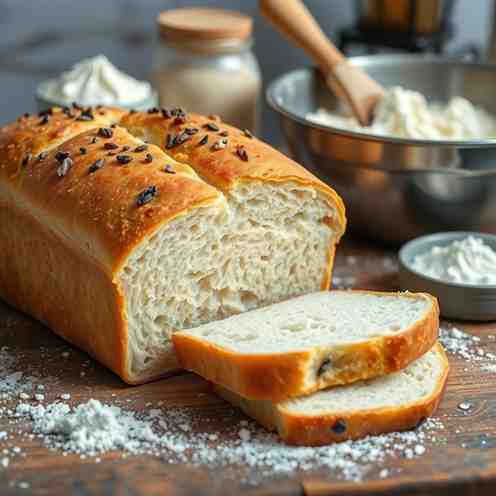
Welcome to the ultimate guide for an easy homemade bread recipe! While the name "Micronesian Bounty" might conjure images of exotic ingredients, this specific recipe focuses on the universal joy of baking a truly simple homemade bread that anyone can master. Forget complicated techniques or hard-to-find ingredients; we’re talking about a delicious, soft loaf with a beautiful golden crust, made right in your kitchen.
This isn't just another bread recipe; it's your new go-to for baking a perfect, beginner-friendly loaf. We’ll walk you through clear, simple steps to make homemade bread that tastes incredible. Whether you prefer to bake at home bread in the oven or use a bread machine for the dough, this guide covers it all. Get ready to fill your home with the irresistible aroma of fresh-baked bread – it’s easier than you think!
Ingredients
Directions
- Activate Yeast (Only if using Active Dry): If you're using active dry yeast, pour the warm water (105-115°F) into a large mixing bowl. Stir in the sugar (if using) and then sprinkle the active dry yeast over the top. Let it sit for 5-10 minutes until it becomes foamy. This "foam" means your yeast is alive and ready to work! If using instant yeast, you can skip this step and add it directly with the flour.
- Mix the Dough: Add the flour and salt to the yeast mixture (or directly to the water if using instant yeast). Stir with a sturdy spoon or spatula until a shaggy, cohesive dough forms. Make sure there are no dry streaks of flour.
- Bread Machine Note: If using a bread machine, add the liquids (water, melted butter/oil) first to the pan, followed by the flour, then the salt and sugar. Make a small well in the center of the flour and add the instant yeast there (or activated active dry yeast). Start the "Dough" cycle.
- Knead Until Smooth: Turn the shaggy dough out onto a lightly floured surface. Knead by hand for about 8-10 minutes, pushing and folding the dough until it's smooth, elastic, and springs back when gently poked. If using a stand mixer with a dough hook, knead on medium-low speed for 5-7 minutes. To check for sufficient kneading, perform a quick gluten check: pinch off a small piece of dough and gently stretch it; it should stretch thin enough to see light through it without tearing easily.
- Bread Machine Note: Peek at your dough about 10 minutes into the kneading cycle. If it looks too dry and isn't coming together, add 1 tablespoon of water at a time. If it's too sticky, add 1 tablespoon of flour at a time until it forms a smooth ball.
- First Rise (Bulk Ferment) Until Doubled: Lightly grease a large bowl with oil. Place the kneaded dough in the bowl, turning it once to coat. Cover the bowl tightly with plastic wrap or a clean kitchen towel. Let it rise in a warm spot (70-75°F / 21-24°C is ideal) for 1 to 1 ½ hours, or until it has visibly doubled in size.
- Bread Machine Note: Simply let your bread machine's "Dough" cycle complete the first rise. It will usually beep when done.
- Shape Into a Loaf: Gently punch down the dough to release the air (degas). Turn the dough out onto a lightly floured surface. Shape it into a loaf by gently flattening it into a rectangle, then folding the long sides towards the center, overlapping slightly, and finally rolling it up from one end to the other. Pinch the seam closed.
- Second Rise (Proof) in the Pan: Lightly grease an 8.5x4.5 or 9x5-inch loaf pan. Place the shaped dough seam-side down into the prepared pan. Cover loosely with plastic wrap or a kitchen towel and let it rise again in a warm spot for 45-60 minutes, or until the dough has risen about 1 inch above the rim of the pan. To check if it’s ready, gently poke the dough with a floured finger; if the indentation slowly springs back halfway, it’s perfectly proofed.
- Bake in the Oven (Main Bake Path): Preheat your oven to 375°F (190°C) with a rack in the center position. For an extra crispy crust and better oven spring, you can place a shallow pan of water on the bottom rack of your oven during preheating. Carefully place the loaf pan in the preheated oven and bake for 30-35 minutes. The crust should be golden brown, and the internal temperature of the bread should register 200-210°F (93-99°C) on an instant-read thermometer.
- Cool Before Slicing: Once baked, immediately remove the bread from the pan and place it on a wire rack to cool completely. This usually takes at least 1 hour. Cooling is crucial; slicing too early can result in a gummy texture because the internal starches are still setting.
You may also like




Hey there! I’m just someone who seriously loves good food and believes that cooking doesn’t have to be complicated to be amazing. Whether it’s a quick weeknight dinner or a cozy weekend meal, I’m all about sharing easy, tasty recipes that actually work.