
Easy Fry Bread Recipe - Make Somali Sabaayad at Home
Easy Fry Bread Recipe - Make Somali Sabaayad at Home
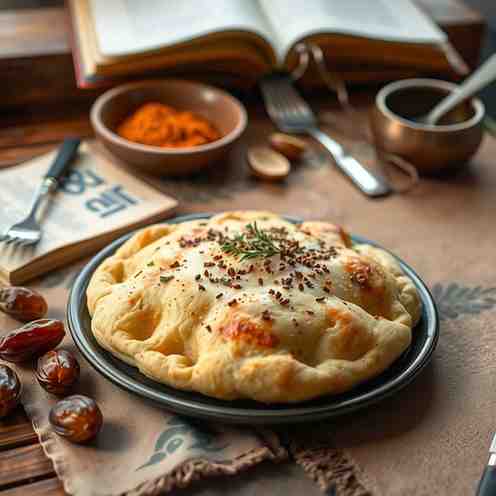

- Serves: 8 People
- Prepare Time: 45 minutes
- Cooking Time: 20-25 minut
- Calories: -
- Difficulty: Easy
Ever wanted to dive into the wonderful world of homemade bread but felt a little intimidated? Well, get ready because we've got the perfect easy fry bread recipe for you! We're talking about Sabaayad, a beloved Somali flatbread that's surprisingly simple to master, even if you're a complete beginner. This isn't just any basic fry bread recipe; it's a journey into the heart of East African cuisine, offering a versatile, delicious, and deeply satisfying bread-making experience. Forget complicated yeast proofs or fussy techniques – Sabaayad is all about simple ingredients, straightforward steps, and incredible flavor. Whether you're looking for a simple bread dough recipe for a quick meal, a healthy bread recipe option (with a few tweaks!), or just want to learn how to make your own bread from scratch, this fry bread recipe easy guide is your ticket to golden, flaky perfection. Let's get baking!
Ingredients
Directions
- Combine Dry Ingredients: In a large mixing bowl, whisk together the all-purpose flour and salt. Make sure they're well combined.
- ![Image of flour and salt being whisked in a bowl]
- Form the Dough: Gradually add the warm water to the flour mixture, starting with 1 cup. Mix with your hands or a wooden spoon until a shaggy dough forms. If the dough is too dry and crumbly, add the remaining 2-4 tablespoons of water, one tablespoon at a time, until it just comes together. The dough should be soft but not sticky.
- ![Image of dough coming together in a bowl]
- Knead the Dough: Transfer the dough to a lightly floured surface. Knead for about 5-7 minutes until the dough is smooth, elastic, and no longer sticky. It should bounce back slightly when poked.
- ![Image of someone kneading Sabaayad dough on a floured surface]
- Rest the Dough: Form the dough into a ball. Lightly grease the mixing bowl with a little oil, place the dough ball back in, and turn it to coat. Cover the bowl with plastic wrap or a damp kitchen towel and let it rest at room temperature for at least 30 minutes. This resting period is crucial for relaxing the gluten, making the dough easier to roll.
- ![Image of dough resting in a greased, covered bowl]
- Divide and Shape: After resting, gently punch down the dough. Divide it into 8 equal pieces. Roll each piece into a smooth ball.
- ![Image of dough divided into small balls]
- First Roll & Grease: On a lightly floured surface, take one dough ball and roll it out into a very thin, almost translucent circle, about 8-10 inches in diameter. Don't worry if it's not perfectly round. Brush the entire surface generously with olive oil or melted ghee.
- ![Image of thinly rolled dough circle being brushed with oil]
- Fold and Coil (The Sabaayad Secret!):
- Fold one side of the oiled circle towards the center, then fold the opposite side over it, creating a rectangular strip.
- Starting from one end, tightly roll this strip into a coil, like a snail shell. Tuck the end underneath.
- Repeat this process for all 8 dough balls. Cover the coiled dough balls and let them rest again for another 15-20 minutes. This second rest helps create the flaky layers.
- ![Image sequence showing the folding and coiling technique for Sabaayad dough]
- Final Roll: Take one coiled dough ball. Gently flatten it with your palm, then roll it out into a flat circle, about 6-7 inches in diameter and about ¼ inch thick. Be gentle to maintain the layers.
- ![Image of a coiled dough ball being rolled into a flat circle]
- Cook the Sabaayad: Heat a heavy-bottomed skillet or a non-stick pan over medium heat. Once hot, lightly grease the pan with a little oil or ghee. Place one rolled Sabaayad into the hot pan.
- ![Image of Sabaayad cooking on a hot skillet]
- Flip and Cook: Cook for 2-3 minutes per side, or until golden brown spots appear and the flatbread puffs up slightly. Brush the top with a little more oil or ghee before flipping. Press gently with a spatula to ensure even cooking.
- ![Image of Sabaayad being flipped in a pan, showing golden-brown spots]
- Serve Warm: Remove the cooked Sabaayad from the pan and stack them. You can lightly clap them together while warm to enhance the flakiness. Serve immediately and enjoy your homemade Somali flatbread!
Easy Fry Bread Recipe - Make Somali Sabaayad at Home

- Serves: 8 People
- Prepare Time: 45 minutes
- Cooking Time: 20-25 minut
- Calories: -
- Difficulty: Easy
Ever wanted to dive into the wonderful world of homemade bread but felt a little intimidated? Well, get ready because we've got the perfect easy fry bread recipe for you! We're talking about Sabaayad, a beloved Somali flatbread that's surprisingly simple to master, even if you're a complete beginner. This isn't just any basic fry bread recipe; it's a journey into the heart of East African cuisine, offering a versatile, delicious, and deeply satisfying bread-making experience. Forget complicated yeast proofs or fussy techniques – Sabaayad is all about simple ingredients, straightforward steps, and incredible flavor. Whether you're looking for a simple bread dough recipe for a quick meal, a healthy bread recipe option (with a few tweaks!), or just want to learn how to make your own bread from scratch, this fry bread recipe easy guide is your ticket to golden, flaky perfection. Let's get baking!
Ingredients
Directions
- Combine Dry Ingredients: In a large mixing bowl, whisk together the all-purpose flour and salt. Make sure they're well combined.
- ![Image of flour and salt being whisked in a bowl]
- Form the Dough: Gradually add the warm water to the flour mixture, starting with 1 cup. Mix with your hands or a wooden spoon until a shaggy dough forms. If the dough is too dry and crumbly, add the remaining 2-4 tablespoons of water, one tablespoon at a time, until it just comes together. The dough should be soft but not sticky.
- ![Image of dough coming together in a bowl]
- Knead the Dough: Transfer the dough to a lightly floured surface. Knead for about 5-7 minutes until the dough is smooth, elastic, and no longer sticky. It should bounce back slightly when poked.
- ![Image of someone kneading Sabaayad dough on a floured surface]
- Rest the Dough: Form the dough into a ball. Lightly grease the mixing bowl with a little oil, place the dough ball back in, and turn it to coat. Cover the bowl with plastic wrap or a damp kitchen towel and let it rest at room temperature for at least 30 minutes. This resting period is crucial for relaxing the gluten, making the dough easier to roll.
- ![Image of dough resting in a greased, covered bowl]
- Divide and Shape: After resting, gently punch down the dough. Divide it into 8 equal pieces. Roll each piece into a smooth ball.
- ![Image of dough divided into small balls]
- First Roll & Grease: On a lightly floured surface, take one dough ball and roll it out into a very thin, almost translucent circle, about 8-10 inches in diameter. Don't worry if it's not perfectly round. Brush the entire surface generously with olive oil or melted ghee.
- ![Image of thinly rolled dough circle being brushed with oil]
- Fold and Coil (The Sabaayad Secret!):
- Fold one side of the oiled circle towards the center, then fold the opposite side over it, creating a rectangular strip.
- Starting from one end, tightly roll this strip into a coil, like a snail shell. Tuck the end underneath.
- Repeat this process for all 8 dough balls. Cover the coiled dough balls and let them rest again for another 15-20 minutes. This second rest helps create the flaky layers.
- ![Image sequence showing the folding and coiling technique for Sabaayad dough]
- Final Roll: Take one coiled dough ball. Gently flatten it with your palm, then roll it out into a flat circle, about 6-7 inches in diameter and about ¼ inch thick. Be gentle to maintain the layers.
- ![Image of a coiled dough ball being rolled into a flat circle]
- Cook the Sabaayad: Heat a heavy-bottomed skillet or a non-stick pan over medium heat. Once hot, lightly grease the pan with a little oil or ghee. Place one rolled Sabaayad into the hot pan.
- ![Image of Sabaayad cooking on a hot skillet]
- Flip and Cook: Cook for 2-3 minutes per side, or until golden brown spots appear and the flatbread puffs up slightly. Brush the top with a little more oil or ghee before flipping. Press gently with a spatula to ensure even cooking.
- ![Image of Sabaayad being flipped in a pan, showing golden-brown spots]
- Serve Warm: Remove the cooked Sabaayad from the pan and stack them. You can lightly clap them together while warm to enhance the flakiness. Serve immediately and enjoy your homemade Somali flatbread!
You may also like


Hey there! I’m just someone who seriously loves good food and believes that cooking doesn’t have to be complicated to be amazing. Whether it’s a quick weeknight dinner or a cozy weekend meal, I’m all about sharing easy, tasty recipes that actually work.