Salvadoran Torrejas - Fried Bread Pudding Recipe
Salvadoran Torrejas - Fried Bread Pudding Recipe
- Serves: 6 People
- Prepare Time: 20 minutes
- Cooking Time: 25 minutes
- Calories: -
- Difficulty: Medium
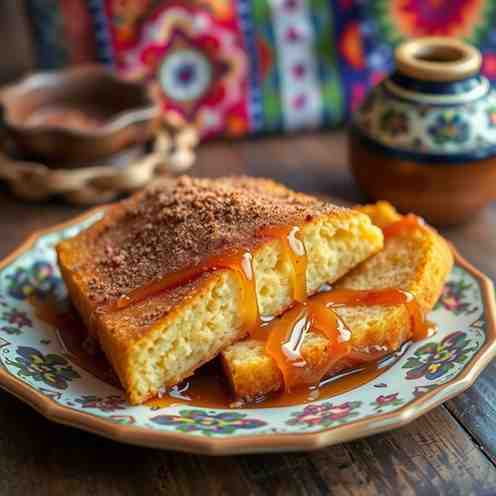
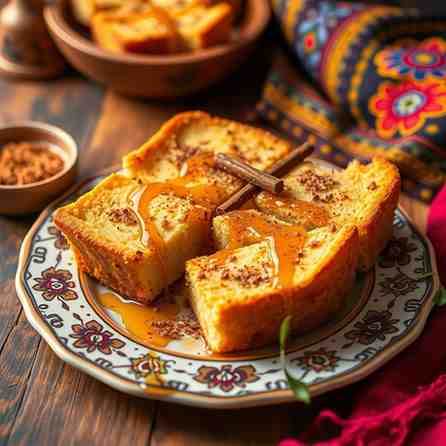
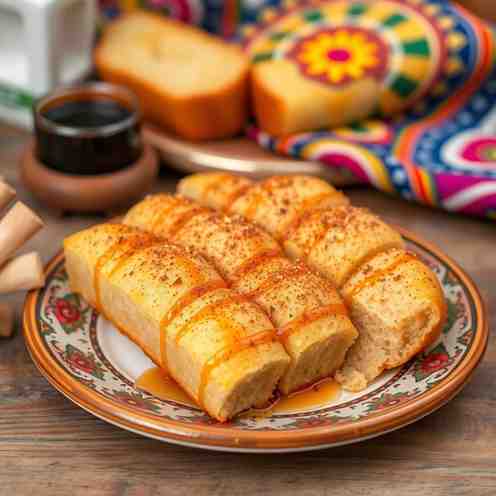
Get ready to savor the sweetness of El Salvador with a truly authentic traditional bread pudding recipe! We're diving into the delightful world of Salvadoran Torrejas, a fried bread recipe that's much more than just a dessert—it's a beloved classic, especially during Semana Santa (Holy Week). Imagine thick slices of day-old bread, transformed into golden-fried pillows, then drenched in a warm, aromatic brown sugar and cinnamon syrup. Pure bliss!
While they might remind you of French toast or Spanish Torrijas, Salvadoran Torrejas have their own unique charm, often featuring rich panela (or piloncillo) for a deeper, more nuanced sweetness. This recipe brings you the genuine flavor of El Salvador, adapted so you can easily make it with ingredients found in US grocery stores. Whether you're a seasoned baker or just looking for easy bread pudding recipes to try, our guide ensures you'll create the best bread pudding recipe that’s both simple and incredibly satisfying. Prepare to make a sweet dessert recipe that will become a new family favorite!
Ingredients
Directions
- Make the Panela Cinnamon Syrup
- In a medium saucepan, combine the water, panela (or brown sugar), cinnamon sticks, and optional cloves and citrus peel.
- Bring the mixture to a boil over medium-high heat, stirring occasionally to dissolve the panela.
- Once boiling, reduce the heat to low and simmer gently for 15-20 minutes. The syrup should lightly thicken, coating the back of a spoon. It shouldn't be as thick as maple syrup, but noticeably richer than water. Remove from heat, take out the cinnamon sticks, cloves, and citrus peel, and keep the syrup warm (not boiling hot) while you prepare the bread.
- Prep the Bread
- Slice your day-old torta de yema (or chosen substitute) into thick, even slices, about 1 to 1 ½ inches thick. This thickness is crucial—too thin, and they'll fall apart; too thick, and they won't cook through properly.
- Ensure your bread is truly "day-old" and slightly dry. It should feel firm to the touch, not soft and squishy like fresh bread. This prevents it from absorbing too much liquid and becoming soggy or falling apart during frying.
- Set up your draining station: Line a sheet pan with several layers of paper towels. Have a shallow dish ready for dipping the bread.
- Make the Coating
- In a small saucepan, gently warm the milk with the ground cinnamon (and optional nutmeg) over low heat until fragrant but not boiling. Remove from heat and let it cool slightly. Infusing the milk with cinnamon adds an extra layer of flavor.
- In a shallow dish, whisk the eggs until well combined. For an optional lighter, fluffier coating, you can separate the eggs, whisk the whites until soft peaks form, then gently fold in the yolks. This technique is not required but can make the coating less dense.
- Once the spiced milk has cooled to lukewarm, slowly whisk it into the beaten eggs.
- Fry the Torrejas
- Pour vegetable oil into a large skillet or shallow pan to a depth of 1 to 1 ½ inches. Heat the oil over medium heat until it reaches about 350-375°F (175-190°C). If you don't have a thermometer, test the oil by dropping a tiny piece of bread into it. It should sizzle immediately and vigorously, but not smoke.
- Working with one or two slices at a time, quickly dip each bread slice into the egg-milk mixture. Do NOT over-soak! A quick dip on both sides is enough to coat without saturating the bread, which would cause them to fall apart.
- Carefully place the coated bread slices into the hot oil. Do not overcrowd the pan, as this will lower the oil temperature and lead to greasy torrejas.
- Fry for 2-3 minutes per side, or until golden brown and crispy.
- Using tongs or a spatula, carefully remove the fried torrejas and place them on the prepared paper towel-lined sheet pan to drain excess oil. This step is key to avoiding a greasy finish.
- Soak / Finish in Syrup (The Part That Makes Them “Torrejas”)
- Once drained, transfer the warm torrejas to a clean shallow dish.
- You have two options for syrup application, both leading to delicious results:
- Drizzle and Rest (Lighter Soak): Simply drizzle a generous amount of the warm panela cinnamon syrup over each torreja. Allow them to rest for at least 1-2 hours, or even overnight, to absorb the flavors.
- Brief Warm Soak (Deeper Flavor): Gently place the fried torrejas directly into the warm (not hot) syrup for a brief soak, 30 seconds to 1 minute per side. This ensures a deeper flavor penetration. Remove them and place them back in the shallow dish, drizzling with more syrup.
- For the best flavor, allow the torrejas to rest for at least 1-2 hours at room temperature, or even better, refrigerate them overnight. This resting period allows the bread to fully absorb the syrup and the flavors to meld beautifully.
Salvadoran Torrejas - Fried Bread Pudding Recipe
- Serves: 6 People
- Prepare Time: 20 minutes
- Cooking Time: 25 minutes
- Calories: -
- Difficulty: Medium
Get ready to savor the sweetness of El Salvador with a truly authentic traditional bread pudding recipe! We're diving into the delightful world of Salvadoran Torrejas, a fried bread recipe that's much more than just a dessert—it's a beloved classic, especially during Semana Santa (Holy Week). Imagine thick slices of day-old bread, transformed into golden-fried pillows, then drenched in a warm, aromatic brown sugar and cinnamon syrup. Pure bliss!
While they might remind you of French toast or Spanish Torrijas, Salvadoran Torrejas have their own unique charm, often featuring rich panela (or piloncillo) for a deeper, more nuanced sweetness. This recipe brings you the genuine flavor of El Salvador, adapted so you can easily make it with ingredients found in US grocery stores. Whether you're a seasoned baker or just looking for easy bread pudding recipes to try, our guide ensures you'll create the best bread pudding recipe that’s both simple and incredibly satisfying. Prepare to make a sweet dessert recipe that will become a new family favorite!
Ingredients
Directions
- Make the Panela Cinnamon Syrup
- In a medium saucepan, combine the water, panela (or brown sugar), cinnamon sticks, and optional cloves and citrus peel.
- Bring the mixture to a boil over medium-high heat, stirring occasionally to dissolve the panela.
- Once boiling, reduce the heat to low and simmer gently for 15-20 minutes. The syrup should lightly thicken, coating the back of a spoon. It shouldn't be as thick as maple syrup, but noticeably richer than water. Remove from heat, take out the cinnamon sticks, cloves, and citrus peel, and keep the syrup warm (not boiling hot) while you prepare the bread.
- Prep the Bread
- Slice your day-old torta de yema (or chosen substitute) into thick, even slices, about 1 to 1 ½ inches thick. This thickness is crucial—too thin, and they'll fall apart; too thick, and they won't cook through properly.
- Ensure your bread is truly "day-old" and slightly dry. It should feel firm to the touch, not soft and squishy like fresh bread. This prevents it from absorbing too much liquid and becoming soggy or falling apart during frying.
- Set up your draining station: Line a sheet pan with several layers of paper towels. Have a shallow dish ready for dipping the bread.
- Make the Coating
- In a small saucepan, gently warm the milk with the ground cinnamon (and optional nutmeg) over low heat until fragrant but not boiling. Remove from heat and let it cool slightly. Infusing the milk with cinnamon adds an extra layer of flavor.
- In a shallow dish, whisk the eggs until well combined. For an optional lighter, fluffier coating, you can separate the eggs, whisk the whites until soft peaks form, then gently fold in the yolks. This technique is not required but can make the coating less dense.
- Once the spiced milk has cooled to lukewarm, slowly whisk it into the beaten eggs.
- Fry the Torrejas
- Pour vegetable oil into a large skillet or shallow pan to a depth of 1 to 1 ½ inches. Heat the oil over medium heat until it reaches about 350-375°F (175-190°C). If you don't have a thermometer, test the oil by dropping a tiny piece of bread into it. It should sizzle immediately and vigorously, but not smoke.
- Working with one or two slices at a time, quickly dip each bread slice into the egg-milk mixture. Do NOT over-soak! A quick dip on both sides is enough to coat without saturating the bread, which would cause them to fall apart.
- Carefully place the coated bread slices into the hot oil. Do not overcrowd the pan, as this will lower the oil temperature and lead to greasy torrejas.
- Fry for 2-3 minutes per side, or until golden brown and crispy.
- Using tongs or a spatula, carefully remove the fried torrejas and place them on the prepared paper towel-lined sheet pan to drain excess oil. This step is key to avoiding a greasy finish.
- Soak / Finish in Syrup (The Part That Makes Them “Torrejas”)
- Once drained, transfer the warm torrejas to a clean shallow dish.
- You have two options for syrup application, both leading to delicious results:
- Drizzle and Rest (Lighter Soak): Simply drizzle a generous amount of the warm panela cinnamon syrup over each torreja. Allow them to rest for at least 1-2 hours, or even overnight, to absorb the flavors.
- Brief Warm Soak (Deeper Flavor): Gently place the fried torrejas directly into the warm (not hot) syrup for a brief soak, 30 seconds to 1 minute per side. This ensures a deeper flavor penetration. Remove them and place them back in the shallow dish, drizzling with more syrup.
- For the best flavor, allow the torrejas to rest for at least 1-2 hours at room temperature, or even better, refrigerate them overnight. This resting period allows the bread to fully absorb the syrup and the flavors to meld beautifully.
You may also like

Hey there! I’m just someone who seriously loves good food and believes that cooking doesn’t have to be complicated to be amazing. Whether it’s a quick weeknight dinner or a cozy weekend meal, I’m all about sharing easy, tasty recipes that actually work.