
Shirin Polow - Iranian Sweet Rice
Shirin Polow - Iranian Sweet Rice
- Serves: 6 People
- Prepare Time: 45 minutes
- Cooking Time: 60 minutes
- Calories: -
- Difficulty: Medium
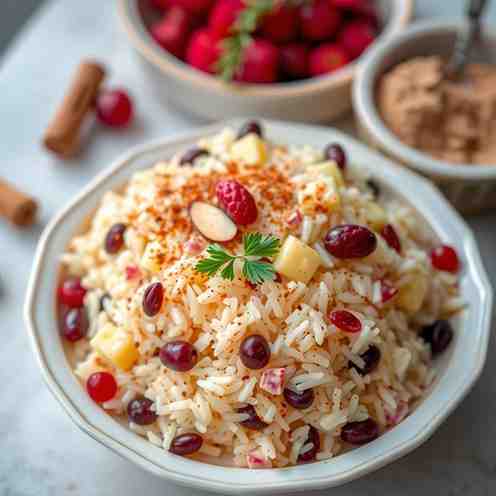
Welcome to the vibrant world of iranian food recipes, where every dish tells a story of flavor, tradition, and warmth! Today, we're diving into one of Persian cuisine's most enchanting creations: Shirin Polow, often called Persian Sweet Rice or Jeweled Rice. This isn't just any rice dish; it's a celebration on a plate, a masterpiece of textures and aromas that's as delightful to look at as it is to eat.
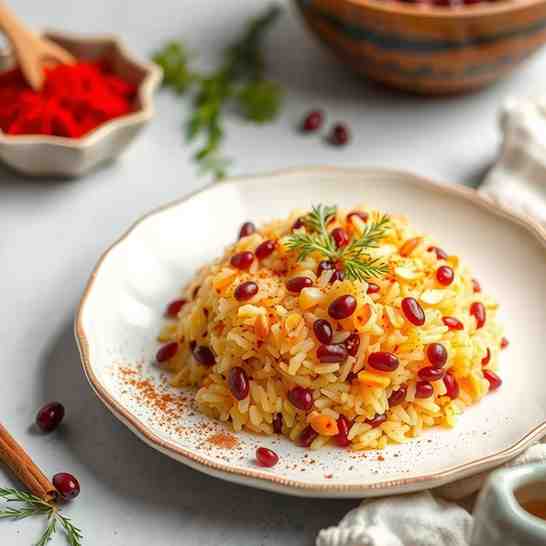
Imagine perfectly fluffy, long-grain basmati rice, kissed with the golden glow of saffron and studded with glistening, lightly candied dried orange peel, crisp-tender carrots, and a medley of crunchy nuts like candied sliced almonds and pistachios. It’s a symphony of lightly sweet, fragrant citrus, and earthy spice that makes it a centerpiece at special occasions and holidays.
Many find the idea of making Shirin Polow daunting, especially when it comes to getting that signature fluffy basmati and ensuring the citrus peel isn't bitter. But don't worry! We promise to guide you through every step, ensuring your Shirin Polow is a dazzling success, bursting with authentic persian food recipes flavors and absolutely no bitter surprises. Get ready to impress with this iconic dish, a true gem among iranian dishes recipes!
Ingredients
Directions
- Prep the Citrus Peel (Remove Bitterness + Candy It)
- If using Fresh Zest Strips (DIY):
- Carefully peel the orange or tangerine, avoiding the white pith. Cut the zest into thin matchsticks (about 1-2 inches long).
- Place zest in a small saucepan, cover with cold water, bring to a boil, then drain. Repeat this blanching process 2-3 more times (total of 3-4 boils and drains) to remove bitterness. Taste a piece; it should be pleasantly citrusy, not bitter.
- In the same saucepan, combine ½ cup sugar and ½ cup water. Bring to a simmer, add the blanched zest, and cook gently for 10-15 minutes until the peel is translucent and tender. Remove from heat and set aside.
- If using Dried Bitter Orange Peel:
- Place the dried peel in a bowl, cover with cold water, and soak for at least 2-4 hours, changing the water every hour if possible.
- After soaking, taste a piece. If still very bitter, blanch it as described for fresh zest (boil and drain 1-2 times).
- Once bitterness is mostly gone, candy the peel in ½ cup sugar and ½ cup water as described above, cooking until translucent and tender.
- If using Store-Bought Candied Orange Peel:
- No prep needed! Simply chop into small matchsticks if not already in that form.
- Prep the Toppings (Carrots + Nuts + Optional Dried Fruit)
- Sauté Carrots: In a small skillet, melt 1 tablespoon butter with 1 tablespoon oil over medium heat. Add the carrot matchsticks and sauté for 5-7 minutes until crisp-tender and slightly glossy. Don't overcook them; they should retain a slight bite. Remove from heat and set aside.
- Toast Nuts: In the same skillet (no need to clean), lightly toast the sliced almonds and chopped pistachios over low-medium heat for 3-5 minutes, stirring frequently, until fragrant. Be careful not to burn them. Remove and set aside.
- Optional Dried Fruit: If using raisins or barberries, place them in a small bowl and cover with warm water for 10 minutes to plump them up. Drain well before using.
- Glaze (Optional): If you like extra shine, toss the sautéed carrots, toasted nuts, and plumped dried fruit with 1 tablespoon of the reserved orange peel syrup.
- Cook Basmati Rice the Persian Way (Rinsing, Soaking, Parboil, Steam)
- Rinse: Place the basmati rice in a fine mesh strainer. Rinse thoroughly under cold running water, tossing the rice with your hands, until the water runs completely clear (this removes excess starch for fluffier grains).
- Soak: Transfer the rinsed rice to a large bowl, cover with plenty of fresh, cold water, and add 1 tablespoon of salt. Let it soak for at least 2 hours, or up to 4 hours. This helps the grains elongate and cook evenly.
- Parboil: Drain the soaked rice. Bring a large pot of unsalted water (about 8-10 cups) to a rolling boil. Add the drained rice and cook for 5-7 minutes. The doneness test: the rice grains should be soft on the outside but still firm, almost al dente, in the center. Don't let them get fully cooked or mushy.
- Drain & Rinse: Immediately drain the parboiled rice in a fine mesh strainer. Gently rinse the rice under cool water for about 30 seconds to stop the cooking process and wash away any remaining surface starch.
- Steam the Rice (and Optional Tahdig, Same Workflow)
- Prepare Pot: Choose a nonstick pot with a tight-fitting lid (or a well-seasoned heavy-bottomed pot). Add 2 tablespoons of oil or butter to the bottom of the pot and swirl to coat. If you want a tahdig (crispy rice crust), you can add a thin layer of bread or potato slices now, but for a simple tahdig, the rice itself will work.
- Add Rice & Saffron: Gently spoon the parboiled and rinsed rice into the pot, mounding it into a pyramid shape. Use the handle of a wooden spoon to poke 3-4 "steam holes" through the rice mound down to the bottom of the pot.
- If using saffron powder, sprinkle ½ teaspoon directly over the rice. If using saffron water, gently pour 1 teaspoon over the top of the rice.
- Steam: Wrap the pot lid tightly with a clean kitchen towel (this absorbs steam and prevents condensation from dripping back onto the rice, ensuring fluffiness). Place the lid firmly on the pot.
- Cook over medium-high heat for 5-10 minutes to build up steam. Then, reduce the heat to the lowest setting and continue to steam for another 45-50 minutes. Do not lift the lid during this time!
- Check & Rest: After steaming, turn off the heat and let the pot rest, still covered, for 10-15 minutes. This allows the steam to redistribute and the rice grains to fully separate.
- Assemble and Serve
- Gently fluff the rice with a fork. Spoon about 1/3 of the plain steamed rice into a separate bowl.
- Add a pinch of saffron powder or a splash more saffron water to this reserved rice and mix gently to create saffron-infused rice for garnishing.
- On a large serving platter, create a beautiful mound or pyramid with the main portion of the white steamed rice.
- Generously layer and sprinkle the prepared candied orange peel, sautéed carrots, toasted almonds, pistachios, and optional plumped dried fruit over and around the rice, creating a "jeweled" effect.
- Finish by artfully arranging spoonfuls of the saffron-infused rice on top for a pop of color. Serve immediately.
Shirin Polow - Iranian Sweet Rice

- Serves: 6 People
- Prepare Time: 45 minutes
- Cooking Time: 60 minutes
- Calories: -
- Difficulty: Medium
Welcome to the vibrant world of iranian food recipes, where every dish tells a story of flavor, tradition, and warmth! Today, we're diving into one of Persian cuisine's most enchanting creations: Shirin Polow, often called Persian Sweet Rice or Jeweled Rice. This isn't just any rice dish; it's a celebration on a plate, a masterpiece of textures and aromas that's as delightful to look at as it is to eat.
Imagine perfectly fluffy, long-grain basmati rice, kissed with the golden glow of saffron and studded with glistening, lightly candied dried orange peel, crisp-tender carrots, and a medley of crunchy nuts like candied sliced almonds and pistachios. It’s a symphony of lightly sweet, fragrant citrus, and earthy spice that makes it a centerpiece at special occasions and holidays.
Many find the idea of making Shirin Polow daunting, especially when it comes to getting that signature fluffy basmati and ensuring the citrus peel isn't bitter. But don't worry! We promise to guide you through every step, ensuring your Shirin Polow is a dazzling success, bursting with authentic persian food recipes flavors and absolutely no bitter surprises. Get ready to impress with this iconic dish, a true gem among iranian dishes recipes!
Ingredients
Directions
- Prep the Citrus Peel (Remove Bitterness + Candy It)
- If using Fresh Zest Strips (DIY):
- Carefully peel the orange or tangerine, avoiding the white pith. Cut the zest into thin matchsticks (about 1-2 inches long).
- Place zest in a small saucepan, cover with cold water, bring to a boil, then drain. Repeat this blanching process 2-3 more times (total of 3-4 boils and drains) to remove bitterness. Taste a piece; it should be pleasantly citrusy, not bitter.
- In the same saucepan, combine ½ cup sugar and ½ cup water. Bring to a simmer, add the blanched zest, and cook gently for 10-15 minutes until the peel is translucent and tender. Remove from heat and set aside.
- If using Dried Bitter Orange Peel:
- Place the dried peel in a bowl, cover with cold water, and soak for at least 2-4 hours, changing the water every hour if possible.
- After soaking, taste a piece. If still very bitter, blanch it as described for fresh zest (boil and drain 1-2 times).
- Once bitterness is mostly gone, candy the peel in ½ cup sugar and ½ cup water as described above, cooking until translucent and tender.
- If using Store-Bought Candied Orange Peel:
- No prep needed! Simply chop into small matchsticks if not already in that form.
- Prep the Toppings (Carrots + Nuts + Optional Dried Fruit)
- Sauté Carrots: In a small skillet, melt 1 tablespoon butter with 1 tablespoon oil over medium heat. Add the carrot matchsticks and sauté for 5-7 minutes until crisp-tender and slightly glossy. Don't overcook them; they should retain a slight bite. Remove from heat and set aside.
- Toast Nuts: In the same skillet (no need to clean), lightly toast the sliced almonds and chopped pistachios over low-medium heat for 3-5 minutes, stirring frequently, until fragrant. Be careful not to burn them. Remove and set aside.
- Optional Dried Fruit: If using raisins or barberries, place them in a small bowl and cover with warm water for 10 minutes to plump them up. Drain well before using.
- Glaze (Optional): If you like extra shine, toss the sautéed carrots, toasted nuts, and plumped dried fruit with 1 tablespoon of the reserved orange peel syrup.
- Cook Basmati Rice the Persian Way (Rinsing, Soaking, Parboil, Steam)
- Rinse: Place the basmati rice in a fine mesh strainer. Rinse thoroughly under cold running water, tossing the rice with your hands, until the water runs completely clear (this removes excess starch for fluffier grains).
- Soak: Transfer the rinsed rice to a large bowl, cover with plenty of fresh, cold water, and add 1 tablespoon of salt. Let it soak for at least 2 hours, or up to 4 hours. This helps the grains elongate and cook evenly.
- Parboil: Drain the soaked rice. Bring a large pot of unsalted water (about 8-10 cups) to a rolling boil. Add the drained rice and cook for 5-7 minutes. The doneness test: the rice grains should be soft on the outside but still firm, almost al dente, in the center. Don't let them get fully cooked or mushy.
- Drain & Rinse: Immediately drain the parboiled rice in a fine mesh strainer. Gently rinse the rice under cool water for about 30 seconds to stop the cooking process and wash away any remaining surface starch.
- Steam the Rice (and Optional Tahdig, Same Workflow)
- Prepare Pot: Choose a nonstick pot with a tight-fitting lid (or a well-seasoned heavy-bottomed pot). Add 2 tablespoons of oil or butter to the bottom of the pot and swirl to coat. If you want a tahdig (crispy rice crust), you can add a thin layer of bread or potato slices now, but for a simple tahdig, the rice itself will work.
- Add Rice & Saffron: Gently spoon the parboiled and rinsed rice into the pot, mounding it into a pyramid shape. Use the handle of a wooden spoon to poke 3-4 "steam holes" through the rice mound down to the bottom of the pot.
- If using saffron powder, sprinkle ½ teaspoon directly over the rice. If using saffron water, gently pour 1 teaspoon over the top of the rice.
- Steam: Wrap the pot lid tightly with a clean kitchen towel (this absorbs steam and prevents condensation from dripping back onto the rice, ensuring fluffiness). Place the lid firmly on the pot.
- Cook over medium-high heat for 5-10 minutes to build up steam. Then, reduce the heat to the lowest setting and continue to steam for another 45-50 minutes. Do not lift the lid during this time!
- Check & Rest: After steaming, turn off the heat and let the pot rest, still covered, for 10-15 minutes. This allows the steam to redistribute and the rice grains to fully separate.
- Assemble and Serve
- Gently fluff the rice with a fork. Spoon about 1/3 of the plain steamed rice into a separate bowl.
- Add a pinch of saffron powder or a splash more saffron water to this reserved rice and mix gently to create saffron-infused rice for garnishing.
- On a large serving platter, create a beautiful mound or pyramid with the main portion of the white steamed rice.
- Generously layer and sprinkle the prepared candied orange peel, sautéed carrots, toasted almonds, pistachios, and optional plumped dried fruit over and around the rice, creating a "jeweled" effect.
- Finish by artfully arranging spoonfuls of the saffron-infused rice on top for a pop of color. Serve immediately.
You may also like



Hey there! I’m just someone who seriously loves good food and believes that cooking doesn’t have to be complicated to be amazing. Whether it’s a quick weeknight dinner or a cozy weekend meal, I’m all about sharing easy, tasty recipes that actually work.