Slow Cooker Beef Short Ribs Rendang - Indonesian Recipe
Slow Cooker Beef Short Ribs Rendang - Indonesian Recipe
- Serves: 6 People
- Prepare Time: 45 minutes
- Cooking Time: 3 hours 30
- Calories: -
- Difficulty: Medium
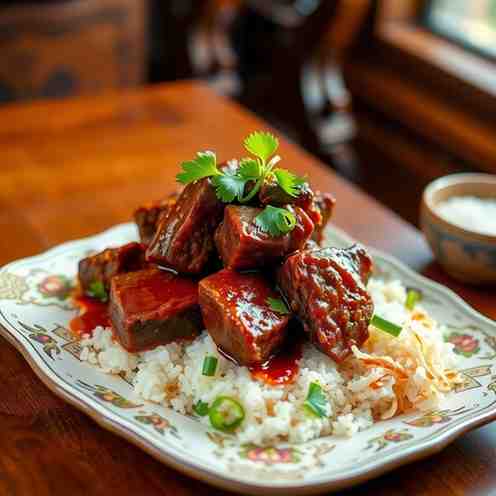
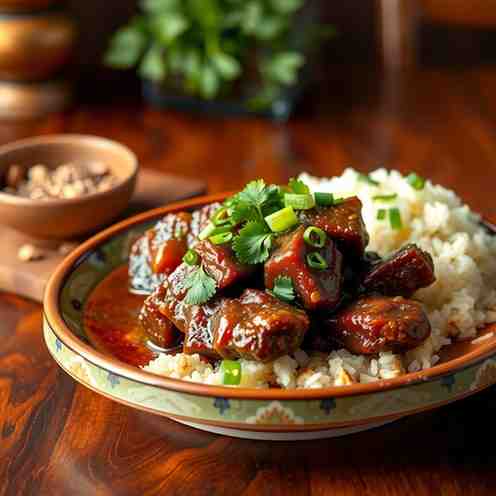
Get ready for an explosion of flavor with this incredible Indonesian Rendang: A Spicy Delight! Imagine tender, fall-apart beef short ribs swimming in a rich, deeply caramelized sauce, bursting with aromatic spices. This isn't just any stew; it's a culinary journey, transforming humble beef short ribs slow cooker style into a masterpiece of Indonesian cuisine. Our recipe delivers the authentic, complex taste of rendang by using a clever oven braise for tenderness, followed by a stovetop reduction for that signature "dry curry" finish – meaning you get incredible results without constant fuss.
This particular rendang is naturally dairy-free, incredibly freezer-friendly, and impressive enough for any special occasion. Whether you're a seasoned cook or just starting your adventure with slow cooked beef short ribs, you'll find this recipe for beef short ribs approachable and rewarding. Dive in and discover why this short ribs slow cooker method is about to become your new favorite way to enjoy best beef short ribs!
Before we dive into cooking, let's clarify what rendang truly is. Often mistakenly called a "curry" in the Western sense, rendang is actually a "dry curry" or a rich, slow-cooked meat dish that undergoes a significant reduction and caramelization process. Unlike a saucy Indian or Thai curry, authentic rendang isn't meant to be swimming in liquid.
What you should expect from a perfect rendang is a deep, dark brown color, with the intensely flavored sauce clinging tightly to every piece of meat. As it cooks down, the coconut milk and coconut cream separate, and a small amount of oil will beautifully pool around the meat – this is completely normal and a sign of a well-made rendang. It's all about that concentrated, melt-in-your-mouth texture and complex, savory-sweet-spicy flavor profile.
For this specific recipe, we’re focusing on boneless beef short ribs (or English-cut bone-in short ribs, if you prefer). Short ribs are an absolute superstar for rendang because they're packed with collagen. As they slow cook, this collagen breaks down, giving the meat an incredibly silky, tender texture and a deep, rich beefiness that stands up beautifully to the bold rendang spices.
Look for well-marbled pieces. Marbling (the white flecks of fat) is key to a juicy, flavorful result. Avoid pieces with huge, thick fat caps you'll just have to trim away.
Bone-in vs. boneless: Bone-in short ribs often offer a little more flavor depth, but boneless are easier to work with and give you more meat per pound. If using bone-in, be aware they might take a little longer to cook until fall-apart tender.
Chuck roast: A great, economical option that becomes wonderfully tender when slow-cooked, though it might not have the same collagen-rich silkiness as short ribs.
Brisket: Another fantastic cut for slow cooking, offering a lovely texture and flavor, but can be a bit leaner than short ribs.
Ingredients
Directions
- Equipment You'll Need:
- Dutch oven (or other heavy-bottomed pot with a lid)
- Blender or food processor
- Fine grater (if using fresh turmeric/ginger)
- Silicone spatula or wooden spoon
- Prep the Short Ribs: Pat the beef short ribs completely dry with paper towels. Cut them into roughly 2-inch chunks. Season generously all over with salt. Set aside.
- Make the Spice Paste (Bumbu): Combine all "Rendang Spice Paste" ingredients (shallots, garlic, ginger, galangal, turmeric, chilies, candlenuts, and water/coconut milk) in a blender or food processor. Blend until you have a very thick, smooth paste. It should be uniform in color with no large chunks.
- Brown the Short Ribs: Heat 1 tablespoon of neutral oil in your Dutch oven over medium-high heat. Working in batches to avoid overcrowding, sear the beef short ribs on all sides until deeply browned. This searing step is crucial for developing deep flavor. Remove the browned ribs and set aside.
- Cook the Paste: Reduce the heat to medium-low. Add the remaining 1 tablespoon of oil to the Dutch oven, then add the prepared spice paste. Sauté the paste, stirring frequently, for about 10-15 minutes. It will darken significantly, become incredibly fragrant, and the oil will start to separate from the paste. This step cooks out the raw flavors and deepens the complexity.
- Build the Braise: Return the browned short ribs to the pot. Add the full-fat coconut milk, bruised lemongrass stalks, makrut lime leaves, cinnamon stick, star anise (if using), tamarind paste, palm sugar, and 1.5 teaspoons of salt. Stir everything well to combine, ensuring the ribs are mostly submerged in the liquid.
- Oven Braise (Low-Effort Stage): Bring the mixture to a gentle simmer on the stovetop. Once simmering, cover the Dutch oven tightly with a lid (or use foil if your lid isn't tight-fitting) and transfer it to a preheated oven at 300°F (150°C). Braise for 2 to 2.5 hours, or until the beef short ribs are very tender but not quite falling apart. Stir every 45-60 minutes to prevent sticking and ensure even cooking.
- Stovetop Reduction (Rendang Stage): Remove the Dutch oven from the oven. Discard the lemongrass, makrut lime leaves, cinnamon stick, and star anise. Place the pot back on the stovetop over medium heat. Now, the magic happens! Cook uncovered, stirring frequently and scraping the bottom of the pot, for another 30-60 minutes. The sauce will gradually thicken, darken, and reduce significantly, clinging to the meat. Watch for small pools of oil to separate from the sauce – this is the authentic rendang texture. If using, stir in the kerisik during the last 10 minutes of reduction.
- Final Seasoning: Taste the rendang. Adjust salt and tamarind as needed. If you want more tang, add a little more tamarind paste. If it needs more sweetness, a pinch more palm sugar.
- Doneness Checklist (Callout Box)
- Meat: The beef short ribs should be fork-tender, easily shredding, and have a wonderfully collageny, melt-in-your-mouth texture, not stringy or dry.
- Sauce: The sauce should be deep brown, very thick, and cling tightly to every piece of meat, not watery or soupy.
- Oil: Small pools of oil separating from the sauce are normal and expected for authentic rendang.
Slow Cooker Beef Short Ribs Rendang - Indonesian Recipe
- Serves: 6 People
- Prepare Time: 45 minutes
- Cooking Time: 3 hours 30
- Calories: -
- Difficulty: Medium
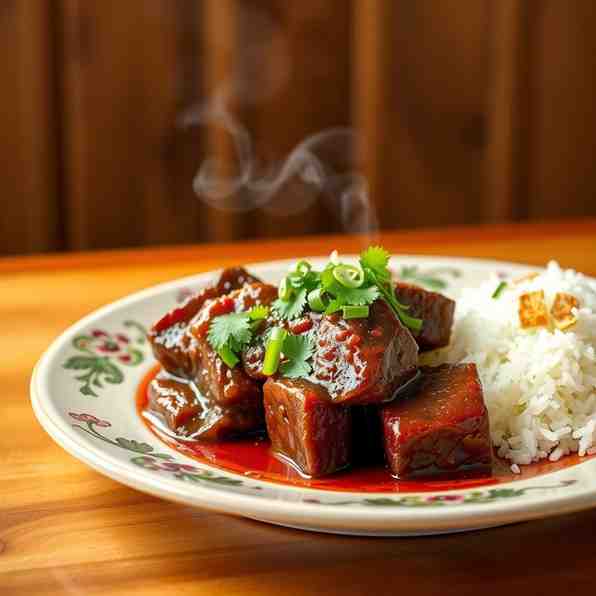
Get ready for an explosion of flavor with this incredible Indonesian Rendang: A Spicy Delight! Imagine tender, fall-apart beef short ribs swimming in a rich, deeply caramelized sauce, bursting with aromatic spices. This isn't just any stew; it's a culinary journey, transforming humble beef short ribs slow cooker style into a masterpiece of Indonesian cuisine. Our recipe delivers the authentic, complex taste of rendang by using a clever oven braise for tenderness, followed by a stovetop reduction for that signature "dry curry" finish – meaning you get incredible results without constant fuss.
This particular rendang is naturally dairy-free, incredibly freezer-friendly, and impressive enough for any special occasion. Whether you're a seasoned cook or just starting your adventure with slow cooked beef short ribs, you'll find this recipe for beef short ribs approachable and rewarding. Dive in and discover why this short ribs slow cooker method is about to become your new favorite way to enjoy best beef short ribs!
Before we dive into cooking, let's clarify what rendang truly is. Often mistakenly called a "curry" in the Western sense, rendang is actually a "dry curry" or a rich, slow-cooked meat dish that undergoes a significant reduction and caramelization process. Unlike a saucy Indian or Thai curry, authentic rendang isn't meant to be swimming in liquid.
What you should expect from a perfect rendang is a deep, dark brown color, with the intensely flavored sauce clinging tightly to every piece of meat. As it cooks down, the coconut milk and coconut cream separate, and a small amount of oil will beautifully pool around the meat – this is completely normal and a sign of a well-made rendang. It's all about that concentrated, melt-in-your-mouth texture and complex, savory-sweet-spicy flavor profile.
For this specific recipe, we’re focusing on boneless beef short ribs (or English-cut bone-in short ribs, if you prefer). Short ribs are an absolute superstar for rendang because they're packed with collagen. As they slow cook, this collagen breaks down, giving the meat an incredibly silky, tender texture and a deep, rich beefiness that stands up beautifully to the bold rendang spices.
Look for well-marbled pieces. Marbling (the white flecks of fat) is key to a juicy, flavorful result. Avoid pieces with huge, thick fat caps you'll just have to trim away.
Bone-in vs. boneless: Bone-in short ribs often offer a little more flavor depth, but boneless are easier to work with and give you more meat per pound. If using bone-in, be aware they might take a little longer to cook until fall-apart tender.
Chuck roast: A great, economical option that becomes wonderfully tender when slow-cooked, though it might not have the same collagen-rich silkiness as short ribs.
Brisket: Another fantastic cut for slow cooking, offering a lovely texture and flavor, but can be a bit leaner than short ribs.
Ingredients
Directions
- Equipment You'll Need:
- Dutch oven (or other heavy-bottomed pot with a lid)
- Blender or food processor
- Fine grater (if using fresh turmeric/ginger)
- Silicone spatula or wooden spoon
- Prep the Short Ribs: Pat the beef short ribs completely dry with paper towels. Cut them into roughly 2-inch chunks. Season generously all over with salt. Set aside.
- Make the Spice Paste (Bumbu): Combine all "Rendang Spice Paste" ingredients (shallots, garlic, ginger, galangal, turmeric, chilies, candlenuts, and water/coconut milk) in a blender or food processor. Blend until you have a very thick, smooth paste. It should be uniform in color with no large chunks.
- Brown the Short Ribs: Heat 1 tablespoon of neutral oil in your Dutch oven over medium-high heat. Working in batches to avoid overcrowding, sear the beef short ribs on all sides until deeply browned. This searing step is crucial for developing deep flavor. Remove the browned ribs and set aside.
- Cook the Paste: Reduce the heat to medium-low. Add the remaining 1 tablespoon of oil to the Dutch oven, then add the prepared spice paste. Sauté the paste, stirring frequently, for about 10-15 minutes. It will darken significantly, become incredibly fragrant, and the oil will start to separate from the paste. This step cooks out the raw flavors and deepens the complexity.
- Build the Braise: Return the browned short ribs to the pot. Add the full-fat coconut milk, bruised lemongrass stalks, makrut lime leaves, cinnamon stick, star anise (if using), tamarind paste, palm sugar, and 1.5 teaspoons of salt. Stir everything well to combine, ensuring the ribs are mostly submerged in the liquid.
- Oven Braise (Low-Effort Stage): Bring the mixture to a gentle simmer on the stovetop. Once simmering, cover the Dutch oven tightly with a lid (or use foil if your lid isn't tight-fitting) and transfer it to a preheated oven at 300°F (150°C). Braise for 2 to 2.5 hours, or until the beef short ribs are very tender but not quite falling apart. Stir every 45-60 minutes to prevent sticking and ensure even cooking.
- Stovetop Reduction (Rendang Stage): Remove the Dutch oven from the oven. Discard the lemongrass, makrut lime leaves, cinnamon stick, and star anise. Place the pot back on the stovetop over medium heat. Now, the magic happens! Cook uncovered, stirring frequently and scraping the bottom of the pot, for another 30-60 minutes. The sauce will gradually thicken, darken, and reduce significantly, clinging to the meat. Watch for small pools of oil to separate from the sauce – this is the authentic rendang texture. If using, stir in the kerisik during the last 10 minutes of reduction.
- Final Seasoning: Taste the rendang. Adjust salt and tamarind as needed. If you want more tang, add a little more tamarind paste. If it needs more sweetness, a pinch more palm sugar.
- Doneness Checklist (Callout Box)
- Meat: The beef short ribs should be fork-tender, easily shredding, and have a wonderfully collageny, melt-in-your-mouth texture, not stringy or dry.
- Sauce: The sauce should be deep brown, very thick, and cling tightly to every piece of meat, not watery or soupy.
- Oil: Small pools of oil separating from the sauce are normal and expected for authentic rendang.
You may also like




Hey there! I’m just someone who seriously loves good food and believes that cooking doesn’t have to be complicated to be amazing. Whether it’s a quick weeknight dinner or a cozy weekend meal, I’m all about sharing easy, tasty recipes that actually work.