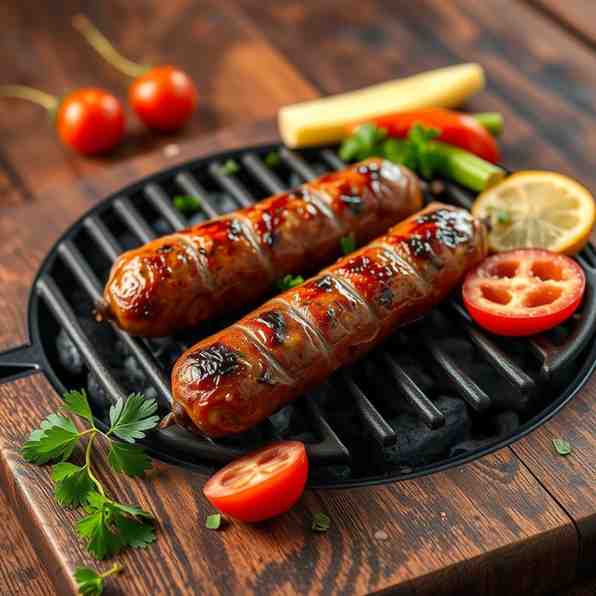
Spicy Dipping Sauce - Jeow Bong
Spicy Dipping Sauce - Jeow Bong
- Serves: 10 People
- Prepare Time: 30 minutes
- Cooking Time: 25 minutes
- Calories: -
- Difficulty: Medium
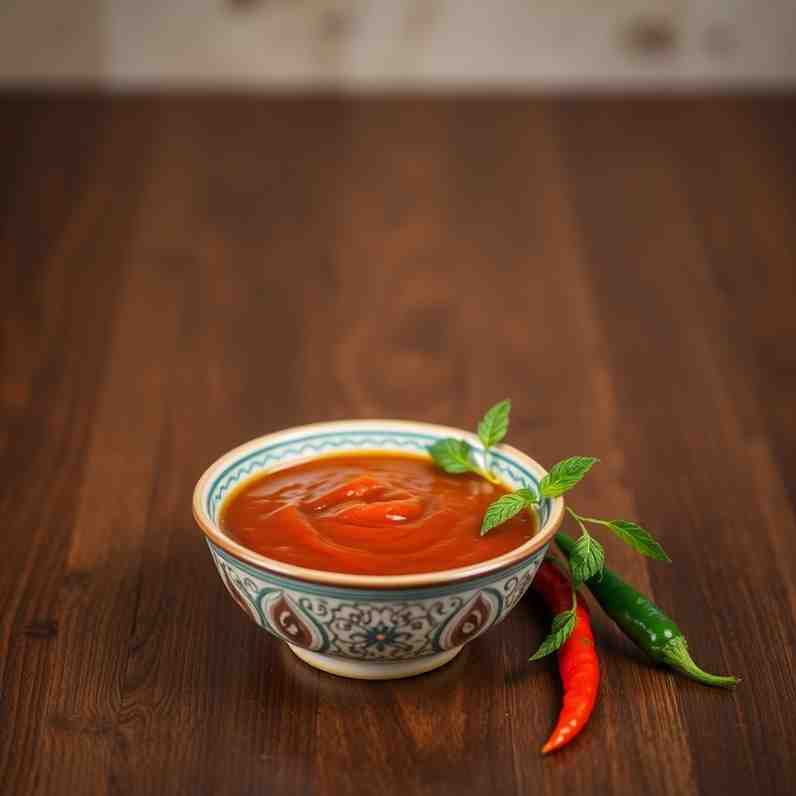
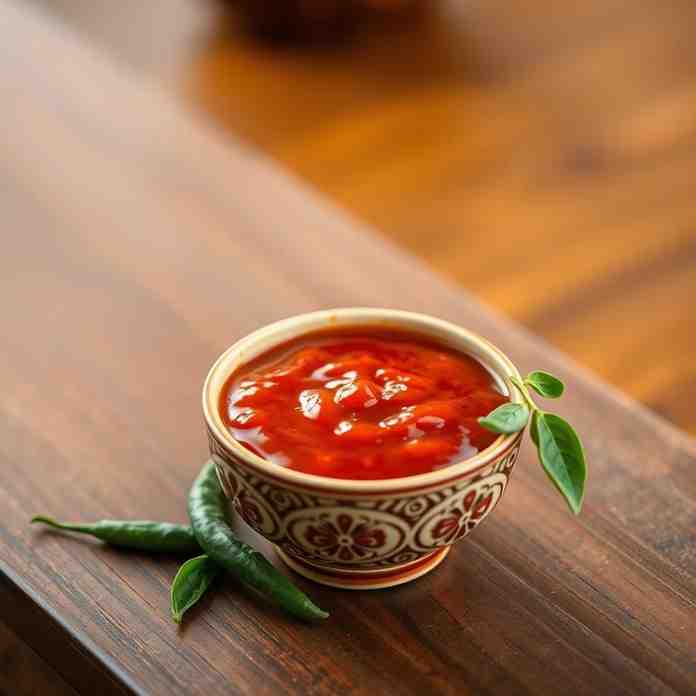
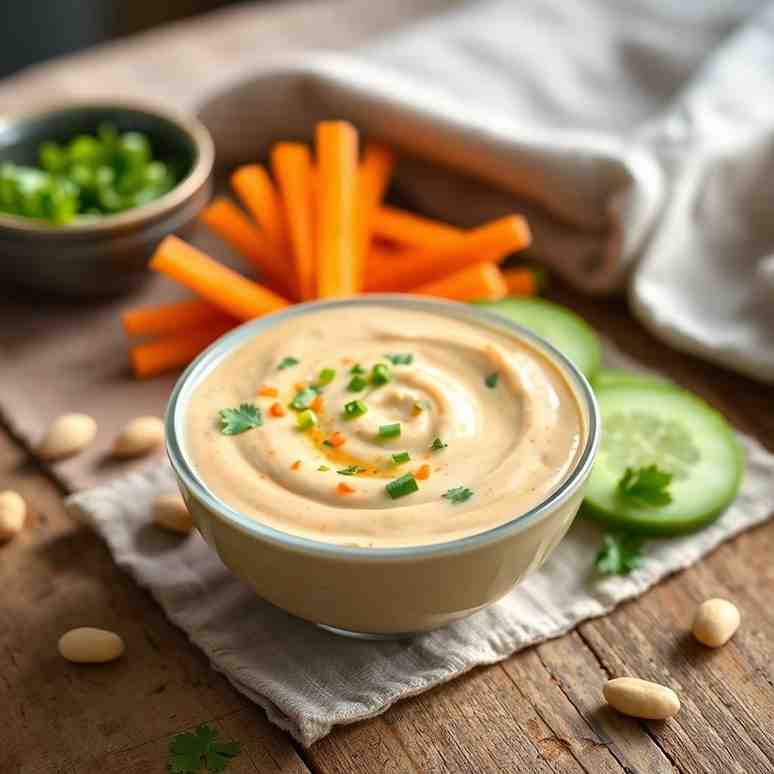
Get ready to meet your new favorite spicy dipping sauce! Jeow Bong (pronounced "Jow Bong") is a vibrant, flavorful Lao chili paste that’s savory, tangy, and boasts a delightful kick. Unlike watery sauces, this thick chili paste offers a unique texture with chewy bits, making it the perfect companion for sticky rice and so much more. Today, we're diving deep into making an authentic batch, from prepping the chilis to saving that precious chili oil – so prepare to transform your kitchen into a hub of authentic Asian food!
Now, before we get too deep, let's clear up a common mix-up. While many think of "fish sauce dip" and immediately picture the thin, sweet-sour Vietnamese nước chấm, Jeow Bong is a whole different beast. Nước chấm is a light, liquid condiment, often used for spring rolls or grilled meats. Jeow Bong, on the other hand, is a robust, thick chili paste loaded with aromatics and dried chilies. Both are delicious, but Jeow Bong brings a unique depth and stick-to-your-ribs texture that's distinctly Lao. It's a true staple of Thai Lao cuisine, designed to be scooped with sticky rice or used as a bold flavor enhancer for almost anything!
Ingredients
Directions
- Prep the Cow/Buffalo Skin:
- Char the Skin: Using tongs, hold the dried cow/buffalo skin directly over an open flame (gas burner or grill) until it puffs up and chars slightly, about 3-5 minutes per side. This helps soften it and removes any impurities.
- Simmer the Skin: Transfer the charred skin to a small saucepan, cover with water, and bring to a boil. Reduce heat to low, cover, and simmer for at least 1 hour, or until it's tender enough to chew easily but still has a slight bounce. It should not be mushy. You can test a small piece.
- Slice the Skin: Once tender, drain the skin and let it cool slightly. Slice it into small, thin strips (about ¼-inch wide and 1-inch long). Set aside.
- Prep the Chilies & Aromatics:
- Rehydrate Chilies: Place the dried Thai chilies in a heatproof bowl and cover with hot water. Let them soak for 20-30 minutes until softened. Drain well.
- Rough Chop Aromatics: While chilies soak, roughly chop the shallot, garlic, galangal, and lemongrass. Remove the tough center vein from the makrut lime leaves and thinly slice them.
- Initial Grind (Optional but Recommended): If you have a food processor, pulse the rehydrated chilies, shallot, garlic, galangal, lemongrass, and makrut lime leaves together until they form a coarse, ground mixture. This makes frying easier and helps develop flavor. If using a mortar and pestle, you'll pound these in stages later.
- Fry the Chili Mixture:
- Heat the neutral oil in a wok or large skillet over medium-low heat.
- Add the ground chili and aromatic mixture (or just the rehydrated chilies if pounding everything later).
- Sauté gently, stirring frequently, for 15-20 minutes. The goal is to slowly toast the ingredients, intensifying their flavor and turning the mixture from bright red to a deep, rich red. Be careful not to burn it; if it starts to brown too quickly, lower the heat. Stop cooking before it turns dark brown or black, as this indicates burning.
- Drain and Save the Chili Oil:
- Carefully pour the chili mixture into a fine-mesh strainer placed over a heatproof bowl. Allow the excess oil to drain, pressing lightly on the solids with a spoon to extract more oil.
- You want to keep enough oil in the paste to keep it moist and spreadable, but not swimming in oil. Aim to drain off about half to two-thirds of the oil. Set the drained chili oil aside – it's liquid gold for drizzling over noodles or eggs!
- Pound/Blend into a Paste:
- Mortar & Pestle Method (Traditional): Transfer the drained chili mixture to a large mortar. Add the tamarind paste, fish sauce, sugar, salt, and optional MSG. Pound vigorously until a thick, relatively smooth paste forms. It should still have some texture from the chilies and aromatics, not be completely pureed. This can take 10-15 minutes.
- Food Processor Method (Modern): Transfer the drained chili mixture to a food processor. Add the tamarind paste, fish sauce, sugar, salt, and optional MSG. Process until a thick, relatively smooth paste forms. Scrape down the sides as needed.
- Season to Balance:
- Taste a small amount of the Jeow Bong with a piece of sticky rice (this is how it's traditionally tasted and helps you get the true flavor profile). Adjust seasoning as needed: add more sugar for sweetness, fish sauce for saltiness and umami, or tamarind for tang. The goal is a balanced sweet, salty, tangy, and fiery flavor profile.
- Fold in Sliced Skin & Jar It Up:
- Stir the sliced cow/buffalo skin into the Jeow Bong paste.
- Transfer the finished Jeow Bong to a clean, airtight jar.
Spicy Dipping Sauce - Jeow Bong
- Serves: 10 People
- Prepare Time: 30 minutes
- Cooking Time: 25 minutes
- Calories: -
- Difficulty: Medium
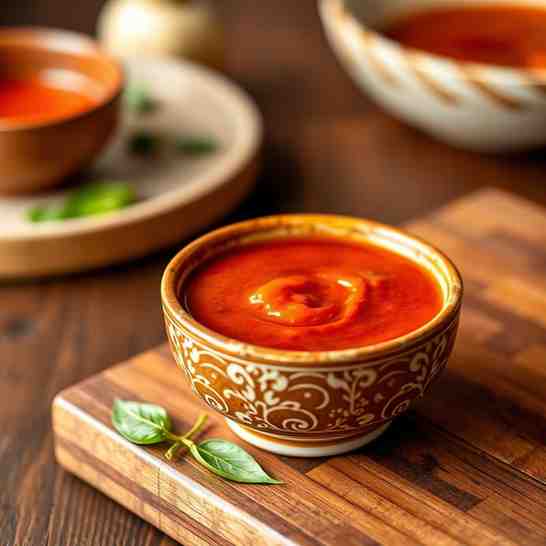
Get ready to meet your new favorite spicy dipping sauce! Jeow Bong (pronounced "Jow Bong") is a vibrant, flavorful Lao chili paste that’s savory, tangy, and boasts a delightful kick. Unlike watery sauces, this thick chili paste offers a unique texture with chewy bits, making it the perfect companion for sticky rice and so much more. Today, we're diving deep into making an authentic batch, from prepping the chilis to saving that precious chili oil – so prepare to transform your kitchen into a hub of authentic Asian food!
Now, before we get too deep, let's clear up a common mix-up. While many think of "fish sauce dip" and immediately picture the thin, sweet-sour Vietnamese nước chấm, Jeow Bong is a whole different beast. Nước chấm is a light, liquid condiment, often used for spring rolls or grilled meats. Jeow Bong, on the other hand, is a robust, thick chili paste loaded with aromatics and dried chilies. Both are delicious, but Jeow Bong brings a unique depth and stick-to-your-ribs texture that's distinctly Lao. It's a true staple of Thai Lao cuisine, designed to be scooped with sticky rice or used as a bold flavor enhancer for almost anything!
Ingredients
Directions
- Prep the Cow/Buffalo Skin:
- Char the Skin: Using tongs, hold the dried cow/buffalo skin directly over an open flame (gas burner or grill) until it puffs up and chars slightly, about 3-5 minutes per side. This helps soften it and removes any impurities.
- Simmer the Skin: Transfer the charred skin to a small saucepan, cover with water, and bring to a boil. Reduce heat to low, cover, and simmer for at least 1 hour, or until it's tender enough to chew easily but still has a slight bounce. It should not be mushy. You can test a small piece.
- Slice the Skin: Once tender, drain the skin and let it cool slightly. Slice it into small, thin strips (about ¼-inch wide and 1-inch long). Set aside.
- Prep the Chilies & Aromatics:
- Rehydrate Chilies: Place the dried Thai chilies in a heatproof bowl and cover with hot water. Let them soak for 20-30 minutes until softened. Drain well.
- Rough Chop Aromatics: While chilies soak, roughly chop the shallot, garlic, galangal, and lemongrass. Remove the tough center vein from the makrut lime leaves and thinly slice them.
- Initial Grind (Optional but Recommended): If you have a food processor, pulse the rehydrated chilies, shallot, garlic, galangal, lemongrass, and makrut lime leaves together until they form a coarse, ground mixture. This makes frying easier and helps develop flavor. If using a mortar and pestle, you'll pound these in stages later.
- Fry the Chili Mixture:
- Heat the neutral oil in a wok or large skillet over medium-low heat.
- Add the ground chili and aromatic mixture (or just the rehydrated chilies if pounding everything later).
- Sauté gently, stirring frequently, for 15-20 minutes. The goal is to slowly toast the ingredients, intensifying their flavor and turning the mixture from bright red to a deep, rich red. Be careful not to burn it; if it starts to brown too quickly, lower the heat. Stop cooking before it turns dark brown or black, as this indicates burning.
- Drain and Save the Chili Oil:
- Carefully pour the chili mixture into a fine-mesh strainer placed over a heatproof bowl. Allow the excess oil to drain, pressing lightly on the solids with a spoon to extract more oil.
- You want to keep enough oil in the paste to keep it moist and spreadable, but not swimming in oil. Aim to drain off about half to two-thirds of the oil. Set the drained chili oil aside – it's liquid gold for drizzling over noodles or eggs!
- Pound/Blend into a Paste:
- Mortar & Pestle Method (Traditional): Transfer the drained chili mixture to a large mortar. Add the tamarind paste, fish sauce, sugar, salt, and optional MSG. Pound vigorously until a thick, relatively smooth paste forms. It should still have some texture from the chilies and aromatics, not be completely pureed. This can take 10-15 minutes.
- Food Processor Method (Modern): Transfer the drained chili mixture to a food processor. Add the tamarind paste, fish sauce, sugar, salt, and optional MSG. Process until a thick, relatively smooth paste forms. Scrape down the sides as needed.
- Season to Balance:
- Taste a small amount of the Jeow Bong with a piece of sticky rice (this is how it's traditionally tasted and helps you get the true flavor profile). Adjust seasoning as needed: add more sugar for sweetness, fish sauce for saltiness and umami, or tamarind for tang. The goal is a balanced sweet, salty, tangy, and fiery flavor profile.
- Fold in Sliced Skin & Jar It Up:
- Stir the sliced cow/buffalo skin into the Jeow Bong paste.
- Transfer the finished Jeow Bong to a clean, airtight jar.
You may also like



Hey there! I’m just someone who seriously loves good food and believes that cooking doesn’t have to be complicated to be amazing. Whether it’s a quick weeknight dinner or a cozy weekend meal, I’m all about sharing easy, tasty recipes that actually work.