
Spicy Noodle Laksa - Recipe for Home Cooks
Spicy Noodle Laksa - Recipe for Home Cooks
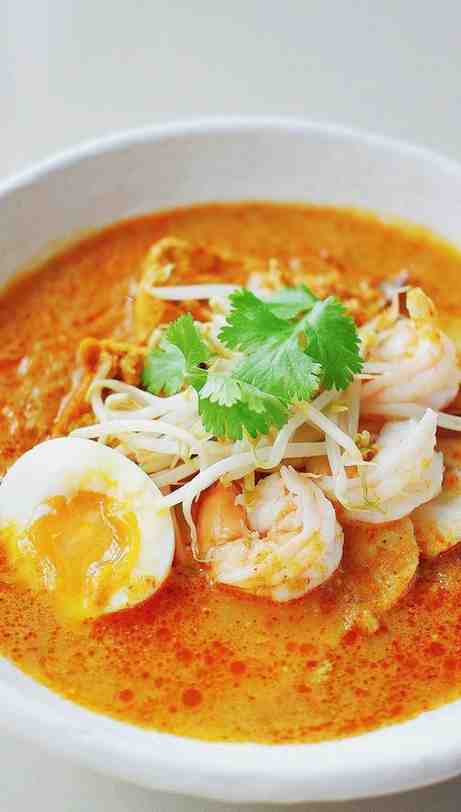
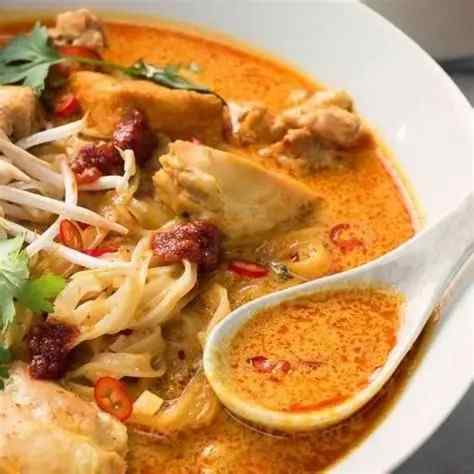
- Serves: 4 People
- Prepare Time: 25 minutes
- Cooking Time: 45 minutes
- Calories: -
- Difficulty: Medium
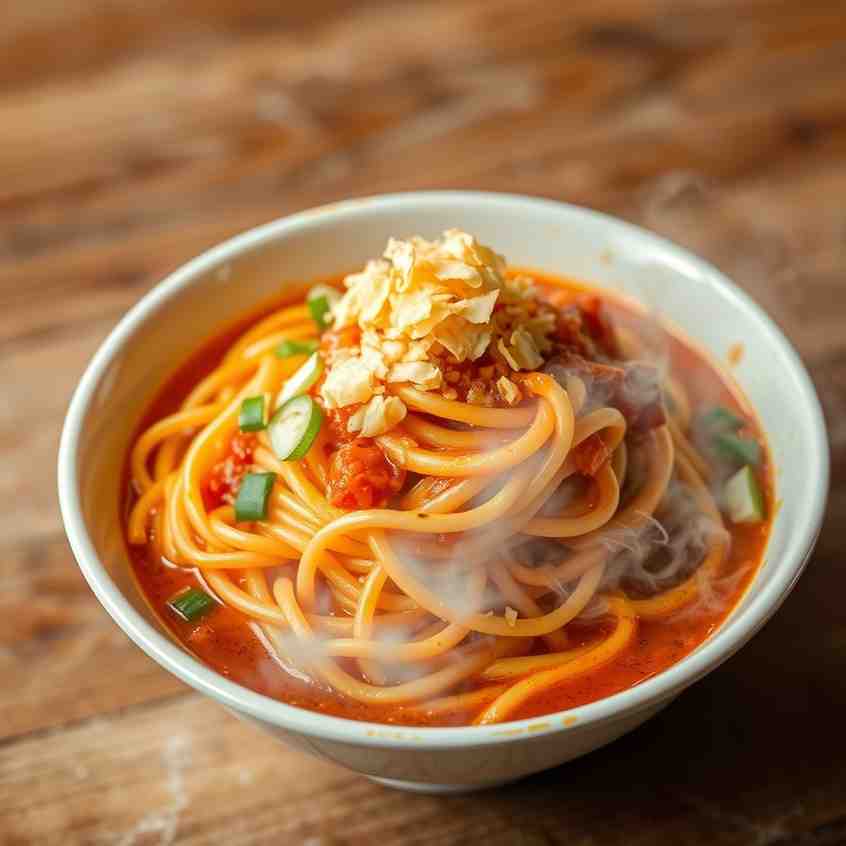
Ready to dive into a bowl of pure comfort and exhilarating flavor? This spicy noodle Laksa recipe is your ticket to a truly authentic taste of Southeast Asia, right in your own kitchen. Forget bland takeout; we're talking about a rich, creamy, and wonderfully aromatic coconut curry broth that’s surprisingly doable at home. We’ll show you how to transform simple ingredients into a complex, satisfying meal that hits all the right notes – savory, sweet, tangy, and of course, perfectly spicy noodle goodness. Get ready to impress your taste buds and discover your new favorite comfort food.
Laksa is a vibrant, aromatic noodle soup that's a staple in Malaysian, Singaporean, and Indonesian cuisine. In plain English, it's a deeply flavorful broth, typically coconut-based or tamarind-based, served with noodles and various toppings.
This particular recipe focuses on the creamy, rich curry laksa (also known as laksa lemak or coconut laksa), which is distinct from the sour, fish-based asam laksa. While asam laksa has its fans, it's the curry/coconut version with its spicy coconut broth that most US home cooks find utterly irresistible and craveable. It’s the perfect balance of spice, creaminess, and savory depth.
Getting the right ingredients makes all the difference. Here’s a breakdown of what you’ll need and how to find it, even if you don't have an Asian market nearby.
This is the heart and soul of your laksa. Laksa paste is a concentrated blend of chilies, shallots, garlic, galangal, lemongrass, turmeric, and other spices. It provides that complex, authentic flavor without you having to grind everything from scratch.
Why you must fry it first: Frying the paste in a little oil before adding liquids "wakes up" the spices, deepens their flavor, and helps them release their aromatic oils, preventing a raw or flat taste. Look for brands like "Prima Taste" or "Asia Best" at most Asian grocery stores or even online (Amazon is a good source). Some larger regular supermarkets also carry it in their international aisle.
While laksa paste does a lot of the heavy lifting, fresh aromatics elevate it to another level.
Garlic: Adds a pungent, foundational savory note.
Ginger: Brings warmth and a slight peppery kick.
Lemongrass: Essential for that bright, citrusy, herbaceous aroma. Use the bottom third of the stalk, bruised and finely minced.
Chili: Fresh red chilies (like bird's eye or serrano) provide customizable heat.
These create the luscious broth.
Full-fat coconut milk: Absolutely recommended for the best richness and creamy texture. "Light" coconut milk won't give you the same body.
How to avoid a greasy split: The key is to simmer, not boil, the broth once the coconut milk is added. High heat can cause the fat and water in the coconut milk to separate, leaving a greasy film. Whisking occasionally also helps.
Chicken + shrimp (why both): Using both chicken and shrimp provides a wonderful textural contrast and a richer, more complex seafood-and-poultry flavor profile that’s classic for laksa.
Tofu puffs/soy puffs: These are deep-fried spongy tofu cubes that soak up the rich laksa broth beautifully, becoming little flavor bombs. You’ll find them in the refrigerated section of Asian markets. If you can’t find them, regular firm or extra-firm tofu, pressed and then pan-fried or baked until golden, can be a decent substitute, though it won't have the same spongy texture.
Bean sprouts, cilantro, lime, fried shallots: These are non-negotiable for a truly authentic laksa experience. Bean sprouts add a fresh crunch, cilantro brings herbaceous brightness, lime juice provides essential acidity to balance the richness, and crispy fried shallots offer an addictive savory crunch. You can buy pre-fried shallots in jars at Asian markets or make your own.
Default noodle choice for the recipe: Thick wheat noodles (like fresh ramen noodles or udon) or rice vermicelli are most common. Our recipe defaults to a mix for the best texture.
Quick swaps (brief notes only): You can use solely thick wheat noodles, thin rice vermicelli, or even flat rice noodles (like for Pad See Ew). Just follow package directions for cooking.
You don't need a specialty wok for this, just some basic kitchen gear:
A large pot or Dutch oven for the broth.
A small pan for quickly searing shrimp.
A separate pot for cooking noodles.
A strainer for draining noodles.
A microplane or sharp knife for grating/chopping aromatics.
Ingredients
Directions
- Prep Time!
- Chop/grate all your aromatics (garlic, ginger, lemongrass, chilies).
- Prepare your toppings: wash bean sprouts, chop cilantro, slice limes, halve tofu puffs.
- If using dried rice vermicelli, place them in a bowl and cover with hot water to soak while you cook the broth (check package for specific soaking times, usually 10-15 minutes).
- Cook Chicken for the Broth
- Place chicken thighs/breasts in a medium pot and cover with water. Bring to a gentle simmer over medium heat.
- Cook for 15-20 minutes, or until the chicken is cooked through and tender.
- Remove chicken, let it cool slightly, then shred it with two forks. Set aside.
- Crucially: Reserve the chicken cooking liquid. This will be part of your broth base!
- Activate the Laksa Paste
- In a large pot or Dutch oven, heat 2 tablespoons of neutral oil over medium heat.
- Add the minced garlic, ginger, lemongrass, and sliced chilies. Sauté for 2-3 minutes until fragrant.
- Add the entire package of laksa paste to the pot. Stir constantly and fry for 3-5 minutes. The paste should become very fragrant, and the oil in the pot should turn a vibrant orange-red color. This step is key for deep flavor!
- Build the Broth
- Pour the reserved chicken broth (from Step 2) and the can of full-fat coconut milk into the pot with the fried paste.
- Stir well to combine, scraping up any bits from the bottom.
- Bring the broth to a gentle simmer (do not boil) over medium-low heat.
- Add 1 tablespoon of fish sauce and 1 teaspoon of sugar (if using). Taste and adjust, adding more fish sauce if needed for saltiness and umami.
- Add the halved tofu puffs to the simmering broth. Let them soak up the flavors for at least 10 minutes while you prepare other components.
- Cook Noodles Separately
- While the broth simmers, bring a separate pot of water to a boil.
- Add the fresh wheat noodles and/or soaked rice vermicelli. Cook according to package directions, usually 2-3 minutes, just until al dente and chewy. They should not be mushy.
- Drain the noodles thoroughly and rinse briefly with warm water to prevent sticking. Set aside.
- Cook Shrimp Separately
- Heat a small pan over medium-high heat with a tiny bit of oil (or just use the residual oil from the broth pot if you want).
- Add the peeled and deveined shrimp and cook for 1-2 minutes per side, just until they turn pink and opaque. Do not overcook, or they will become rubbery. Remove from heat immediately.
- Assemble Your Bowls
- Divide the cooked noodles among four large serving bowls.
- Arrange the shredded chicken and cooked shrimp over the noodles.
- Ladle the hot, flavorful laksa broth generously over the noodles and protein, ensuring plenty of tofu puffs are included.
- Top each bowl with a generous handful of fresh bean sprouts, chopped cilantro, and a sprinkle of crispy fried shallots.
- Final Balance
- Serve immediately with lime wedges on the side. Squeeze fresh lime juice into your bowl to brighten the flavors and add a crucial acidic balance.
- Taste and adjust: add more fish sauce for salt, a tiny pinch more sugar for sweetness, or a squeeze of lime for sourness. If you want more heat, drizzle with optional chili sauce. Enjoy!
Spicy Noodle Laksa - Recipe for Home Cooks
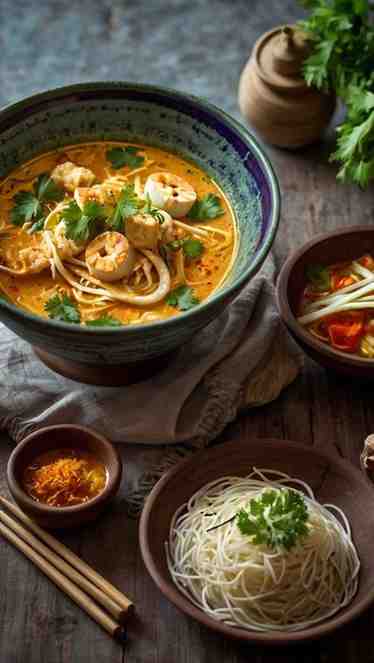
- Serves: 4 People
- Prepare Time: 25 minutes
- Cooking Time: 45 minutes
- Calories: -
- Difficulty: Medium
Ready to dive into a bowl of pure comfort and exhilarating flavor? This spicy noodle Laksa recipe is your ticket to a truly authentic taste of Southeast Asia, right in your own kitchen. Forget bland takeout; we're talking about a rich, creamy, and wonderfully aromatic coconut curry broth that’s surprisingly doable at home. We’ll show you how to transform simple ingredients into a complex, satisfying meal that hits all the right notes – savory, sweet, tangy, and of course, perfectly spicy noodle goodness. Get ready to impress your taste buds and discover your new favorite comfort food.
Laksa is a vibrant, aromatic noodle soup that's a staple in Malaysian, Singaporean, and Indonesian cuisine. In plain English, it's a deeply flavorful broth, typically coconut-based or tamarind-based, served with noodles and various toppings.
This particular recipe focuses on the creamy, rich curry laksa (also known as laksa lemak or coconut laksa), which is distinct from the sour, fish-based asam laksa. While asam laksa has its fans, it's the curry/coconut version with its spicy coconut broth that most US home cooks find utterly irresistible and craveable. It’s the perfect balance of spice, creaminess, and savory depth.
Getting the right ingredients makes all the difference. Here’s a breakdown of what you’ll need and how to find it, even if you don't have an Asian market nearby.
This is the heart and soul of your laksa. Laksa paste is a concentrated blend of chilies, shallots, garlic, galangal, lemongrass, turmeric, and other spices. It provides that complex, authentic flavor without you having to grind everything from scratch.
Why you must fry it first: Frying the paste in a little oil before adding liquids "wakes up" the spices, deepens their flavor, and helps them release their aromatic oils, preventing a raw or flat taste. Look for brands like "Prima Taste" or "Asia Best" at most Asian grocery stores or even online (Amazon is a good source). Some larger regular supermarkets also carry it in their international aisle.
While laksa paste does a lot of the heavy lifting, fresh aromatics elevate it to another level.
Garlic: Adds a pungent, foundational savory note.
Ginger: Brings warmth and a slight peppery kick.
Lemongrass: Essential for that bright, citrusy, herbaceous aroma. Use the bottom third of the stalk, bruised and finely minced.
Chili: Fresh red chilies (like bird's eye or serrano) provide customizable heat.
These create the luscious broth.
Full-fat coconut milk: Absolutely recommended for the best richness and creamy texture. "Light" coconut milk won't give you the same body.
How to avoid a greasy split: The key is to simmer, not boil, the broth once the coconut milk is added. High heat can cause the fat and water in the coconut milk to separate, leaving a greasy film. Whisking occasionally also helps.
Chicken + shrimp (why both): Using both chicken and shrimp provides a wonderful textural contrast and a richer, more complex seafood-and-poultry flavor profile that’s classic for laksa.
Tofu puffs/soy puffs: These are deep-fried spongy tofu cubes that soak up the rich laksa broth beautifully, becoming little flavor bombs. You’ll find them in the refrigerated section of Asian markets. If you can’t find them, regular firm or extra-firm tofu, pressed and then pan-fried or baked until golden, can be a decent substitute, though it won't have the same spongy texture.
Bean sprouts, cilantro, lime, fried shallots: These are non-negotiable for a truly authentic laksa experience. Bean sprouts add a fresh crunch, cilantro brings herbaceous brightness, lime juice provides essential acidity to balance the richness, and crispy fried shallots offer an addictive savory crunch. You can buy pre-fried shallots in jars at Asian markets or make your own.
Default noodle choice for the recipe: Thick wheat noodles (like fresh ramen noodles or udon) or rice vermicelli are most common. Our recipe defaults to a mix for the best texture.
Quick swaps (brief notes only): You can use solely thick wheat noodles, thin rice vermicelli, or even flat rice noodles (like for Pad See Ew). Just follow package directions for cooking.
You don't need a specialty wok for this, just some basic kitchen gear:
A large pot or Dutch oven for the broth.
A small pan for quickly searing shrimp.
A separate pot for cooking noodles.
A strainer for draining noodles.
A microplane or sharp knife for grating/chopping aromatics.
Ingredients
Directions
- Prep Time!
- Chop/grate all your aromatics (garlic, ginger, lemongrass, chilies).
- Prepare your toppings: wash bean sprouts, chop cilantro, slice limes, halve tofu puffs.
- If using dried rice vermicelli, place them in a bowl and cover with hot water to soak while you cook the broth (check package for specific soaking times, usually 10-15 minutes).
- Cook Chicken for the Broth
- Place chicken thighs/breasts in a medium pot and cover with water. Bring to a gentle simmer over medium heat.
- Cook for 15-20 minutes, or until the chicken is cooked through and tender.
- Remove chicken, let it cool slightly, then shred it with two forks. Set aside.
- Crucially: Reserve the chicken cooking liquid. This will be part of your broth base!
- Activate the Laksa Paste
- In a large pot or Dutch oven, heat 2 tablespoons of neutral oil over medium heat.
- Add the minced garlic, ginger, lemongrass, and sliced chilies. Sauté for 2-3 minutes until fragrant.
- Add the entire package of laksa paste to the pot. Stir constantly and fry for 3-5 minutes. The paste should become very fragrant, and the oil in the pot should turn a vibrant orange-red color. This step is key for deep flavor!
- Build the Broth
- Pour the reserved chicken broth (from Step 2) and the can of full-fat coconut milk into the pot with the fried paste.
- Stir well to combine, scraping up any bits from the bottom.
- Bring the broth to a gentle simmer (do not boil) over medium-low heat.
- Add 1 tablespoon of fish sauce and 1 teaspoon of sugar (if using). Taste and adjust, adding more fish sauce if needed for saltiness and umami.
- Add the halved tofu puffs to the simmering broth. Let them soak up the flavors for at least 10 minutes while you prepare other components.
- Cook Noodles Separately
- While the broth simmers, bring a separate pot of water to a boil.
- Add the fresh wheat noodles and/or soaked rice vermicelli. Cook according to package directions, usually 2-3 minutes, just until al dente and chewy. They should not be mushy.
- Drain the noodles thoroughly and rinse briefly with warm water to prevent sticking. Set aside.
- Cook Shrimp Separately
- Heat a small pan over medium-high heat with a tiny bit of oil (or just use the residual oil from the broth pot if you want).
- Add the peeled and deveined shrimp and cook for 1-2 minutes per side, just until they turn pink and opaque. Do not overcook, or they will become rubbery. Remove from heat immediately.
- Assemble Your Bowls
- Divide the cooked noodles among four large serving bowls.
- Arrange the shredded chicken and cooked shrimp over the noodles.
- Ladle the hot, flavorful laksa broth generously over the noodles and protein, ensuring plenty of tofu puffs are included.
- Top each bowl with a generous handful of fresh bean sprouts, chopped cilantro, and a sprinkle of crispy fried shallots.
- Final Balance
- Serve immediately with lime wedges on the side. Squeeze fresh lime juice into your bowl to brighten the flavors and add a crucial acidic balance.
- Taste and adjust: add more fish sauce for salt, a tiny pinch more sugar for sweetness, or a squeeze of lime for sourness. If you want more heat, drizzle with optional chili sauce. Enjoy!
You may also like

Hey there! I’m just someone who seriously loves good food and believes that cooking doesn’t have to be complicated to be amazing. Whether it’s a quick weeknight dinner or a cozy weekend meal, I’m all about sharing easy, tasty recipes that actually work.



