
Te Taki - Kiribati Breadfruit in Coconut Cream Recipe
Te Taki - Kiribati Breadfruit in Coconut Cream Recipe


- Serves: 4 People
- Prepare Time: 20 minutes
- Cooking Time: 35 minutes
- Calories: -
- Difficulty: Easy
Aloha, food adventurers! Get ready to dive into the comforting, creamy world of Te Taki, a beloved traditional dish from the beautiful islands of Kiribati. If you're looking for a unique, satisfying, and incredibly delicious way to explore new flavors, you've hit the jackpot. Te Taki (pronounced "Teh Tah-kee") isn't just a recipe; it's a taste of island life, bringing together simple, wholesome ingredients into something truly special.
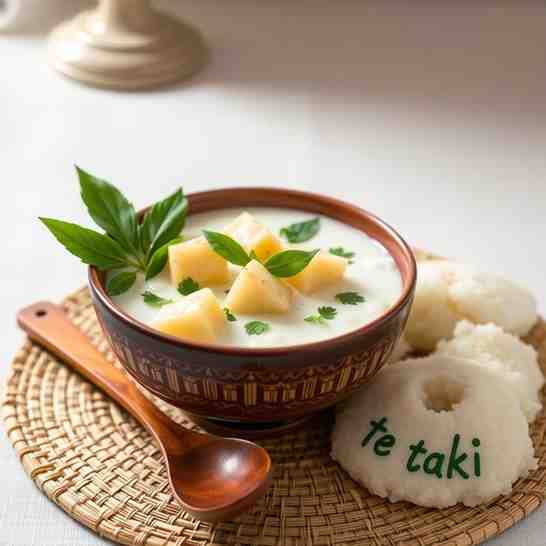
At its heart, Te Taki is all about tender, starchy breadfruit simmered gently in rich, velvety coconut cream. Imagine a dish that's subtly sweet, deeply savory, and incredibly comforting, with a texture that's both substantial and melt-in-your-mouth soft. It’s the kind of starchy side that perfectly complements any meal, soaking up flavors and leaving you feeling wonderfully satisfied. Whether you’re a seasoned cook or just starting your culinary journey, this guide will walk you through everything you need to know to master breadfruit and achieve perfect coconut milk and coconut cream success right in your own kitchen. We’ll cover sourcing the best ingredients, understanding ripeness, and getting that dreamy, un-split coconut sauce every time.
Te Taki: Our star today! Breadfruit cooked in coconut cream.
Buatoro: Often a dessert, taro (not breadfruit) cooked in coconut cream, sometimes sweetened.
Te Bua Toro Ni Baukin: A savory dish similar to Te Taki but featuring pumpkin or squash.
Key Success Tips:
Breadfruit Ripeness: Use firm, mature breadfruit, not overly soft or green.
Coconut Cream Choice: Opt for unsweetened, full-fat coconut cream for the best flavor and texture.
Gentle Simmer: Cook slowly over low heat to prevent the coconut cream from splitting.
Ingredients
Directions
- Equipment You’ll Need:
- A sharp knife and sturdy cutting board
- A large pot with a lid
- A spoon or whisk for stirring
- Prep the Breadfruit:
- If using fresh breadfruit, begin by peeling it. The skin can be tough, so use a sharp knife. You can also briefly boil the whole breadfruit for 10-15 minutes to soften the skin, making it easier to peel.
- Once peeled, core the breadfruit by cutting it into quarters and removing the fibrous core.
- Cut the breadfruit flesh into roughly 1-inch cubes. This size allows for even cooking and ensures each piece becomes tender without turning mushy.
- (If Needed) Par-Cook for the Best Texture:
- When fresh breadfruit needs it: If your fresh breadfruit is very firm or you want to ensure a super tender result, you can par-cook it. Place the cut breadfruit in a pot, cover with water, bring to a boil, and simmer for 5-7 minutes until slightly tender but still firm. Drain well.
- When frozen breadfruit doesn’t: Frozen breadfruit chunks are usually par-cooked already, so you can skip this step and add them directly to the pot with the coconut cream.
- Simmer in Coconut Cream:
- In your large pot, combine the coconut cream and the prepped (or par-cooked) breadfruit.
- Heat level guidance: Bring the mixture to a gentle simmer over medium-low heat. You want to see small bubbles, not a rolling boil, to prevent the coconut milk and coconut cream from splitting.
- When to add water: If the sauce seems too thick as it cooks, or if the breadfruit is absorbing a lot of liquid, add the ½ cup of water. You can add more later if needed to achieve your desired consistency.
- How often to stir: Stir occasionally, gently, to prevent sticking and ensure even cooking. Cook for 20-30 minutes, or until the breadfruit is very tender and easily pierced with a fork.
- Finish + Season:
- Salt timing: Once the breadfruit is tender, stir in the salt. Taste and adjust seasoning as needed.
- Texture check (what “done” looks like): The breadfruit should be soft and creamy throughout. The sauce should be thick and luscious, coating the breadfruit beautifully.
- What it Should Look Like When It’s Right
- Sauce thickness: The sauce should be thick enough to cling to the breadfruit pieces, like a rich gravy, but still pourable.
- Breadfruit texture: Each piece should be fork-tender, creamy, and have a slightly starchy, comforting mouthfeel.
- Common wrong outcomes (1 line each):
- Breadfruit still hard: Not cooked long enough.
- Breadfruit turned mushy: Overcooked or cut too small.
- Sauce is thin: Not enough coconut cream or too much added water.
- Sauce split/greasy: Cooked at too high heat or stirred too vigorously.
Te Taki - Kiribati Breadfruit in Coconut Cream Recipe
- Serves: 4 People
- Prepare Time: 20 minutes
- Cooking Time: 35 minutes
- Calories: -
- Difficulty: Easy
Aloha, food adventurers! Get ready to dive into the comforting, creamy world of Te Taki, a beloved traditional dish from the beautiful islands of Kiribati. If you're looking for a unique, satisfying, and incredibly delicious way to explore new flavors, you've hit the jackpot. Te Taki (pronounced "Teh Tah-kee") isn't just a recipe; it's a taste of island life, bringing together simple, wholesome ingredients into something truly special.
At its heart, Te Taki is all about tender, starchy breadfruit simmered gently in rich, velvety coconut cream. Imagine a dish that's subtly sweet, deeply savory, and incredibly comforting, with a texture that's both substantial and melt-in-your-mouth soft. It’s the kind of starchy side that perfectly complements any meal, soaking up flavors and leaving you feeling wonderfully satisfied. Whether you’re a seasoned cook or just starting your culinary journey, this guide will walk you through everything you need to know to master breadfruit and achieve perfect coconut milk and coconut cream success right in your own kitchen. We’ll cover sourcing the best ingredients, understanding ripeness, and getting that dreamy, un-split coconut sauce every time.
Te Taki: Our star today! Breadfruit cooked in coconut cream.
Buatoro: Often a dessert, taro (not breadfruit) cooked in coconut cream, sometimes sweetened.
Te Bua Toro Ni Baukin: A savory dish similar to Te Taki but featuring pumpkin or squash.
Key Success Tips:
Breadfruit Ripeness: Use firm, mature breadfruit, not overly soft or green.
Coconut Cream Choice: Opt for unsweetened, full-fat coconut cream for the best flavor and texture.
Gentle Simmer: Cook slowly over low heat to prevent the coconut cream from splitting.
Ingredients
Directions
- Equipment You’ll Need:
- A sharp knife and sturdy cutting board
- A large pot with a lid
- A spoon or whisk for stirring
- Prep the Breadfruit:
- If using fresh breadfruit, begin by peeling it. The skin can be tough, so use a sharp knife. You can also briefly boil the whole breadfruit for 10-15 minutes to soften the skin, making it easier to peel.
- Once peeled, core the breadfruit by cutting it into quarters and removing the fibrous core.
- Cut the breadfruit flesh into roughly 1-inch cubes. This size allows for even cooking and ensures each piece becomes tender without turning mushy.
- (If Needed) Par-Cook for the Best Texture:
- When fresh breadfruit needs it: If your fresh breadfruit is very firm or you want to ensure a super tender result, you can par-cook it. Place the cut breadfruit in a pot, cover with water, bring to a boil, and simmer for 5-7 minutes until slightly tender but still firm. Drain well.
- When frozen breadfruit doesn’t: Frozen breadfruit chunks are usually par-cooked already, so you can skip this step and add them directly to the pot with the coconut cream.
- Simmer in Coconut Cream:
- In your large pot, combine the coconut cream and the prepped (or par-cooked) breadfruit.
- Heat level guidance: Bring the mixture to a gentle simmer over medium-low heat. You want to see small bubbles, not a rolling boil, to prevent the coconut milk and coconut cream from splitting.
- When to add water: If the sauce seems too thick as it cooks, or if the breadfruit is absorbing a lot of liquid, add the ½ cup of water. You can add more later if needed to achieve your desired consistency.
- How often to stir: Stir occasionally, gently, to prevent sticking and ensure even cooking. Cook for 20-30 minutes, or until the breadfruit is very tender and easily pierced with a fork.
- Finish + Season:
- Salt timing: Once the breadfruit is tender, stir in the salt. Taste and adjust seasoning as needed.
- Texture check (what “done” looks like): The breadfruit should be soft and creamy throughout. The sauce should be thick and luscious, coating the breadfruit beautifully.
- What it Should Look Like When It’s Right
- Sauce thickness: The sauce should be thick enough to cling to the breadfruit pieces, like a rich gravy, but still pourable.
- Breadfruit texture: Each piece should be fork-tender, creamy, and have a slightly starchy, comforting mouthfeel.
- Common wrong outcomes (1 line each):
- Breadfruit still hard: Not cooked long enough.
- Breadfruit turned mushy: Overcooked or cut too small.
- Sauce is thin: Not enough coconut cream or too much added water.
- Sauce split/greasy: Cooked at too high heat or stirred too vigorously.
You may also like




Hey there! I’m just someone who seriously loves good food and believes that cooking doesn’t have to be complicated to be amazing. Whether it’s a quick weeknight dinner or a cozy weekend meal, I’m all about sharing easy, tasty recipes that actually work.