This Rye Bread Recipe - Homemade Flatkökur
This Rye Bread Recipe - Homemade Flatkökur
- Serves: 10 People
- Prepare Time: 25 minutes
- Cooking Time: 25 minutes
- Calories: -
- Difficulty: Easy
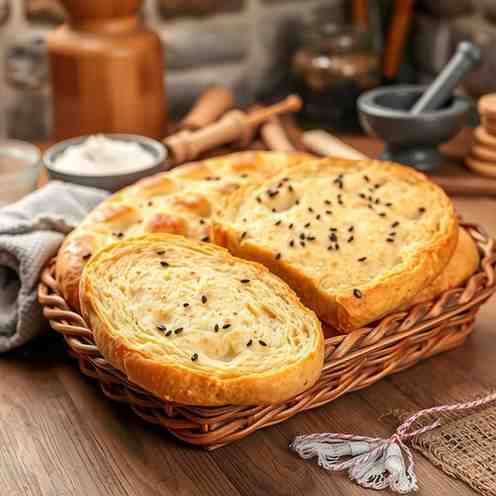
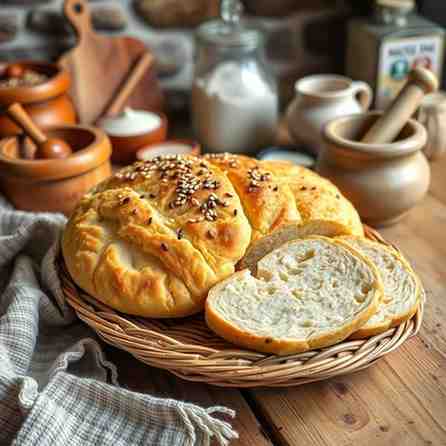
Ever dreamed of whipping up an authentic taste of Iceland right in your own kitchen? Get ready to master a classic! This isn't just any rye bread recipe; we're talking about Flatkaka (or Flatkökur), a wonderfully soft, thin rye flatbread cooked on a dry pan. Forget complicated yeast or ovens – this traditional Icelandic treat is surprisingly simple to make your own bread at home. Whether you're a seasoned baker or just starting your journey to homemade wheat bread (with a rye twist!), this guide gives you one reliable recipe, packed with all the tips you need to keep your Flatkökur perfectly soft and delicious. Let's dive into making some incredible rye bread!
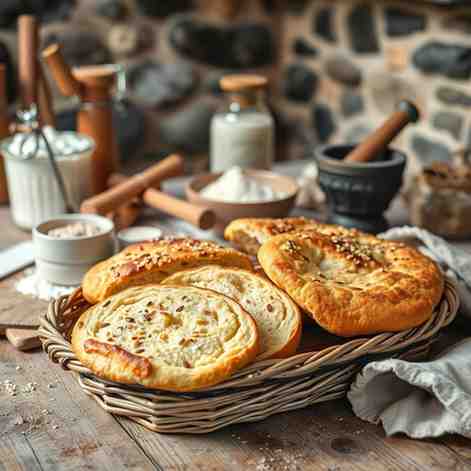
Flatkaka, pronounced "FLAT-kah-kah" (with Flatkökur, "FLAT-kur-kur," being the plural), is a traditional Icelandic rye flatbread. Think of it as a soft, thin, and slightly chewy bread that's cooked on a dry skillet or griddle, rather than baked in an oven. It has a distinctive, earthy rye flavor and a tender texture, making it incredibly versatile. Icelanders commonly enjoy it with a variety of toppings, from savory smoked lamb to sweet honey. It's truly a staple of Icelandic cuisine!
You might have stumbled upon searches for "Faroe Islands flatkökur" or other Nordic flatbreads, and it's easy to get them mixed up! Just to clarify, while many Nordic countries have their own versions of flatbread, Flatkaka (and its plural, Flatkökur) is specifically the Icelandic term for this delicious rye flatbread. This recipe focuses on the traditional Icelandic-style rye flatbread, celebrated for its unique flavor and preparation method. So, if you're looking for that authentic taste of Iceland, you're in the right place!
Ingredients
Directions
- Mix Dry Ingredients: In a medium-sized bowl, whisk together the rye flour, wheat flour, salt, and optional sugar. Make sure everything is well combined.
- Add Boiling Water Gradually: Carefully pour about ¾ cup of the boiling water into the dry ingredients, stirring with a spoon or fork. Continue adding the remaining water, a little at a time, until the mixture comes together into a shaggy dough. You want a dough that's moist but not overly sticky. The dough should be warm to the touch.
- Knead Briefly + Rest: Once the dough is cool enough to handle, turn it out onto a lightly floured surface. Knead for just 2-3 minutes until it forms a relatively smooth ball. Don't over-knead! Cover the dough with a clean kitchen towel and let it rest for 10-15 minutes. This resting period allows the flours to fully hydrate, making the dough more pliable and easier to roll.
- Divide + Shape Balls: Divide the dough into 10-12 equal pieces. Roll each piece into a small ball, roughly the size of a golf ball or slightly larger.
- Roll Thin: On a lightly floured surface (or between two sheets of parchment paper to prevent sticking), roll each dough ball out very thinly, aiming for a thickness of about ⅛ inch (3mm) or less. The thinner, the better for a truly traditional Flatkaka! If the dough sticks, use a little more flour or parchment.
- Cut Rounds + Dock with Fork: Use a round cookie cutter, a glass, or a bowl (about 4-5 inches in diameter) to cut neat rounds from the rolled-out dough. Gather and re-roll any scraps. Then, gently prick each flatbread several times with a fork. This "docking" prevents the flatbreads from puffing up like pita bread during cooking, ensuring they stay flat and tender.
- Cook on Dry Hot Pan: Heat a cast iron skillet or heavy griddle over medium-high heat until hot (a drop of water should sizzle and evaporate immediately). Do NOT add oil. Place one or two flatbreads on the dry hot pan. Cook for 1-2 minutes per side, or until you see small brown spots and the bread is cooked through. Flip carefully with tongs.
- Keep Them Soft: As soon as each Flatkaka is cooked, stack them on a plate and immediately cover them with a clean kitchen towel or foil. The residual steam will keep them soft and pliable. Some people even lightly brush them with water immediately after cooking for extra softness.
This Rye Bread Recipe - Homemade Flatkökur
- Serves: 10 People
- Prepare Time: 25 minutes
- Cooking Time: 25 minutes
- Calories: -
- Difficulty: Easy
Ever dreamed of whipping up an authentic taste of Iceland right in your own kitchen? Get ready to master a classic! This isn't just any rye bread recipe; we're talking about Flatkaka (or Flatkökur), a wonderfully soft, thin rye flatbread cooked on a dry pan. Forget complicated yeast or ovens – this traditional Icelandic treat is surprisingly simple to make your own bread at home. Whether you're a seasoned baker or just starting your journey to homemade wheat bread (with a rye twist!), this guide gives you one reliable recipe, packed with all the tips you need to keep your Flatkökur perfectly soft and delicious. Let's dive into making some incredible rye bread!
Flatkaka, pronounced "FLAT-kah-kah" (with Flatkökur, "FLAT-kur-kur," being the plural), is a traditional Icelandic rye flatbread. Think of it as a soft, thin, and slightly chewy bread that's cooked on a dry skillet or griddle, rather than baked in an oven. It has a distinctive, earthy rye flavor and a tender texture, making it incredibly versatile. Icelanders commonly enjoy it with a variety of toppings, from savory smoked lamb to sweet honey. It's truly a staple of Icelandic cuisine!
You might have stumbled upon searches for "Faroe Islands flatkökur" or other Nordic flatbreads, and it's easy to get them mixed up! Just to clarify, while many Nordic countries have their own versions of flatbread, Flatkaka (and its plural, Flatkökur) is specifically the Icelandic term for this delicious rye flatbread. This recipe focuses on the traditional Icelandic-style rye flatbread, celebrated for its unique flavor and preparation method. So, if you're looking for that authentic taste of Iceland, you're in the right place!
Ingredients
Directions
- Mix Dry Ingredients: In a medium-sized bowl, whisk together the rye flour, wheat flour, salt, and optional sugar. Make sure everything is well combined.
- Add Boiling Water Gradually: Carefully pour about ¾ cup of the boiling water into the dry ingredients, stirring with a spoon or fork. Continue adding the remaining water, a little at a time, until the mixture comes together into a shaggy dough. You want a dough that's moist but not overly sticky. The dough should be warm to the touch.
- Knead Briefly + Rest: Once the dough is cool enough to handle, turn it out onto a lightly floured surface. Knead for just 2-3 minutes until it forms a relatively smooth ball. Don't over-knead! Cover the dough with a clean kitchen towel and let it rest for 10-15 minutes. This resting period allows the flours to fully hydrate, making the dough more pliable and easier to roll.
- Divide + Shape Balls: Divide the dough into 10-12 equal pieces. Roll each piece into a small ball, roughly the size of a golf ball or slightly larger.
- Roll Thin: On a lightly floured surface (or between two sheets of parchment paper to prevent sticking), roll each dough ball out very thinly, aiming for a thickness of about ⅛ inch (3mm) or less. The thinner, the better for a truly traditional Flatkaka! If the dough sticks, use a little more flour or parchment.
- Cut Rounds + Dock with Fork: Use a round cookie cutter, a glass, or a bowl (about 4-5 inches in diameter) to cut neat rounds from the rolled-out dough. Gather and re-roll any scraps. Then, gently prick each flatbread several times with a fork. This "docking" prevents the flatbreads from puffing up like pita bread during cooking, ensuring they stay flat and tender.
- Cook on Dry Hot Pan: Heat a cast iron skillet or heavy griddle over medium-high heat until hot (a drop of water should sizzle and evaporate immediately). Do NOT add oil. Place one or two flatbreads on the dry hot pan. Cook for 1-2 minutes per side, or until you see small brown spots and the bread is cooked through. Flip carefully with tongs.
- Keep Them Soft: As soon as each Flatkaka is cooked, stack them on a plate and immediately cover them with a clean kitchen towel or foil. The residual steam will keep them soft and pliable. Some people even lightly brush them with water immediately after cooking for extra softness.
You may also like


Hey there! I’m just someone who seriously loves good food and believes that cooking doesn’t have to be complicated to be amazing. Whether it’s a quick weeknight dinner or a cozy weekend meal, I’m all about sharing easy, tasty recipes that actually work.