
Traditional Lutefisk - Oven-Baked Perfection
Traditional Lutefisk - Oven-Baked Perfection
- Serves: 4 People
- Prepare Time: 25 minutes
- Cooking Time: 30 minutes
- Calories: -
- Difficulty: Medium
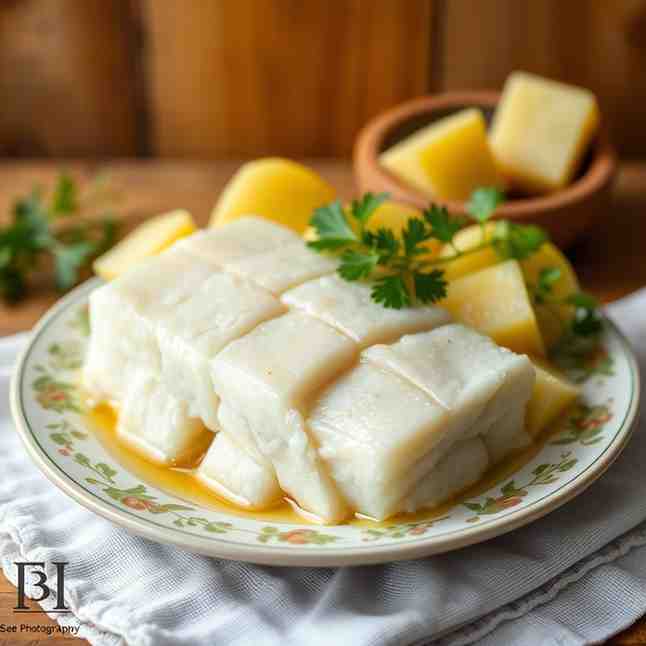
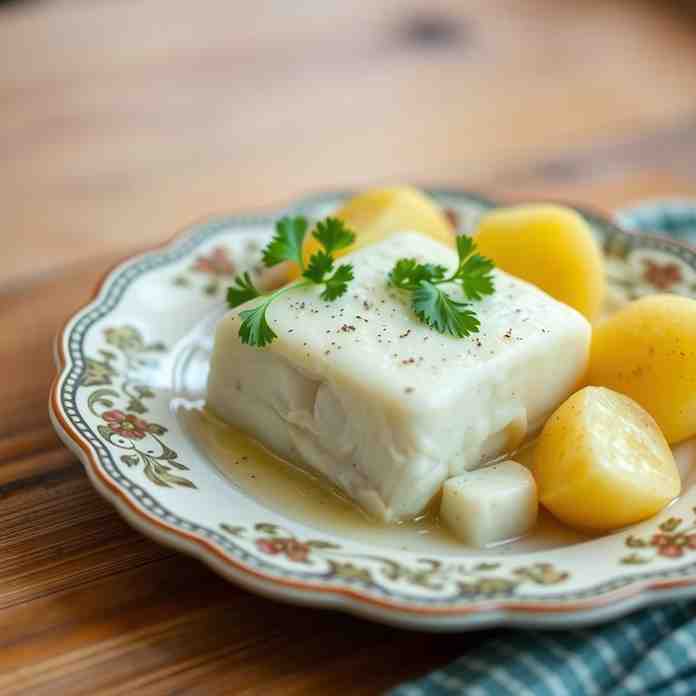
Welcome to the definitive guide for making a truly classic Nordic holiday-style lutefisk plate! If you've been curious about this traditional dish or are looking to perfect your family's festive meal, you're in the right place. Our recipe for traditional lutefisk combines delicate, oven-baked fish with simple, potatoes recipes oven cooked or boiled, and a creamy, homemade white sauce that ties everything together beautifully. This isn't just any stew seafood recipe; it's a culinary journey to the heart of Scandinavian tradition, designed to bring warmth and flavor to your table.
In this comprehensive recipe, you'll learn everything you need to know about preparing lutefisk the right way, ensuring a firm, delicious texture every time. We'll walk you through how to cook lutefisk in the oven (the single best method for beginners!), how to whip up that simple, classic white sauce that truly belongs with lutefisk, and how to serve it alongside perfectly prepared potatoes, with optional peas or crisp bacon for extra flair. Get ready to impress your family and friends with a dish that's both authentic and incredibly satisfying.
Ready to dive in? Here’s a quick overview to get you started:
Start potatoes: Get them boiling.
Salt-rest fish: Prepare your lutefisk for baking.
Sauce: While the fish rests and potatoes cook, make your white sauce.
Bake fish: Pop the lutefisk in the oven.
Finish + serve: Toss potatoes, plate, and enjoy your masterpiece!
Ingredients
Directions
- Prep the Lutefisk for Baking (Texture Control)
- Gently remove the thawed lutefisk from its packaging. It will be quite soft and possibly watery.
- Drain the fish very well, then gently blot it dry with paper towels. You want to remove as much surface moisture as possible.
- Place the lutefisk pieces in a single layer on a plate or in a shallow dish. Sprinkle generously with coarse salt (about 1 tablespoon per 2 lbs of fish). This "salt-rest" step is crucial for drawing out excess water and firming up the fish, preventing it from falling apart during cooking.
- Let the fish rest at room temperature for at least 20-30 minutes, or in the refrigerator for up to an hour. You'll notice liquid pooling around the fish.
- After resting, rinse the lutefisk thoroughly under cold running water to remove all the salt. This is important to prevent overly salty fish.
- Drain and blot the fish dry again with paper towels. Set aside.
- Start the Potatoes
- While the lutefisk rests, place the baby potatoes in a large pot. Cover them with cold water by about an inch.
- Add 1 teaspoon of salt to the water.
- Bring the water to a boil over high heat, then reduce heat to medium-low and simmer until the potatoes are just tender when pierced with a fork (typically 15-20 minutes, depending on size).
- Once tender, drain the potatoes completely and return them to the warm pot. Cover with a lid to keep them warm while you finish the rest of the meal.
- Make the Classic Norwegian White Sauce (While Fish Rests / Potatoes Cook)
- Infuse the Milk: In a small saucepan, combine the whole milk, chopped onion, and bay leaf. Heat over medium-low heat until just simmering (do not boil). Remove from heat, cover, and let infuse for 10-15 minutes. This gentle infusion adds a lovely subtle flavor.
- Strain the Milk: Carefully strain the infused milk through a fine-mesh strainer into a clean bowl, discarding the onion and bay leaf. Keep the milk warm.
- Make a Blond Roux: In the same saucepan (no need to clean), melt 3 tablespoons of butter over medium heat. Once melted, sprinkle in the 3 tablespoons of flour. Whisk continuously for 1-2 minutes until a smooth paste (roux) forms and cooks slightly, turning a very light "blond" color. Do not let it brown.
- Whisk in Milk: Gradually whisk the warm, infused milk into the roux, a little at a time, ensuring each addition is fully incorporated and smooth before adding more. This prevents lumps.
- Simmer to Thicken: Bring the sauce to a gentle simmer, whisking occasionally. Let it simmer for 3-5 minutes, or until it thickens to a pourable, light-gravy consistency. It should coat the back of a spoon.
- Season: Remove from heat. Stir in 1/2 teaspoon of salt, white pepper (if using), and cayenne pepper (if using). Taste and adjust seasoning as needed.
- Optional Peas: If using, stir in the frozen peas now and let them warm through for a minute or two. Cover the sauce to keep it warm.
- Bake the Lutefisk (Oven Method)
- Preheat your oven to 375°F (190°C).
- Lightly grease a baking dish that's large enough to hold the lutefisk in a single layer.
- Arrange the drained and blotted lutefisk pieces skin-side down (if applicable) in the prepared baking dish.
- Cover the baking dish tightly with aluminum foil or a fitted lid. This creates a steaming environment, keeping the fish moist.
- Bake for 20-25 minutes. Lutefisk is delicate and cooks quickly. The fish is done when it's opaque throughout and flakes easily with a fork, but still holds its shape. An instant-read thermometer inserted into the thickest part should read 145°F (63°C).
- Carefully remove the dish from the oven. There will likely be a good amount of liquid in the bottom of the dish. Gently drain this liquid away before serving.
- Finish Potatoes + Plate the Meal
- Return the warm, drained potatoes to the pot. Add 2 tablespoons of butter and the chopped fresh dill. Toss gently until the butter is melted and the potatoes are evenly coated.
- To plate, spoon a generous serving of dill potatoes onto each plate.
- Carefully place a piece or two of the oven-baked lutefisk next to the potatoes.
- Ladle a generous amount of the warm white sauce over the lutefisk and potatoes.
- Optional Garnish: Drizzle with extra melted butter, sprinkle with additional fresh dill, or add crisp bacon bits for a traditional touch. Serve immediately and enjoy your traditional lutefisk recipe!
Traditional Lutefisk - Oven-Baked Perfection
- Serves: 4 People
- Prepare Time: 25 minutes
- Cooking Time: 30 minutes
- Calories: -
- Difficulty: Medium
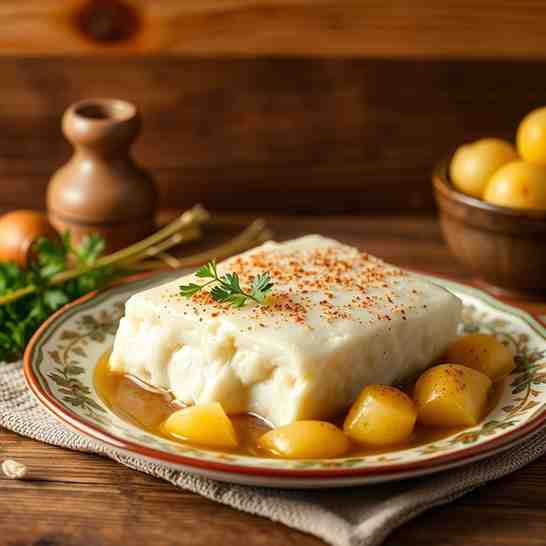
Welcome to the definitive guide for making a truly classic Nordic holiday-style lutefisk plate! If you've been curious about this traditional dish or are looking to perfect your family's festive meal, you're in the right place. Our recipe for traditional lutefisk combines delicate, oven-baked fish with simple, potatoes recipes oven cooked or boiled, and a creamy, homemade white sauce that ties everything together beautifully. This isn't just any stew seafood recipe; it's a culinary journey to the heart of Scandinavian tradition, designed to bring warmth and flavor to your table.
In this comprehensive recipe, you'll learn everything you need to know about preparing lutefisk the right way, ensuring a firm, delicious texture every time. We'll walk you through how to cook lutefisk in the oven (the single best method for beginners!), how to whip up that simple, classic white sauce that truly belongs with lutefisk, and how to serve it alongside perfectly prepared potatoes, with optional peas or crisp bacon for extra flair. Get ready to impress your family and friends with a dish that's both authentic and incredibly satisfying.
Ready to dive in? Here’s a quick overview to get you started:
Start potatoes: Get them boiling.
Salt-rest fish: Prepare your lutefisk for baking.
Sauce: While the fish rests and potatoes cook, make your white sauce.
Bake fish: Pop the lutefisk in the oven.
Finish + serve: Toss potatoes, plate, and enjoy your masterpiece!
Ingredients
Directions
- Prep the Lutefisk for Baking (Texture Control)
- Gently remove the thawed lutefisk from its packaging. It will be quite soft and possibly watery.
- Drain the fish very well, then gently blot it dry with paper towels. You want to remove as much surface moisture as possible.
- Place the lutefisk pieces in a single layer on a plate or in a shallow dish. Sprinkle generously with coarse salt (about 1 tablespoon per 2 lbs of fish). This "salt-rest" step is crucial for drawing out excess water and firming up the fish, preventing it from falling apart during cooking.
- Let the fish rest at room temperature for at least 20-30 minutes, or in the refrigerator for up to an hour. You'll notice liquid pooling around the fish.
- After resting, rinse the lutefisk thoroughly under cold running water to remove all the salt. This is important to prevent overly salty fish.
- Drain and blot the fish dry again with paper towels. Set aside.
- Start the Potatoes
- While the lutefisk rests, place the baby potatoes in a large pot. Cover them with cold water by about an inch.
- Add 1 teaspoon of salt to the water.
- Bring the water to a boil over high heat, then reduce heat to medium-low and simmer until the potatoes are just tender when pierced with a fork (typically 15-20 minutes, depending on size).
- Once tender, drain the potatoes completely and return them to the warm pot. Cover with a lid to keep them warm while you finish the rest of the meal.
- Make the Classic Norwegian White Sauce (While Fish Rests / Potatoes Cook)
- Infuse the Milk: In a small saucepan, combine the whole milk, chopped onion, and bay leaf. Heat over medium-low heat until just simmering (do not boil). Remove from heat, cover, and let infuse for 10-15 minutes. This gentle infusion adds a lovely subtle flavor.
- Strain the Milk: Carefully strain the infused milk through a fine-mesh strainer into a clean bowl, discarding the onion and bay leaf. Keep the milk warm.
- Make a Blond Roux: In the same saucepan (no need to clean), melt 3 tablespoons of butter over medium heat. Once melted, sprinkle in the 3 tablespoons of flour. Whisk continuously for 1-2 minutes until a smooth paste (roux) forms and cooks slightly, turning a very light "blond" color. Do not let it brown.
- Whisk in Milk: Gradually whisk the warm, infused milk into the roux, a little at a time, ensuring each addition is fully incorporated and smooth before adding more. This prevents lumps.
- Simmer to Thicken: Bring the sauce to a gentle simmer, whisking occasionally. Let it simmer for 3-5 minutes, or until it thickens to a pourable, light-gravy consistency. It should coat the back of a spoon.
- Season: Remove from heat. Stir in 1/2 teaspoon of salt, white pepper (if using), and cayenne pepper (if using). Taste and adjust seasoning as needed.
- Optional Peas: If using, stir in the frozen peas now and let them warm through for a minute or two. Cover the sauce to keep it warm.
- Bake the Lutefisk (Oven Method)
- Preheat your oven to 375°F (190°C).
- Lightly grease a baking dish that's large enough to hold the lutefisk in a single layer.
- Arrange the drained and blotted lutefisk pieces skin-side down (if applicable) in the prepared baking dish.
- Cover the baking dish tightly with aluminum foil or a fitted lid. This creates a steaming environment, keeping the fish moist.
- Bake for 20-25 minutes. Lutefisk is delicate and cooks quickly. The fish is done when it's opaque throughout and flakes easily with a fork, but still holds its shape. An instant-read thermometer inserted into the thickest part should read 145°F (63°C).
- Carefully remove the dish from the oven. There will likely be a good amount of liquid in the bottom of the dish. Gently drain this liquid away before serving.
- Finish Potatoes + Plate the Meal
- Return the warm, drained potatoes to the pot. Add 2 tablespoons of butter and the chopped fresh dill. Toss gently until the butter is melted and the potatoes are evenly coated.
- To plate, spoon a generous serving of dill potatoes onto each plate.
- Carefully place a piece or two of the oven-baked lutefisk next to the potatoes.
- Ladle a generous amount of the warm white sauce over the lutefisk and potatoes.
- Optional Garnish: Drizzle with extra melted butter, sprinkle with additional fresh dill, or add crisp bacon bits for a traditional touch. Serve immediately and enjoy your traditional lutefisk recipe!
You may also like



Hey there! I’m just someone who seriously loves good food and believes that cooking doesn’t have to be complicated to be amazing. Whether it’s a quick weeknight dinner or a cozy weekend meal, I’m all about sharing easy, tasty recipes that actually work.



