
Peruvian Tripe Stew (Cau Cau)
Peruvian Tripe Stew (Cau Cau)
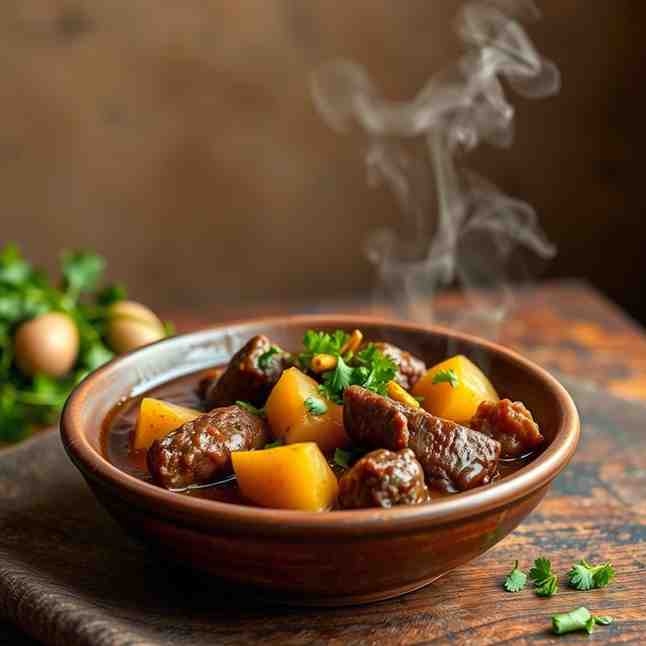
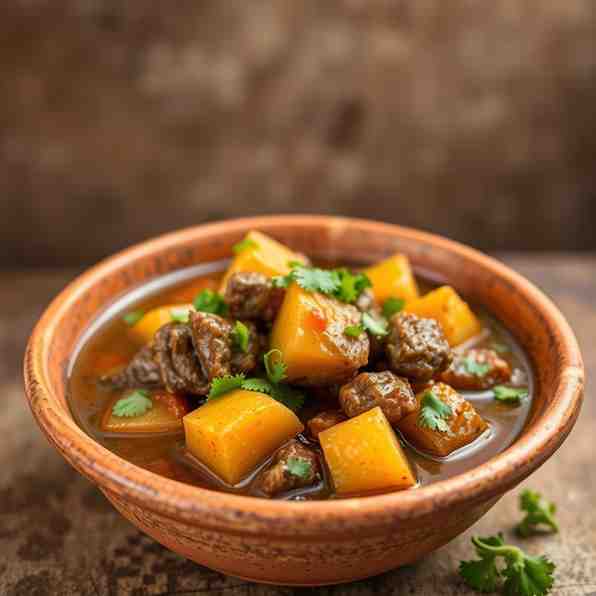
- Serves: 6 People
- Prepare Time: 30 minutes
- Cooking Time: 2 hours
- Calories: -
- Difficulty: Medium
Ever tried a stew recipe that’s so comforting, so flavorful, it transports you straight to another country? If not, get ready to meet Cau Cau! This incredible Peruvian food staple is a vibrant, hearty stew recipe made with tender tripe, potatoes, peas, and a kick from Peruvian recipes' favorite yellow chili, aji amarillo. It's a dish deeply rooted in Peruvian culture, brimming with history and a unique blend of flavors that makes it truly unforgettable.
Cau Cau isn't just any cooking recipe; it's a celebration of Afro-Peruvian heritage, born from the ingenuity of fusing local ingredients with African culinary traditions. The name "Cau Cau" itself is thought to come from the Quechua word "aqu," meaning to chop or mash, referring to the way the ingredients are prepared. Traditionally enjoyed for lunch, especially on colder days or as a comforting family meal, it’s often served simply with white rice, allowing its rich flavors to shine.
Whether you're new to Peruvian cuisine or looking to master this classic, our guide will walk you through everything you need to know. We’ll dive into selecting the best stew ingredients, demystify tripe preparation, provide a definitive stew recipe, and share pro tips to make your Cau Cau the talk of the town. Get ready to create a truly authentic and delicious Peruvian tripe stew that will have everyone asking for seconds!
Ingredients
Directions
- Tripe 101: Cleaning & Poaching (The Most Important Step!)
- Clean: Place the tripe in a large bowl. Add white vinegar or lemon juice and a good sprinkle of salt. Rub the tripe thoroughly, then rinse under cold running water. Repeat this process 2-3 times until the water runs clear and the tripe smells neutral. This is crucial for removing any unwanted odor.
- Poach: Cut the cleaned tripe into 1-inch squares. Place it in a large pot with enough cold water to cover, the bay leaf, 1/2 onion, and 2 smashed garlic cloves. Bring to a boil, then reduce heat and simmer gently for 1.5 to 2 hours, or until the tripe is tender but still has a slight chew. The exact time depends on the tripe's thickness.
- Cool & Drain: Once tender, drain the tripe, discarding the cooking liquid and aromatics. Let it cool slightly.
- Build the Sofrito Base
- In a large pot or Dutch oven, heat the vegetable oil over medium heat. Add the finely diced red onion and cook, stirring occasionally, until it softens and becomes translucent, about 5-7 minutes.
- Stir in the minced garlic and cook for another minute until fragrant.
- Add the aji amarillo paste and ground turmeric. Cook, stirring constantly, for 3-5 minutes. This step, known as "aderezo" in Peru, is vital for developing deep flavor and color. The paste should darken slightly and become very aromatic.
- Stewing with Potatoes
- Add the diced, cooked tripe to the pot with the sofrito. Stir to coat the tripe evenly.
- Pour in the vegetable or chicken broth (or water). Bring the mixture to a gentle simmer.
- Add the diced potatoes. Ensure they are mostly submerged in the liquid. Cover the pot and simmer for 15-20 minutes, or until the potatoes are fork-tender. Stir occasionally to prevent sticking.
- Peas & Finishing Touches
- Once the potatoes are tender, stir in the green peas. Cook for another 3-5 minutes, just until the peas are heated through and bright green. Don't overcook them!
- Remove the pot from the heat. Stir in the fresh chopped mint and parsley. The fresh herbs add a vibrant, essential flavor to the stew.
- Taste and adjust seasoning with salt and freshly ground black pepper as needed.
- Garnish & Plating
- Ladle the Cau Cau into bowls.
- Garnish with extra fresh mint leaves, chopped parsley, and a lime wedge for a squeeze of brightness. Sliced hard-boiled eggs are also a traditional and delicious addition.
- Serve immediately, most traditionally with a side of fluffy white rice.
Peruvian Tripe Stew (Cau Cau)
.jpg)
- Serves: 6 People
- Prepare Time: 30 minutes
- Cooking Time: 2 hours
- Calories: -
- Difficulty: Medium
Ever tried a stew recipe that’s so comforting, so flavorful, it transports you straight to another country? If not, get ready to meet Cau Cau! This incredible Peruvian food staple is a vibrant, hearty stew recipe made with tender tripe, potatoes, peas, and a kick from Peruvian recipes' favorite yellow chili, aji amarillo. It's a dish deeply rooted in Peruvian culture, brimming with history and a unique blend of flavors that makes it truly unforgettable.
Cau Cau isn't just any cooking recipe; it's a celebration of Afro-Peruvian heritage, born from the ingenuity of fusing local ingredients with African culinary traditions. The name "Cau Cau" itself is thought to come from the Quechua word "aqu," meaning to chop or mash, referring to the way the ingredients are prepared. Traditionally enjoyed for lunch, especially on colder days or as a comforting family meal, it’s often served simply with white rice, allowing its rich flavors to shine.
Whether you're new to Peruvian cuisine or looking to master this classic, our guide will walk you through everything you need to know. We’ll dive into selecting the best stew ingredients, demystify tripe preparation, provide a definitive stew recipe, and share pro tips to make your Cau Cau the talk of the town. Get ready to create a truly authentic and delicious Peruvian tripe stew that will have everyone asking for seconds!
Ingredients
Directions
- Tripe 101: Cleaning & Poaching (The Most Important Step!)
- Clean: Place the tripe in a large bowl. Add white vinegar or lemon juice and a good sprinkle of salt. Rub the tripe thoroughly, then rinse under cold running water. Repeat this process 2-3 times until the water runs clear and the tripe smells neutral. This is crucial for removing any unwanted odor.
- Poach: Cut the cleaned tripe into 1-inch squares. Place it in a large pot with enough cold water to cover, the bay leaf, 1/2 onion, and 2 smashed garlic cloves. Bring to a boil, then reduce heat and simmer gently for 1.5 to 2 hours, or until the tripe is tender but still has a slight chew. The exact time depends on the tripe's thickness.
- Cool & Drain: Once tender, drain the tripe, discarding the cooking liquid and aromatics. Let it cool slightly.
- Build the Sofrito Base
- In a large pot or Dutch oven, heat the vegetable oil over medium heat. Add the finely diced red onion and cook, stirring occasionally, until it softens and becomes translucent, about 5-7 minutes.
- Stir in the minced garlic and cook for another minute until fragrant.
- Add the aji amarillo paste and ground turmeric. Cook, stirring constantly, for 3-5 minutes. This step, known as "aderezo" in Peru, is vital for developing deep flavor and color. The paste should darken slightly and become very aromatic.
- Stewing with Potatoes
- Add the diced, cooked tripe to the pot with the sofrito. Stir to coat the tripe evenly.
- Pour in the vegetable or chicken broth (or water). Bring the mixture to a gentle simmer.
- Add the diced potatoes. Ensure they are mostly submerged in the liquid. Cover the pot and simmer for 15-20 minutes, or until the potatoes are fork-tender. Stir occasionally to prevent sticking.
- Peas & Finishing Touches
- Once the potatoes are tender, stir in the green peas. Cook for another 3-5 minutes, just until the peas are heated through and bright green. Don't overcook them!
- Remove the pot from the heat. Stir in the fresh chopped mint and parsley. The fresh herbs add a vibrant, essential flavor to the stew.
- Taste and adjust seasoning with salt and freshly ground black pepper as needed.
- Garnish & Plating
- Ladle the Cau Cau into bowls.
- Garnish with extra fresh mint leaves, chopped parsley, and a lime wedge for a squeeze of brightness. Sliced hard-boiled eggs are also a traditional and delicious addition.
- Serve immediately, most traditionally with a side of fluffy white rice.
You may also like



Hey there! I’m just someone who seriously loves good food and believes that cooking doesn’t have to be complicated to be amazing. Whether it’s a quick weeknight dinner or a cozy weekend meal, I’m all about sharing easy, tasty recipes that actually work.



