
Weisswurst German Sausage Recipe - Make It At Home
Weisswurst German Sausage Recipe - Make It At Home
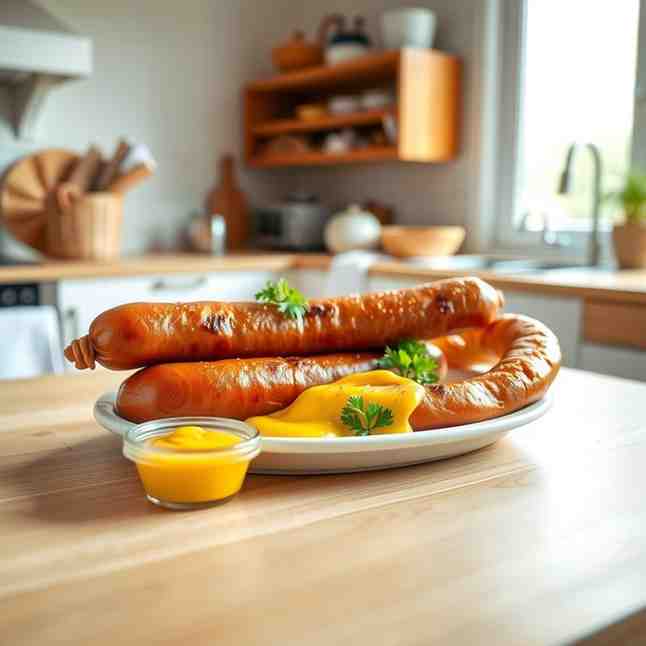
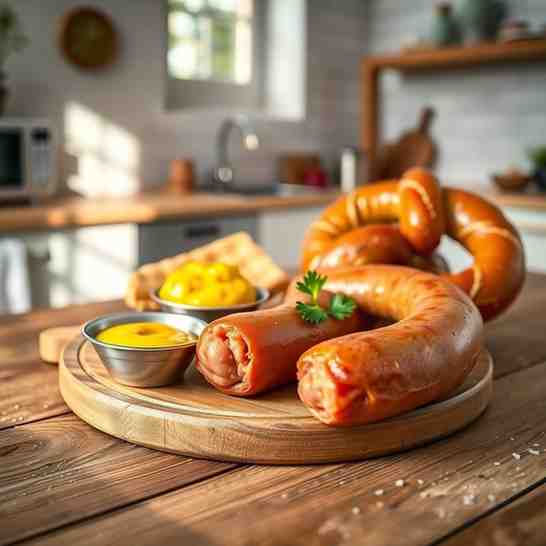
- Serves: 8 People
- Prepare Time: 90 minutes
- Cooking Time: 20 minutes
- Calories: -
- Difficulty: Hard
Welcome, fellow food adventurers, to the ultimate guide to crafting your very own traditional weisswurst german sausage right in your kitchen! If you've ever dreamt of experiencing the authentic taste of Bavaria without booking a flight, you're in the right place. Weisswurst, which literally translates to "white sausage," is a beloved Bavarian specialty, a delicate, finely textured sausage traditionally enjoyed before noon. Unlike its bolder cousins, bratwurst or bockwurst, weisswurst boasts a milder flavor profile, a paler appearance, and a unique, almost ethereal texture thanks to its veal and pork fat base, and a precise emulsification process.
This isn't just another homemade sausage recipe; it's your definitive blueprint for mastering the art of home sausage making. We're diving deep into the nuances, sharing the secrets that most recipes overlook, from precise temperature control to the magic of emulsification. Whether you're new to making sausage with a meat grinder or an experienced hands-on cook looking to perfect your technique, this guide delivers one professional, home-friendly recipe designed to give you flawless, authentic Bavarian Weisswurst every single time. Get ready to impress your taste buds and your friends with this incredible homemade sausage spices blend and expert guidance!
Ingredients
Directions
- Prep Meat & Keep Cold (Crucial!): Cut the veal and pork back fat into 1-inch (2.5 cm) cubes. Spread them on a baking sheet and place them in the freezer for 30-45 minutes, or until very firm but not frozen solid. This is vital for clean grinding and preventing fat smear. Keep all your grinding equipment (grinder head, blade, plate) in the freezer during this time as well.
- Grinding Strategy:
- Set up your meat grinder with a medium plate (e.g., 4.5mm or 3/16-inch).
- Grind the chilled veal and pork fat together once.
- Return the ground mixture to the freezer for another 15-20 minutes to chill thoroughly.
- Grind the mixture a second time through the same medium plate. This double grind helps achieve the fine texture characteristic of Weisswurst.
- Emulsification Technique:
- Transfer the twice-ground meat mixture to a stand mixer with the paddle attachment, or a food processor (if doing smaller batches). If using a large food processor (like a bowl cutter), this step is easier.
- Add the salt, white pepper, mace, ginger, lemon zest, and parsley.
- If using the phosphate binder, dissolve it in the ice water first, then add it to the mixture.
- Begin mixing on low speed, gradually adding the ice water (or crushed ice) a little at a time. The goal is to create a fine emulsion – the mixture should become sticky, pale, and have a smooth, paste-like consistency.
- Temperature Monitoring: Throughout this process, monitor the internal temperature of the mixture with a thermometer. It MUST NOT exceed 40°F (4°C). If it gets too warm, stop mixing and return it to the freezer for 10-15 minutes before continuing. Overheating will break the emulsion, resulting in a grainy sausage.
- Seasoning Blending Tips: Mix thoroughly but quickly once the ice water is added. Ensure all spices are evenly distributed for consistent flavor in every bite.
- Stuffing the Casing:
- Rinse your soaked hog casings thoroughly under cool running water, allowing water to run through them to check for holes.
- Carefully load the casing onto the stuffing horn of your sausage stuffer. Leave a small overhang at the end.
- Stuff the emulsified meat mixture into the casings, ensuring a firm but not overly tight fill. You want the sausages to be plump but still have a little give to prevent bursting during poaching.
- Air Removal: As you stuff, gently prick any visible air pockets with a sterile sausage pricker or needle to prevent air bubbles, which can lead to spoilage or bursting.
- Linking Sausages Properly:
- Once the entire casing is stuffed, gently pinch and twist the sausage at 4-5 inch (10-12 cm) intervals to form individual links. Twist in alternating directions for each link to secure them.
- You can tie off the ends with butcher's twine for extra security.
- Poaching Method (Precise Temps & Times):
- Bring a large pot of water to a temperature of 170-175°F (77-79°C). Do not let it boil!
- Carefully add the linked Weisswurst to the hot water. Ensure they are fully submerged.
- Maintain the water temperature between 170-175°F (77-79°C) and poach for 15-20 minutes, or until the internal temperature of the sausages reaches 150-155°F (65-68°C). Use an instant-read thermometer.
- Remove the sausages from the water and immediately plunge them into an ice bath to stop the cooking process and set their shape.
- Serving Warm: Weisswurst is traditionally served warm, never grilled or browned. Once cooled, you can gently reheat them in simmering water (not boiling) for a few minutes before serving.
Weisswurst German Sausage Recipe - Make It At Home
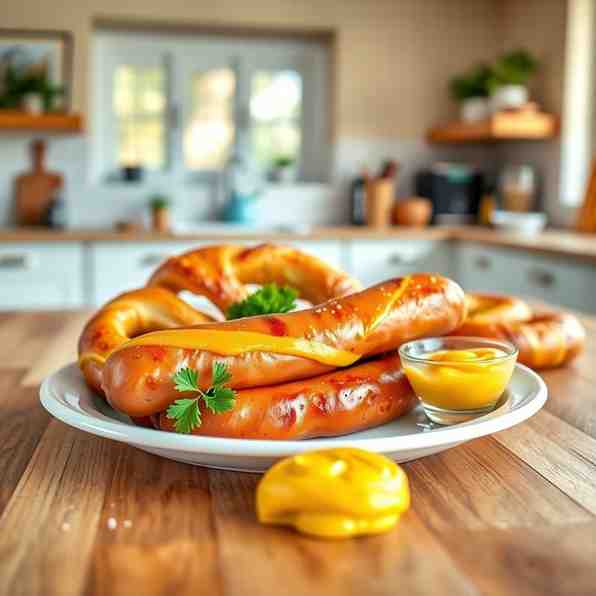
- Serves: 8 People
- Prepare Time: 90 minutes
- Cooking Time: 20 minutes
- Calories: -
- Difficulty: Hard
Welcome, fellow food adventurers, to the ultimate guide to crafting your very own traditional weisswurst german sausage right in your kitchen! If you've ever dreamt of experiencing the authentic taste of Bavaria without booking a flight, you're in the right place. Weisswurst, which literally translates to "white sausage," is a beloved Bavarian specialty, a delicate, finely textured sausage traditionally enjoyed before noon. Unlike its bolder cousins, bratwurst or bockwurst, weisswurst boasts a milder flavor profile, a paler appearance, and a unique, almost ethereal texture thanks to its veal and pork fat base, and a precise emulsification process.
This isn't just another homemade sausage recipe; it's your definitive blueprint for mastering the art of home sausage making. We're diving deep into the nuances, sharing the secrets that most recipes overlook, from precise temperature control to the magic of emulsification. Whether you're new to making sausage with a meat grinder or an experienced hands-on cook looking to perfect your technique, this guide delivers one professional, home-friendly recipe designed to give you flawless, authentic Bavarian Weisswurst every single time. Get ready to impress your taste buds and your friends with this incredible homemade sausage spices blend and expert guidance!
Ingredients
Directions
- Prep Meat & Keep Cold (Crucial!): Cut the veal and pork back fat into 1-inch (2.5 cm) cubes. Spread them on a baking sheet and place them in the freezer for 30-45 minutes, or until very firm but not frozen solid. This is vital for clean grinding and preventing fat smear. Keep all your grinding equipment (grinder head, blade, plate) in the freezer during this time as well.
- Grinding Strategy:
- Set up your meat grinder with a medium plate (e.g., 4.5mm or 3/16-inch).
- Grind the chilled veal and pork fat together once.
- Return the ground mixture to the freezer for another 15-20 minutes to chill thoroughly.
- Grind the mixture a second time through the same medium plate. This double grind helps achieve the fine texture characteristic of Weisswurst.
- Emulsification Technique:
- Transfer the twice-ground meat mixture to a stand mixer with the paddle attachment, or a food processor (if doing smaller batches). If using a large food processor (like a bowl cutter), this step is easier.
- Add the salt, white pepper, mace, ginger, lemon zest, and parsley.
- If using the phosphate binder, dissolve it in the ice water first, then add it to the mixture.
- Begin mixing on low speed, gradually adding the ice water (or crushed ice) a little at a time. The goal is to create a fine emulsion – the mixture should become sticky, pale, and have a smooth, paste-like consistency.
- Temperature Monitoring: Throughout this process, monitor the internal temperature of the mixture with a thermometer. It MUST NOT exceed 40°F (4°C). If it gets too warm, stop mixing and return it to the freezer for 10-15 minutes before continuing. Overheating will break the emulsion, resulting in a grainy sausage.
- Seasoning Blending Tips: Mix thoroughly but quickly once the ice water is added. Ensure all spices are evenly distributed for consistent flavor in every bite.
- Stuffing the Casing:
- Rinse your soaked hog casings thoroughly under cool running water, allowing water to run through them to check for holes.
- Carefully load the casing onto the stuffing horn of your sausage stuffer. Leave a small overhang at the end.
- Stuff the emulsified meat mixture into the casings, ensuring a firm but not overly tight fill. You want the sausages to be plump but still have a little give to prevent bursting during poaching.
- Air Removal: As you stuff, gently prick any visible air pockets with a sterile sausage pricker or needle to prevent air bubbles, which can lead to spoilage or bursting.
- Linking Sausages Properly:
- Once the entire casing is stuffed, gently pinch and twist the sausage at 4-5 inch (10-12 cm) intervals to form individual links. Twist in alternating directions for each link to secure them.
- You can tie off the ends with butcher's twine for extra security.
- Poaching Method (Precise Temps & Times):
- Bring a large pot of water to a temperature of 170-175°F (77-79°C). Do not let it boil!
- Carefully add the linked Weisswurst to the hot water. Ensure they are fully submerged.
- Maintain the water temperature between 170-175°F (77-79°C) and poach for 15-20 minutes, or until the internal temperature of the sausages reaches 150-155°F (65-68°C). Use an instant-read thermometer.
- Remove the sausages from the water and immediately plunge them into an ice bath to stop the cooking process and set their shape.
- Serving Warm: Weisswurst is traditionally served warm, never grilled or browned. Once cooled, you can gently reheat them in simmering water (not boiling) for a few minutes before serving.
You may also like



Hey there! I’m just someone who seriously loves good food and believes that cooking doesn’t have to be complicated to be amazing. Whether it’s a quick weeknight dinner or a cozy weekend meal, I’m all about sharing easy, tasty recipes that actually work.



