
Káposztás Tészta - Easy Hungarian Cabbage & Noodles Recipe
Káposztás Tészta - Easy Hungarian Cabbage & Noodles Recipe
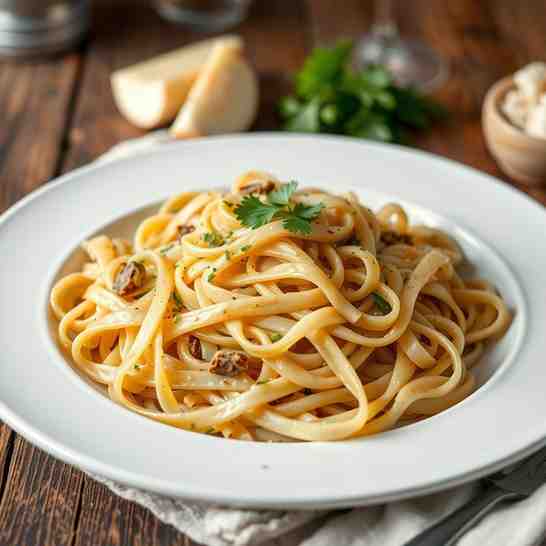
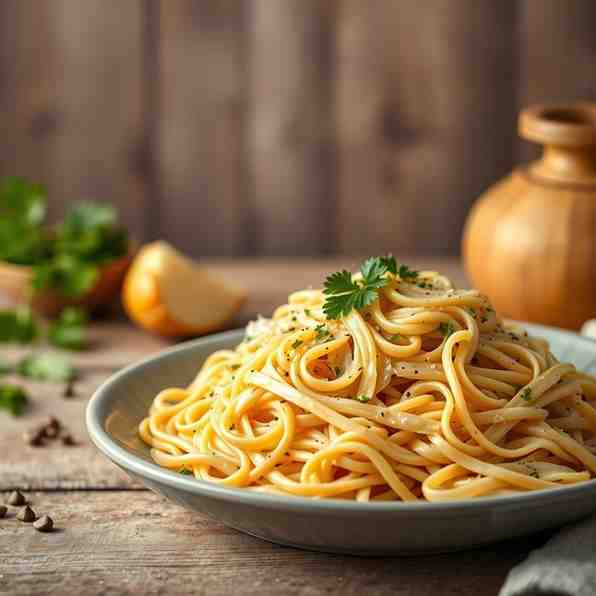
- Serves: 4 People
- Prepare Time: 20 minutes
- Cooking Time: 35 minutes
- Calories: -
- Difficulty: Easy
Welcome to the comforting world of Hungarian Cabbage and Noodles, affectionately known as Káposztás Tészta! This beloved Hungarian dish is a testament to how simple ingredients can create something truly extraordinary. Imagine tender, sweet caramelized cabbage mingling with soft, savory egg noodles, all brought to life with a generous hand of freshly ground black pepper. It's a vegetarian main dish recipe that's both hearty and incredibly satisfying, making it a perfect easy delicious recipe for any night of the week.
If you're looking to explore traditional Hungarian comfort food recipes or simply discover dishes to make with noodles and humble cabbage, you've come to the right place. In this guide, we'll walk you through every step to master this classic. You'll learn the secrets to browning cabbage beautifully without burning, discover the best noodle swaps for when you can't find the traditional kind, and get all the tips for storing your delicious leftovers. Get ready to add this incredible cabbage main dish recipe to your repertoire – it’s a recipe made with simple ingredients that delivers big on flavor!
Ingredients
Directions
- Prep the cabbage (and control moisture)The secret to perfectly browned cabbage starts with proper preparation.
- How to shred: Core the cabbage, then either slice it into thin strips (about ¼-inch thick) with a chef's knife or use a box grater or mandoline for even thinner shreds. Thinness is key for quick cooking and caramelization.
- Salt-rest-squeeze method: Place the shredded cabbage in a large colander set over a bowl. Sprinkle generously with 1 tablespoon of kosher salt and toss to combine. Let it rest for at least 30 minutes (or up to an hour). This draws out excess moisture.
- What “right dryness” feels like: After resting, firmly squeeze handfuls of cabbage over the sink or bowl to remove as much liquid as possible. You should feel a significant amount of water come out. The cabbage should feel noticeably drier, but not brittle. This step is crucial for browning, not steaming!
- Caramelize the cabbage + onionThis is where the flavor truly develops!
- Start with fat + onion, then cabbage: In a large, wide skillet or Dutch oven (the wider the surface, the better for browning), melt the butter with the neutral oil over medium heat. Add the chopped yellow onion and cook until softened and translucent, about 5-7 minutes.
- Add the cabbage: Add the squeezed cabbage to the skillet. It will look like a lot, but it will cook down significantly. Stir well to combine with the onions and fat.
- When to add sugar: Sprinkle 1-2 teaspoons of sugar over the cabbage. This helps kickstart the caramelization process and enhances the natural sweetness of the cabbage.
- How often to stir: Cook the cabbage over medium-low to medium heat, stirring every 5-7 minutes. Don't stir too frequently; you want the cabbage to have time to develop a lovely brown crust on the bottom.
- Browning targets: Continue cooking for 25-35 minutes, or until the cabbage transforms from a pale green to a beautiful, deep caramel brown. It should be soft, silky, and fragrant. Avoid letting it burn to black; aim for rich golden to deep amber hues.
- Boil the noodlesWhile the cabbage caramelizes, prepare your noodles.
- Salt the water: Bring a large pot of generously salted water to a rolling boil.
- Cook to al dente: Add the egg noodles and cook according to package directions until al dente – tender but still with a slight bite.
- Reserve pasta water: Before draining, scoop out about ½ cup of the starchy pasta water. This will be used later to help bind the dish. Drain the remaining water from the noodles.
- Toss + finishBringing it all together!
- Combine noodles + cabbage: Add the drained noodles directly to the skillet with the caramelized cabbage and onions.
- Add a splash of pasta water: Pour in a splash (about ¼ cup) of the reserved pasta water. This helps create a light sauce, preventing the dish from being too dry and allowing the flavors to meld. Toss everything together gently.
- Season boldly with black pepper: This dish is known for its pepper-forward flavor. Grind in a generous amount of fresh black pepper – at least 1 teaspoon, but often more to your liking.
- Taste and adjust salt: Taste the Káposztás Tészta and adjust salt as needed. Remember, you salted the cabbage in Step 1, so it might not need much more.
Káposztás Tészta - Easy Hungarian Cabbage & Noodles Recipe
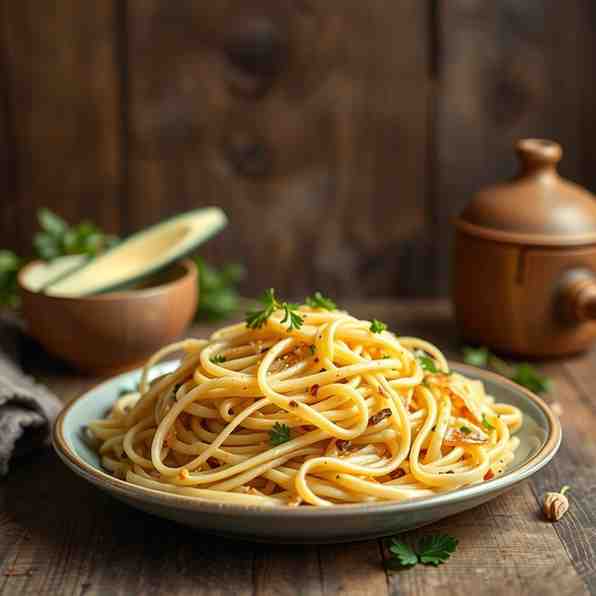
- Serves: 4 People
- Prepare Time: 20 minutes
- Cooking Time: 35 minutes
- Calories: -
- Difficulty: Easy
Welcome to the comforting world of Hungarian Cabbage and Noodles, affectionately known as Káposztás Tészta! This beloved Hungarian dish is a testament to how simple ingredients can create something truly extraordinary. Imagine tender, sweet caramelized cabbage mingling with soft, savory egg noodles, all brought to life with a generous hand of freshly ground black pepper. It's a vegetarian main dish recipe that's both hearty and incredibly satisfying, making it a perfect easy delicious recipe for any night of the week.
If you're looking to explore traditional Hungarian comfort food recipes or simply discover dishes to make with noodles and humble cabbage, you've come to the right place. In this guide, we'll walk you through every step to master this classic. You'll learn the secrets to browning cabbage beautifully without burning, discover the best noodle swaps for when you can't find the traditional kind, and get all the tips for storing your delicious leftovers. Get ready to add this incredible cabbage main dish recipe to your repertoire – it’s a recipe made with simple ingredients that delivers big on flavor!
Ingredients
Directions
- Prep the cabbage (and control moisture)The secret to perfectly browned cabbage starts with proper preparation.
- How to shred: Core the cabbage, then either slice it into thin strips (about ¼-inch thick) with a chef's knife or use a box grater or mandoline for even thinner shreds. Thinness is key for quick cooking and caramelization.
- Salt-rest-squeeze method: Place the shredded cabbage in a large colander set over a bowl. Sprinkle generously with 1 tablespoon of kosher salt and toss to combine. Let it rest for at least 30 minutes (or up to an hour). This draws out excess moisture.
- What “right dryness” feels like: After resting, firmly squeeze handfuls of cabbage over the sink or bowl to remove as much liquid as possible. You should feel a significant amount of water come out. The cabbage should feel noticeably drier, but not brittle. This step is crucial for browning, not steaming!
- Caramelize the cabbage + onionThis is where the flavor truly develops!
- Start with fat + onion, then cabbage: In a large, wide skillet or Dutch oven (the wider the surface, the better for browning), melt the butter with the neutral oil over medium heat. Add the chopped yellow onion and cook until softened and translucent, about 5-7 minutes.
- Add the cabbage: Add the squeezed cabbage to the skillet. It will look like a lot, but it will cook down significantly. Stir well to combine with the onions and fat.
- When to add sugar: Sprinkle 1-2 teaspoons of sugar over the cabbage. This helps kickstart the caramelization process and enhances the natural sweetness of the cabbage.
- How often to stir: Cook the cabbage over medium-low to medium heat, stirring every 5-7 minutes. Don't stir too frequently; you want the cabbage to have time to develop a lovely brown crust on the bottom.
- Browning targets: Continue cooking for 25-35 minutes, or until the cabbage transforms from a pale green to a beautiful, deep caramel brown. It should be soft, silky, and fragrant. Avoid letting it burn to black; aim for rich golden to deep amber hues.
- Boil the noodlesWhile the cabbage caramelizes, prepare your noodles.
- Salt the water: Bring a large pot of generously salted water to a rolling boil.
- Cook to al dente: Add the egg noodles and cook according to package directions until al dente – tender but still with a slight bite.
- Reserve pasta water: Before draining, scoop out about ½ cup of the starchy pasta water. This will be used later to help bind the dish. Drain the remaining water from the noodles.
- Toss + finishBringing it all together!
- Combine noodles + cabbage: Add the drained noodles directly to the skillet with the caramelized cabbage and onions.
- Add a splash of pasta water: Pour in a splash (about ¼ cup) of the reserved pasta water. This helps create a light sauce, preventing the dish from being too dry and allowing the flavors to meld. Toss everything together gently.
- Season boldly with black pepper: This dish is known for its pepper-forward flavor. Grind in a generous amount of fresh black pepper – at least 1 teaspoon, but often more to your liking.
- Taste and adjust salt: Taste the Káposztás Tészta and adjust salt as needed. Remember, you salted the cabbage in Step 1, so it might not need much more.
You may also like




Hey there! I’m just someone who seriously loves good food and believes that cooking doesn’t have to be complicated to be amazing. Whether it’s a quick weeknight dinner or a cozy weekend meal, I’m all about sharing easy, tasty recipes that actually work.