Easy Plantain Recipe - Fried Sweet Plátanos Maduros (Costa Rican Style)
Easy Plantain Recipe - Fried Sweet Plátanos Maduros (Costa Rican Style)
- Serves: 4 People
- Prepare Time: 10 minutes
- Cooking Time: 15 minutes
- Calories: -
- Difficulty: Easy
Welcome to the sunny flavors of Costa Rica! If you're looking for an easy plantain recipe that delivers big on taste with minimal fuss, you've hit the jackpot. We're diving into the delightful world of Plátanos Maduros, those wonderfully sweet, caramelized fried plantains that are a beloved staple in every Costa Rican kitchen. Imagine a side dish that's ready in about 15 minutes, uses just three core ingredients, and perfectly complements everything from a hearty casado to a simple breakfast of gallo pinto and eggs.
This isn't just any recipe for fried bananas (because plantains are definitely not bananas!). We're going to show you the authentic way to achieve those perfectly soft, custardy centers and beautifully caramelized edges, all thanks to the magic of a cast iron skillet. Whether you're a beginner cook or just looking for simple plantain recipes to expand your repertoire, this guide is packed with step-by-step instructions, real-life tips, and troubleshooting advice to make sure your maduros are pura vida perfect every time. Get ready to enjoy one of the most satisfying sweet treat recipes Costa Rica has to offer!
Before we get cooking, let's clear up a common question: what exactly are plátanos maduros? Simply put, plantains are a starchy cousin to the banana. While green, they're firm and savory, often used like a vegetable. But "maduros" means "ripe" or "sweet" in Spanish, and that's when these fruits truly shine! As they ripen, their starches convert to sugars, transforming them into a naturally sweet, soft, and utterly delicious treat.
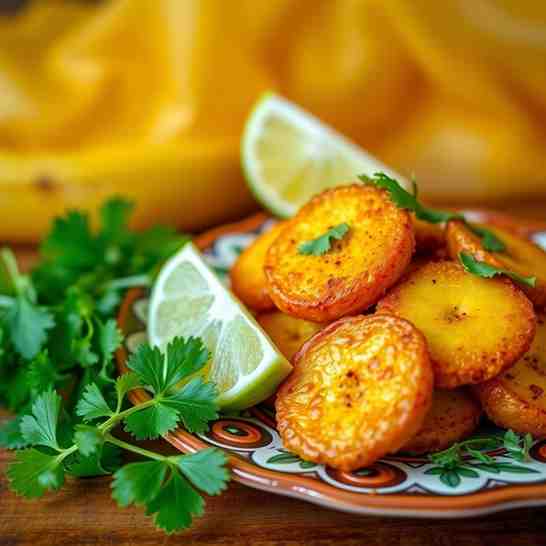
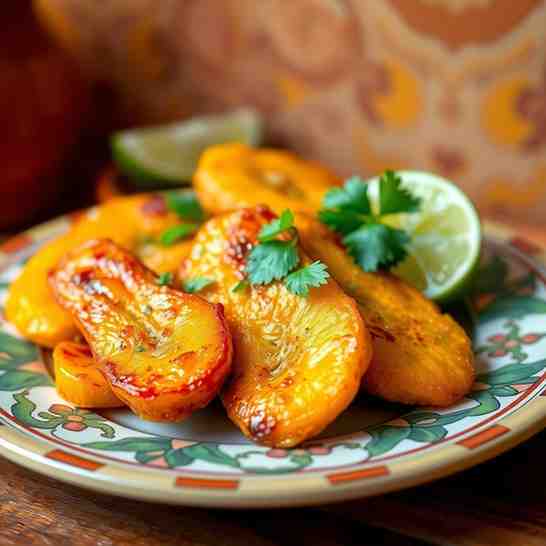
Across Latin America, ripe plantains are enjoyed in countless ways, but in Costa Rica, they're an indispensable side, often found next to a traditional casado plate or served with gallo pinto and eggs for breakfast. When perfectly fried, they boast a soft, custardy interior with beautifully caramelized, slightly blistered edges, offering a delightful salty-sweet balance that's truly irresistible.
Getting your plantains just right is key to perfect maduros. Here’s what you need to know:
For maduros, you want ripe plantains. Look for skins that are mostly yellow with lots of black spots, or even almost entirely black. They should feel soft to the touch when you give them a gentle squeeze, but not mushy or leaky. A good rule of thumb: the blacker the skin, the sweeter and softer the maduro will be.
What if you can only find green plantains? No worries! They just need some time to ripen.
To ripen faster: Leave green plantains on your countertop in a warm spot. They can take anywhere from 1 to 2 weeks to fully ripen. You can speed this up by placing them in a paper bag, loosely closed. The ethylene gas they release will help them ripen quicker.
Natural ripening is best: While you can "oven ripen" plantains as a last resort, naturally ripened plantains always offer the best flavor and texture.
To slow down ripening: Once your plantains reach your desired ripeness, pop them in the refrigerator. This will significantly slow down the ripening process.
If your plantains are so soft they're practically falling apart or leaking, they might be a bit too ripe for frying slices. These extra-soft beauties are often better suited for mashing, baking into bread, or simmering into syrupy desserts.
When it comes to frying plátanos maduros, a cast iron skillet is truly your best friend.
Cast iron skillets are champions at retaining heat. This means when you add cooler plantain slices to the hot oil, the pan's temperature won't drop dramatically. This consistent heat is crucial for achieving that beautiful, even caramelization and crispy crust on your maduros without them getting greasy.
We recommend a 10-12 inch cast iron skillet. You'll want enough neutral, high smoke-point oil in the pan to come about halfway up the sides of your plantain slices. This ensures they fry beautifully and evenly, getting that perfect golden-brown color.
No cast iron? No problem! You can still make delicious maduros in a good quality nonstick or stainless steel pan. Just be mindful that you might need to adjust your heat more frequently and ensure your pan is well-preheated to achieve similar browning. The key is maintaining a consistent temperature and not overcrowding the pan, keeping the same single workflow for excellent results.
Ingredients
Directions
- Prep the Plantains First, trim off both ends of your ripe plantains. Next, score the peel lengthwise along one side, being careful not to cut too deeply into the flesh. Use your fingers to gently peel back the skin. Once peeled, slice each plantain on a diagonal into even pieces, about ½-inch thick. Consistency in thickness is important here – it ensures all your plantains cook evenly.
- Heat the Cast Iron Skillet Place your cast iron skillet over medium to medium-low heat. Pour in your neutral oil. Allow the oil to preheat for several minutes until it shimmers and looks slightly wavy. To test if it's ready, carefully dip the edge of a plantain slice into the oil; it should sizzle gently. If it smokes, your oil is too hot – remove from heat, let it cool slightly, and then reduce the heat.
- First Side: Build Color & Crust Carefully arrange the plantain slices in a single layer in the hot oil. Don't overcrowd the pan; if necessary, work in batches. Fry for about 2-3 minutes on the first side. You're looking for a deep golden color at the edges and a slightly blistered appearance. The aroma will be sweet and inviting!
- Flip & Finish Gently Using tongs, carefully flip each plantain slice to cook the other side. If you notice they're browning too quickly, gently reduce the heat slightly. Continue to fry until both sides are beautifully caramelized and the center feels wonderfully soft when poked with tongs. This usually takes another 2-3 minutes.
- Drain & Season Once cooked to perfection, transfer the fried plantain slices to a wire rack set over a paper towel-lined plate. This allows any excess oil to drip off quickly, preventing them from becoming soggy or sticking to the paper towel like some recipes warn against. Immediately sprinkle them with fine salt. For an extra touch of sweetness, you can drizzle them with honey or maple syrup, or add a tiny pinch of sugar or cinnamon at the table. Serve them warm and enjoy!
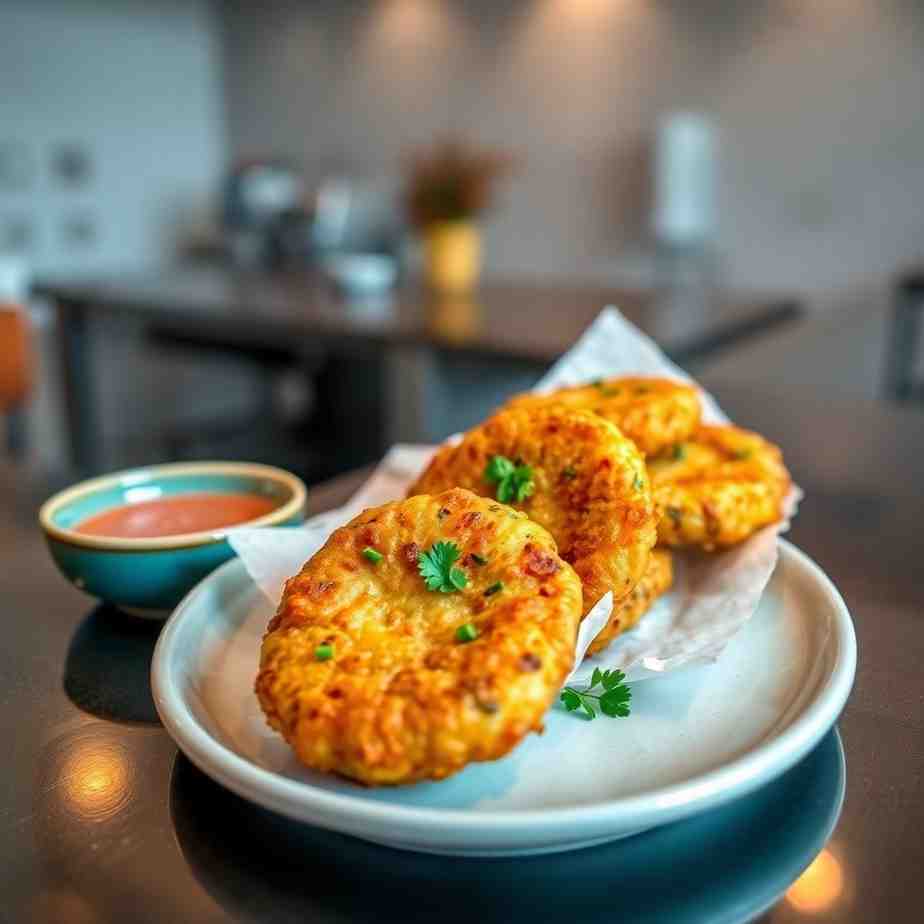
- Done-ness Check: Your perfectly cooked Plátanos Maduros should have a rich, deep golden-brown color with caramelized, slightly crispy edges. They should feel tender and soft all the way through when poked, and smell wonderfully sweet and inviting.
Easy Plantain Recipe - Fried Sweet Plátanos Maduros (Costa Rican Style)
.jpg)
- Serves: 4 People
- Prepare Time: 10 minutes
- Cooking Time: 15 minutes
- Calories: -
- Difficulty: Easy
Welcome to the sunny flavors of Costa Rica! If you're looking for an easy plantain recipe that delivers big on taste with minimal fuss, you've hit the jackpot. We're diving into the delightful world of Plátanos Maduros, those wonderfully sweet, caramelized fried plantains that are a beloved staple in every Costa Rican kitchen. Imagine a side dish that's ready in about 15 minutes, uses just three core ingredients, and perfectly complements everything from a hearty casado to a simple breakfast of gallo pinto and eggs.
This isn't just any recipe for fried bananas (because plantains are definitely not bananas!). We're going to show you the authentic way to achieve those perfectly soft, custardy centers and beautifully caramelized edges, all thanks to the magic of a cast iron skillet. Whether you're a beginner cook or just looking for simple plantain recipes to expand your repertoire, this guide is packed with step-by-step instructions, real-life tips, and troubleshooting advice to make sure your maduros are pura vida perfect every time. Get ready to enjoy one of the most satisfying sweet treat recipes Costa Rica has to offer!
Before we get cooking, let's clear up a common question: what exactly are plátanos maduros? Simply put, plantains are a starchy cousin to the banana. While green, they're firm and savory, often used like a vegetable. But "maduros" means "ripe" or "sweet" in Spanish, and that's when these fruits truly shine! As they ripen, their starches convert to sugars, transforming them into a naturally sweet, soft, and utterly delicious treat.
Across Latin America, ripe plantains are enjoyed in countless ways, but in Costa Rica, they're an indispensable side, often found next to a traditional casado plate or served with gallo pinto and eggs for breakfast. When perfectly fried, they boast a soft, custardy interior with beautifully caramelized, slightly blistered edges, offering a delightful salty-sweet balance that's truly irresistible.
Getting your plantains just right is key to perfect maduros. Here’s what you need to know:
For maduros, you want ripe plantains. Look for skins that are mostly yellow with lots of black spots, or even almost entirely black. They should feel soft to the touch when you give them a gentle squeeze, but not mushy or leaky. A good rule of thumb: the blacker the skin, the sweeter and softer the maduro will be.
What if you can only find green plantains? No worries! They just need some time to ripen.
To ripen faster: Leave green plantains on your countertop in a warm spot. They can take anywhere from 1 to 2 weeks to fully ripen. You can speed this up by placing them in a paper bag, loosely closed. The ethylene gas they release will help them ripen quicker.
Natural ripening is best: While you can "oven ripen" plantains as a last resort, naturally ripened plantains always offer the best flavor and texture.
To slow down ripening: Once your plantains reach your desired ripeness, pop them in the refrigerator. This will significantly slow down the ripening process.
If your plantains are so soft they're practically falling apart or leaking, they might be a bit too ripe for frying slices. These extra-soft beauties are often better suited for mashing, baking into bread, or simmering into syrupy desserts.
When it comes to frying plátanos maduros, a cast iron skillet is truly your best friend.
Cast iron skillets are champions at retaining heat. This means when you add cooler plantain slices to the hot oil, the pan's temperature won't drop dramatically. This consistent heat is crucial for achieving that beautiful, even caramelization and crispy crust on your maduros without them getting greasy.
We recommend a 10-12 inch cast iron skillet. You'll want enough neutral, high smoke-point oil in the pan to come about halfway up the sides of your plantain slices. This ensures they fry beautifully and evenly, getting that perfect golden-brown color.
No cast iron? No problem! You can still make delicious maduros in a good quality nonstick or stainless steel pan. Just be mindful that you might need to adjust your heat more frequently and ensure your pan is well-preheated to achieve similar browning. The key is maintaining a consistent temperature and not overcrowding the pan, keeping the same single workflow for excellent results.
Ingredients
Directions
- Prep the Plantains First, trim off both ends of your ripe plantains. Next, score the peel lengthwise along one side, being careful not to cut too deeply into the flesh. Use your fingers to gently peel back the skin. Once peeled, slice each plantain on a diagonal into even pieces, about ½-inch thick. Consistency in thickness is important here – it ensures all your plantains cook evenly.
- Heat the Cast Iron Skillet Place your cast iron skillet over medium to medium-low heat. Pour in your neutral oil. Allow the oil to preheat for several minutes until it shimmers and looks slightly wavy. To test if it's ready, carefully dip the edge of a plantain slice into the oil; it should sizzle gently. If it smokes, your oil is too hot – remove from heat, let it cool slightly, and then reduce the heat.
- First Side: Build Color & Crust Carefully arrange the plantain slices in a single layer in the hot oil. Don't overcrowd the pan; if necessary, work in batches. Fry for about 2-3 minutes on the first side. You're looking for a deep golden color at the edges and a slightly blistered appearance. The aroma will be sweet and inviting!
- Flip & Finish Gently Using tongs, carefully flip each plantain slice to cook the other side. If you notice they're browning too quickly, gently reduce the heat slightly. Continue to fry until both sides are beautifully caramelized and the center feels wonderfully soft when poked with tongs. This usually takes another 2-3 minutes.
- Drain & Season Once cooked to perfection, transfer the fried plantain slices to a wire rack set over a paper towel-lined plate. This allows any excess oil to drip off quickly, preventing them from becoming soggy or sticking to the paper towel like some recipes warn against. Immediately sprinkle them with fine salt. For an extra touch of sweetness, you can drizzle them with honey or maple syrup, or add a tiny pinch of sugar or cinnamon at the table. Serve them warm and enjoy!
- Done-ness Check: Your perfectly cooked Plátanos Maduros should have a rich, deep golden-brown color with caramelized, slightly crispy edges. They should feel tender and soft all the way through when poked, and smell wonderfully sweet and inviting.
You may also like



Hey there! I’m just someone who seriously loves good food and believes that cooking doesn’t have to be complicated to be amazing. Whether it’s a quick weeknight dinner or a cozy weekend meal, I’m all about sharing easy, tasty recipes that actually work.