
Achu Recipe - African Dish
Achu Recipe - African Dish
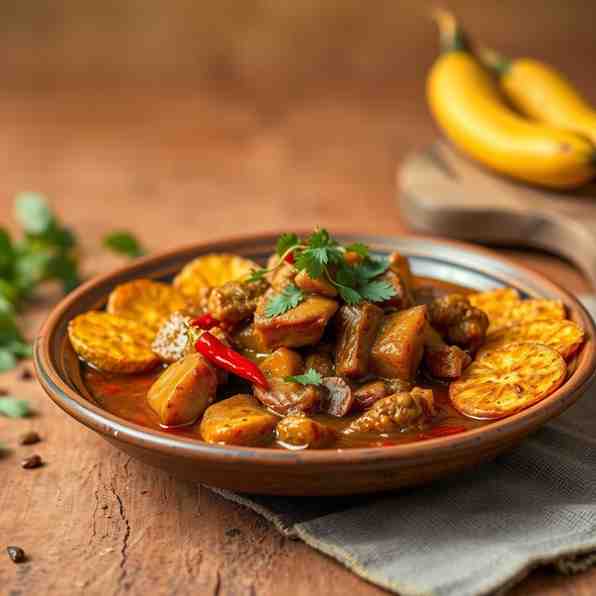
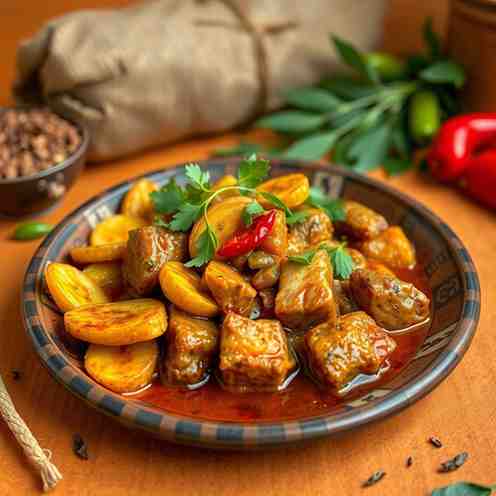
- Serves: 4 People
- Prepare Time: 30 minutes
- Cooking Time: 60 minutes
- Calories: -
- Difficulty: Medium
Welcome to the heart of Central Africa, right in your kitchen! Today, we're diving into one of Cameroon's most cherished and iconic `african dishes recipes`: Achu. This isn't just any `meal to cook at home`; it's a vibrant, comforting, and utterly delicious experience featuring creamy cocoyam paste paired with a rich, glossy yellow soup. Forget bland `home cooked meals` – Achu promises a symphony of flavors that will transport you straight to Cameroon. You'll learn the secrets to perfectly preparing cocoyam, mastering the art of the emulsified yellow soup, and plating this traditional delight like a pro. Whether you're an adventurous beginner looking for `easy to make lunch recipes` or an experienced cook seeking a new `dishes to cook at home` for `cooking for dinner`, this guide is your definitive path to an authentic Achu that will have everyone asking for more. Get ready to create a truly memorable `meat dishes recipes` experience, perhaps even with a kick of `hot pepper scotch bonnet` if you dare!
Ingredients
Directions
- Before You Start (Read This First):
- Safety & Sourcing: Always use food-grade alkali (kanwa or baking soda) sparingly. Unrefined red palm oil can stain, so handle with care. Cocoyams can be tricky to peel; a vegetable peeler or small knife works well, and some people prefer to peel them under running water to minimize irritation.
- Texture Targets: Your cooked cocoyam should be smooth, elastic, and free of lumps. The yellow soup emulsion should be bright, glossy, and perfectly yellow, not separated or oily. This indicates a successful emulsion.
- Let's Get Cooking!
- Make the Stock: In a large pot, combine your beef or assorted meats with chopped onion, minced garlic, and enough water to cover (about 1.5 liters). Bring to a boil, then reduce heat, skim off any foam, and simmer until the meat is tender (1-1.5 hours). Season the stock with salt to taste, ensuring it's flavorful and not bland. Remove the cooked meat pieces and set aside. Strain the stock and keep it warm.
- Cook Cocoyams: Peel the cocoyams, cut them into large chunks, and rinse thoroughly. Place them in a large pot, cover with water, and add a pinch of salt. Bring to a boil, then reduce heat and simmer until the cocoyams are fork-tender and easily pierced with a knife, similar to a soft potato (20-30 minutes). Drain the cocoyams thoroughly in a colander, letting all excess water evaporate.
- Pound/Mix Cocoyam: While the cocoyams are still hot, transfer them to the bowl of a stand mixer fitted with a paddle attachment, or a heavy, sturdy bowl if mixing by hand with a wooden spoon. Begin mixing/pounding on low speed, gradually increasing to medium. The goal is to create a smooth, elastic paste. If using a stand mixer, mix for 5-7 minutes, scraping down the sides as needed. If mixing by hand, vigorous pounding and stirring will be required. A little warm water (1-2 tablespoons at a time) can be added if the mixture is too stiff, but be careful not to make it gummy. The final texture should be smooth, stretchy, and not sticky.
- Emulsify Yellow Soup:
- Measure out about 700ml (3 cups) of your warm, seasoned meat stock.
- In a separate saucepan, gently warm the unrefined red palm oil over low heat until it's just warm to the touch, not hot or smoking.
- In a heatproof bowl or another saucepan, pour the warm stock. Add the tiny amount (¼ teaspoon) of alkali (kanwa or baking soda) and whisk well until dissolved.
- Slowly, in a thin, steady stream, begin to whisk the warm red palm oil into the stock-alkali mixture. Whisk continuously and vigorously. As you whisk, magic happens: the mixture will transform, thickening and turning a beautiful, bright, glossy yellow. This is the emulsion.
- Once emulsified, season the yellow soup with Achu spice/pepper and additional salt to taste.
- Emulsion Rescue: If your soup splits or doesn't turn yellow, it's usually due to insufficient alkali, oil that's too cool, or not enough whisking. To rescue it, gently reheat the soup, add another micro-pinch of alkali (if you suspect it was too little), and vigorously whisk in a tablespoon or two of extra warm stock until it re-emulsifies.
- Plate Achu: Mound a generous portion of the smooth cocoyam paste onto individual serving plates. Use the back of a spoon or your hand (moistened with a little water) to create a slight well in the center of the cocoyam mound.
- Serve: Ladle a generous amount of the glossy yellow soup into the well and around the cocoyam. Arrange the cooked meat pieces on top or alongside. For an authentic kick, offer hot pepper powder on the side for guests to sprinkle on their soup. Achu is traditionally eaten with your hands, scooping up the cocoyam with the soup and meat.
Achu Recipe - African Dish
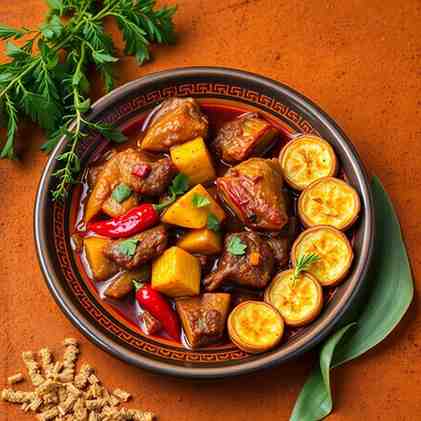
- Serves: 4 People
- Prepare Time: 30 minutes
- Cooking Time: 60 minutes
- Calories: -
- Difficulty: Medium
Welcome to the heart of Central Africa, right in your kitchen! Today, we're diving into one of Cameroon's most cherished and iconic `african dishes recipes`: Achu. This isn't just any `meal to cook at home`; it's a vibrant, comforting, and utterly delicious experience featuring creamy cocoyam paste paired with a rich, glossy yellow soup. Forget bland `home cooked meals` – Achu promises a symphony of flavors that will transport you straight to Cameroon. You'll learn the secrets to perfectly preparing cocoyam, mastering the art of the emulsified yellow soup, and plating this traditional delight like a pro. Whether you're an adventurous beginner looking for `easy to make lunch recipes` or an experienced cook seeking a new `dishes to cook at home` for `cooking for dinner`, this guide is your definitive path to an authentic Achu that will have everyone asking for more. Get ready to create a truly memorable `meat dishes recipes` experience, perhaps even with a kick of `hot pepper scotch bonnet` if you dare!
Ingredients
Directions
- Before You Start (Read This First):
- Safety & Sourcing: Always use food-grade alkali (kanwa or baking soda) sparingly. Unrefined red palm oil can stain, so handle with care. Cocoyams can be tricky to peel; a vegetable peeler or small knife works well, and some people prefer to peel them under running water to minimize irritation.
- Texture Targets: Your cooked cocoyam should be smooth, elastic, and free of lumps. The yellow soup emulsion should be bright, glossy, and perfectly yellow, not separated or oily. This indicates a successful emulsion.
- Let's Get Cooking!
- Make the Stock: In a large pot, combine your beef or assorted meats with chopped onion, minced garlic, and enough water to cover (about 1.5 liters). Bring to a boil, then reduce heat, skim off any foam, and simmer until the meat is tender (1-1.5 hours). Season the stock with salt to taste, ensuring it's flavorful and not bland. Remove the cooked meat pieces and set aside. Strain the stock and keep it warm.
- Cook Cocoyams: Peel the cocoyams, cut them into large chunks, and rinse thoroughly. Place them in a large pot, cover with water, and add a pinch of salt. Bring to a boil, then reduce heat and simmer until the cocoyams are fork-tender and easily pierced with a knife, similar to a soft potato (20-30 minutes). Drain the cocoyams thoroughly in a colander, letting all excess water evaporate.
- Pound/Mix Cocoyam: While the cocoyams are still hot, transfer them to the bowl of a stand mixer fitted with a paddle attachment, or a heavy, sturdy bowl if mixing by hand with a wooden spoon. Begin mixing/pounding on low speed, gradually increasing to medium. The goal is to create a smooth, elastic paste. If using a stand mixer, mix for 5-7 minutes, scraping down the sides as needed. If mixing by hand, vigorous pounding and stirring will be required. A little warm water (1-2 tablespoons at a time) can be added if the mixture is too stiff, but be careful not to make it gummy. The final texture should be smooth, stretchy, and not sticky.
- Emulsify Yellow Soup:
- Measure out about 700ml (3 cups) of your warm, seasoned meat stock.
- In a separate saucepan, gently warm the unrefined red palm oil over low heat until it's just warm to the touch, not hot or smoking.
- In a heatproof bowl or another saucepan, pour the warm stock. Add the tiny amount (¼ teaspoon) of alkali (kanwa or baking soda) and whisk well until dissolved.
- Slowly, in a thin, steady stream, begin to whisk the warm red palm oil into the stock-alkali mixture. Whisk continuously and vigorously. As you whisk, magic happens: the mixture will transform, thickening and turning a beautiful, bright, glossy yellow. This is the emulsion.
- Once emulsified, season the yellow soup with Achu spice/pepper and additional salt to taste.
- Emulsion Rescue: If your soup splits or doesn't turn yellow, it's usually due to insufficient alkali, oil that's too cool, or not enough whisking. To rescue it, gently reheat the soup, add another micro-pinch of alkali (if you suspect it was too little), and vigorously whisk in a tablespoon or two of extra warm stock until it re-emulsifies.
- Plate Achu: Mound a generous portion of the smooth cocoyam paste onto individual serving plates. Use the back of a spoon or your hand (moistened with a little water) to create a slight well in the center of the cocoyam mound.
- Serve: Ladle a generous amount of the glossy yellow soup into the well and around the cocoyam. Arrange the cooked meat pieces on top or alongside. For an authentic kick, offer hot pepper powder on the side for guests to sprinkle on their soup. Achu is traditionally eaten with your hands, scooping up the cocoyam with the soup and meat.
You may also like



Hey there! I’m just someone who seriously loves good food and believes that cooking doesn’t have to be complicated to be amazing. Whether it’s a quick weeknight dinner or a cozy weekend meal, I’m all about sharing easy, tasty recipes that actually work.