Ekwang Recipe - African Dishes
Ekwang Recipe - African Dishes
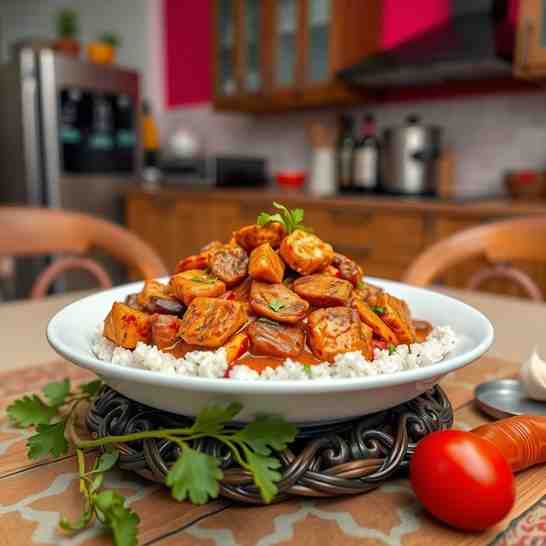
- Serves: 4 People
- Prepare Time: 45 minutes
- Cooking Time: 2 hours
- Calories: -
- Difficulty: Medium
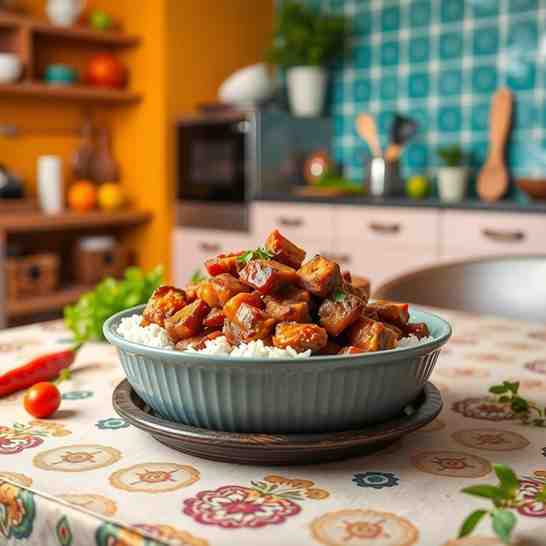
Hey there, food explorers! Are you ready to dive into one of West Africa's most cherished and flavorful culinary secrets? We're talking about Ekwang, a truly authentic Cameroonian dish that combines the earthy goodness of cocoyams and vibrant leafy greens recipes into a rich, spiced palm oil stew. If you've been looking to expand your kitchen repertoire with nutritious meals recipes or simply want to try something new, this African dishes recipes guide is for you!
Ekwang hails from the coastal and forest regions of Cameroon, particularly among the Oroko people, where it's more than just a meal—it's a celebration of flavors and tradition. Unlike other well-known West African staples like Jollof rice or Egusi soup, Ekwang stands out with its unique preparation: grated cocoyam wrapped in tender cocoyam leaves (or a sturdy green like collards!) and gently simmered to perfection. It’s a hearty, comforting dish that’s naturally gluten-free and packed with real, wholesome ingredients.
This particular recipe is designed with the modern home kitchen in mind. We’ll guide you through traditional techniques while offering smart substitutions and clear instructions for everything from prepping ingredients to scaling down for single-serving meals. So whether you’re a seasoned cook or just starting your journey into homemade cooked meals, get ready to discover why Ekwang is about to become your new favorite comfort food. It’s perfect for a cozy weekend cook-up, and trust us, the leftovers are just as delightful!
Ingredients
Directions
- Equipment You’ll Need:
- Large heavy-bottomed pot (like a Dutch oven)
- Grater or food processor/juicer for cocoyam
- Kitchen gloves (highly recommended for cocoyam prep)
- Mixing bowls, cutting board, sharp knife
- Let's get cooking!
- Prep the Smoked Protein & Stock
- Rinse your smoked fish and optional smoked chicken thoroughly under cold water. Place them in a medium pot, cover with about 4 cups of water, and simmer gently for 15-20 minutes to create a light, smoky stock.
- Carefully remove the meat and fish from the pot. Once cool enough to handle, flake the fish, removing any bones, and shred the chicken. Set aside.
- Strain the stock through a fine-mesh sieve to remove any impurities, then reserve it.
- Prepare the Leafy Greens
- Wash your cocoyam leaves or collard greens thoroughly. Trim off any tough stems and thick veins.
- If using collard greens, blanch them briefly in boiling water for 1-2 minutes until slightly softened, then immediately plunge them into an ice bath to stop the cooking and preserve their color. Pat them very dry with a clean towel.
- Cut the prepared leaves into pieces roughly the size of your palm – these will be your wrappers!
- Grate and Aerate the Cocoyam
- Wearing kitchen gloves (cocoyams can cause an itchy sensation!), peel the cocoyams.
- Grate the peeled cocoyams using the fine side of a box grater, or process them in a food processor until you have a smooth, sticky paste.
- Transfer the paste to a large mixing bowl. Beat it vigorously with a spoon or your hands (still gloved!) for several minutes to incorporate air until it becomes slightly fluffy and less dense. Season lightly with a pinch of salt and a tiny bit of bouillon if you like.
- Grease the Pot & Start Wrapping
- Grease the base and sides of your large heavy-bottomed pot with a generous amount of palm oil (about 1/4 cup). This prevents sticking and infuses flavor from the start.
- Take one of your prepared leaf pieces. Place a spoonful of the cocoyam paste in the center.
- Carefully roll the leaf tightly into a small log, ensuring the paste is fully enclosed and doesn't spill out. Repeat this process until all the cocoyam paste is used up.
- Layer Ekwang, Protein & Crayfish
- Begin arranging the wrapped cocoyam rolls in the greased pot. Place them in a neat, criss-cross pattern, starting from the outside and working your way in. This helps them cook evenly and prevents sticking.
- Once you’ve completed the first layer of rolls, scatter some of your flaked smoked fish/shredded chicken and a sprinkle of ground crayfish over them.
- Continue layering the remaining cocoyam rolls, smoked protein, and crayfish until all ingredients are used, ending with a layer of rolls if possible.
- Season the Pot
- In a small blender or mortar, blend your Scotch bonnet pepper (and bush pepper/country onion if using, otherwise use black pepper and onion powder) with a tiny bit of water to form a paste.
- Pour this blended pepper mixture over the layered Ekwang.
- Add the remaining palm oil by drizzling it evenly over the top.
- Sprinkle in some salt and any remaining bouillon.
- Start the Simmer (Don’t Stir!)
- Carefully pour just enough of your reserved smoked stock (or water) into the pot to come about halfway up the Ekwang rolls. You don't want to completely submerge them yet.
- Bring the pot to a gentle simmer over medium-low heat. Cover and let it cook for about 30-45 minutes. During this time, the cocoyam rolls will firm up, and their tips might start to change color.
- Once the rolls have set, add more stock or water until the rolls are nearly covered. Continue to simmer gently, covered, for another 1 to 1.5 hours, or until the cocoyam is completely tender.
- Finish the Sauce
- Once the cocoyam is fully cooked and set, check the consistency of the sauce. If it's too thin, you can uncover and let it reduce slightly. If it's too thick, add a little more stock. You want a rich, glossy sauce, not too soupy.
- Carefully check the seasoning. Adjust salt and pepper as needed.
- To distribute the flavors without breaking the delicate rolls, gently tilt or shake the pot. Crucially, avoid stirring at this stage, as it can cause the rolls to disintegrate.
- How To Tell It’s Done
- Visual & Texture Cues:
- The Ekwang rolls should hold their shape firmly when you gently lift one with a spoon.
- The sauce should be thick, glossy, and beautifully colored with the palm oil.
- The leafy greens wrapping the cocoyam should be fully tender, not tough or fibrous.
- Serve
- Carefully spoon portions of Ekwang into shallow bowls, making sure each serving gets plenty of the rich sauce and some of the smoked protein.
- Suggested Garnishes: If culturally appropriate, you can garnish with a drizzle of extra palm oil, a sprinkle of fresh chopped herbs like cilantro, or a few slices of mild bell pepper for color.
Ekwang Recipe - African Dishes
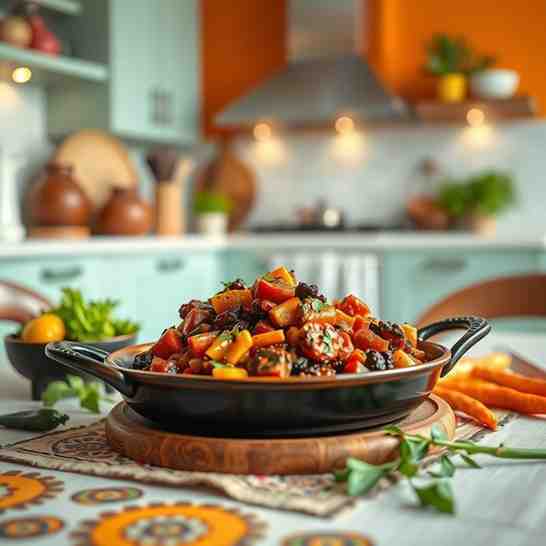
- Serves: 4 People
- Prepare Time: 45 minutes
- Cooking Time: 2 hours
- Calories: -
- Difficulty: Medium
Hey there, food explorers! Are you ready to dive into one of West Africa's most cherished and flavorful culinary secrets? We're talking about Ekwang, a truly authentic Cameroonian dish that combines the earthy goodness of cocoyams and vibrant leafy greens recipes into a rich, spiced palm oil stew. If you've been looking to expand your kitchen repertoire with nutritious meals recipes or simply want to try something new, this African dishes recipes guide is for you!
Ekwang hails from the coastal and forest regions of Cameroon, particularly among the Oroko people, where it's more than just a meal—it's a celebration of flavors and tradition. Unlike other well-known West African staples like Jollof rice or Egusi soup, Ekwang stands out with its unique preparation: grated cocoyam wrapped in tender cocoyam leaves (or a sturdy green like collards!) and gently simmered to perfection. It’s a hearty, comforting dish that’s naturally gluten-free and packed with real, wholesome ingredients.
This particular recipe is designed with the modern home kitchen in mind. We’ll guide you through traditional techniques while offering smart substitutions and clear instructions for everything from prepping ingredients to scaling down for single-serving meals. So whether you’re a seasoned cook or just starting your journey into homemade cooked meals, get ready to discover why Ekwang is about to become your new favorite comfort food. It’s perfect for a cozy weekend cook-up, and trust us, the leftovers are just as delightful!
Ingredients
Directions
- Equipment You’ll Need:
- Large heavy-bottomed pot (like a Dutch oven)
- Grater or food processor/juicer for cocoyam
- Kitchen gloves (highly recommended for cocoyam prep)
- Mixing bowls, cutting board, sharp knife
- Let's get cooking!
- Prep the Smoked Protein & Stock
- Rinse your smoked fish and optional smoked chicken thoroughly under cold water. Place them in a medium pot, cover with about 4 cups of water, and simmer gently for 15-20 minutes to create a light, smoky stock.
- Carefully remove the meat and fish from the pot. Once cool enough to handle, flake the fish, removing any bones, and shred the chicken. Set aside.
- Strain the stock through a fine-mesh sieve to remove any impurities, then reserve it.
- Prepare the Leafy Greens
- Wash your cocoyam leaves or collard greens thoroughly. Trim off any tough stems and thick veins.
- If using collard greens, blanch them briefly in boiling water for 1-2 minutes until slightly softened, then immediately plunge them into an ice bath to stop the cooking and preserve their color. Pat them very dry with a clean towel.
- Cut the prepared leaves into pieces roughly the size of your palm – these will be your wrappers!
- Grate and Aerate the Cocoyam
- Wearing kitchen gloves (cocoyams can cause an itchy sensation!), peel the cocoyams.
- Grate the peeled cocoyams using the fine side of a box grater, or process them in a food processor until you have a smooth, sticky paste.
- Transfer the paste to a large mixing bowl. Beat it vigorously with a spoon or your hands (still gloved!) for several minutes to incorporate air until it becomes slightly fluffy and less dense. Season lightly with a pinch of salt and a tiny bit of bouillon if you like.
- Grease the Pot & Start Wrapping
- Grease the base and sides of your large heavy-bottomed pot with a generous amount of palm oil (about 1/4 cup). This prevents sticking and infuses flavor from the start.
- Take one of your prepared leaf pieces. Place a spoonful of the cocoyam paste in the center.
- Carefully roll the leaf tightly into a small log, ensuring the paste is fully enclosed and doesn't spill out. Repeat this process until all the cocoyam paste is used up.
- Layer Ekwang, Protein & Crayfish
- Begin arranging the wrapped cocoyam rolls in the greased pot. Place them in a neat, criss-cross pattern, starting from the outside and working your way in. This helps them cook evenly and prevents sticking.
- Once you’ve completed the first layer of rolls, scatter some of your flaked smoked fish/shredded chicken and a sprinkle of ground crayfish over them.
- Continue layering the remaining cocoyam rolls, smoked protein, and crayfish until all ingredients are used, ending with a layer of rolls if possible.
- Season the Pot
- In a small blender or mortar, blend your Scotch bonnet pepper (and bush pepper/country onion if using, otherwise use black pepper and onion powder) with a tiny bit of water to form a paste.
- Pour this blended pepper mixture over the layered Ekwang.
- Add the remaining palm oil by drizzling it evenly over the top.
- Sprinkle in some salt and any remaining bouillon.
- Start the Simmer (Don’t Stir!)
- Carefully pour just enough of your reserved smoked stock (or water) into the pot to come about halfway up the Ekwang rolls. You don't want to completely submerge them yet.
- Bring the pot to a gentle simmer over medium-low heat. Cover and let it cook for about 30-45 minutes. During this time, the cocoyam rolls will firm up, and their tips might start to change color.
- Once the rolls have set, add more stock or water until the rolls are nearly covered. Continue to simmer gently, covered, for another 1 to 1.5 hours, or until the cocoyam is completely tender.
- Finish the Sauce
- Once the cocoyam is fully cooked and set, check the consistency of the sauce. If it's too thin, you can uncover and let it reduce slightly. If it's too thick, add a little more stock. You want a rich, glossy sauce, not too soupy.
- Carefully check the seasoning. Adjust salt and pepper as needed.
- To distribute the flavors without breaking the delicate rolls, gently tilt or shake the pot. Crucially, avoid stirring at this stage, as it can cause the rolls to disintegrate.
- How To Tell It’s Done
- Visual & Texture Cues:
- The Ekwang rolls should hold their shape firmly when you gently lift one with a spoon.
- The sauce should be thick, glossy, and beautifully colored with the palm oil.
- The leafy greens wrapping the cocoyam should be fully tender, not tough or fibrous.
- Serve
- Carefully spoon portions of Ekwang into shallow bowls, making sure each serving gets plenty of the rich sauce and some of the smoked protein.
- Suggested Garnishes: If culturally appropriate, you can garnish with a drizzle of extra palm oil, a sprinkle of fresh chopped herbs like cilantro, or a few slices of mild bell pepper for color.
You may also like

Hey there! I’m just someone who seriously loves good food and believes that cooking doesn’t have to be complicated to be amazing. Whether it’s a quick weeknight dinner or a cozy weekend meal, I’m all about sharing easy, tasty recipes that actually work.