Cameroon Okok Recipe - A Traditional African Delight
Cameroon Okok Recipe - A Traditional African Delight
- Serves: 6 People
- Prepare Time: 45 minutes
- Cooking Time: 75 minutes
- Calories: -
- Difficulty: Easy
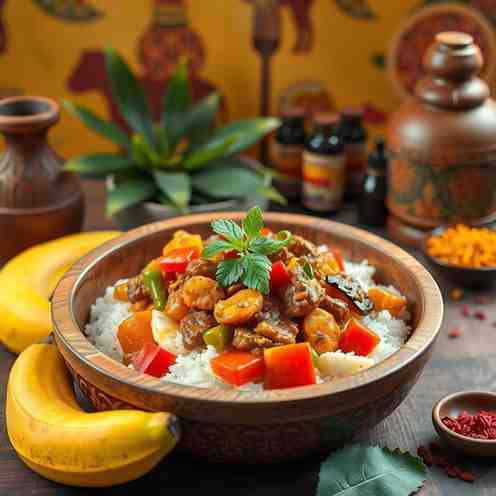
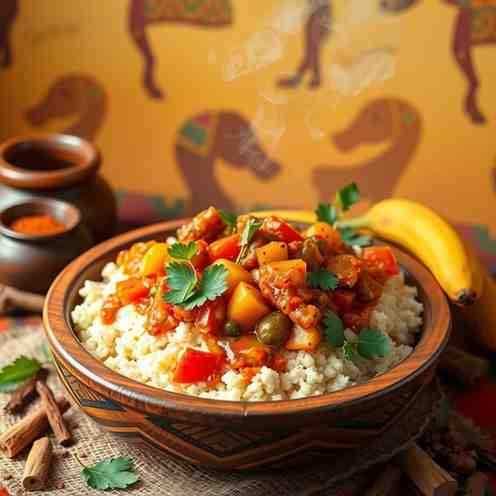
Imagine stepping into a vibrant Cameroonian kitchen, the air thick with the aroma of earthy greens, nutty peanuts, and rich palm oil. That's the magic of Okok, a truly special african food recipe that tells a story with every bite. This thick, glossy green stew, with its unique nutty richness and the comforting scent of red palm oil, often served alongside soft cassava, is a traditional delight. It’s more than just a vegetable stew recipe; it's a taste of history, a staple of african cuisine recipe that brings families together.
So, what exactly is Okok? It's a traditional Cameroonian vegetable-and-groundnut stew, primarily made with Gnetum leaves, red palm oil (or palm nuts), roasted peanuts, and often features smoked fish or meat. And here's the good news for our US readers: “Yes, you can absolutely make this even if you don’t live near a Cameroonian market—we’ll walk you through ingredient sourcing and smart substitutions.” This article cuts through the noise to bring you one clear, authentic recipe for Okok, tested for home kitchens, with no confusing variants. Get ready to explore the heart of african dishes recipe and create a truly memorable fresh meal recipe!
Ingredients
Directions
- Prepare the Peanuts and Palm Base
- If using raw peanuts, lightly toast them in a dry skillet over medium heat until fragrant, then let cool.
- Grind the roasted peanuts in a food processor or blender until it forms a coarse powder, resembling coarse sand. Do NOT grind into a paste, as this can make the Okok too heavy and oily. Set aside.
- If using canned palm cream, dilute it with 1 cup of water to create a thinner, sauce-like consistency. If using red palm oil, you will add it directly in Step 3.
- Prep the Okok Leaves and Protein
- Thoroughly wash the Gnetum leaves (or your chosen substitute) multiple times to remove any dirt or grit. Chop them finely and squeeze out any excess water. Set aside.
- If using smoked fish, carefully debone it and flake the flesh. If using stew meat, ensure it's cut into small, bite-sized pieces.
- Build the Stew Base
- In a large pot or Dutch oven, combine the diluted palm cream (or red palm oil if using) with 2 cups of water, chopped onion, minced garlic, salt, and bouillon cubes (if using). Bring to a gentle simmer over medium heat.
- Continue to simmer for about 10-15 minutes, stirring occasionally, until the mixture gently thickens and the flavors meld.
- Gradually whisk in the ground peanuts, a spoonful at a time, to avoid lumps. Continue to simmer, stirring frequently, for another 15-20 minutes, until the mixture thickens further and the oil just begins to separate and rise to the surface. This is a sign the peanuts are well cooked.
- Add the ground crayfish (if using), flaked smoked fish, and stew meat (if using). Stir well to combine and simmer for an additional 10-15 minutes to infuse the flavors. This creates a rich african spice blend base for your vegetable mixture recipe.
- Cook the Okok Leaves
- Add the chopped Gnetum leaves to the pot in batches, stirring well after each addition until all the leaves are coated in the rich stew base.
- Reduce the heat to low-medium and simmer the Okok uncovered for 30-45 minutes, stirring occasionally to prevent it from sticking to the bottom. The leaves should soften and become tender-chewy, not stringy.
- Towards the end of the cooking time, add the optional sugar (if you prefer a saltishly sweet Central style) and adjust the salt and bouillon to your taste.
- The stew is done when the leaves are tender, the stew is thick and glossy, and the oil has risen slightly to the top, indicating a perfectly cooked fruit and vegetable meal.
- Rest and Serve
- Remove the Okok from the heat and let it rest for 5-10 minutes. This allows the flavors to settle and intensify.
- Serve your delicious meal for lunch or dinner hot with traditional accompaniments like boiled cassava sticks (yuca), bobolo, or garri. For garri, simply add hot water to create a stiff dough (fufu) and mold it into small balls for scooping the stew.
Cameroon Okok Recipe - A Traditional African Delight
- Serves: 6 People
- Prepare Time: 45 minutes
- Cooking Time: 75 minutes
- Calories: -
- Difficulty: Easy
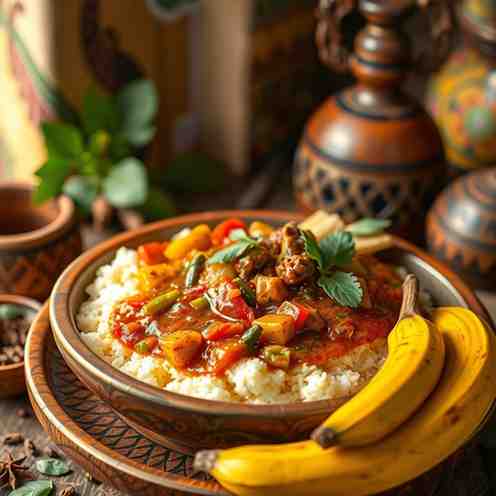
Imagine stepping into a vibrant Cameroonian kitchen, the air thick with the aroma of earthy greens, nutty peanuts, and rich palm oil. That's the magic of Okok, a truly special african food recipe that tells a story with every bite. This thick, glossy green stew, with its unique nutty richness and the comforting scent of red palm oil, often served alongside soft cassava, is a traditional delight. It’s more than just a vegetable stew recipe; it's a taste of history, a staple of african cuisine recipe that brings families together.
So, what exactly is Okok? It's a traditional Cameroonian vegetable-and-groundnut stew, primarily made with Gnetum leaves, red palm oil (or palm nuts), roasted peanuts, and often features smoked fish or meat. And here's the good news for our US readers: “Yes, you can absolutely make this even if you don’t live near a Cameroonian market—we’ll walk you through ingredient sourcing and smart substitutions.” This article cuts through the noise to bring you one clear, authentic recipe for Okok, tested for home kitchens, with no confusing variants. Get ready to explore the heart of african dishes recipe and create a truly memorable fresh meal recipe!
Ingredients
Directions
- Prepare the Peanuts and Palm Base
- If using raw peanuts, lightly toast them in a dry skillet over medium heat until fragrant, then let cool.
- Grind the roasted peanuts in a food processor or blender until it forms a coarse powder, resembling coarse sand. Do NOT grind into a paste, as this can make the Okok too heavy and oily. Set aside.
- If using canned palm cream, dilute it with 1 cup of water to create a thinner, sauce-like consistency. If using red palm oil, you will add it directly in Step 3.
- Prep the Okok Leaves and Protein
- Thoroughly wash the Gnetum leaves (or your chosen substitute) multiple times to remove any dirt or grit. Chop them finely and squeeze out any excess water. Set aside.
- If using smoked fish, carefully debone it and flake the flesh. If using stew meat, ensure it's cut into small, bite-sized pieces.
- Build the Stew Base
- In a large pot or Dutch oven, combine the diluted palm cream (or red palm oil if using) with 2 cups of water, chopped onion, minced garlic, salt, and bouillon cubes (if using). Bring to a gentle simmer over medium heat.
- Continue to simmer for about 10-15 minutes, stirring occasionally, until the mixture gently thickens and the flavors meld.
- Gradually whisk in the ground peanuts, a spoonful at a time, to avoid lumps. Continue to simmer, stirring frequently, for another 15-20 minutes, until the mixture thickens further and the oil just begins to separate and rise to the surface. This is a sign the peanuts are well cooked.
- Add the ground crayfish (if using), flaked smoked fish, and stew meat (if using). Stir well to combine and simmer for an additional 10-15 minutes to infuse the flavors. This creates a rich african spice blend base for your vegetable mixture recipe.
- Cook the Okok Leaves
- Add the chopped Gnetum leaves to the pot in batches, stirring well after each addition until all the leaves are coated in the rich stew base.
- Reduce the heat to low-medium and simmer the Okok uncovered for 30-45 minutes, stirring occasionally to prevent it from sticking to the bottom. The leaves should soften and become tender-chewy, not stringy.
- Towards the end of the cooking time, add the optional sugar (if you prefer a saltishly sweet Central style) and adjust the salt and bouillon to your taste.
- The stew is done when the leaves are tender, the stew is thick and glossy, and the oil has risen slightly to the top, indicating a perfectly cooked fruit and vegetable meal.
- Rest and Serve
- Remove the Okok from the heat and let it rest for 5-10 minutes. This allows the flavors to settle and intensify.
- Serve your delicious meal for lunch or dinner hot with traditional accompaniments like boiled cassava sticks (yuca), bobolo, or garri. For garri, simply add hot water to create a stiff dough (fufu) and mold it into small balls for scooping the stew.
You may also like

Hey there! I’m just someone who seriously loves good food and believes that cooking doesn’t have to be complicated to be amazing. Whether it’s a quick weeknight dinner or a cozy weekend meal, I’m all about sharing easy, tasty recipes that actually work.